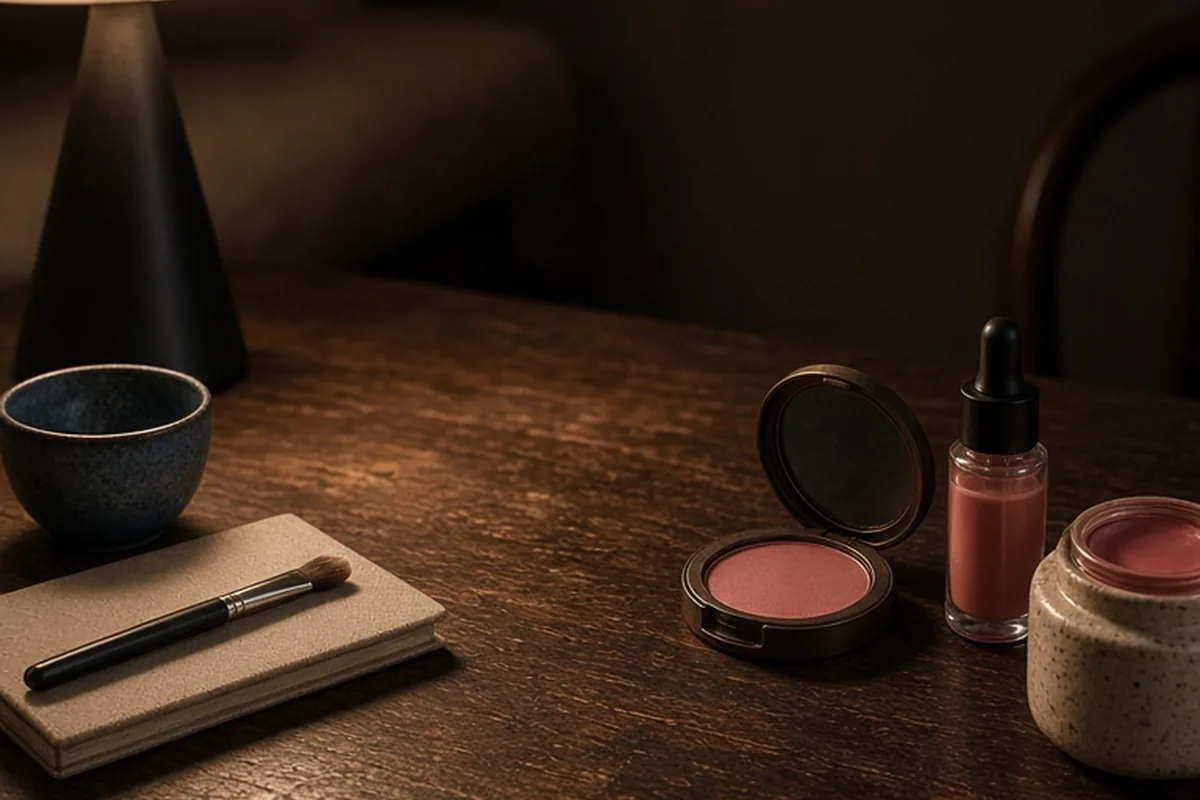
Blush makeup is a cosmetic product applied to the cheeks to add a flush of color, warmth, and dimension to the complexion. Formulated as powders, creams, liquids, and gels, blush mimics the natural rush of blood beneath the skin. It balances out complexion-evening products like foundation and concealer, restoring a healthy, awake appearance while subtly shaping the contours of the face.
When applying base makeup such as foundation, tinted moisturizer, or concealer, skin tone often becomes completely uniform, which can inadvertently remove the face's natural depth and soft gradient of color. Blush acts as the bridge between a flat, single-toned base and a lively, animated expression, making it a staple across minimalist routines and full-glam techniques alike.
The Core Purpose of Blush in Daily Makeup
At its foundation, blush is designed to replicate the spontaneous flush that occurs when circulation increases to the surface of the cheeks. In everyday makeup application, however, its role extends far beyond merely adding pink or peach tones to the skin. Base products like medium-to-full coverage foundations and setting powders work by canceling out redness, discoloration, and blemishes. In doing so, they also mask the natural warmth and shadow patterns that define facial features, which can leave the skin looking somewhat flat, chalky, or one-dimensional.
Introducing blush back into the routine re-establishes structural contrast and vitality. By placing color strategically over the cheekbones or the apples of the cheeks, you instantly direct the eye, draw attention upward, and create an illusion of fullness or lifted angles. For instance, someone wearing a simple tinted moisturizer can use a dab of soft terracotta blush across the cheeks to look immediately rested and put-together without needing a full complement of contouring and highlighting products.
A practical limitation to keep in mind is that blush is not a substitute for bronzer or contour. While bronzer imparts an overall sun-warmed glow across high points where the sun hits and contour creates cool-toned shadows to hollow out areas under bone structure, blush specifically brings focal color and freshness. Attempting to use a bright pink blush as a full-face bronzer or a brown-toned blush as a sharp sculpting tool often leads to a muddy or unbalanced finish.
Understanding the Main Blush Formulations
Blush is available in several distinct formulations, each offering different finishes, textures, and longevity profiles to suit various skin types and aesthetic preferences. Choosing the right formula is often the deciding factor in whether a blush looks seamlessly melted into the skin or sits visibly on the surface.
Powder blush remains the most traditional and widely available format. It typically comes in pressed compacts or loose powders and is applied with a fluffy brush. Powders are exceptionally user-friendly because they allow for buildable intensity and set down easily over set foundation or bare, moisturized skin that has been lightly dusted with translucent powder. However, on severely dry, flaky, or mature skin, heavy powders can settle into fine lines or emphasize dry patches if the skin is not adequately prepped.
Cream and liquid blushes have surged in popularity for their skin-mimicking, dewy finish. Cream blush, often packaged in pots or twist-up sticks, contains emollient bases that melt upon contact with skin warmth, blending effortlessly over bare skin, tinted balms, or fluid foundations. Liquid blushes tend to be highly concentrated, offering a high-impact wash of color with just a single dot that blends out with fingers or a damp beauty sponge. The trade-off with emollient cream and liquid formulas is longevity on oil-prone skin, where natural sebum can break down the pigments faster throughout the day unless set with a translucent powder.
- Powder blush: Best for oily, combination, or normal skin; provides buildable coverage with matte, satin, or shimmer finishes.
- Cream blush: Ideal for dry, dehydrated, or mature skin; delivers a dewy, hydrating sheen that blends easily with fingertips.
- Liquid blush: Highly pigmented and versatile; offers sheer-to-full buildable coverage that pairs well with light to medium coverage bases.
- Gel and cheek stains: Fast-drying and water-resistant; creates a sheer, long-lasting watercolor tint that stays put through sweat and humidity.
Selecting the Right Color and Undertone
Selecting a blush shade that flatters your complexion depends on understanding your skin's surface depth and underlying tones. When blush harmonizes with your natural undertone, it looks like an authentic flush; when it deliberately contrasts in a controlled way, it provides a striking, intentional pop of editorial color.
Skin undertones generally fall into cool, warm, or neutral categories. Cool undertones with pink, red, or bluish hints often look radiant in berry, soft rose, fuchsia, or pastel pink blushes that mirror natural flushing. Warm undertones with golden, peachy, or olive notes usually pair best with apricot, coral, warm peach, amber, and terracotta shades, which complement the golden warmth of the skin rather than clashing against it. Neutral undertones enjoy broad versatility, carrying off dusty mauves, soft nudes, and spiced roses with ease.
Depth is equally important to avoid a shade looking either invisible or ashy. Fair complexions often benefit from soft petal pinks, light peaches, and sheer lilacs that do not overwhelm delicate contrast. Medium to tan complexions can carry richer pigments such as bright corals, warm apricots, and mauve-berries. Deep and rich skin tones shine in vibrant, highly saturated pigments like bright tangerine, rich plum, warm brick red, and deep fuchsia, as softer pastel shades can leave a dull, chalky cast on deeper melanin.
Blush Placement and Application Techniques
Where you place your blush can subtly alter the perceived shape and proportions of your face. By changing brush angles and focal points, you can achieve anything from a youthful, rounded fullness to a sculpted, lifted appearance.
The traditional method involves applying blush directly to the apples of the cheeks—the rounded flesh that puffs up when you smile. Blending color softly in circular motions here draws focus to the center of the face, creating a youthful, doll-like, and cheerful look. This technique works particularly well on longer or oval face shapes by visually widening and softening the face, though it can over-accentuate roundness on fuller facial structures.
For a modern, lifted effect, blush is applied slightly higher, starting along the tops of the cheekbones and blending upward toward the temples and hairline. This sweeping, diagonal motion elongates the face and emphasizes bone structure, simulating the lifting effect often sought through contouring. Another popular style is the sun-kissed or draped placement, where blush is swept across the bridge of the nose and high cheek points, replicating the natural flush that comes from spending an afternoon outdoors.
- Apples of the cheeks: Best for softening angular features and creating a youthful, plump appearance.
- High cheekbones to temples: Best for lifting the mid-face and creating structural dimension.
- Across the bridge of the nose: Best for a casual, youthful, sun-warmed aesthetic.
- C-shape around the orbital bone: An editorial technique blending blush from cheekbones up around the outer eye area.
Tools and Application Methods by Formula
Using the appropriate tool for your specific blush formula ensures even distribution and prevents patchy, streaky color deposits. The texture of the product dictates whether synthetic bristles, natural fibers, sponges, or clean fingertips will yield the smoothest blend.
For powder blushes, a medium-sized, fluffy brush with soft, tapered bristles is ideal. A tapered shape gives you control over placement while diffusing edges automatically as you sweep the brush across your skin. Dense brushes should generally be avoided with high-pigment powders, as they pack on too much product at once, making it difficult to buff out harsh edges without disturbing the underlying foundation.
For cream and liquid formulas, dense synthetic buffing brushes, damp makeup sponges, or warm fingertips work best. Synthetic bristles do not absorb excessive liquid product, allowing maximum transfer to the skin. To apply liquid blush without staining one spot, dispense a tiny drop onto the back of your hand first, work the product evenly into your brush or sponge, and then stipple it onto your cheeks gradually rather than applying the applicator directly to your face.
Layering and Setting Blush for All-Day Wear
One of the most frequent challenges with blush is fading, as the cheeks are prone to movement, environmental exposure, and incidental touching throughout the day. Strategic layering allows you to maintain color intensity from morning to evening without creating a thick, heavy layer of makeup.
The golden rule of makeup formulation harmony is pairing like textures together: liquids and creams over wet bases, and powders over set dry bases. If you apply a powder blush directly over a tacky, unset liquid foundation, the powder may cling to wet spots unevenly and cause blotchiness. To ensure seamless wear, either lightly dust your base with a translucent setting powder before applying powder blush, or apply your cream and liquid blushes directly onto foundation before any powdering takes place.
To achieve maximum longevity—such as for long workdays, events, or hot weather—try the dual-layering technique. Start by applying a cream or liquid blush for a natural, skin-deep base of color. Lightly dust the area with translucent powder to lock the emollient base in place, and then finish with a whisper of matching powder blush on top. This sandwiching technique locks the pigment in place while maintaining multidimensional vibrancy.
Troubleshooting Common Blush Mistakes
Even with quality products, blush application can occasionally go awry. Knowing how to adjust your technique and fix common errors on the spot saves time and avoids the frustration of having to wash off your entire face of makeup.
If you accidentally apply too much pigment, resist the urge to scrub it away with a wipe, which leaves a bare hole in your foundation. Instead, take the foundation brush or beauty sponge you used earlier—without adding extra product—and gently stipple the residual foundation over the intense edges of the blush. The leftover base pigment acts as an eraser, softening the blush color beneath a thin veil of skin tone.
If your blush appears patchy or clings to dry texture, the root cause is typically skin hydration or uneven setting. Ensure that your skin is adequately moisturized before makeup application and allow your skincare to absorb for a few minutes before applying base products. When blending, use gentle pressing and tapping motions rather than aggressive dragging, which can lift the foundation underneath and expose bare skin patches.
Frequently asked questions
Can I use lipstick as a substitute for blush?
Yes, standard cream lipsticks can work well as an impromptu blush because their emollient texture blends easily into bare skin or liquid base makeup. Warm a small amount on the back of your hand before tapping it onto your cheeks with your fingers. Avoid using ultra-matte liquid lipsticks that dry down too quickly or high-shine, sticky lip glosses.
Should blush be applied before or after setting powder?
The order depends entirely on the formula of the blush you are using. Cream, gel, and liquid blushes should always be applied before setting powder to allow them to melt seamlessly into your skin and base. Powder blushes, on the other hand, should be applied after a light dusting of translucent powder so the brush glides smoothly without dragging on tacky foundation.
How do I choose between matte, satin, and shimmer blush finishes?
Matte blushes offer a flat, clean pop of color that will not highlight skin texture, pores, or fine lines, making them an excellent choice for textured or oily skin. Satin blushes provide a soft, realistic sheen that mimics healthy, bare skin. Shimmer and luminous blushes contain fine reflective particles that double as a subtle cheekbone highlighter, best suited for smooth or normal-to-dry complexions.
Your next step
To find your ideal blush routine, determine whether your skin favors dewy creams or oil-balancing powders, then swatch a shade that matches the natural undertone of your skin's authentic flush.