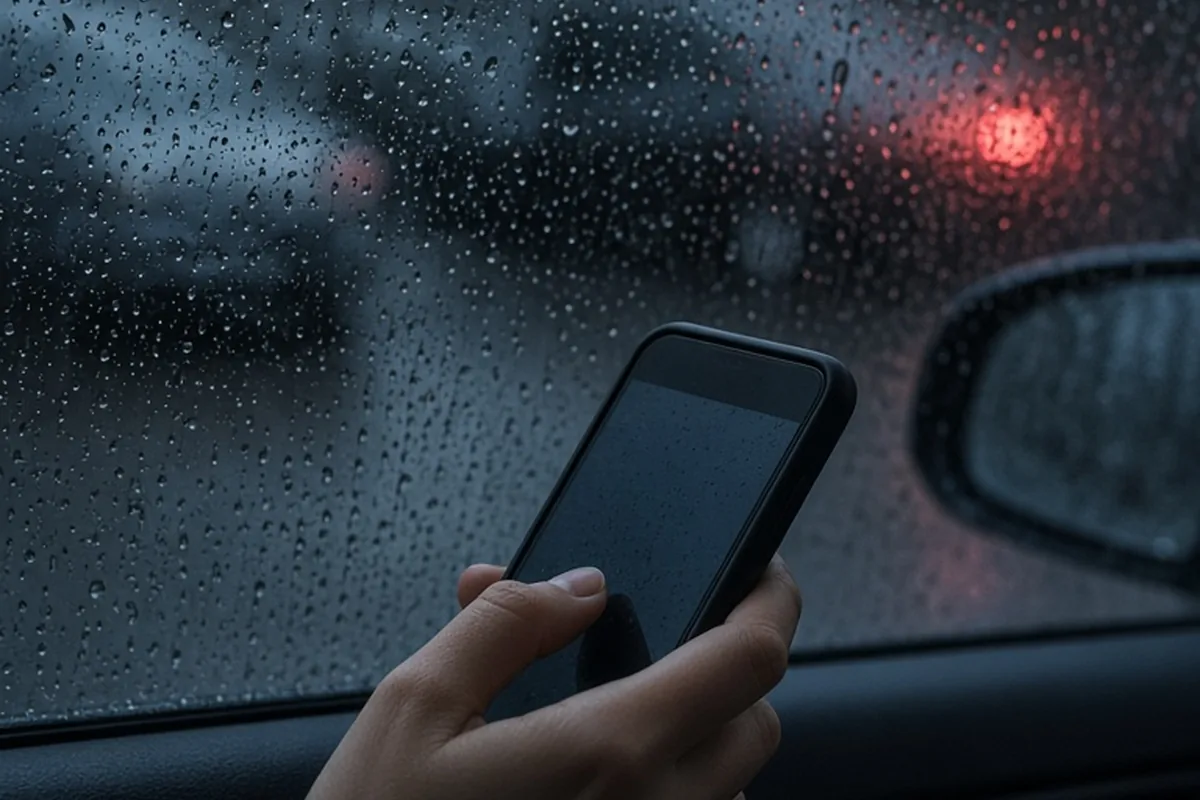
Double texting means sending a second message to someone before they reply to your first one. It has a reputation for seeming needy, but that reputation is often overblown. Whether it helps or hurts depends almost entirely on your tone, timing, and what the relationship actually is at that moment. Done with confidence and without pressure, a follow-up message is usually fine.
The pause after sending a text can feel surprisingly loud. You said something, they haven't responded, and now you're weighing whether to say anything else. That moment is where double texting lives, and it's worth understanding clearly before you decide what to do.
What Double Texting Actually Means
Double texting refers to sending a second text message to someone who hasn't yet replied to your first one. The term is used most often in dating contexts, but it applies to any conversation where one person follows up before the other has responded. It can be as simple as sending a funny meme right after a question, or as loaded as sending 'hello?' after three days of silence.
The phrase carries a slightly anxious connotation in popular culture, as though sending two messages in a row automatically signals desperation. That framing isn't really accurate. The meaning of a double text depends almost entirely on context: what you said, how much time passed, what kind of relationship you have, and what the follow-up message actually contains. Two messages sent within five minutes of each other during an active conversation are nothing like two messages sent after a week of being ignored.
Why People Fear Sending That Second Message
The anxiety around double texting comes from a real social dynamic: nobody wants to appear more invested than the other person. In early dating especially, there's a widespread belief that showing too much interest too soon will push someone away. So people hold back, wait, and sometimes let a conversation die rather than risk looking eager. The fear is understandable, even if it's often exaggerated.
Part of what makes this fear stick is that it's hard to read silence. When someone doesn't reply, you don't know if they're busy, distracted, uninterested, or just bad at texting. Sending another message feels like it forces the issue, and forcing the issue feels vulnerable. But sitting in that uncertainty indefinitely has its own cost: conversations stall, connections fade, and you're left wondering about something that a single honest message might have resolved.
When a Follow-Up Message Actually Makes Sense
There are plenty of situations where sending a second text is the reasonable, even obvious, move. If your first message was unclear, a quick clarification is helpful, not desperate. If several days have passed and you genuinely want to reconnect, a low-pressure follow-up is a normal thing adults do. If you thought of something relevant and funny after your last message, sharing it doesn't require an apology. The key is that the follow-up should add something, not just repeat the original message or demand a response.
Timing matters more than most people realize. A second message sent two minutes after the first, during what was clearly an active exchange, reads very differently than one sent after a week of silence. In an active conversation, following up quickly is just how conversation works. After a long gap, the follow-up carries more weight, so it's worth thinking about what you actually want to say rather than just nudging for attention.
When Double Texting Can Backfire
There are situations where sending another message genuinely doesn't help. If someone has been consistently slow to reply, or has given short, disengaged answers, sending more messages is unlikely to change that pattern. It can feel like you're chasing something that isn't moving toward you. In those cases, the more useful move is to step back and let the other person close the gap if they want to.
The content of the follow-up matters just as much as the timing. Messages that express frustration, demand an explanation for the silence, or escalate emotionally tend to put the recipient on the defensive. A double text that reads as pressure, even mild pressure, usually creates distance rather than closing it. If you're sending a second message because you're anxious rather than because you have something genuine to say, it's worth pausing to figure out which one it is.
The Tone of a Follow-Up Changes Everything
Two people can send the same follow-up message and get completely different results based on how it's framed. A message that sounds confident and light, something like 'also thought of this and figured you'd appreciate it,' lands very differently than 'hey, did you see my last message?' The first adds value and signals that you're not rattled by the silence. The second draws attention to the silence and can make the recipient feel cornered.
Keeping the tone easy and low-stakes is the most practical thing you can do when you decide to follow up. You're not asking for an explanation, not expressing frustration, and not making the other person feel like they owe you something. You're just continuing to be someone worth talking to. That's a genuinely different energy, and most people can feel the difference even if they couldn't articulate it.
Double Texting in Early Dating Versus Established Relationships
The stakes feel highest in the early stages of dating, when you don't yet have a clear sense of how interested the other person is or how they communicate. In that context, a follow-up message carries more symbolic weight because there's less shared history to absorb it. That doesn't mean you should never do it, but it does mean that what you say and how you say it matters more than usual. A light, confident follow-up in early dating is usually fine. A string of escalating messages is not.
In an established relationship or a close friendship, double texting barely registers as a concept. You already know each other's texting habits, you're not performing interest, and a follow-up message is just a follow-up message. The anxiety around double texting is almost entirely a feature of early-stage uncertainty, and it tends to dissolve naturally as a connection develops and both people feel more secure in it.
What to Actually Say When You Follow Up
If you've decided a follow-up makes sense, the simplest approach is to say something new rather than repeating yourself. Referencing your earlier message directly can feel like you're keeping score. Instead, share something relevant, ask a different question, or just pick up where the conversation could naturally go. This keeps the exchange moving forward rather than circling back to the unanswered message.
If you genuinely want to address the gap, you can do that directly without making it heavy. Something like 'I wasn't sure if my last message got lost, but I wanted to check in' is honest and non-accusatory. It gives the other person an easy out if they just missed it, and it signals that you noticed the silence without making a big deal of it. What you want to avoid is a message that makes the other person feel guilty for not responding faster, because guilt is not a great foundation for a conversation you actually want to have.
- Add something new rather than repeating your original message
- Keep the tone light and pressure-free
- If addressing the silence, be direct but not accusatory
- One follow-up is usually enough; more than that shifts the dynamic
Reading the Situation Before You Send
Before you send a second message, it helps to take a brief honest look at what's actually happening in the conversation. Has this person been engaged and responsive up until now, or has the pattern been inconsistent from the start? Is there a practical reason they might not have replied, like a busy week you know about, or is the silence coming out of nowhere? These questions don't require you to overthink it, but they do give you useful information about what a follow-up is likely to accomplish.
The most important thing to check is your own motivation. If you're following up because you have something genuine to say, that's a reasonable basis for sending the message. If you're following up because the silence is making you anxious and you want to resolve that feeling, the message is more about managing your own discomfort than about the conversation itself. That's not a moral failing, but it's worth knowing, because a message sent from anxiety often reads differently than one sent from genuine interest.
Illustrative Scenarios
The Unanswered Question After a Good Date
Marcus had a first date that felt genuinely good. They talked for three hours, the goodbye was warm, and he texted her that evening to say he'd had a great time and ask if she'd want to get dinner again. Two days passed with no reply. His first instinct was to assume she wasn't interested and leave it alone, but he also wondered if the message had just gotten buried. On the third day, he sent a short follow-up: a reference to something funny they'd talked about on the date, with no mention of the unanswered question. She replied within an hour, apologized for the delay, and said yes to dinner. The silence had been real life, not a signal.
Key point: A single, light follow-up after a genuine connection is not a sign of desperation. It's a reasonable move when you have something worth saying and the conversation was worth continuing.
When the Follow-Up Made Things Worse
Priya had been texting someone she met through a mutual friend for about two weeks. The conversation had always been a little uneven, with her often sending longer messages and waiting longer for replies. After one message went unanswered for four days, she sent a follow-up asking if everything was okay, then another one the next day saying she wasn't sure where things stood. The person replied briefly and the conversation never really recovered its earlier warmth. Looking back, Priya recognized that the pattern had been there from the beginning, and the follow-ups had pushed on something that was already fragile rather than fixing it.
Key point: When the underlying dynamic is already uneven, multiple follow-ups tend to highlight the imbalance rather than correct it. One message is usually enough to give the other person a chance to re-engage.
Frequently asked questions
Is double texting always a bad idea?
No. Double texting has an undeserved reputation as a universal mistake. Whether it helps or hurts depends on the context, the tone, and what you actually say. A confident, low-pressure follow-up in the right situation is often completely fine and sometimes the right call.
How long should I wait before sending a second message?
There's no universal rule, but a few days is a reasonable window for a follow-up in early dating. In an active conversation, following up within minutes is normal. The more important question is whether you have something worth saying, not just whether enough time has passed.
What if they still don't reply after a second message?
At that point, it's usually worth stepping back and letting the other person make the next move. Two unanswered messages are a clear enough signal to work with. Sending more is unlikely to change the outcome and tends to make you feel worse, not better.
Does double texting make you look desperate?
It can, but it doesn't have to. The tone and content matter far more than the act itself. A follow-up that's light, adds something new, and doesn't pressure the other person to respond rarely reads as desperate. It's the anxious or demanding version of a follow-up that creates that impression.
Your next step
Before you send that second message, take thirty seconds to check two things: do you have something genuine to add, and is your tone easy rather than pressured? If both answers are yes, send it. One confident follow-up is a normal part of how conversations work, and letting a good connection fade because you were afraid to seem interested is usually the bigger loss.