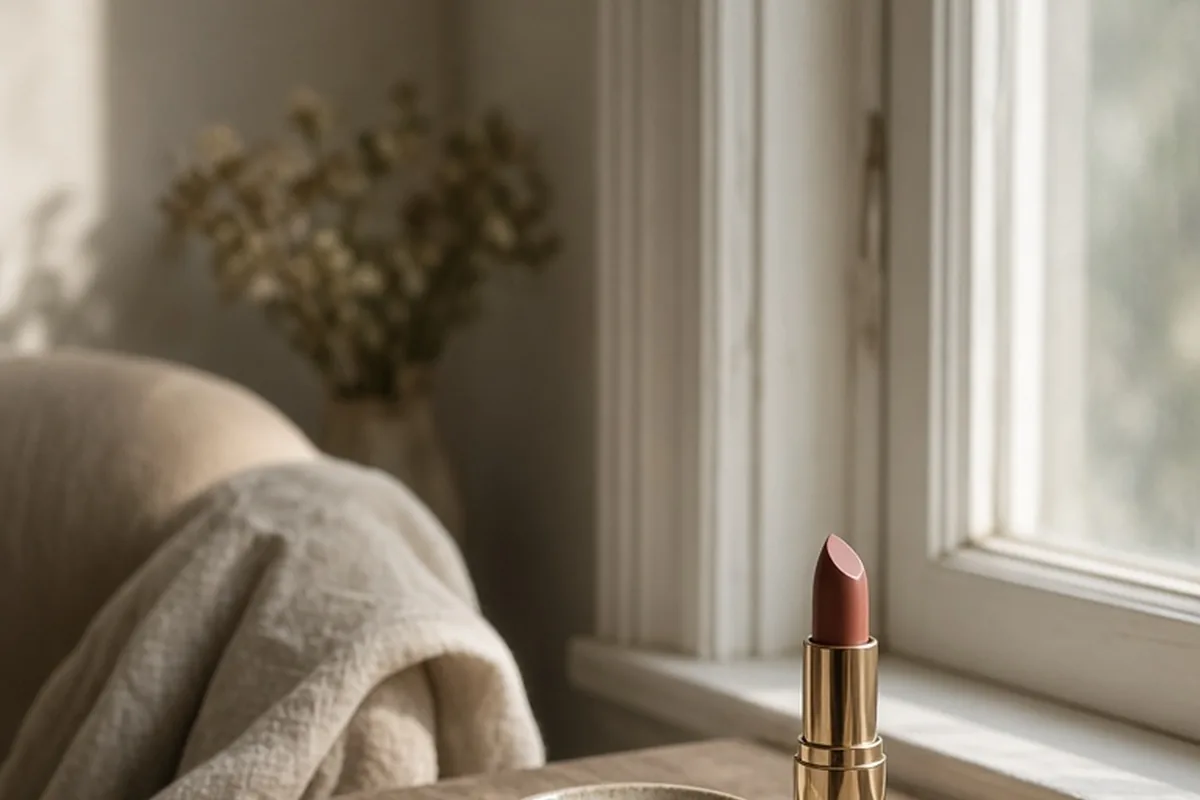
Satin lipstick is a hybrid lip color formula that bridges the gap between matte and glossy finishes. It delivers medium-to-full pigment with a soft, luminous sheen and a hydrating, comfortable feel. Formulated with a balanced blend of nourishing oils, waxes, and rich pigments, satin lipstick keeps lips moisturized without feeling sticky or drying out throughout the day.
Choosing a lip product often feels like a compromise between high-impact color and daily comfort, making it helpful to understand how different cosmetic formulas perform before adding one to your daily routine.
Defining the Satin Lip Formula and Texture
At its core, satin lipstick is characterized by its balanced formulation of conditioning emollients, structural waxes, and concentrated color pigments. Traditional matte lipsticks rely heavily on waxes and absorbent powders like silica to eliminate shine, which can draw moisture out of the delicate skin on the lips over several hours. Conversely, high-shine lip glosses rely heavily on liquid oils and polymers with minimal wax, resulting in a wet look that provides sheerer coverage and tends to wear away quickly. Satin lipstick sits directly in the sweet spot between these two extremes, incorporating conditioning ingredients such as jojoba oil, shea butter, castor seed oil, and botanical esters to nourish the lips while maintaining enough structural integrity to deliver opaque color in a single swipe.
The physical sensation of wearing a satin lipstick is smooth, lightweight, and cushiony. When applied, the bullet glides across the lips with minimal drag or pulling, melting slightly upon contact with body heat. Once set, the finish mimics the subtle, luxurious luster of genuine satin fabric. It reflects just enough ambient light to give lips a healthy, hydrated dimension without appearing overly reflective, wet, or sticky. Because the formula maintains its creamy flexibility rather than drying down into a rigid film, your lips retain natural movement without cracking, creasing, or feeling tight as you speak and smile throughout the day.
How Satin Compares to Matte, Gloss, and Cream Finishes
Understanding how satin compares to other standard finishes helps determine whether it aligns with your aesthetic preferences and wear expectations. When placed side by side with a classic matte lipstick, satin offers significantly more hydration and a softer overall appearance. Matte finishes absorb light, creating a sharp, modern, graphic perimeter that stays in place for extended periods, but they can easily emphasize chapped texture or natural lip lines. Satin formulas reflect soft light, visually diffusing minor surface imperfections and providing a plumper, more forgiving look at the expense of matte's extreme staying power.
When evaluated against lip glosses and sheer balms, satin lipstick provides considerably higher color saturation and stability. Glosses offer maximum reflectivity and a high-shine, vinyl-like coating, but they tend to be tacky, easily catch loose hair, and transfer completely onto drinkware within minutes. Satin formulas contain enough structured wax to adhere firmly to the lip surface, granting dependable, medium-to-full opacity that will not migrate across the face or slide outside the natural vermilion border as easily as a liquid gloss.
Satin is also frequently confused with cream finishes, though subtle distinctions exist between the two. Cream lipsticks contain an even higher ratio of oils, resulting in a slightly heavier, slicker texture on the lips with a more prominent shine and less longevity. Satin lipsticks strike a firmer balance: they offer the nourishing slip of a cream during initial application, but settle into a soft, velvety sheen that grips the lip surface more effectively than a pure cream.
Key Benefits of Choosing a Satin Lipstick
One of the primary advantages of a satin lipstick is its remarkable versatility across different skin types, age groups, and environmental conditions. If you struggle with dry lips or reside in a climate with harsh winds and dry indoor heating, ultra-matte formulas can quickly turn uncomfortable, exacerbating flaking and irritation. Satin formulas actively condition the lips while you wear them, acting as a lightweight protective barrier that seals in moisture and keeps the surface soft and supple from morning to evening.
Satin finishes are also exceptionally flattering on mature lips or individuals with prominent vertical lip lines. Flat matte colors can settle deeply into fine lines, casting micro-shadows that make the lips appear smaller or drier than they actually are. The soft, multidimensional radiance of a satin lipstick reflects ambient light away from deep creases, creating an optical illusion of fuller, smoother lip volume without requiring plumping irritants or excessive gloss.
Additionally, satin lipsticks offer unmatched transition capability between casual and formal occasions. A single layer blotted with a finger provides a relaxed, stained-glass tint suitable for work meetings or running errands. Layered directly from the bullet to full saturation, the exact same tube delivers a sophisticated, elegant finish that pairs seamlessly with dramatic evening makeup, offering great value for everyday beauty routines.
Potential Limitations and Longevity Expectations
While satin lipstick offers superior comfort and flattering optical qualities, it involves practical trade-offs regarding longevity and transfer resistance. Because satin formulas contain active emollients and do not dry down into an immovable, transfer-proof film, the pigment will transfer onto coffee cups, napkins, silverware, and skin upon contact. You can generally expect a standard satin lipstick to remain vibrant for roughly three to five hours of normal wear, after which it will naturally fade into a softer, even tint that requires reapplication.
Another consideration is the potential for feathering or migration, particularly when wearing deeply saturated shades like classic reds, burgundies, or dark plums. The emollient oils that keep the formula creamy can occasionally travel along fine lines around the outer edges of the mouth if the product is applied too heavily near the lip borders. Recognizing these characteristics helps you plan your makeup routine, allowing you to prepare appropriately with targeted application techniques rather than expecting the all-day, budge-proof performance of a liquid matte.
Step-by-Step Application for Extended Wear
Achieving a smooth, long-lasting application with satin lipstick begins with thorough canvas preparation. Because satin reflects light, any rough patches of dead skin will interrupt the uniform finish. Gently buff your lips using a damp washcloth or a mild sugar scrub once or twice a week, followed immediately by a thin layer of hydrating balm. Allow the balm to absorb fully for five to ten minutes while you complete the rest of your makeup, then blot away any excess surface oil with a clean tissue so the lipstick can anchor directly to the lips.
To prevent bleeding and dramatically boost wear time, outline and fill in the entirety of your lips using a waxy lip pencil that matches your chosen lipstick or natural lip tone. The pencil creates a grippy base layer and acts as a mechanical barrier against feathering. Next, apply your satin lipstick starting from the center of the cupid's bow and working outward toward the corners, repeating on the lower lip. For maximum precision around the edges, use a small, tapered lip brush rather than applying directly from the bullet.
For events where you want your satin color to last through light meals and conversation, employ the classic blot-and-set technique. After applying your first coat of lipstick, press a single ply of facial tissue against your lips to remove excess surface oils while leaving the concentrated pigment behind. Hold the tissue against the mouth, lightly dust translucent setting powder over the tissue with a fluffy brush, and apply a final light layer of satin lipstick over top. This locks the pigment beneath a resilient foundation while preserving the soft, radiant sheen on the surface.
Selecting the Right Satin Undertones for Your Skin Tone
Choosing a flattering satin shade involves matching both the color depth and the underlying temperature of your skin. Because satin reflects subtle light, colors often look slightly brighter and more vibrant in real life than they do in a flat matte tube. Understanding whether your complexion features cool, warm, or neutral undertones ensures that your chosen shade harmonizes naturally with your overall features.
For cool undertones (identifiable by pink, red, or bluish hints in the skin and veins that appear blue or purple), satin lipsticks with blue or berry bases are particularly complementary. Classic blue-reds, soft mauves, cool rosy pinks, and rich wine shades create a crisp, brightening contrast that makes the teeth look whiter and illuminates the complexion.
For warm undertones (identifiable by golden, peachy, or olive tones in the skin and veins that appear greenish), look for satin shades grounded in yellow, orange, or earthy bases. Terracotta, warm coral, peachy nudes, cinnamon browns, and fiery brick reds enhance the natural golden warmth of the skin without appearing muddy.
If you have neutral undertones, you have the flexibility to wear both cool and warm hues comfortably. For everyday wear, a neutral satin nude that closely matches the natural pigment of your inner lower lip—often referred to as your 'my lips but better' shade—will provide polished definition that works across every season.
Caring for and Storing Your Satin Lipsticks
Because satin lipsticks contain higher concentrations of plant oils, butters, and natural emollients than dry powder formulations, they are particularly sensitive to environmental degradation. Storing your lipsticks in cool, dry environments away from direct sunlight and sudden temperature spikes prevents the delicate balance of oils and waxes from destabilizing. Leaving a satin lipstick in a warm vehicle or on a sunny windowsill can cause the bullet to melt, warp, or separate, compromising both its texture and structural integrity.
Maintaining proper hygiene ensures your satin lipsticks remain fresh throughout their standard twelve to twenty-four month shelf life. Avoid applying the product immediately after eating without wiping your lips first, as food oils and bacteria can transfer back into the tube. If you notice a change in the product's aroma—such as a stale, waxy, or crayon-like scent—or if the lipstick begins to sweat beads of oil that do not reabsorb, the natural oils have likely oxidized, signaling that it is time to replace the tube.
Frequently asked questions
Is satin lipstick the same as semi-matte lipstick?
While closely related, satin and semi-matte lipsticks have slight textural differences. Semi-matte finishes lean closer to a traditional matte with minimal light reflection and a drier feel, whereas satin finishes contain higher emollient levels that provide a noticeably creamier glide and a softer, luminous sheen.
Does satin lipstick make lips look bigger or smaller?
Satin lipstick generally makes lips look fuller and smoother due to the way its luminous finish catches and diffuses light. Unlike flat matte colors that can flatten lip contours, the subtle shine of satin creates dimension that visually enhances natural lip volume.
Can I turn a satin lipstick into a matte finish?
Yes, you can easily alter a satin lipstick to look matte by blotting away the surface oils with a tissue after application. Dusting a sheer layer of translucent setting powder over the tissue onto your lips will absorb the remaining sheen, leaving behind a velvety, matte stain.
Will satin lipstick dry out chapped lips?
Satin lipstick is generally comfortable on dry lips because it is formulated with conditioning oils and waxes rather than drying mattifying powders. However, if your lips are actively peeling, it is best to gently exfoliate and apply a nourishing balm before your lipstick to ensure the smoothest possible finish.
Your next step
To experience the balanced comfort of a satin lipstick, assess your natural lip undertone, gently exfoliate your lips, and test a single swipe of a nourishing satin formula paired with a matching lip liner for effortless, all-day comfort.