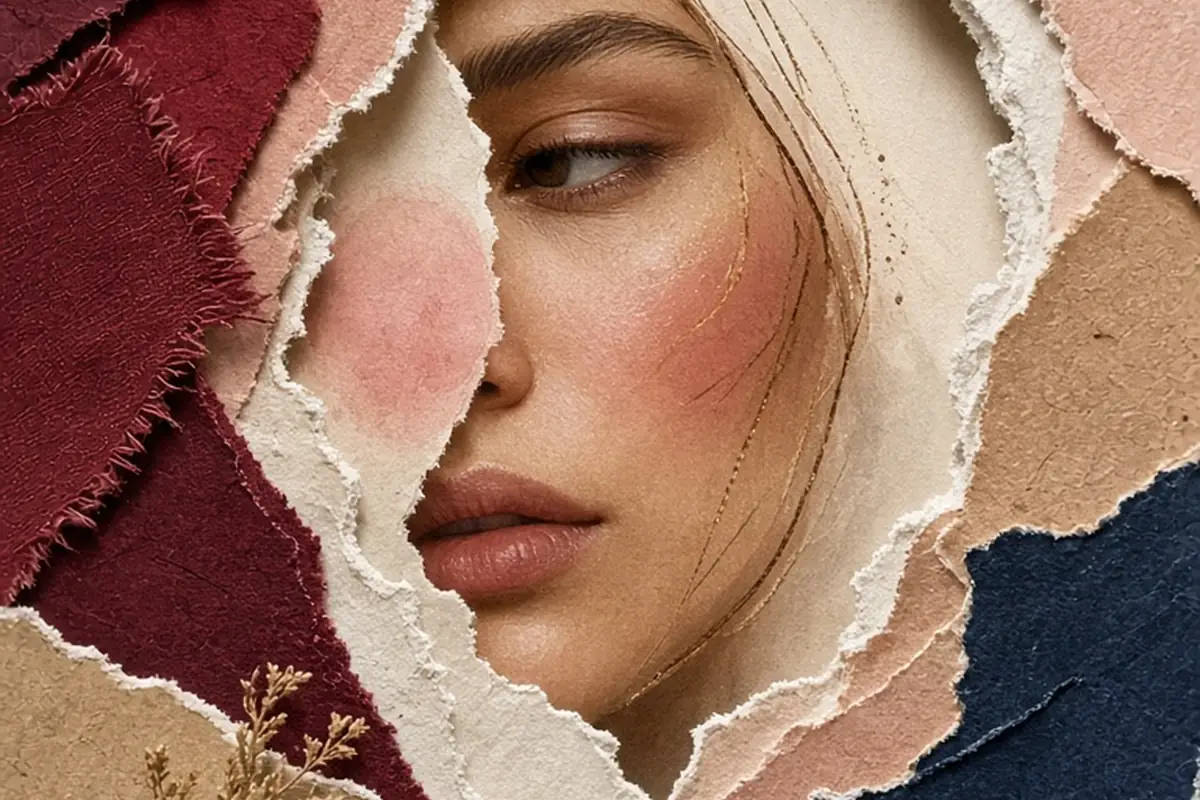
To find the makeup style that suits your face, identify your bone structure, eye shape, and natural contrast levels. Soft, diffused makeup with rounded blush flatters angular and high-contrast features by adding balance, while defined brows, sculpted contour, and clean lines add structure to round or soft faces. Matching technique to your unique proportions creates an intentional, harmonious aesthetic rather than fighting your natural anatomy.
Choosing a makeup style that complements your face involves understanding your unique anatomical canvas rather than simply copying fleeting online trends. When cosmetic application aligns with your bone structure, contrast, and eye shape, makeup looks effortless and naturally cohesive.
Analyzing Your Face Shape and Skeletal Architecture
The underlying framework of your face dictates how light and shadow naturally fall across your skin. To identify your structural baseline, pull your hair back and observe the widest points of your face alongside the angle of your jawline. An oval face typically features balanced proportions where the forehead is slightly wider than the gently curved chin. Square and rectangular shapes have prominent, sharp jawlines and equal width across the forehead and cheeks, while round faces showcase soft curves with similar height and width. Heart-shaped faces taper from a broad forehead down to a pointed chin.
Your face shape helps you decide whether your makeup should add structural definition or soften prominent angles. For instance, someone with a sharply defined jawline and high, prominent cheekbones often benefits from diffused edges, rounded blush placement, and soft, smudged textures rather than harsh contouring lines that can make the face appear overly severe. Conversely, a face with softer, fuller cheeks gains depth and lift from diagonal contouring beneath the zygomatic arch and angular brow shapes. The goal is never to force your face into an arbitrary mold, but to use highlights and subtle shadows to create visual equilibrium.
Evaluating Natural Contrast and Visual Feature Weight
Facial contrast describes the difference in depth between your hair, eyes, eyebrows, and skin tone. High-contrast faces—such as someone with very fair skin, dark hair, and deep brown eyes—can effortlessly carry bold, graphic makeup styles, including deep berry lipsticks, crisp cat eyes, and dramatic lash lines. On a high-contrast face, vivid colors look balanced and integrated rather than overpowering because the face already carries strong inherent visual boundaries.
Low-contrast and medium-contrast faces—where the hair, skin, and eyes are similar in depth, such as blonde hair with light eyes and fair skin, or deep brown skin with dark eyes and black hair—often look best in tonal, monochromatic, or watercolor-style makeup. Harsh black liquid eyeliner or stark lip lines on a low-contrast face can create an unintended visual disconnect, drawing all the attention to the makeup product itself instead of the face wearing it. Experimenting with softer shades like warm taupe, cocoa brown, plum, or terracotta allows your natural coloring to shine without being visually overwhelmed.
Customizing Eye Makeup for Hooded, Deep-Set, and Almond Shapes
Eye makeup should work directly with your orbital bone structure and the amount of visible mobile lid space you have when looking straight ahead. Standard beauty tutorials often assume a large, visible eyelid, but applying those same techniques to hooded, deep-set, or monolid eyes can obscure the artwork entirely. For hooded eyes, where a fold of skin drapes over the crease, applying eyeshadow with eyes open and looking directly into a mirror ensures the pigment remains visible above the fold. Thin, tightlined eyeliner placed along the water line preserves precious lid space far better than thick, opaque lines.
Almond and round eyes require different approaches to create balance. Round eyes can be elongated into a sultry, feline shape by concentrating deeper shadows and winged liner strictly on the outer third of the lash line, blending horizontally toward the temples. Almond eyes, which naturally have an elongated silhouette, can handle either vertical halo eyes—where the center of the lid is highlighted—or classic outward-blended smokey tones. The practical trade-off to consider is eye mobility: overly heavy cream formulas in natural eye folds tend to crease quickly throughout the day, requiring setting powders or thin liquid formulas to maintain longevity.
Strategic Blush Placement to Lift, Widen, or Soften the Face
Blush is one of the most transformative elements of any makeup routine because its placement directly manipulates the perceived width and height of your cheek structure. When you apply blush directly onto the apples of the cheeks and blend outward in a circular motion, it creates a youthful, plumping effect that softens angular jawlines and fills out longer face profiles. This technique works exceptionally well for oval, square, and heart-shaped faces that benefit from central warmth.
For round or square face shapes seeking a lifted aesthetic, sweeping blush along the high points of the cheekbones and blending upward toward the temples draws the eye diagonally, creating an illusion of elongation and higher bone structure. Another popular method, the draped sun-kissed technique across the bridge of the nose and center cheeks, shortens long faces visually while providing a relaxed, outdoorsy feel. Be mindful that blush formulas with excessive shimmer can emphasize natural skin texture and enlarged pores on the front of the cheeks, whereas matte or satin liquid formulations offer smooth color without accentuating uneven texture.
Balancing Lip Finishes and Shapes with Facial Proportions
The scale of your lips relative to the rest of your facial features dictates how different formulas, textures, and lines will appear. Full, prominent lips can easily anchor a look featuring minimal eye makeup, using rich matte stains, sheer glosses, or classic satin reds. However, when paired with heavy eye makeup, deeply saturated lip colors can create visual competition where too many elements fight for prominence simultaneously.
If you have thinner or asymmetric lips, overlining slightly at the center of the cupid's bow and the base of the bottom lip—while staying strictly within the natural line at the corners—adds fullness without looking unnatural. Opting for satin, glossy, or blurred velvet finishes creates the illusion of dimension through light reflection. In contrast, ultra-matte, flat-finish liquid lipsticks absorb light, which can visually flatten thinner lips and accentuate dry lines, making careful prep with hydration essential prior to application.
Selecting the Right Base Finish for Texture and Dimension
Your skin finish sets the stage for every other cosmetic product you apply. Dewy, glass-skin foundations reflect light across curved surfaces, imparting a fresh, radiant look that enhances youthful volume. This luminous finish complements dry skin and minimalist aesthetics like the clean-girl look, but it can draw unwanted attention to active breakouts, raised bumps, and deep pores by catching light on uneven surfaces.
Matte and soft-focus satin bases absorb excess light, providing a smooth, refined canvas that keeps oiliness in check and minimizes the appearance of textured skin. For individuals with combination skin or prominent natural curves, a strategic hybrid approach often works best: apply a satin or soft-matte foundation across the T-zone and areas with larger pores, then place targeted liquid illuminator solely on the flat planes of the high cheekbones and brow bones. This technique preserves multidimensional radiance without compromising coverage or longevity.
Finding Your Signature Aesthetic Through Systematic Testing
Uncovering your ideal makeup style requires practical experimentation rather than guesswork. A reliable method is to isolate one variable at a time over several days. On one occasion, test a warm, monochromatic terracotta palette across your eyes, cheeks, and lips; on another day, try a cool-toned taupe and rose combination. Document each look by taking a clear photograph facing natural, indirect window light without artificial filters, which allows you to objectively evaluate how the colors interact with your skin undertones and facial structure.
Pay close attention to which styles make your natural features stand out versus styles that look like an added mask. If you find yourself constantly checking a mirror to adjust shifting liner or blotting fading lip edges, that specific style may not match your lifestyle or facial movement patterns. The best everyday makeup style is sustainable, complements your bone structure naturally, and requires minimal maintenance throughout your typical day.
Frequently asked questions
How do I know if warm or cool-toned makeup suits my face better?
Examine the veins on the inside of your wrist and how your skin reacts to sun exposure. Greenish veins and a tendency to tan indicate warm undertones that pair well with peach, gold, and bronze tones, while blue or purple veins and easy sunburns suggest cool undertones that suit rose, berry, and slate shades.
Can I wear bold makeup styles if I have soft, delicate facial features?
Yes, but balancing the rest of the face is key. Instead of pairing heavy graphic liner with dark lipstick and sculpted contour, pick one focal point—such as a vibrant red lip or a single wash of bold shadow—and keep the remainder of your makeup soft and sheer.
What makeup style is best for mature skin with fine lines?
Lightweight, hydrating liquid and cream products generally work best on mature skin because they melt seamlessly without settling into fine lines. Soft, blended neutral tones and cream blushes bring a youthful, luminous flush without the dry, flat appearance of heavy powders.
Your next step
Take a photo of your bare face in natural daylight to map your contrast and eye shape, then test one specific adjustment—such as switching your eyeliner angle or blush placement—to observe how it alters your facial balance.