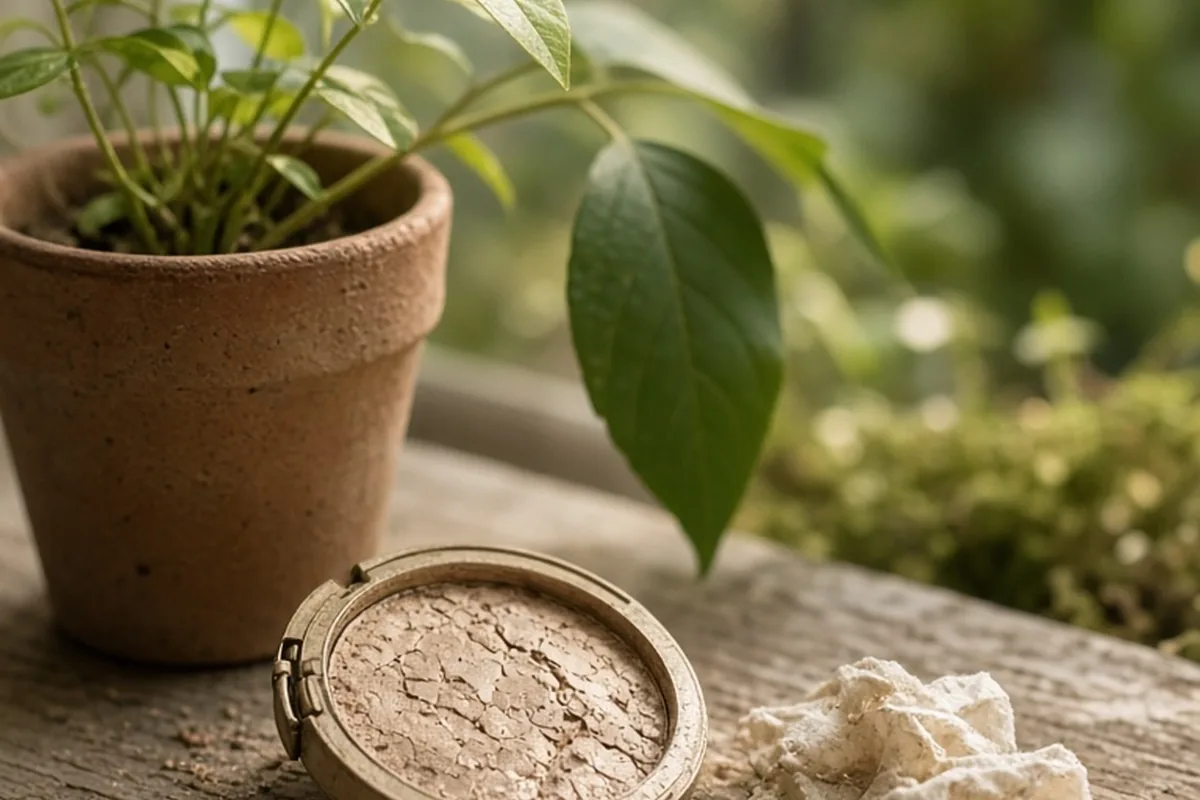
When makeup expires, stop applying it to your face to prevent skin irritation and eye infections. Begin by sorting your collection based on visible texture changes, odor, and opening dates. You can repurpose safe pigments for craft projects, recycle empty containers through dedicated beauty collection programs, and dispose of unrecoverable formulas in your regular household trash rather than washing them down the drain.
Holding onto old beauty products is easy, especially when high-end palettes, seasonal lip shades, or barely used liquid foundations felt like a financial investment. Over time, however, active ingredients degrade, chemical preservatives break down, and moisture-rich formulas collect airborne microbes. Knowing how to handle these older cosmetics helps you declutter your space, protect your skin barrier, and minimize environmental impact through responsible disposal and creative recycling.
How to Identify Expired Makeup Across Different Formats
Determining whether a cosmetic item is past its prime starts with checking the packaging for the Period After Opening symbol, which resembles a small open jar with a number and the letter M printed inside. This indicator reflects how many months a product remains stable and safe after the factory seal is broken. Liquid formulas generally have the shortest lifespans, with mascaras and liquid eyeliners typically lasting three to six months, liquid foundations lasting six to twelve months, and powder products enduring for up to two years under proper storage conditions.
When date stamps are absent or illegible, sensory cues provide the most reliable indicators of product degradation. Liquid foundation that has separated into oily and watery layers that refuse to re-emulsify upon shaking should be retired immediately. Mascara that smells like gasoline or vinegar, or that develops a chalky, dry texture, has lost its moisture and preservative efficacy. Lipsticks that smell like stale crayons or show oil beading on the surface indicate that their natural binding oils have oxidized. Powders that develop a hardened, shiny film on top often harbor facial oils that promote microbial accumulation.
- Mascara and liquid eyeliner: Replace every three to six months to prevent eye irritation.
- Liquid foundation and concealer: Typically remain stable for six to twelve months.
- Cream blushes and lipsticks: Generally safe for twelve to eighteen months before oils turn rancid.
- Powder eyeshadows and blushes: Usable for up to twenty-four months if kept dry and clean.
Understanding the Risks of Applying Expired Cosmetics
Cosmetic preservatives are engineered to suppress bacteria, mold, and yeast introduced every time fingers, sponges, or brushes contact the product. As these preservative systems degrade over time, the internal environment of water-based cosmetics becomes hospitable to microbial proliferation. Applying compromised products can trigger contact dermatitis, resulting in redness, itchy patches, cystic breakouts, and compromised barrier function.
The eye area is particularly vulnerable because the skin around your eyelids is the thinnest on your body and mucous membranes are exposed. Using expired mascara or liquid liner significantly elevates the risk of conjunctivitis, styes, and blepharitis. While dry powders carry a lower risk of rapid bacterial growth than water-based emulsions, old binders can still irritate sensitive skin or cause uneven, patchy application that undermines your cosmetic routine.
Repurposing Old Powders and Pigments for Household Crafts
Before discarding expired powdered cosmetics, consider giving them a second life outside your personal care routine. Heavily pigmented items like eyeshadows, highlighters, and mineral blushes make exceptional colorants for arts and crafts. Because these products are no longer intended for direct skin absorption or long-term wear on sensitive facial zones, their fine milling and rich shimmer can enhance home creative projects without risk.
Crush leftover eyeshadow cakes into a fine loose powder and blend them into clear craft glue, epoxy resin, or acrylic medium to create custom iridescent paints. Expired highlighters can be dusted over air-dry clay sculptures, handmade greeting cards, or wax seals to add a metallic sheen. However, never use expired cosmetics on materials intended for food contact, children's play dough, or pet toys, as cosmetic pigments and preservatives are not formulated for ingestion.
Creative Secondary Uses for Waxes, Polishes, and Creams
Expired cream cosmetics and nail polishes possess unique physical properties that translate well to household problem-solving. Expired clear nail polish acts as a fast-drying waterproof sealant that can secure loose screw threads on eyeglasses, stop frayed ribbon edges from unraveling, or seal envelopes cleanly. Colorful nail enamels can be used to color-code similar keys on your keychain or mark measurement lines on garden tools.
Waxy lip balms and non-tinted face sticks can be applied to stubborn metal zippers to restore smooth gliding action or rubbed onto wooden drawer tracks to reduce friction and squeaking. If you have an expired oil-based cleansing balm, it can occasionally condition worn leather accessories like work boots or utility tool belts after spot testing. Avoid using scented or highly pigmented balms on light-colored porous materials, as the dyes can cause permanent staining.
How to Responsibly Recycle Empty Cosmetic Packaging
Cosmetic packaging is notorious for being difficult to process through standard municipal curbside recycling programs. Most local facilities automatically filter out containers smaller than two inches across, and composite items like compacts with glass mirrors, metal springs in pumps, and mixed-plastic tubes are rejected as contamination. Placing dirty or non-recyclable cosmetic components in your standard household blue bin often results in the entire batch being diverted to a landfill.
To recycle beauty empties effectively, utilize dedicated cosmetic recycling drop-off programs offered by specialty retailers and recycling organizations. Before dropping off containers, thoroughly scrape out any leftover formula into the household trash, wash the packaging with warm soapy water to eliminate oil residues, and dry each component completely. If a compact contains a mirror, gently pry the mirror away from the plastic tray, as mirrors contain metallic backings that cannot be processed alongside standard container glass.
- Check with major beauty retailers that maintain specialized in-store collection bins for hard-to-recycle cosmetic containers.
- Separate multi-material packaging by removing metal springs from plastic pumps and glass pans from magnetic palettes.
- Ensure all containers are fully emptied and rinsed clean to prevent mold growth and contamination in sorting facilities.
Cleaning and Upcycling Applicators and Tools
Even when the makeup product itself has expired, the accompanying applicators and hardware often retain long-term utility. Mascara wands are exceptionally useful tools once sterilized. Soak old wands in warm water mixed with grease-cutting dish soap, use a toothbrush to remove stubborn pigment clumps, and sanitize them with isopropyl alcohol. These micro-spoolies are prized by wildlife rescue organizations for removing fly eggs and flea larvae from the fur of orphaned animals, and they work equally well for grooming eyebrows or detailing delicate computer keyboards.
Empty glass cosmetic droppers and miniature jars make convenient, leak-resistant travel containers for shampoo, jewelry storage, or small craft supplies like beads and pins. Synthetic makeup brushes that are no longer soft enough for your face can be washed and repurposed as dusting brushes for delicate electronics, car air vents, or window blinds. Ensure all tools are completely free of old chemical binders before repurposing them around sensitive surfaces.
Safe Disposal Protocols for Unusable Cosmetic Formulas
When an expired cosmetic cannot be safely repurposed or donated, proper physical disposal is necessary to protect local water systems. Never pour liquid foundations, chemical sunscreens, silicone-heavy primers, or nail polish down household sinks or toilet drains. Wastewater treatment plants are not engineered to filter out complex cosmetic chemicals, microplastics, and synthetic fragrances, allowing these compounds to enter aquatic ecosystems.
The most environmentally conscious disposal method for liquid and cream makeup is scraping the formula out into your regular solid household trash, where it will be contained in a landfill lining rather than entering waterways. For nail polish, allow the open bottle to dry out completely in a well-ventilated outdoor area until the solvent evaporates and the resin hardens into a solid mass before tossing it, or take it to a local household hazardous waste collection center if your municipality requires chemical drop-off.
Practical Inventory Habits to Reduce Future Cosmetic Waste
Preventing makeup expiration begins with establishing intentional purchasing and tracking systems. A simple yet effective habit is writing the date of opening directly onto the bottom of new cosmetic tubes and compacts using a permanent fine-tip marker. This eliminates guesswork down the road and encourages you to prioritize finishing older products before opening fresh backups.
Adopting a mindful consumption approach, such as participating in a project pan challenge where you commit to fully using designated items before purchasing replacements, helps curb product accumulation. Prioritize multi-use items like lip-and-cheek tints or neutral palettes that serve multiple steps in your routine. Storing your collection in a cool, dry environment away from bathroom steam and direct sunlight also extends the structural integrity and preservative lifespan of your cosmetics.
Frequently asked questions
Can I use expired powder makeup if it still looks and smells fine?
Powder cosmetics are relatively stable because they lack water, meaning they resist rapid bacterial proliferation better than liquids. However, repeated contact with facial oils and air causes binders to degrade over time, which can lead to patchy coverage or mild skin irritation. If the product applies smoothly, exhibits no off odors, and has been sanitized with an alcohol spray, it may remain usable, but discontinue use if your skin reacts.
Where can I donate makeup that is close to expiring?
Most community shelters and non-profit organizations accept only brand-new, completely sealed cosmetic items due to strict hygiene regulations. If you have unopened products approaching their expiration window, contact local women's shelters or community centers to verify their intake rules. Lightly used makeup that cannot be donated to shelters can sometimes be offered to local student theater groups or mortuary cosmetology programs.
Why is it unsafe to pour expired liquid foundation down the sink?
Liquid foundations and primers frequently contain silicones, synthetic polymers, mineral oils, and microplastics that do not dissolve in water. Washing them down your drain can coat home plumbing pipes and contribute to stubborn clogs over time. Furthermore, municipal wastewater treatment facilities cannot fully remove these synthetic compounds, allowing them to leach into rivers and marine habitats.
Your next step
Take ten minutes today to inspect your daily makeup bag, discard any liquids or creams older than one year, and mark the opening date on your newer products with a permanent marker.