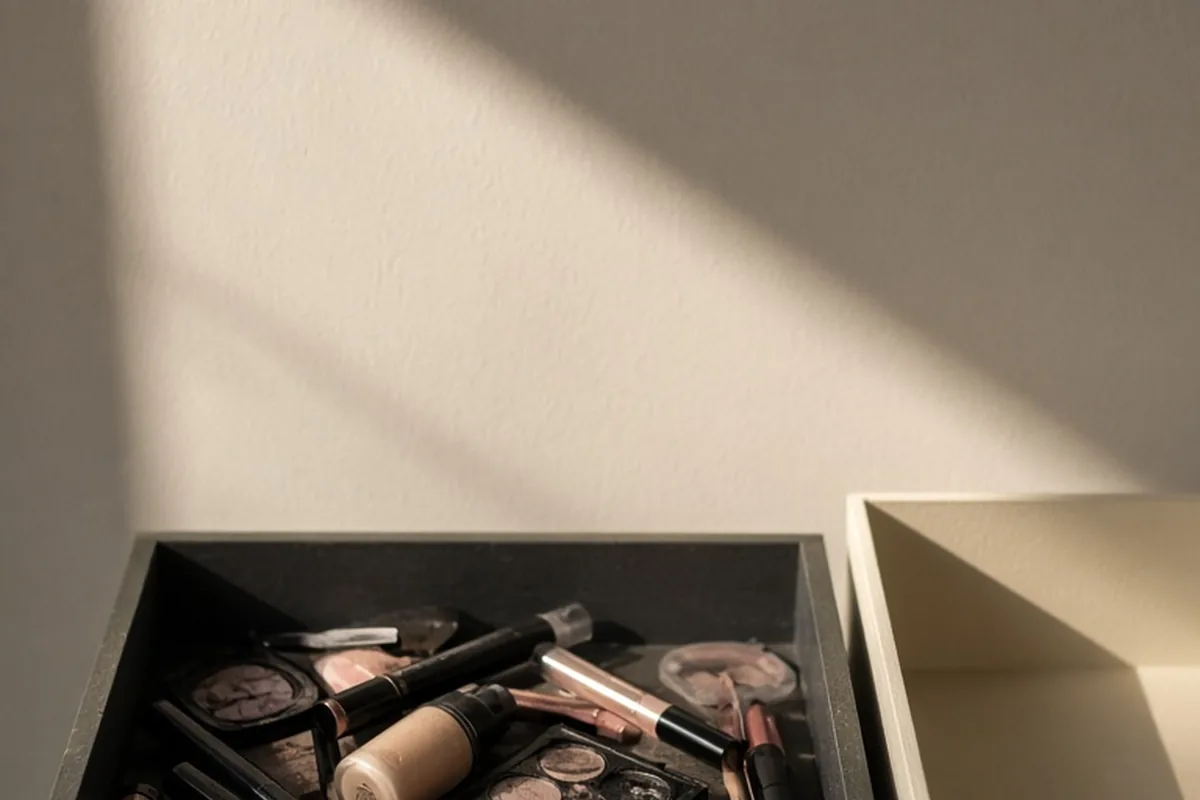
To deal with old cosmetics, sort them into four clear streams: donate unopened items, repurpose clean formulas for creative household uses, recycle empties through dedicated beauty take-back bins, and discard spoiled products in household trash. Avoid washing pigment or oils down the drain. Scrape out residues, wash container parts when required by take-back programs, and deliver complex packaging to specialized cosmetic recyclers.
Most bathroom drawers eventually collect a layer of forgotten lipsticks, separated foundations, and half-used eyeshadow palettes. Letting these products linger takes up physical space, but throwing full containers straight into the garbage creates avoidable environmental waste.
Assessing Cosmetic Safety and Expiration Dates
Before deciding what to do with an older cosmetic item, determine whether the product is still safe for skin application or genuinely spoiled. Most packaged cosmetics include a Period After Opening symbol, represented by an open jar graphic with a number followed by an M, indicating shelf life in months once exposed to air. If you cannot remember when you opened a cream or liquid product and notice any rancid smell, discoloration, watery separation, or gritty texture change, the preservatives have likely degraded. Powder formulas naturally last longer than water-based liquids, but they can still harbor bacteria if exposed to damp bathroom environments over multiple years.
Liquid products used around delicate areas require the strictest caution. Mascara and liquid eyeliners carry a typical lifespan of three to six months because the wand repeatedly transfers external flora back into a dark, moist tube. Liquid foundations, creamy concealers, and water-rich serums generally maintain integrity for six to twelve months. Pressed powders, mineral blushes, and powder eye shadows can often remain functional for two to three years if stored in a cool, dry cabinet away from steam. When inspecting your collection, immediately set aside any product that causes stinging, skin redness, or unusual dryness upon contact.
Repurposing Powder Cosmetics for Crafts and Art
Expired powder cosmetics that are no longer suitable for facial application make vibrant, highly concentrated colorants for home crafts and creative projects. Pressed eyeshadows, loose pigments, highlighters, and shimmer blushes contain fine mineral micas that blend seamlessly into clear binders. If you enjoy painting, you can crush broken or old eyeshadow cakes into a fine powder using the back of a spoon, mix the pigment with clear gum arabic or standard school glue, and create custom shimmering watercolor paints on heavy cardstock.
Mica-heavy highlighters and bronzers can also give new life to household decor and woodworking finishes. Blending powdered bronze or gold highlighter into clear furniture wax or mod podge produces a subtle metallic sheen for photo frames, clay pottery, or holiday ornaments. However, keep in mind that cosmetic powders do not possess the archival lightfastness of professional artist pigments. Over prolonged exposure to direct sunlight, bright cosmetic dyes in your craft projects may gradually fade, so reserve this technique for decorative, non-precious craft items rather than permanent artwork.
Finding New Household Roles for Creams, Balms, and Polishes
Unused or slightly past-their-prime creams and balms can often take on useful maintenance roles around the home where skin sensitivity is not a factor. Clear or neutral lip balms made from beeswax and plant oils function exceptionally well as emergency lubricants. A light swipe of unflavored lip balm can quiet squeaky door hinges, ease stuck metal zippers on winter jackets, or prevent wood drawers from sticking in their tracks. Rich body lotions that you simply disliked the fragrance of can be used to soften and restore dull leather shoes, belts, and handbags.
Old nail polishes represent another versatile household repair tool. A coat of clear nail polish stops small fabric snags or tights runs from expanding, seals frayed ends of synthetic shoelaces, and prevents costume jewelry from tarnishing or leaving green marks on skin. Colored nail polishes work effectively for color-coding identical keys, marking measurement lines on garden tools, or sealing envelopes without licking. Always avoid using heavily separated or rancid oil formulas on porous surfaces like raw wood or light-colored fabrics, as degraded lipids can leave stubborn grease stains that attract dust over time.
Donating Unopened and Lightly Used Products
If you have cosmetics that are entirely unused, sealed, and well within their useful lifespan, donation offers the best route to prevent waste while helping community members in need. Local domestic violence shelters, women's transitional housing centers, and community outreach closets frequently welcome unopened personal care items, moisturizers, deodorants, and basic makeup products. Personal grooming items provide dignity and confidence for individuals preparing for job interviews or rebuilding their lives, yet these facilities rarely receive cosmetic donations compared to basic canned goods.
While most hygiene regulations strictly prohibit charities from accepting opened liquid makeup, mascaras, lip glosses, or jarred creams due to contamination risks, certain organizations accept specific gently used items. Some local community theatre troupes, student film departments, and mortuary science colleges occasionally accept powder-based cosmetics, like eyeshadow palettes and cake foundations, which can be surface-sanitized with seventy percent isopropyl alcohol. Always call the charity or organization directly before dropping off goods to confirm their exact intake policy and avoid burdening staff with items they cannot legally distribute.
Navigating Dedicated Beauty Packaging Recycling Programs
Standard municipal curbside recycling bins are rarely equipped to process cosmetic packaging. Most makeup containers are smaller than two inches, composed of mixed plastic types, or constructed with internal metal springs, mirrors, and magnets that contaminate commercial recycling streams. When tiny lip gloss tubes, pump bottles, and compacts enter standard sorting facilities, automated sorting machinery drops them into the residual landfill bin or jams the mechanical belts. Understanding this limitation prevents the well-intentioned habit of wishcycling.
To properly recycle cosmetic empties, look for specialized take-back drop-off boxes located in many national beauty retailers and department stores. Programs managed by organizations like Pact Collective and TerraCycle collect hard-to-recycle cosmetic components and sort them by resin type to be shredded and remanufactured into industrial goods. Before dropping items into collection bins, remove as much leftover product as possible using a paper towel, wash out water-soluble residues, and detach mirrors or flexible rubber droppers if the program guidelines require component separation.
Disposing of Degraded Formulas Without Harming Plumbing
When an old cosmetic formula is visibly moldy, separated, or past any point of safe reuse, it must be discarded properly. Never pour foundation, cream blush, liquid lipstick, or heavy facial oils down the bathroom sink or toilet. Cosmetic formulas frequently contain silicones, thick waxes, mineral clays, and insoluble pigments that adhere to pipe walls, congeal inside residential plumbing traps, and eventually cause severe pipe clogs. Furthermore, wastewater treatment plants struggle to filter out certain microplastics, colorants, and synthetic fragrances before returning treated water to local watersheds.
The most responsible method for discarding spoiled liquids and creams is to scrape the formula directly into your regular household trash using an old spatula or paper towel. For solid lipsticks, twist the bullet all the way up, snap it off into the trash, and wipe the interior tube clean. Liquid nail polish and aerosol cans require special handling because they contain volatile solvents and propellants classified as household hazardous waste. Check your municipality for local hazardous material drop-off events rather than throwing wet nail polish bottles directly into standard trash bins.
Establishing a Low-Waste Cosmetic Routine Moving Forward
Decluttering existing cosmetic waste provides a valuable baseline for adjusting future shopping and consumption habits. One of the simplest ways to prevent cosmetic buildup is implementing a strict one-in, one-out principle for staple makeup categories like foundation, concealer, mascara, and setting powder. Resisting promotional bundle deals or impulse purchases for duplicate shades of lipstick ensures that every product you own receives regular use before its chemical stability begins to decline.
Another practical step involves labeling new products on the day of opening. Writing the open date or target expiration month on the base of a compact or bottle with a fine-point permanent marker eliminates guesswork months down the road. Whenever available, purchasing travel or mini sizes for specialty items that you use only occasionally, such as bold lip colors or glitter pigments, allows you to enjoy variety without ending up with full-sized bottles that inevitably expire before completion.
Frequently asked questions
Can I sanitize old powder makeup with alcohol to make it last longer?
Spraying a pressed powder with seventy percent isopropyl alcohol can sanitize the surface layer against bacteria, but it will not reverse formula breakdown or degraded binders. Alcohol sanitization works well for maintaining clean powders within their active lifespan, but it cannot restore expired, glazed, or oxidized makeup.
What should I do with clean, empty mascara wands?
Clean mascara wands can be donated to specialized wildlife rehabilitation organizations that use the fine, dense bristles to gently brush fly eggs, larvae, and parasites from bird feathers and small animal fur. Wash the wand thoroughly with warm soapy water until completely free of black pigment before mailing it to an active wand collection drive.
Is it safe to dilute dried-out mascara with water or eye drops?
Adding tap water introduces bacteria directly into the dark tube, while eye drops can alter the preservative balance and destabilize the formula. If a mascara tube dries out before three months, place the sealed tube in a cup of warm water for a few minutes to soften the waxes safely without compromising safety.
Your next step
Gather all your cosmetics in one place today, discard any separated liquids into the trash, wipe the packaging clean, and drop the empty containers at a nearby specialized cosmetic recycling bin.