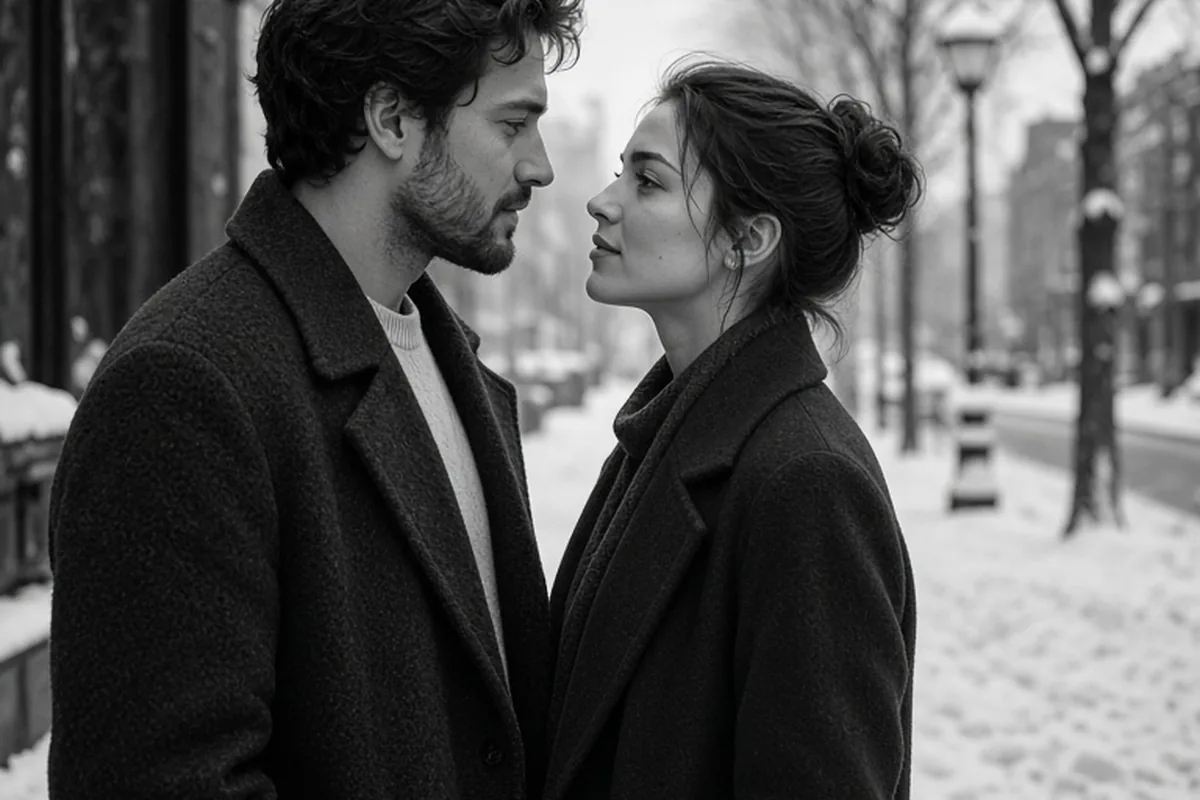
For a first date in winter, wear a tailored mid-weight layer such as a merino wool crewneck or fine-gauge knit, paired with dark jeans or tailored trousers, weather-resistant leather boots, and a structured wool overcoat. Layering lets you shed warmth easily when moving from freezing sidewalks to heated restaurants, ensuring you look put-together, feel comfortable, and avoid overheating.
Dressing for cold-weather dating introduces a unique challenge: you want to look intentional and sharp without shivering on the walk or sweating the moment you step inside a crowded venue. Striking the right balance requires thoughtful fabric choices, functional layering, and footwear that handles winter weather without looking like mountaineering gear.
The Three-Layer Formula for Indoor and Outdoor Comfort
The biggest mistake people make with winter dates is dressing only for the outdoor temperature. While you might spend ten minutes walking from your car or transit stop to the venue, you will likely spend two hours sitting in an indoor environment where the heating is cranked up. If your outfit relies on a single heavy, suffocating sweater over an undershirt, you leave yourself no flexibility when the venue gets warm. A reliable system uses three coordinated layers: a breathable base, an attractive middle layer, and a structured outer layer.
Your base layer should be a clean, fitted cotton crewneck or breathable undershirt that stays hidden. Over that, wear a mid-layer that looks great on its own once your coat comes off—such as a merino wool crewneck, a textured shawl-collar cardigan over an Oxford shirt, or a tailored knit polo. Your outer layer should be a coat that offers wind resistance and insulation. This three-part approach ensures that when you check or hang your coat, your outfit remains complete, flattering, and temperature-regulated throughout the evening.
Choosing Footwear That Handles Slush Without Sacrificing Style
Winter sidewalks are often messy with slush, salt, and wet patches, making standard canvas sneakers or thin-soled dress shoes impractical. Footwear grounds your entire outfit and communicates how well you prepare for your environment. Showing up with soaked socks or slipping on icy pavement creates immediate distraction and discomfort, while wearing bulky snow boots to a quiet cocktail lounge feels out of place.
Opt for treated leather or water-resistant suede boots with a discreet rubber lug sole. Chelsea boots, chukka boots, or clean service-style lace-up boots strike the ideal balance between weather resilience and evening polish. Pair them with mid-weight merino wool socks that provide thermal insulation without crowding your toes. Make sure to wipe salt stains off your leather before leaving home, as clean footwear signals attention to detail without appearing high-maintenance.
Selecting Outerwear That Makes a Strong First Impression
Your coat is the very first piece of clothing your date sees when you meet. A beat-up technical ski jacket designed for the slopes may keep you warm, but it often looks bulky and overly casual for an evening out. Investing in a structured, tailored coat immediately elevates whatever you are wearing underneath, framing your shoulders and creating a clean silhouette.
A wool overcoat, peacoat, or tailored topcoat in neutral tones like charcoal, navy, camel, or black works across almost any setting from casual coffee to upscale dining. If extreme cold or heavy snow demands a down parka, choose a streamlined, minimalist cut in a matte fabric rather than a high-gloss, puffy aesthetic. Ensure the coat is roomy enough across the chest and shoulders to fit comfortably over your mid-layer without pulling or bunching.
Fabric Selection: Achieving Warmth Without Bulky Silhouettes
The secret to looking sharp in cold weather lies in the density and quality of your fabrics rather than their thickness. Cheap synthetic knits often trap body heat and moisture, causing you to feel clammy and hot indoors while failing to block outdoor drafts. Natural fibers, by contrast, offer superior thermoregulation, natural breathability, and rich textures that add depth to simple outfits.
Merino wool, cashmere blends, brushed cotton flannel, corduroy, and heavy twill are staple winter textiles. A fine-gauge merino sweater provides as much warmth as a bulky acrylic knit while maintaining a slim, tailored profile that tucks or sits cleanly at the waist. Similarly, swapping lightweight summer denim for heavier twelve-to-fourteen-ounce denim or wool-flannel trousers adds structure, holds its shape, and blocks wind effectively.
Adapting Your Outfit to the Date Setting
A successful first-date outfit always matches the planned activity. Overdressing for a casual neighborhood pub can make you feel stiff, while underdressing for a reservation-only wine bar can make you seem indifferent. Before finalizing your clothes, confirm the general vibe of the location and check whether you will be spending any portion of the date walking outdoors.
For a low-key coffee or craft beer date, dark-wash jeans, a waffle-knit crewneck or flannel overshirt, and clean leather boots deliver an approachable, relaxed look. For a sit-down dinner or upscale lounge, upgrade to tailored wool trousers, a fine-knit turtleneck or button-down with a merino sweater, and a tailored overcoat. If your plan includes an active outdoor component like a holiday market or light walk, prioritize a windproof coat, thermal socks, and low-profile warm accessories so you can focus on conversation rather than the chill.
Winter Accessories and Grooming Details
Accessories in winter are both functional necessities and opportunities to add subtle color or texture to a dark winter palette. However, wearing too many competing items can create clutter. Aim for cohesive, understated winter accessories that are easy to remove and manage once you sit down at your table.
A soft cashmere or lambswool scarf in a solid shade or subtle plaid, paired with simple leather or wool gloves, keeps you comfortable without fuss. If you wear a beanie to handle the cold, choose a low-profile knit in a solid neutral; be mindful of 'hat hair' if you plan to take it off indoors. Additionally, cold weather often dries out skin and lips. Applying a matte lip balm and a lightweight facial moisturizer before you head out ensures you look fresh and feel comfortable all evening.
Illustrative Scenarios
Navigating the Indoor-Outdoor Temperature Shift
Marcus planned a first date at an artisan pizza restaurant preceded by a fifteen-minute walk through a downtown light display. Expecting freezing winds, he initially considered wearing a heavy thermal undershirt beneath a thick cable-knit turtleneck and a bulky ski parka. Realizing the wood-fired pizza oven would make the dining room warm, he switched his strategy: he wore a breathable cotton crewneck, a lightweight merino wool zip-neck sweater, and a tailored navy wool topcoat with a charcoal cashmere scarf. When they sat down, he smoothly hung his coat and scarf, remaining perfectly comfortable while his date mentioned how warm the dining room felt.
Key point: Smart layering prevents the discomfort of being trapped in heavy winter clothing once seated in an overheated indoor venue.
Choosing Practical Footwear for Winter Conditions
Elena was meeting someone for evening drinks at a rooftop cocktail bar that required walking across a slushy downtown plaza. Her first instinct was to wear sleek, pointed-toe ankle boots with smooth leather soles. Anticipating the slick pavement and standing water near the entrance, she instead opted for dark, treated leather Chelsea boots with low-profile rubber tread and thick wool-blend socks. She navigated the slush effortlessly without slipping or soaking her feet, while the clean silhouette of the boots complemented her dark tailored trousers seamlessly.
Key point: Weather-resistant boots with subtle traction protect against cold slush without sacrificing the refined look of an evening outfit.
Frequently asked questions
Can I wear dark denim on a winter first date?
Yes, clean dark-indigo or black denim is an excellent option for most casual and smart-casual winter dates. Choose a pair with medium-to-heavy weight and a tailored fit, avoiding heavy distressing or fraying to keep the look polished.
What should I do with my coat and accessories once we arrive?
Check your coat if the venue offers a coat check, or fold it neatly over the back of your chair alongside your scarf and gloves. Keeping your bulky outerwear out of your lap or the middle of the table keeps your personal space open and comfortable for conversation.
How do I avoid hat hair if I need to wear a beanie outside?
Apply a small amount of light styling product that can be quickly reshaped with your fingers after you take the hat off. Alternatively, opt for a structured coat with a protective collar and a warm scarf wrapped close to your neck to reduce the need for a tight beanie.
Your next step
Check the venue vibe and the evening forecast 24 hours in advance, then lay out a breathable base, a refined mid-layer knit, and clean, weather-ready boots so you can get dressed without second-guessing your comfort.