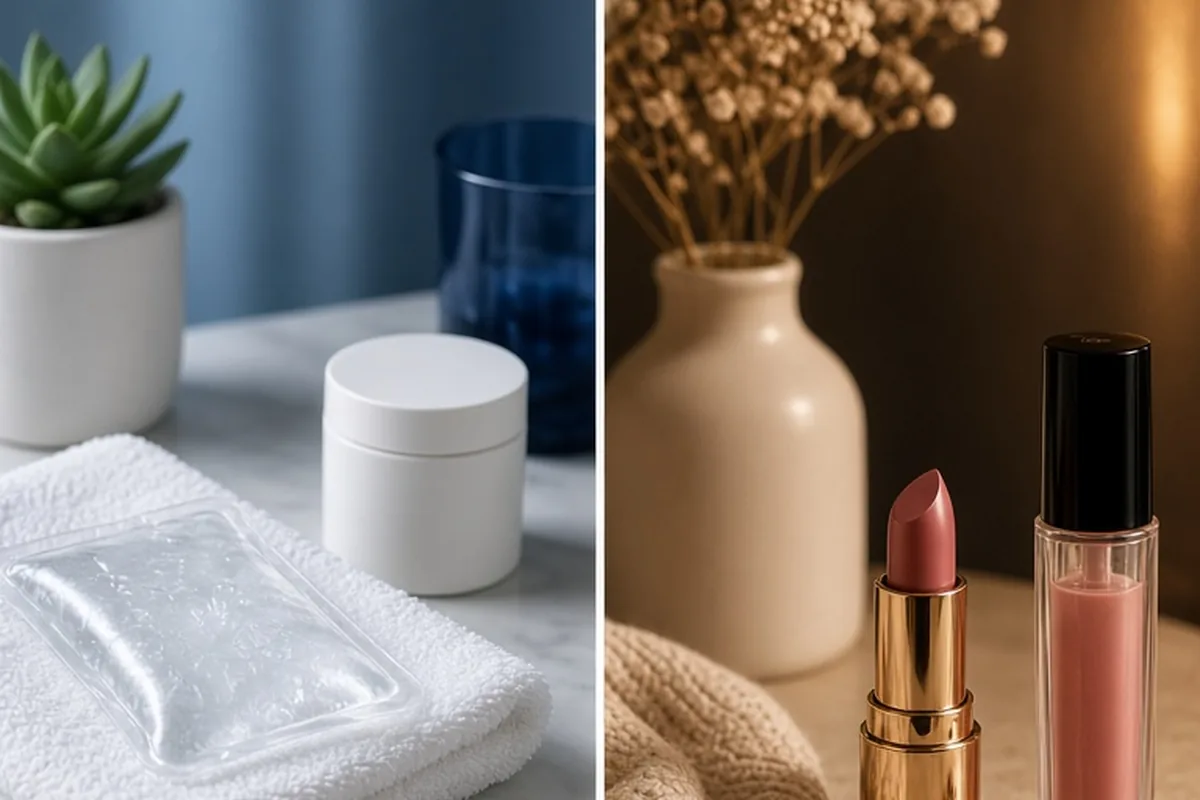
You should generally wait at least 24 to 48 hours before applying any lipstick, lip gloss, or colored balm after getting lip fillers. The injection sites are tiny open micro-punctures that require time to close completely. Applying cosmetic products too early introduces bacteria, causes friction, and places uneven pressure on settling hyaluronic acid, which increases the risk of infection, irritation, and localized swelling.
Receiving lip filler is an exciting aesthetic enhancement, and it is completely natural to want to show off your newly defined shape with your favorite lip color right away. However, the immediate post-treatment period requires a thoughtful balance between enjoying your results and protecting delicate, healing tissue.
The Initial Healing Window and Why Waiting Matters
The primary reason injectors advise waiting at least a full day or two before reaching for lipstick comes down to skin barrier integrity. During a lip augmentation procedure, a needle or cannula penetrates the vermilion border and the mucosal tissue multiple times. Each entry point creates a microscopic puncture wound. Until these micro-punctures seal naturally, they act as direct pathways for environmental impurities and cosmetic ingredients to enter deeper tissue layers.
Beyond the risk of bacterial entry, freshly injected hyaluronic acid gel requires time to integrate smoothly with your natural lip anatomy. In the first 24 to 48 hours, the filler is malleable and the surrounding tissue is actively responding to minor trauma with localized inflammation. Applying direct mechanical pressure, such as dragging a firm lipstick tube across your lips, can displace the product or exacerbate acute swelling.
Waiting the full 48-hour window gives your body the uninterrupted time it needs to initiate the inflammatory healing cascade, close open puncture tracts, and begin stabilizing the dermal filler. Taking this short pause minimizes the likelihood of complications that could compromise your final aesthetic outcome.
Evaluating Lip Formulations from Balms to Matte Liquids
Not all lip products behave the same way on recovering tissue, making formula choice crucial once you pass the initial 48-hour waiting mark. Matte liquid lipsticks and long-wear lip stains are among the most taxing options for healing lips. These formulations typically contain high concentrations of volatile alcohols and film-forming polymers designed to dry down completely, which can sap moisture from already sensitive lips and create tension across recovering puncture marks.
Traditional creamy bullet lipsticks and nourishing, non-sticky glosses are significantly gentler options for your first post-treatment application. They provide a protective emollient layer that glides across the skin with minimal friction. Look for simple, hydrating ingredients like shea butter, squalane, or pure botanical oils that condition the surface without irritating freshly treated skin.
Plumping glosses and abrasive exfoliating scrubs represent the highest risk category and should be avoided for at least one to two weeks. Plumpers rely on mild irritants such as capsaicin, cinnamon extract, or menthol to induce micro-inflammation and swelling, which can trigger intense stinging, contact dermatitis, or erratic swelling on freshly injected lips. Exfoliants, whether physical sugar scrubs or chemical acids, can disrupt closing puncture sites and tear delicate healing skin.
Hygienic Application Practices to Prevent Infection
Even when your lips have passed the 48-hour threshold, the tools and methods you use to apply cosmetic products play a major role in your recovery. Traditional lipstick bullets, lip gloss wands, and potted balms frequently harbor residual bacteria from previous uses. Dipping an applicator back and forth between a used cosmetic tube and sensitive, healing tissue creates an unnecessary contamination risk.
To apply color safely, start by thoroughly washing your hands with soap and water. If possible, use a brand-new lipstick or sanitize the top layer of an existing bullet by shaving off a thin sliver with a clean blade or wiping it down with a sterile alcohol wipe and letting it dry completely. Instead of applying product directly from the tube, scrape a small amount onto the clean back of your hand or a sanitized palette and use a disposable cotton applicator or a freshly washed lip brush.
Technique matters just as much as sanitation. Apply your chosen color using light, gentle tapping motions rather than firm swiping or rubbing. Avoid the natural reflex to aggressively rub your lips together to distribute the pigment. Smacking or compressing your lips exerts localized force that can feel tender and place uneven pressure on settling dermal filler.
Managing Swelling and Bruising Without Heavy Camouflage
It is very common to experience mild to moderate swelling, tenderness, and minor bruising in the days immediately following a lip enhancement. While your initial impulse might be to apply thick concealer, color corrector, or opaque lipstick to mask discoloration, heavy layers of makeup can highlight surface dryness and trap debris around recovering injection sites.
If you have noticeable bruising along the border of the lips, consider spot-correcting the surrounding facial skin while keeping the vermilion mucosal tissue relatively bare. A gentle, mineral-based concealer applied lightly with a clean brush around the outer perioral perimeter can soften the appearance of bruising without interfering with healing lip punctures.
Equally important is staying vigilant about the appearance of your lips under any cosmetic layer. Thick, highly pigmented makeup can mask subtle changes in tissue color. If you notice unusual white blanching, dark purple mottling, or severe localized heat, you must be able to inspect the skin clearly. Leaving the lips natural or wearing a sheer, transparent balm ensures you can monitor normal healing without obscuring potential warning signs.
Safe Cleansing and Product Removal Routines
Applying lipstick is only half the equation; removing it at the end of the day requires equal care. Aggressive wiping, scrubbing with rough cotton rounds, or using harsh makeup wipes can disrupt sensitive tissue, pull at delicate skin, and cause unnecessary irritation around injection tracts.
When you are ready to remove lip makeup, opt for a fragrance-free micellar water or a gentle, emulsifying cleansing oil. Saturate a soft cotton pad with product and press it lightly against your lips for five to ten seconds, allowing the cleanser to dissolve the pigment before gently gliding the pad away without friction or pulling. Rinse thoroughly with lukewarm water rather than hot water, which can exacerbate swelling.
After cleansing, pat the lips dry with a clean paper towel or a freshly laundered hand towel. Finish your evening routine by applying a plain, clinic-approved ointment or pure medical-grade petroleum jelly to lock in moisture overnight. Keeping the barrier hydrated supports tissue recovery and keeps your lips supple as residual swelling gradually resolves.
Planning Your Lip Makeup for Special Occasions and Events
Many people choose to get lip fillers in anticipation of major milestones such as weddings, vacations, professional photoshoots, or formal parties. However, timing your appointment too close to an important date can create stress if you are relying on heavy, long-wearing lip cosmetics to complete your look.
To ensure you can wear any lipstick formula comfortably and confidently, schedule your filler appointment at least two to three weeks before your event. This buffer period allows initial swelling and bruising to subside completely, lets the hyaluronic acid integrate fully into your tissue, and leaves time for any minor follow-up assessments with your provider.
If you are working with a professional makeup artist for an upcoming event, inform them in advance that you have recently had lip fillers. Request that they use sanitized brushes or disposable applicators, avoid aggressive lip exfoliators during skin preparation, and apply lip color with a gentle tapping technique rather than firm pressure.
Troubleshooting Accidental Early Application
If you forgot the post-treatment guidance and applied lipstick or gloss shortly after your appointment, try not to panic. A single accidental application does not guarantee an adverse reaction, but it does call for calm, prompt corrective action.
Immediately wash your hands and gently cleanse the product from your lips using lukewarm water and a mild, fragrance-free cleanser, taking care to dab rather than scrub. Once clean, pat the area dry and apply a thin layer of plain healing ointment to protect the skin barrier.
Over the next 48 to 72 hours, keep a close eye on your lips for any signs of irritation or infection. Normal recovery involves mild, symmetrical swelling and tender bruising that gradually improves. If you develop increasing pain, asymmetric throbbing, localized warmth, persistent redness spreading beyond the lip border, or small pustules near injection sites, reach out to your treating clinician promptly for guidance.
Frequently asked questions
Can I use tinted lip balm instead of regular lipstick after 24 hours?
A gentle, hydrating tinted balm is acceptable after 24 to 48 hours if it is applied with clean hands or a disposable applicator. Ensure the formula is free from plumping agents, strong fragrances, or exfoliating acids that could irritate closing micro-punctures.
Is it safe to wear lip liner when I start using lipstick again?
You can reintroduce lip liner after 48 hours, provided you use a soft, creamy pencil that glides without tugging. Avoid stiff or dried-out pencils that require firm pressure along the vermilion border, as excessive force can irritate healing injection points.
How long should I wait before using a lip scrub or exfoliator?
You should wait at least one to two weeks before using any physical lip scrub or chemical exfoliant. Using scrubs too early can reopen healing puncture marks, aggravate swelling, and cause surface tearing on delicate, recovering tissue.
Can wearing matte lipstick ruin my lip filler results?
Matte lipstick will not permanently ruin your dermal filler, but wearing it during the first few days can cause excessive dryness and require harsh rubbing to remove. Waiting several days until swelling has resolved protects your comfort and keeps the skin barrier healthy.
Your next step
Check your calendar and plan to leave your lips completely bare of makeup for at least 24 to 48 hours following your appointment, relying solely on clean, injector-approved healing balm until your skin has safely closed.