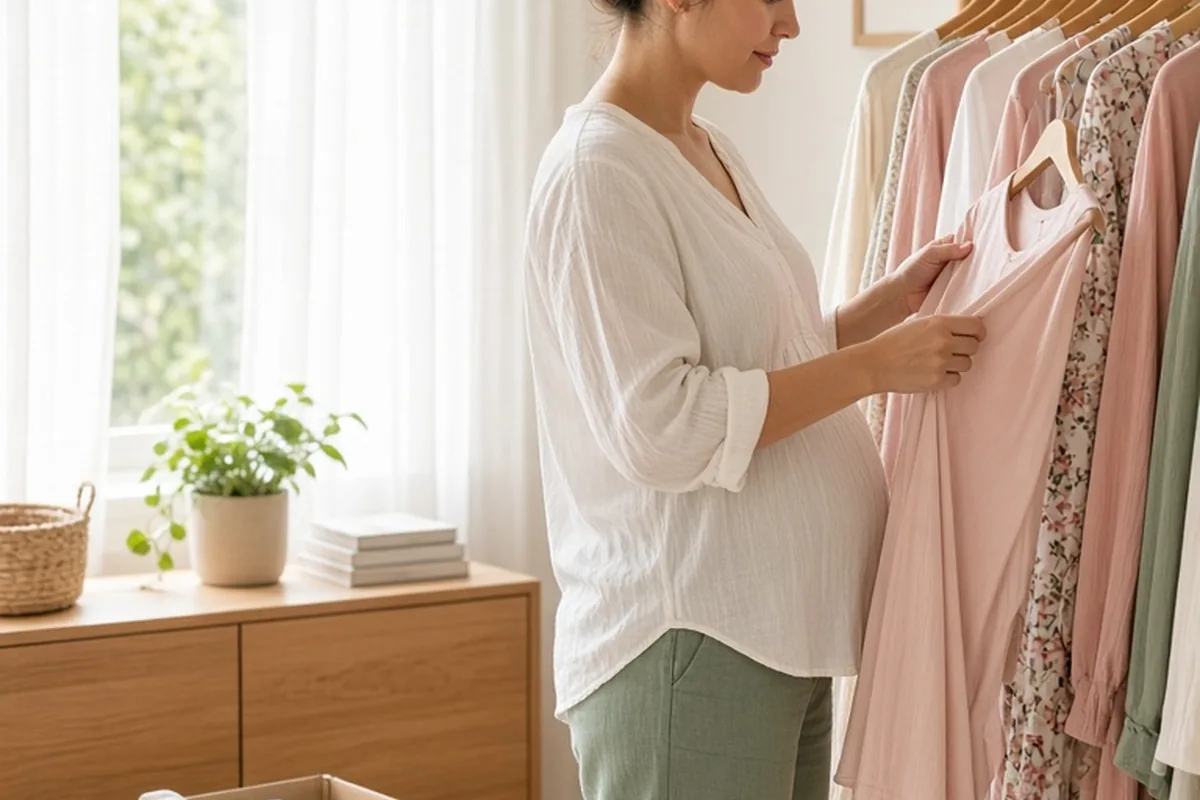
You can donate maternity clothes to local women's shelters, community pregnancy resource centers, non-profit baby banks, and thrift stores run by charitable organizations. Mutual aid networks, online parenting swap groups, and hospital community closets also frequently accept gently used maternity wear. Calling ahead to confirm specific sizing and seasonal needs helps ensure your items directly reach expectant parents who need them most.
Maternity wear serves an essential purpose for a relatively short window of time, leaving many parents with closets full of comfortable, high-quality garments in great condition. Passing these pieces along reduces textile waste and provides vital support to growing families navigating tight budgets.
Local Women's Shelters and Domestic Violence Support Centers
Women's shelters and transitional housing programs provide emergency shelter and long-term stabilization for women and children escaping crisis, homelessness, or domestic violence. When pregnant individuals enter a shelter, they often arrive with very few personal belongings and limited access to adaptive, comfortable clothing that fits a changing body. Donating supportive, everyday essentials directly restores dignity and daily comfort during a stressful life transition.
To make a meaningful contribution, focus on durable, practical items such as maternity leggings, soft nursing-friendly tops, stretchy loungewear, and weather-appropriate outerwear. Because many emergency shelters maintain confidential locations to protect resident safety, donation drop-offs are typically coordinated through an administrative office, community outreach center, or scheduled donation hub. Calling ahead is essential, as storage space in shelter facilities can be limited, and staff can tell you whether they have an immediate need for specific sizes or cold-weather gear.
- Over-the-belly leggings and elastic-waist joggers
- Nursing tops, tank tops, and layering cardigans
- Maternity winter coats, jackets, and wrap sweaters
- Comfortable flat slip-on shoes and supportive loungewear
Non-Profit Baby Banks and Family Resource Hubs
Baby banks and community diaper pantries specialize in supplying lower-income families with essential baby gear, but many also maintain dedicated parent closets. These organizations recognize that keeping expectant parents clothed in comfortable, appropriate attire is an integral part of family wellness. When parents do not have to spend scarce household funds on temporary maternity garments, they can redirect those financial resources toward infant nutrition, nursery essentials, and medical care.
Baby banks often distribute clothing in curated bundles based on upcoming due dates and sizing requests. A major advantage of donating to a baby bank is their tailored distribution model, which ensures that a pair of professional maternity slacks or a supportive belly band goes straight to an expectant parent who requested that exact item. However, these hubs are often run by small volunteer teams with designated intake days, so checking their drop-off schedule or donation guidelines on their website prevents unexpected delivery delays.
Community Pregnancy Centers and Hospital Outreach Closets
Community health clinics, prenatal outreach initiatives, and social work departments within municipal hospitals frequently keep emergency supply closets for patients in need. Social workers and nurse navigators use these resources to assist pregnant patients who attend prenatal checkups without access to adequate clothing for different stages of gestation. Supplying these closets directly equips healthcare professionals with resources to help their patients immediately.
These healthcare-affiliated programs particularly appreciate functional everyday basics, comfortable sleepwear, and professional clothing suitable for work or medical appointments. A trade-off with clinical donation closets is that they may lack dedicated laundry facilities on-site, meaning they strictly require items to arrive freshly washed, neatly folded, and sorted by size. Reaching out to the volunteer services or social work department of your local public hospital can quickly reveal their current intake policies.
Grassroots Mutual Aid Networks and Direct-to-Parent Swaps
Grassroots neighborhood networks, Buy Nothing groups, and local parenting forums offer a direct path to pass maternity clothing from one home to another without administrative overhead. By posting clear photos and size descriptions in a neighborhood group, you can connect directly with an expectant neighbor who can use the entire wardrobe lot. This peer-to-peer approach fosters community connection and keeps clothing in active circulation within your immediate area.
Direct gifting allows you to pass along specialized items that traditional charities might not accept, such as opened multipacks of unworn disposable postpartum underwear, belly support bands, or nursing sleep bras. The main trade-off of peer-to-peer gifting is the time commitment required to photograph items, respond to messages, and coordinate contactless porch pick-ups or drop-offs. If you prefer to donate a large volume of clothing all at once rather than coordinating individual pickups, an established non-profit may be a more convenient route.
Charitable Thrift Organizations and Resale Consignment
Large charitable thrift organizations, such as those supporting veterans, local hospice care, or job training programs, accept a wide spectrum of adult apparel, including maternity wear. Many of these organizations provide low-income community members with clothing vouchers, allowing parents to shop for items that match their personal taste, sizing, and style preferences with autonomy. Proceeds from items sold in their stores also fund community-based assistance programs.
One consideration when donating to large thrift stores is that maternity clothing can sometimes become mixed in with general women's apparel racks if sorting staff do not separate it. To help your donation reach its intended audience, consider labeling the storage bag clearly as maternity wear. Alternatively, if you own high-end or designer maternity pieces, you can explore selling them through a local maternity consignment boutique or online resale platform and donating the cash proceeds directly to a charity of your choice.
How to Prepare and Sort Maternity Clothes Before Donating
Preparing your items thoroughly ensures that donation coordinators can distribute them immediately without spending limited volunteer hours washing, sorting, or mending. Start by inspecting each garment under good lighting to check for common wear issues, such as stretched-out belly elastic, broken side zippers, missing buttons, or underarm discoloration. Laundering the clothing with a gentle, unscented detergent is recommended, as many expectant parents and newborns are sensitive to strong synthetic fragrances.
Organizing garments by size and season makes a substantial difference for donation intake teams. Group items into clear categories, such as first-trimester basics, late-pregnancy essentials, nursing wear, or professional workwear, and place them in labeled bags or boxes marked clearly with the size range. Taking a few minutes to bundle matching sets together—like a maternity cardigan with its coordinating tank—ensures the pieces stay together during sorting and distribution.
- Check all seams, zippers, snaps, and panel elastic for elasticity and function
- Wash with hypoallergenic, fragrance-free detergent and dry completely
- Separate items by size, such as Small, Medium, Large, or numeric sizing
- Label bags clearly with masking tape indicating 'Maternity' and the exact sizes inside
Frequently asked questions
Can I donate used nursing bras and postpartum recovery items?
Most community organizations accept gently used, freshly laundered nursing bras and tops that are in good condition without visible staining. Postpartum recovery items like belly wraps or ice packs are generally accepted if they are washable or brand-new in original packaging. However, opened disposable underwear and personal hygiene products are usually restricted due to health regulations.
What should I do with stained or worn maternity clothes that cannot be donated?
Garments with frayed elastic, broken closures, or stubborn stains should not be sent to shelters or baby banks, as these facilities lack the resources to repair them. Instead, you can drop these worn textiles off at dedicated fabric recycling bins or participating retail clothing take-back programs that repurpose fibers into insulation or industrial materials.
Are maternity clothing donations eligible for a charitable tax deduction?
Donations made to registered 501(c)(3) non-profit organizations, including charitable thrift stores, shelters, and baby banks, are generally eligible for a tax deduction based on fair market value. Make sure to request a dated donation receipt at drop-off and maintain an itemized list of the pieces you contributed for your personal tax records.
Your next step
Sort your maternity clothing by size and season, then contact a local family shelter or community baby bank this week to confirm their current donation drop-off hours.