You can sell makeup online through peer-to-peer resale marketplaces like Mercari, Poshmark, and eBay, dedicated beauty buy-and-sell communities such as Reddit's MakeupExchange, or local pickup apps like Facebook Marketplace. The right choice depends on product condition, because most general platforms strictly require items to be brand-new, unopened, and sealed for sanitation reasons, whereas specialized forums occasionally permit sanitized, swatched powders.
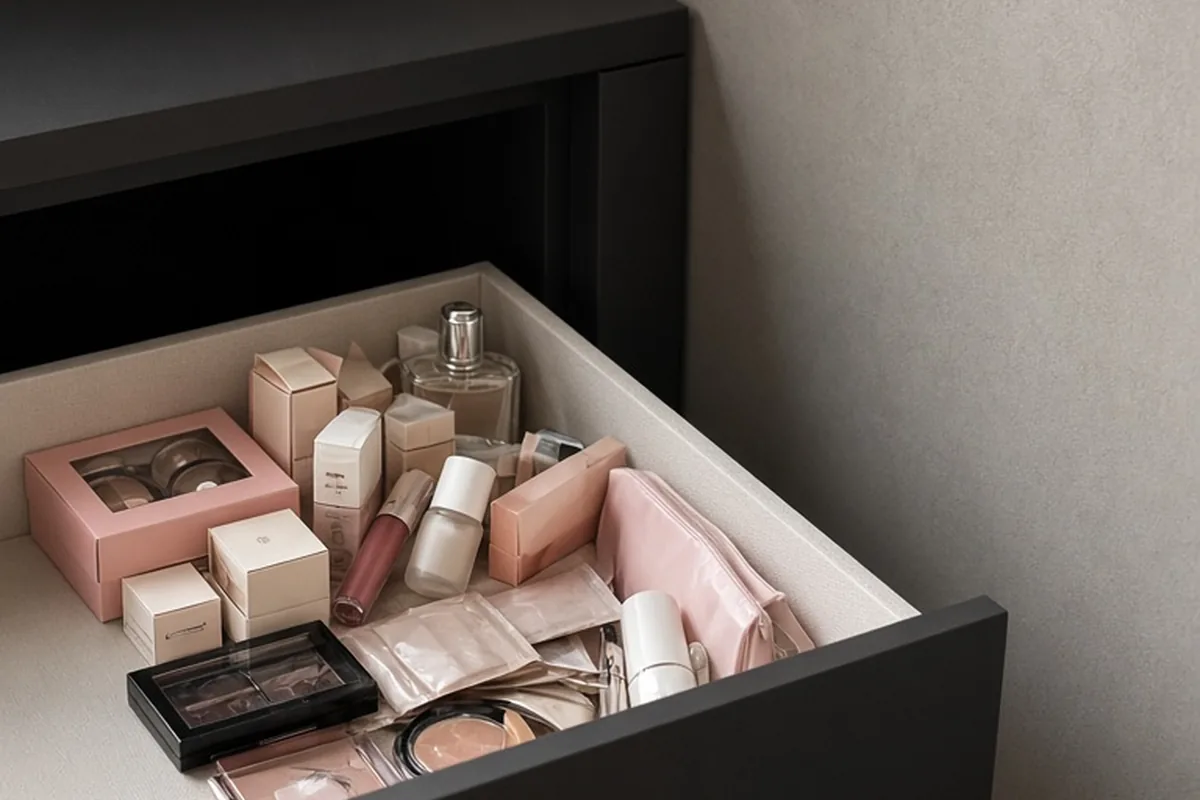
Unopened beauty purchases, duplicate gift sets, and unused subscription box samples frequently accumulate in vanity drawers, taking up valuable space while their shelf lives quietly tick away. Choosing the right online channel lets you recover a meaningful portion of your original investment while finding a new home for high-quality cosmetics.
General Resale Marketplaces with Active Beauty Buyers
Mainstream resale apps provide the largest built-in audience of buyers actively searching for cosmetics. Platforms like Mercari and Poshmark have dedicated beauty categories where users browse everything from luxury foundation shades to limited-edition eyeshadow palettes. Mercari is particularly popular for individual item listings and mini sizes because its listing process is streamlined, allowing sellers to enter brand names, shade details, and condition tags within minutes. Poshmark functions on a social-selling model where sharing listings boosts visibility, and its flat-rate shipping model encourages buyers to bundle multiple beauty products from a single seller's closet to save on delivery costs.
When selling on these platforms, sellers must account for marketplace commission structures and standard shipping requirements. Poshmark charges a straightforward percentage fee on higher-value sales, while Mercari utilizes flexible marketplace fees that can fluctuate depending on transaction specifics. eBay offers an even broader global reach, making it well-suited for vintage, discontinued, or rare collector cosmetics that command niche demand. The trade-off across all general marketplaces is strict adherence to hygiene standards; listings that do not clearly demonstrate factory packaging or tamper seals risk cancellation by platform moderators.
Community-Driven Forums and Enthusiast Exchanges
Dedicated beauty communities offer an alternative to automated marketplaces by connecting sellers directly with knowledgeable makeup collectors. The most prominent example is Reddit's MakeupExchange community, alongside specialized Facebook enthusiast groups centered on indie cosmetics, luxury beauty, or specific designer brands. These spaces operate on peer-to-peer trust, clear community guidelines, and direct invoicing through secure payment processors such as PayPal Goods and Services. Because members are makeup enthusiasts, they often look for hard-to-find shade variants, discontinued formulas, or specific brush collections that general shoppers might overlook.
A major advantage of community exchanges is flexibility regarding item condition. While commercial apps almost universally forbid opened cosmetics, enthusiast forums often permit sanitized, lightly swatched powder products if the usage level is fully disclosed. However, direct selling requires more hands-on effort from the seller. You must manually calculate postal rates, purchase your own packaging supplies, generate shipping labels, and manage buyer inquiries without an overarching platform mediator stepping in to automate customer service.
Local Selling Apps for Bundles and Fragile Liquids
Local classified applications such as Facebook Marketplace and OfferUp work exceptionally well when you want to avoid postal logistics altogether. Selling locally is ideal for large vanity cleanouts, bulky skincare bottles, heavy glass foundations, or full makeup organizer sets where shipping fees would exceed the product's resale value. Local transactions allow you to receive immediate payment upon exchange without waiting for postal tracking updates or platform payout processing periods.
The primary drawback of local selling is a smaller, geographically restricted buyer pool that may not appreciate the value of high-end cosmetic brands. Local buyers frequently seek deep bargains and may attempt to negotiate prices aggressively. Additionally, local transactions require coordinating in-person meetups in safe public locations, managing potential no-shows, and handling cash or digital peer-to-peer transfers responsibly.
Sanitation Standards and Platform Condition Restrictions
Understanding condition guidelines is essential before listing any cosmetic item for sale. Major retail marketplaces strictly classify permitted beauty products as Brand New in Box (BNIB) or Brand New Never Used (BNNU). Liquid products with built-in applicators, such as lip glosses, liquid lipsticks, concealers, and mascaras, should never be sold once opened because exposure to air and skin introduces bacteria that cannot be sterilized. Similarly, products with integrated pumps or droppers must remain untampered with to ensure buyer safety.
For pressed powder cosmetics like eyeshadows, highlighters, and blushes, community platforms may allow sales if the product has only been gently tested with a clean brush or sanitized with cosmetic-grade alcohol spray. Always check the batch code on the bottom of the container to verify that the product is fresh and within its usable shelf life. Attempting to sell expired products, counterfeit items, or unhygienic cosmetics can lead to immediate account bans and payment disputes.
Strategic Pricing for Fast and Profitable Sales
Pricing cosmetics accurately requires balancing current retail value, product availability, and market demand. Start by researching completed or sold listings rather than active asking prices on your chosen platform. Standard retail cosmetics currently in production generally sell best when priced between 30 and 50 percent below their original retail price, depending on whether the outer box is intact. High-end luxury brands like Natasha Denona, Pat McGrath Labs, and Charlotte Tilbury retain value better than everyday drugstore brands, which are rarely economical to sell individually.
Bundling is an effective method for selling lower-priced items, sample sizes, and gift-with-purchase minis. Grouping complementary products together—such as a lip liner, lipstick, and gloss in matching tones, or a complete travel skincare set—creates an attractive package deal that justifies shipping costs for the buyer. Conversely, discontinued cult-favorite palettes or limited-edition collaborations in pristine condition can often be priced close to or above their original retail value if demand outstrips supply.
Creating Listings That Reassure Cautious Beauty Shoppers
Because counterfeit cosmetics and used items are widespread online, clear and detailed listing presentation directly impacts how quickly your items sell. Capture photos in clean, bright natural daylight against a neutral background. Include high-resolution close-ups of the product pan, the outer box, the barcode, and the manufacturer batch code stamped on the packaging. Photographing the intact factory seal or safety sticker provides immediate proof that the formula has never been sampled or exposed to air.
In your written description, state the exact official shade name, product volume in ounces or milliliters, and the purchase origin if known. Be transparent about storage conditions, such as confirming that products were kept in a cool, dry closet away from bathroom humidity and direct sunlight. Thorough descriptions reduce buyer hesitation and significantly minimize the likelihood of post-sale questions or return requests.
Packaging and Shipping Fragile Cosmetics Securely
Cosmetic items are inherently delicate and require deliberate packaging to survive sorting machines and transit handling. Pressed powder pans can easily shatter under pressure, while liquid bottles can leak if exposed to atmospheric changes. Wrap each individual compact in multiple layers of small-cell bubble wrap, securing the edges with tape. When shipping palettes, place an extra square of bubble wrap or clean foam directly over the powder pans before closing the lid to prevent the powders from shifting during transit.
Always choose rigid cardboard boxes rather than soft poly mailers or padded envelopes for fragile beauty items. Fill all empty interior space with packing paper or air pillows so the product cannot slide around inside the package. For liquid products, tighten caps firmly, secure them with a small strip of painter's tape, and place each container inside a sealed zip-top plastic bag to contain any accidental leakage caused by pressure variations.
Illustrative Scenarios
Deciding Between Marketplace Bundling and Direct Single Listings
A seller had five unused mini lipsticks and two full-size eyeshadow palettes from recent beauty subscription boxes. Listing the mini lipsticks individually on a fashion marketplace with high flat shipping fees attracted little interest because the delivery cost exceeded the value of a single lipstick. The seller regrouped the items into two curated bundles—one containing the palettes and the other combining the lipsticks by color family—and listed them on a general resale app with competitive bundle pricing.
Key point: Grouping lower-value cosmetics into cohesive bundles makes listings far more appealing to buyers who want to maximize their shipping cost.
Frequently asked questions
Can I legally sell opened or swatched makeup online?
While it is not illegal to resell personal property, most major commercial platforms strictly prohibit opened or tested cosmetics in their terms of service to protect consumer health. Specialized community forums like Reddit's MakeupExchange occasionally permit swatched powders if fully disclosed and sanitized, but opened liquids and creams are universally rejected.
How do I prove my high-end makeup is authentic?
Provide clear photographs of the batch code on both the box and container, along with close-ups of embossed logos, barcodes, and authentic packaging details. Sharing an original order confirmation or store receipt with personal information redacted also builds strong buyer confidence.
Where can I find the expiration date or batch code on makeup?
Cosmetic manufacturers typically stamp a three- to six-character alphanumeric batch code on the bottom of the container and on the outer carton. You can also look for the Period After Opening symbol, which resembles an open jar with a number and letter indicating how many months the product remains stable once opened.
Is it worth selling drugstore makeup online?
Selling single drugstore cosmetics individually is rarely profitable due to platform fees and postage costs. However, selling drugstore items in themed multi-piece lots or mystery bundles can help you recover some cost while clearing vanity space.
Your next step
Sort your unused beauty products by condition and brand, photograph their batch codes in natural light, and list your first bundle on a high-traffic resale platform to begin clearing your collection.