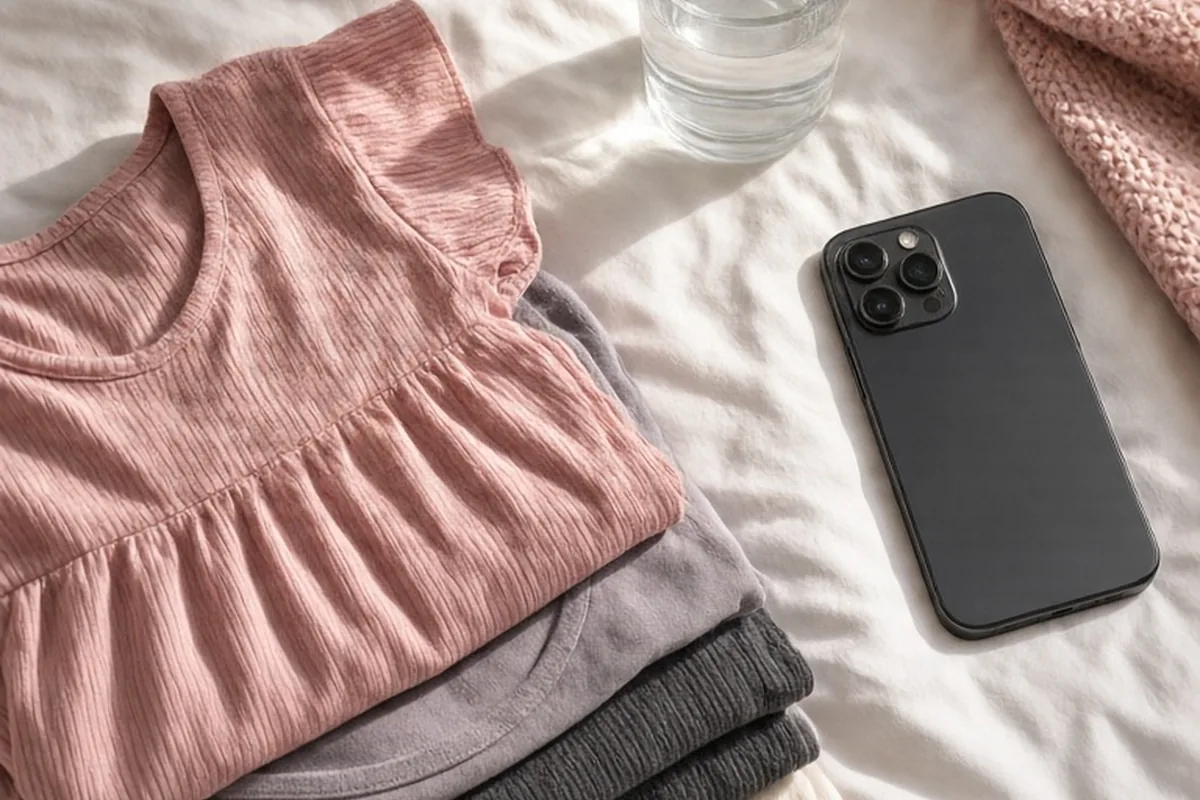
You can sell maternity clothes through peer-to-peer online marketplaces like Poshmark, eBay, and Mercari for the highest payouts, or use consignment services like thredUP for convenience. Locally, check children's and maternity resale shops such as Once Upon a Child or Kid to Kid, or list bundles on Facebook Marketplace to skip shipping fees and earn cash quickly.
Because maternity wear is typically worn for only a few months, most pieces retain significant structural integrity and aesthetic appeal long after delivery. Transitioning these garments out of your closet not only clears space in your home but also allows you to recoup a meaningful portion of your original wardrobe investment.
Direct Resale Marketplaces for Premium and Designer Pieces
Online peer-to-peer resale platforms like Poshmark, Mercari, and eBay offer sellers the greatest direct control over listing prices and ultimate profit margins. On these platforms, you create your own listings, take your own photos, interact directly with potential buyers, and handle packaging once an item sells. This hands-on model works best for recognizable mid-to-high-end maternity labels such as Hatch Collection, Seraphine, Isabella Oliver, Paige Maternity, or specialized nursing pieces from brands like Kindred Bravely.
When using peer-to-peer apps, success hinges on accurate descriptions and search visibility. Buyers searching for maternity items are often looking for specific structural features, such as over-the-belly panels, discreet nursing zippers, or adjustable side ruching. Clearly stating the pre-pregnancy size, fabric composition, and specific functional details helps reduce buyer hesitation. The main trade-off of this route is the time investment required: you must photograph each piece in natural light, store inventory until it sells, answer buyer inquiries promptly, and pay platform commission fees that generally range from ten to twenty percent of the sale price.
Hands-Off Online Consignment Services for Low-Effort Purging
If you lack the time to photograph garments and manage shipping labels individually, managed online consignment services like thredUP offer a streamlined alternative. With this method, you request a prepaid shipping bag or label, pack your clean maternity garments, and send them directly to a processing facility. The company inspects, photographs, lists, and ships the items to buyers on your behalf, paying you a percentage of the final sale price once an item finds a new owner.
While consignment provides unmatched convenience for busy parents, it comes with distinct financial and policy trade-offs. Consignment companies accept items selectively based on seasonal demand, current warehouse inventory, and brand popularity, which means some submitted pieces may be rejected or recycled rather than listed. Furthermore, payout percentages are significantly lower than direct peer-to-peer sales, often yielding between five and thirty percent for standard mall brands. Consignment works best for parents who prioritize reclaiming closet space immediately over maximizing individual dollar returns.
Local Resale and Children's Consignment Boutiques
Brick-and-mortar resale shops offer the distinct advantage of immediate payment without the ongoing hassle of packing envelopes or waiting for listings to attract online interest. While dedicated adult resale chains like Plato's Closet or Clothes Mentor occasionally accept select contemporary maternity styles, family-focused resale franchises such as Once Upon a Child, Kid to Kid, and independent local baby boutiques frequently stock dedicated maternity racks for expectant parents.
When selling to a local store, you bring your clean, folded, or hung garments to the counter for an on-the-spot assessment by a buyer. If accepted, the store typically offers either instant cash or a slightly higher store credit balance, which can be useful if you need baby clothing or toddler gear. The limitation of local buy-out shops is that they purchase inventory at wholesale resale rates, typically offering twenty to thirty-five percent of what they plan to price the item on their retail floor. Items with minor wash wear, missing brand tags, or outdated silhouettes are routinely declined.
Local Community Marketplaces for High-Volume Basics
Neighborhood-focused platforms such as Facebook Marketplace, Nextdoor, and local parent buy-and-sell groups excel at moving large quantities of everyday basics that would be unprofitable to ship individually. Everyday items like cotton maternity tees, basic belly-band leggings, sleep bras, and casual tank tops from brands like Old Navy, Target's Isabel Maternity, or Motherhood Maternity move very quickly when grouped together into organized bundles.
To attract local buyers, group your items by pre-pregnancy size and season, listing them as a single lot at an accessible bundle price. For example, a single listing offering five pairs of size medium over-belly leggings and four basic nursing tops for a flat sum saves you from coordinating multiple transactions while providing immense practical value to an expectant parent on a budget. When arranging local sales, prioritize safety by scheduling meetups in well-lit public locations or using contact-free porch pickup with digital payment options.
Brand Trade-In Programs and Circular Fashion Initiatives
An increasing number of maternity apparel brands and modern clothing retailers are introducing internal buy-back and trade-in initiatives to promote circular fashion. Retailers like Madewell, H&M, and select specialized maternity designers partner with textile recyclers or resale facilitators to accept their own gently used clothing in exchange for direct store discounts, loyalty points, or gift cards.
While brand trade-in programs do not always put liquid cash directly into your bank account, they provide reliable store credit with very little friction. If you plan to update your post-maternity or nursing wardrobe with the same retailer, these programs can significantly offset the cost of new everyday staples. Review the specific brand terms before shipping, as some trade-in programs only accept garments from their own label, while others offer broad credit for any brand of clean denim or cotton basics.
How to Prepare and Present Maternity Wear to Sell Faster
The condition and presentation of your clothing directly influence how quickly items sell and the final price buyers are willing to pay. Maternity clothes undergo significant stretching and frequent washing, so buyers are especially attentive to fabric integrity around the belly band, seams, and neckline. Taking a small amount of time to prepare your garments can significantly elevate their perceived value across both online platforms and local consignment counters.
Before listing or presenting your items, ensure every piece is freshly laundered, free of detergent odors, and completely dry. Using a handheld fabric shaver to remove light pilling from inner thighs, nursing panels, and knit sweaters makes an immediate visual difference. When photographing pieces for online sales, hang the garments against a plain, well-lit wall rather than laying them flat on carpeting. Clear, close-up photos of the fabric tag, size label, and any adjustable waistband mechanisms give buyers confidence that the garment will fit comfortably throughout their pregnancy.
- Launder and steam garments to remove deep storage wrinkles and odors.
- Check elastic belly panels to confirm they still stretch and recover without sagging.
- Take clear photos showing the front, back, interior brand tag, and functional closures.
- Highlight special functional attributes in your description, such as hidden nursing clips or postpartum support.
Pricing Strategies and Understanding Platform Fee Structures
Setting realistic prices requires balancing your desired profit against the buyer's expectation of secondhand savings. A reliable guideline for secondhand maternity clothing is to list premium items in excellent condition at forty to fifty percent of their original retail price, while standard mall-brand staples generally sell best at twenty to thirty percent of original retail. If an item is brand new with tags attached, you can often price it slightly higher, around sixty percent of retail.
Always account for platform fees and shipping costs when calculating your net payout. Online marketplaces typically deduct a percentage fee or flat transaction charge on every completed sale, and high shipping fees can deter prospective buyers if an item is priced too close to retail. If an item sits unviewed or unpurchased for more than three weeks, consider dropping the price incrementally by ten to fifteen percent or regrouping the piece into a multi-item lot to renew buyer interest.
Frequently asked questions
Which maternity clothing items have the highest resale value?
Designer maternity dresses, premium over-belly denim, tailored professional blazers, and high-support postpartum nursing bras generally hold the highest resale value. Brands with dedicated followings, such as Hatch, Seraphine, and Paige, tend to sell quickly if they are free of fabric wear and pilling.
Is it better to sell maternity clothes individually or in lots?
High-end, formal, or specialized outerwear pieces sell best when listed individually on peer-to-peer marketplaces. In contrast, basic everyday items like cotton tees, sleep bras, and casual leggings yield better results when sold as size-matched bundles locally to avoid disproportionate shipping fees.
What should I do with maternity clothes that resale shops reject?
Items with noticeable wear, minor stains, or stretched elastic can be passed along through local gifting communities like Buy Nothing Project groups. Alternatively, you can drop them off at dedicated textile recycling bins or donate them directly to family shelters and community clothing banks.
Your next step
Sort your maternity clothing into premium standalone pieces and everyday basics today so you can list the basics as local bundles and post the higher-value items on direct resale apps.