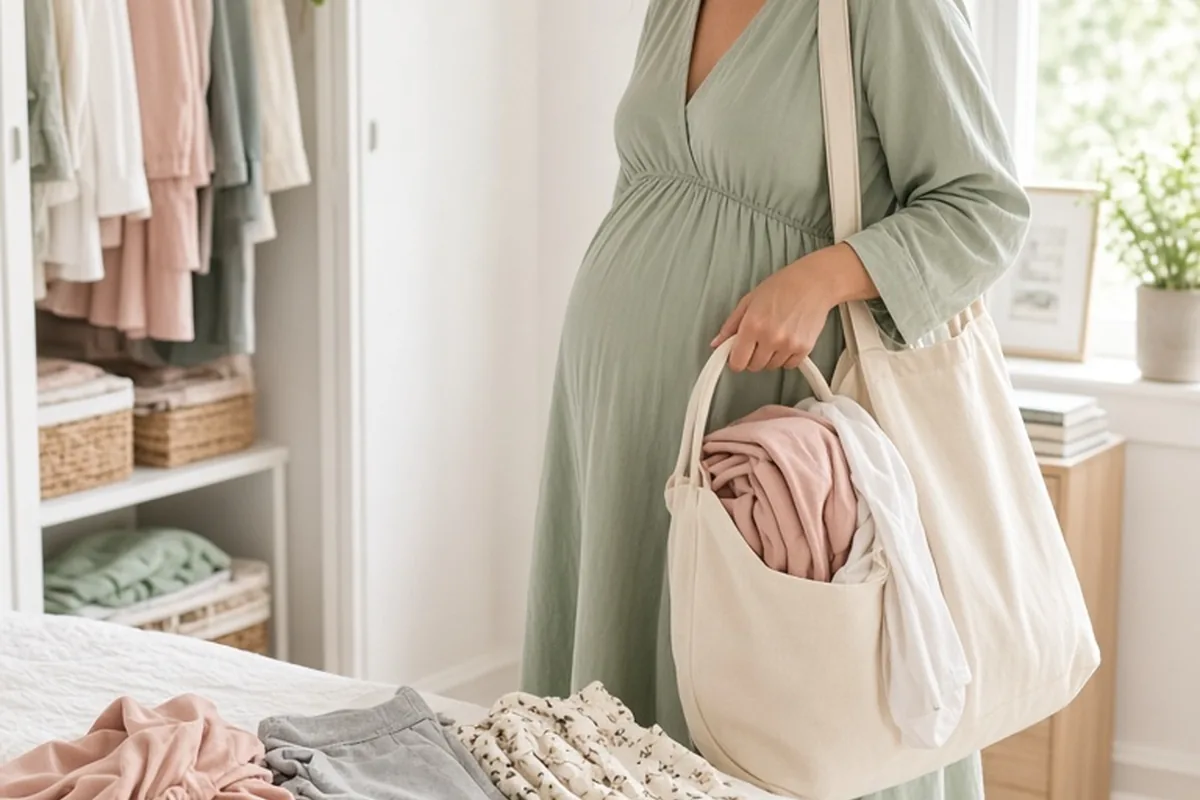
You can buy second hand maternity clothes through dedicated online resale marketplaces like Poshmark, ThredUp, and Mercari, local consignment boutiques, seasonal parent sales, and community sharing platforms like the Buy Nothing Project. General thrift stores and local social media parent groups also offer gently worn maternity basics, nursing-friendly garments, and specialty outerwear at substantial discounts.
Maternity wear is designed for a relatively short window of use, making it one of the most sensible categories to purchase pre-owned. Because most garments are worn for only a few months, items in resale channels often retain excellent fabric integrity, supportive stretch, and plenty of remaining life. Exploring second hand options allows you to build a comfortable, adaptable wardrobe across every trimester without overspending on temporary sizing.
Online Resale Platforms and Dedicated Apparel Marketplaces
Online resale marketplaces provide the widest selection of pre-owned maternity wear because they aggregate listings from sellers nationwide. Platforms like Poshmark, Mercari, and eBay allow you to search directly for specific brands, styles, and sizes. If you already know that a particular brand fits your frame well—such as Ingrid and Isabel, Seraphine, Gap Maternity, or Hatch—you can set up saved searches and alerts to catch new listings as soon as they are posted. These platforms also give you the ability to interact with individual sellers, making it possible to request flat garment measurements, ask about fabric composition, or negotiate bundle discounts when buying multiple items from the same closet.
Managed resale platforms like ThredUp operate differently by processing, photographing, and shipping inventory directly from centralized distribution centers. This creates a standardized shopping experience where you can filter hundreds of maternity items simultaneously by size, color, condition, and garment type. However, shopping online involves distinct trade-offs. You cannot try clothes on before buying, and return policies on peer-to-peer apps are typically restricted to items that arrive damaged or misdescribed. To minimize sizing surprises, always cross-reference the seller's provided dimensions against garments you currently own that fit comfortably.
When browsing online platforms, you will find several distinct shopping features that can help streamline your search:
- Keyword filtering: Search terms like 'over belly,' 'under belly,' or 'nursing friendly' to narrow down specific structural designs.
- Bundle discounts: Look for sellers offering multi-item discounts to save on both per-item pricing and combined shipping costs.
- Condition tags: Filter by 'New With Tags' (NWT) or 'Gently Used' to avoid heavily worn pieces with tired elastics.
Local Consignment Shops and Seasonal Parent Sales
Brick-and-mortar consignment stores and community-focused resale events offer an immediate, tactile advantage: you can inspect the garment construction in person and try pieces on before making a purchase. While traditional adult consignment boutiques occasionally carry a small maternity section, specialized children's and maternity resale shops—such as regional consignment boutiques or select franchise locations—dedicate entire racks to pregnancy and postpartum wear. Visiting these stores gives you the opportunity to check the tension of belly bands, the softness of interior seams, and the resilience of knit fabrics firsthand.
Seasonal consignment events, such as community pop-up sales organized by regional parenting organizations, are another exceptional resource. These multi-day events bring thousands of gently used items into a single exhibition hall or community center, usually occurring twice a year in the spring and autumn. The maternity sections at these sales often feature high volumes of seasonal items, such as winter maternity coats, holiday dresses, and swimwear, which original owners may have used only a handful of times. The primary limitation of seasonal pop-ups is timing; because they operate on fixed dates, they require advance planning to align with your changing sizing needs.
Neighborhood Sharing Networks and Community Swap Groups
Community-based gifting networks and local parent groups represent the most budget-friendly and sustainable way to acquire maternity apparel. Hyper-local networks, such as the Buy Nothing Project, neighborhood mutual-aid boards, and regional parenting forums on social media platforms, frequently see members offering full maternity wardrobes as free gifts. Parents who have completed their families often prefer to pass along their entire collection in a single box rather than taking the time to photograph and list individual pieces for sale.
Participating in these groups requires flexibility, as items are typically offered as unsorted bundles rather than individual curated pieces. A single gifted bin might contain a mix of sizes, seasons, and styles ranging from casual loungewear to work-appropriate slacks. While you might only end up using half of the items in a given lot, the cost savings are unmatched. The customary etiquette in these networks is to take what serves your current needs and either re-gift or donate the remaining items back to the local community once you have sorted through the selection.
General Thrift Stores and Strategic Off-Rack Browsing
Traditional charity thrift stores like Goodwill, the Salvation Army, and independent local thrift outlets frequently carry maternity wear, though finding it often requires patient browsing. Some thrift stores maintain a dedicated maternity rack, usually positioned near the women's activewear or plus-size sections. Because thrift store inventory relies entirely on walk-in donations, stock changes rapidly, making regular visits more productive than occasional trips.
If the dedicated maternity section is small or disorganized, you can expand your search into the general women's clothing racks by looking for bump-friendly silhouettes. Non-maternity garments designed with empire waists, smocked bodices, wrap closures, tiered cuts, or oversized button-down structures often accommodate a growing belly comfortably throughout multiple stages of pregnancy. When thrifting off-rack, pay special attention to garment length; tops and dresses will sit higher in the front as your pregnancy progresses, so look for longer hems and flexible fabrics like modal, jersey, and ribbed knits.
Essential Maternity Staples Worth Prioritizing Second Hand
Not every piece of your temporary wardrobe needs to be purchased new, and certain structural staples offer far better return on investment when bought second hand. Outerwear is one of the clearest examples. Purchasing a brand-new winter maternity coat or jacket expander panel can be expensive for just one season of wear, whereas pre-owned outerwear is frequently available in near-mint condition at a steep markdown. Special occasion outfits, such as dresses for baby showers, weddings, or formal workplace events, are similarly ideal targets for resale because they are rarely worn more than once or twice.
Supportive bottoms—including over-the-bump denim, tailored work slacks, and activewear leggings—are also readily available on the resale market. However, you should inspect these pieces carefully for waistband degradation. While structured items like woven blouses and structured dresses hold up exceptionally well through multiple owners, items with high elastane content can lose their rebound over time if dried on high heat. Focus your pre-owned budget on high-ticket essentials first, leaving intimate basics like underwear or heavily worn daily tanks for direct retail if needed.
Sizing and Quality Inspection Guidelines for Resale Shopping
Maternity apparel generally follows standard pre-pregnancy sizing, meaning a pre-pregnancy size medium is intended to correspond with a maternity size medium. However, sizing consistency varies widely across manufacturers, and individual bodies change in unpredictable ways during pregnancy. When shopping on resale platforms where returns are not accepted, do not rely solely on the numerical size tag. Request or look for key garment measurements, such as the armpit-to-armpit width, the flat waist measurement at the top of the elastic, and the inseam length.
Quality inspection is equally critical when purchasing pre-owned stretchy garments. Look closely at detailed photos of the belly band seam—the point where the stretch knit panel attaches to the structured pant or denim fabric—as this area experiences the most structural tension. Check for broken threads, fabric thinning in the inner thigh area, and stretched-out elastic along the top hem. Asking the seller whether the item comes from a smoke-free home and confirming that the care tags are intact will ensure that you can care for the garment properly without damaging sensitive blends.
Sanitizing, Organizing, and Passing Garments Forward
Once your second hand maternity pieces arrive, establishing a straightforward care routine keeps them fresh and functional throughout your pregnancy. Wash all pre-owned garments according to their care tags using a gentle, fragrance-free laundry detergent, which helps avoid skin irritation during a period when skin can be particularly sensitive to scents and dyes. For structured pieces or delicate nursing tops, consider using a mesh laundry bag and line-drying to preserve the elasticity of the synthetic fibers and prevent premature pilling.
As your body progresses through different trimesters, keep your wardrobe organized by separating your current rotation from sizes you have outgrown or have yet to grow into. When you no longer need your maternity collection, you can complete the cycle by relisting high-value pieces on peer-to-peer apps, taking everyday staples to a local consignment boutique, or packaging the entire collection as a gift for another expecting parent in your neighborhood network.
Frequently asked questions
How do I choose the right size when buying second hand maternity clothes online?
Most maternity brands base their garments on your pre-pregnancy size, but sizing charts vary across labels. Ask online sellers for flat lay measurements—especially the bust width, hip width, and inseam—and compare those figures with comfortable garments you currently own.
Which maternity items are best to buy second hand versus new?
Second hand shopping is ideal for high-cost or short-use items like winter coats, formal dresses, designer jeans, and workwear blazers. You may prefer buying basics like maternity underwear, basic everyday camisoles, and supportive nursing bras brand new for hygiene and optimal elastic support.
How can I tell if pre-owned maternity pants still have good elasticity?
Inspect photos of the belly panel and the connecting seam closely for loose stitching, visible rippling, or thinning fabric. You can also ask the seller if the elastic band still snaps back firmly and whether the item was air-dried or machine-dried.
Your next step
Take inventory of your current wardrobe essentials, identify two or three primary gaps for your upcoming trimester, and set up a saved search alert on a resale platform or join a local parenting group today.