To make friends as an adult, look for spaces with built-in repetition and shared purpose rather than purely social mixers. The most reliable environments include adult sports or running leagues, weekly hobby or board-game meetups, skill-based workshop classes, volunteer projects, dog parks, and local neighborhood third places like independent cafes or climbing gyms. These settings allow you to build gradual familiarity through natural, low-pressure interactions before asking anyone to hang out one-on-one.
Adulthood removes the built-in social structures of school and college, leaving many people unsure where to meet new peers without awkwardness or forced small talk.
Recurring Hobby Clubs and Skill Classes with Built-In Consistency
The fastest way to eliminate social friction is joining an environment where the primary focus is an activity rather than socializing itself. When you attend an eight-week ceramic wheel throwing course, a weekly community choir rehearsal, or a monthly tabletop gaming group, conversation occurs organically around the task at hand. You do not have to invent an excuse to speak to the person next to you; asking for a tool, commenting on a tricky technique, or comparing notes on a game rule creates an effortless opening. Because these gatherings happen on a set schedule, you benefit from repeated exposure without needing to schedule separate follow-ups immediately.
When choosing an activity, prioritize formats that meet on the same day every week or month rather than drop-in events with completely new rosters each time. Groups centered on progressive learning, such as language exchange circles, woodworking cooperatives, or photography walks, naturally foster mutual support. If a beginner feels uncertain about their skill level, selecting a class explicitly labeled for beginners reduces performance anxiety and ensures everyone in the room shares a similar learning curve. Over several sessions, casual remarks about the project readily shift into conversations about weekend plans or favorite neighborhood spots.
Neighborhood Third Places Where Regulars Cross Paths Naturally
A third place is any social physical setting separate from home and work where people gather without commercial pressure to leave immediately. Local independent coffee shops, neighborhood community gardens, independent bookstores with reading rooms, and dog parks serve as classic examples. Becoming a regular at one or two convenient locations anchors you within your immediate geography. When staff and fellow patrons begin recognizing your face, the threshold for greeting someone drops from an intimidating cold approach to a simple nod or a brief comment about the weather.
The key to unlocking a third place is your own physical availability. Sitting with large over-ear headphones, a laptop screen angled defensively, and hurried body language signals that you want privacy. Instead, read a physical book, sketch, work on an analog project, or bring a dog to an off-leash park where social interaction between owners is customary. Acknowledge familiar faces with a warm greeting over two or three visits before initiating an extended dialogue. When you notice someone regularly working on similar projects or reading authors you enjoy, a brief, open-ended observation can initiate an unforced conversation.
Civic Volunteer Programs and Mutual-Aid Projects Focused on Shared Action
Volunteering attracts people who share specific values, providing an immediate baseline of common ground. Organizations like local food rescue pantries, trail maintenance crews, animal shelter adoption events, and community repair clinics rely on collaborative physical effort. Working side by side sorting produce crates, clearing invasive brush, or walking rescue dogs gives your hands something to do, which removes the awkward eye contact and performance pressure common in professional networking events.
To maximize social connection through service, look for local, grassroots operations where small teams work together rather than massive charity galas where volunteers are isolated at registration desks. In smaller operations, seasoned volunteers frequently introduce newcomers to team routines and welcome casual conversation during shifts. If you find an organization whose mission aligns with your ethical priorities, signing up for the same recurring shift—such as every other Saturday morning—ensures you interact with the same core team, converting shared effort into durable camaraderie over time.
Social Sports Leagues, Bouldering Gyms, and Casual Athletic Groups
Physical activities that emphasize participation over intense competition offer high-yield environments for adult connection. Casual adult rec leagues for kickball, pickleball, dodgeball, or slow-pitch softball are specifically designed around social interaction, often ending with team visits to a nearby diner or patio. Because these leagues form teams of free agents—individuals who sign up without a preexisting roster—most participants are in the exact same position, actively seeking new acquaintances.
For those who prefer individual physical pursuits, consider facilities with shared problem-solving cultures, such as bouldering gyms, casual run clubs that welcome all paces, or community cycling rides. In a bouldering gym, for example, climbers frequently sit together on floor mats discussing how to complete a specific climbing route. Offering an observation or asking a stronger climber for advice on foot placement is culturally expected and rarely seen as an intrusion. Group runs that conclude with social coffee or breakfast provide a predictable, low-stakes window to chat after the physical workout is complete.
Coworking Lounges, Industry Guilds, and Local Skill-Share Meetups
Remote work has isolated millions of professionals, but it also creates shared demand for daytime connection outside traditional corporate offices. Flexible day-pass coworking spaces, independent business association breakfasts, and local chapters of creative guilds (such as UX design meetups, freelance writers' circles, or software developer hack nights) bridge the gap between career growth and personal community. These environments work best when you focus on mutual curiosity rather than transactional business card exchanges.
Participating effectively in a professional or creative meetup requires showing interest in the personal dimension of someone's craft. Rather than opening with the standard inquiry about job titles, ask what personal side project they are enjoying or what drew them to the evening's speaker. In communal kitchens or lounge areas of coworking offices, simple questions about local lunch recommendations or desk ergonomics break the ice easily. When professional overlap is grounded in genuine curiosity, it frequently evolves into personal friendship outside business hours.
Turning Familiar Acquaintances into One-on-One Friends Without Pressure
Many adults successfully collect familiar faces in clubs or gyms but struggle with the transition to an independent friendship. This stall usually happens because neither person takes the initiative to suggest an activity outside the primary meeting context. Making the leap does not require a dramatic declaration or an intense social commitment. Instead, propose a low-stakes, time-bound activity directly connected to something you previously discussed, such as checking out an exhibit, grabbing coffee before class, or trying a food truck nearby.
Use casual, open phrasing that gives the other person a gracious exit if they are busy or not seeking new friends. For instance, you might say, 'I am planning to grab a quick coffee around the corner before practice next week—let me know if you want to join.' If they accept enthusiastically, you have established your first outside contact. If they decline or cite a scheduling conflict without suggesting another time, accept the response warmly without taking it personally or changing your friendly demeanor at the group. A single polite invitation provides clarity while maintaining comfort for everyone involved.
Illustrative Scenarios
Transitioning from Classmate to Friend
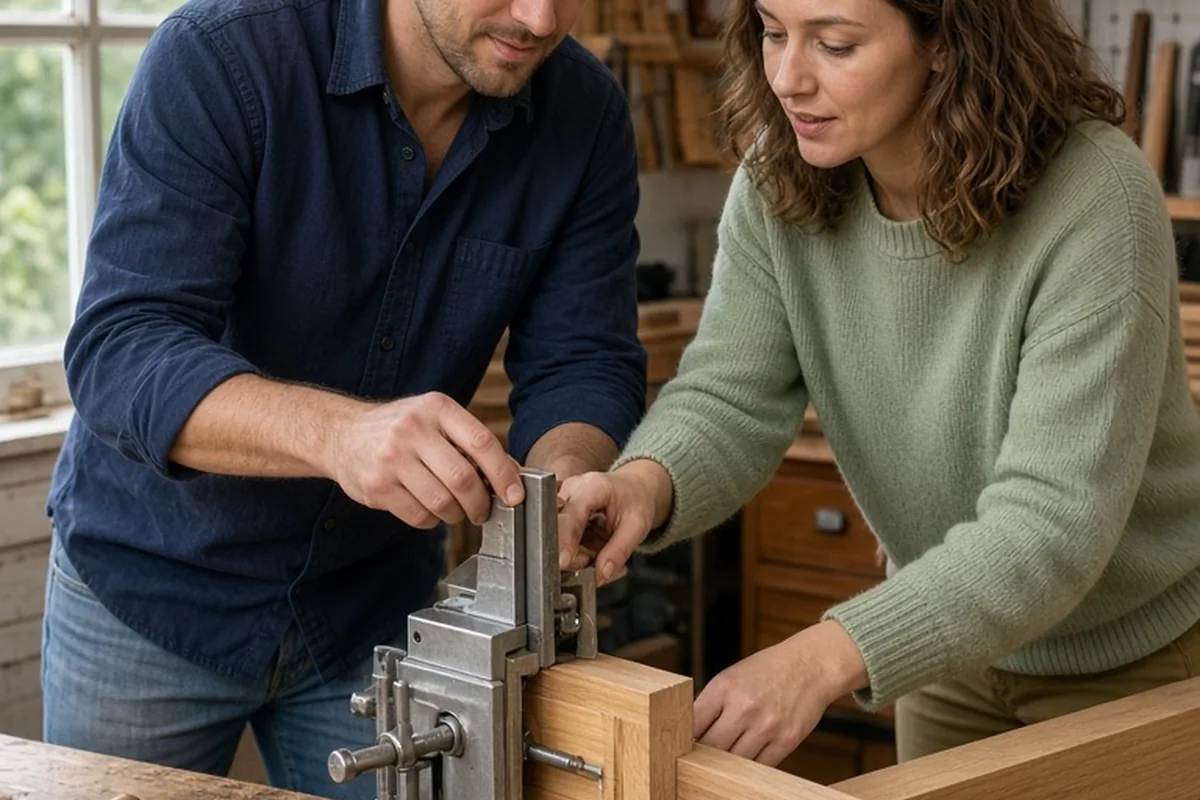
Marcus joined a weekly six-week woodworking class after moving to a new city for work. He hit it off with a fellow beginner, Elena, as they helped each other hold joint clamps and joked about their uneven cuts. At the end of the fourth session, Marcus wanted to connect outside class but worried asking for dinner would feel too intense or seem like a date. Instead, he mentioned a local lumber supply yard having an open warehouse sale on Saturday morning and asked if she wanted to split a car ride there. Elena accepted immediately, and their casual shopping trip led to lunch and an easy ongoing friendship.
Key point: Suggesting an errand or activity that naturally relates to your shared hobby removes romantic ambiguity and lowers the social stakes for both people.
Overcoming the First Rebuff at a Run Club
Priya attended a local five-kilometer social run club for three consecutive Tuesdays. She regularly ran alongside a runner named David, having brief conversations about race training and trail routes. After the third run, Priya invited David to join her group for post-run tacos, but David politely declined, explaining he had to head straight home to his family. Rather than feeling embarrassed or assuming she had overstepped, Priya simply smiled and said she would see him next Tuesday. During subsequent runs, their interactions remained comfortable and friendly, and David later introduced Priya to other regular club members who lived in her neighborhood.
Key point: A polite decline is rarely personal; responding with relaxed friendliness preserves the relationship and keeps future social opportunities open.
Frequently asked questions
How long does it usually take to make a real friend as an adult?
Developing a genuine friendship typically requires multiple interactions spread over several weeks or months. Consistency matters more than the duration of any single conversation. Focus on showing up regularly to the same activity so shared familiarity can accumulate naturally.
What should I do if an acquaintance does not respond to an invitation?
Send at most one polite follow-up a few days later, or simply let the invitation stand without further comment. Treat their lack of response as general unavailability rather than malice or a personal rejection. When you see them again at your shared activity, maintain your standard warm, friendly demeanor without bringing up the missed invite.
Are friendship apps like Bumble For Friends worth trying alongside real-world places?
Friendship apps can be a helpful supplement, particularly if your schedule makes recurring physical clubs difficult to attend. However, app connections still require transitioning to an in-person meeting relatively quickly to establish genuine rapport. Balancing digital platforms with physical community spaces provides the broadest range of opportunities.
Your next step
Pick one recurring weekly activity or local community venue from this list today, check its public calendar, and commit to attending the next three consecutive sessions.