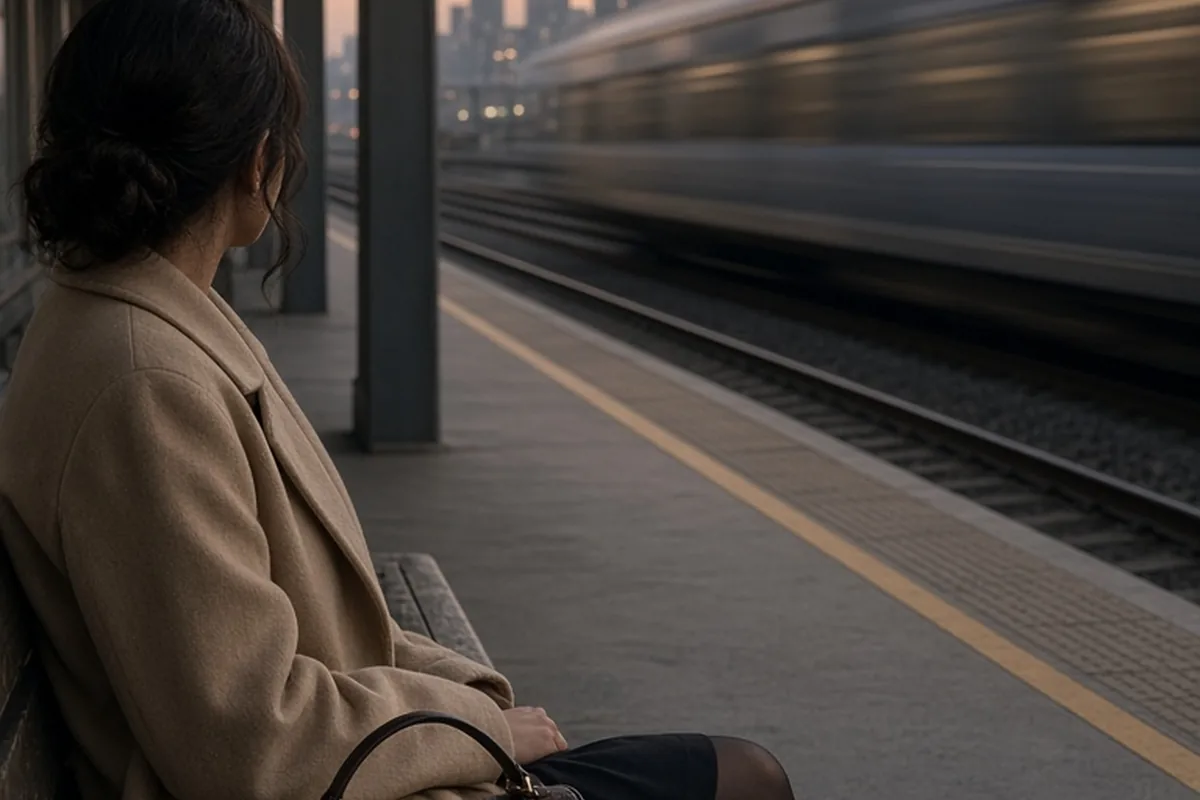
Women carry handbags primarily because most women's clothing lacks functional pockets capable of holding essential modern items like smartphones, wallets, and keys. Beyond overcoming clothing limitations, bags hold personal care, hygiene, and emergency supplies that support day-to-day autonomy. Over time, handbags also evolved into intentional style statements, balancing functional utility with aesthetic expression and personal preparedness across varied social and professional environments.
To anyone accustomed to deep trouser pockets, carrying an extra accessory everywhere can look like an unnecessary burden rather than a sensible solution. Examining garment construction, daily schedules, and personal logistics reveals how the handbag became an indispensable tool for modern navigation.
The Pocket Problem in Modern Garment Construction
The most direct reason women carry handbags is the lack of functional pockets in women's apparel. Men's jeans, trousers, and jackets evolved from workwear and military tailoring, prioritizing utilitarian storage. A standard pair of men's jeans can comfortably conceal a six-inch smartphone, a wallet, and a set of car keys without altering how the fabric hangs. By contrast, mass-market women's fashion has long prioritized close-fitting lines, draping, and body-conscious silhouettes. Inserting deep pocket bags into tailored trousers or skirts can disrupt the intended line of the garment, causing bunching, puckering, or unwanted bulk over the hips.
To preserve these clean silhouettes and lower fabric and assembly costs, apparel manufacturers routinely reduce pocket depths to mere slits, sew them permanently closed, or eliminate them altogether. When a person cannot slip a key ring into their pants without risking a broken zipper, carrying an external container shifts from an optional accessory to a daily requirement. For example, a woman dressed for a corporate office in a sheath dress or slim-cut slacks literally has zero square inches of secure storage on her body. The trade-off is clear: while clothing designs maintain sleek silhouettes, the wearer must shoulder the physical responsibility of an external bag everywhere they go.
The Daily Inventory: Carrying More Than Just Essentials
A pocket can handle the bare minimum of keys, a payment card, and a phone, but ordinary daily life frequently demands a broader array of personal supplies. Women often manage logistical routines that require carrying menstrual products, prescription medications, hair ties, travel-sized lotion, cosmetics for midday adjustments, and hand sanitizer. These items are not luxuries; they provide dignity, cleanliness, and physical comfort throughout long commutes and unpredictable days away from home.
Consider an average workday where someone leaves home at seven in the morning and does not return until nine in the evening after an errand run and a professional dinner. A small tote or structured shoulder bag easily accommodates reading glasses, a compact umbrella, a portable battery bank, and necessary hygiene products. Without these items on hand, a person remains vulnerable to minor disruptions that could otherwise derail their schedule. The primary trade-off of maintaining this readiness is weight; carrying an extensive personal inventory across a long day can cause shoulder stiffness and neck fatigue.
A Historical Path From Hidden Pockets to Public Autonomy
The handbag has deep historical roots connected directly to women's mobility and social independence. In the seventeenth and eighteenth centuries, women carried substantial items inside detachable fabric pouches tied around their waists beneath voluminous skirts and petticoats, accessible through discrete side slits. When late-eighteenth-century neoclassical fashion introduced narrow, high-waisted muslin dresses, bulky under-skirt pockets were discarded because they ruined the streamlined look. In response, women adopted small handheld drawstring pouches known as reticules, taking their personal storage outside their garments for the first time.
As women entered public transit systems, commercial offices, and educational institutions in the late nineteenth and early twentieth centuries, small delicate reticules were no longer adequate. Handbag makers adapted leather luggage designs into durable, compartmentalized bags with locks and sturdy handles. Carrying a structured bag into the city signaled that a woman had money to spend, train tickets to hold, and business to conduct independently. The trade-off of this historical shift was that personal belongings were moved into public view, transforming private utility into a visible marker of social status and fashion trends.
The Social Burden of Being the Prepared Person
Because handbags provide reliable storage, their carriers frequently become the default safety net for friends, children, and partners. It is remarkably common during family outings or social events for companions without bags to ask the person carrying one to hold sunglasses, car keys, half-eaten snacks, or electronic chargers. This dynamic reflects an unspoken expectation that the person with the bag is prepared to absorb the clutter and logistical needs of those around them.
While being able to produce a bandage, a mint, or a tissue during a critical moment can strengthen interpersonal bonds, it can also create subtle friction when taken for granted. For instance, a partner on a long day trip might hand over a bulky wallet and heavy sunglasses case simply because space exists, without considering that someone has to support that additional physical weight for hours. Navigating this dynamic requires recognizing that a handbag is designed around individual capacity, and treating it as communal storage requires clear communication and mutual courtesy.
Style, Personal Expression, and Non-Verbal Signals
Beyond practical utility, handbags function as deliberate components of aesthetic presentation and personal identity. Like footwear or wristwatches, a bag communicates context, personal taste, and attention to detail. A structured leather tote projects competence and preparation in a corporate boardroom, a rugged canvas messenger bag signals relaxed mobility on a college campus, and a minimalist satin clutch complements formal attire at a black-tie gala.
Bags offer an easy way to refresh an ensemble without replacing an entire wardrobe. A bold color, distinct texture, or clean architectural silhouette can anchor an otherwise neutral outfit. However, balancing style with ergonomics often requires compromises. High-fashion pieces may incorporate heavy metal chains, delicate leathers prone to scuffs, or awkward clasps that prioritize visual elegance over ease of use. Choosing a bag for a specific event always involves balancing the visual statement against the practical comfort needed for the occasion.
Healthy Boundaries and Navigating Bags in Relationships
In dating and long-term relationships, a handbag often sits at the intersection of practical cooperation and personal privacy. For observers, understanding the etiquette around someone's bag prevents awkward missteps. A handbag contains highly personal items, from sensitive medical necessities and identification to private letters or financial records. Reaching into someone's bag uninvited, even with helpful intentions like looking for a pen or car keys, can feel like an uncomfortable breach of personal boundaries.
Supportive partners can navigate these situations by practicing simple awareness. If someone is juggling coffee cups and struggling to open a door, offering to steady their load is helpful, but grabbing their bag by the strap without asking can disrupt an outfit they intentionally styled. Similarly, during dates at crowded restaurants or outdoor patios, noticing whether a companion has a clean chair back or bag hook to keep their accessory off a dirty floor shows thoughtful consideration. Communicating openly about logistics keeps small physical items from becoming sources of unspoken irritation.
Illustrative Scenarios
Clarifying Shared Space on an All-Day Outing
During a full-day city trip exploring outdoor markets and museums, Brian noticed that Maya brought a medium leather shoulder bag. By mid-afternoon, Brian grew tired of feeling his heavy car key fob and bulky sunglasses case bouncing against his thighs, so he asked Maya to drop them into her purse. Maya hesitated and seemed visibly reluctant, which Brian initially interpreted as petty. After a moment, Maya explained that her bag already held her planner, water bottle, and personal hygiene supplies, and adding heavy items made her shoulder ache after hours of walking. Brian realized he had viewed her personal bag as a shared trunk rather than her private gear. He clipped his sunglasses to his collar, carried his keys in his jacket, and the outing continued smoothly.
Key point: View a partner's handbag as an individual utility tool with finite physical capacity, rather than an automatic collective storage bin.
Rethinking Evening Accessories at a Formal Dinner
While preparing for an anniversary dinner at an upscale restaurant, David suggested that Lauren leave her small envelope clutch on the dresser so they could travel light and keep their hands completely free. Lauren explained that her silk evening gown had no pockets whatsoever, leaving her with no way to carry her driver's license, lipstick for touch-ups, or personal asthma inhaler. David had assumed the clutch was simply a decorative extra, unaware that her dress offered zero storage capability. Recognizing that her choice was driven by practical necessity, David dropped the suggestion and made sure to help her find a safe, clean place on her chair to rest the clutch when they were seated.
Key point: Understand that evening accessories often provide the only viable storage for formal clothing designed without functional pockets.
Frequently asked questions
Why do women's clothes still lack functional pockets?
Fashion design frequently prioritizes a smooth, form-fitting silhouette that deep pocket bags can distort. Additionally, omitting pockets streamlines garment manufacturing and maintains established consumer habits centered around buying complementary accessories.
Is reaching into someone's handbag considered rude?
Yes, reaching into someone's bag without explicit permission is widely viewed as an invasion of privacy. Handbags carry confidential items such as identification, medications, and hygiene products, making them private personal spaces.
Why do some women prefer backpacks or crossbodies over traditional purses?
Crossbody bags and backpacks distribute weight more evenly across the torso and shoulders, reducing physical fatigue during active commutes. They also keep both hands completely free, making them practical choices for public transit, cycling, and travel.
What is the best way to help someone who is carrying a heavy bag?
Ask clearly if they would like assistance with the weight before touching the bag, and accept their response without insistence. If they accept, carry it carefully without rummaging inside or setting it on dirty surfaces.
Your next step
Pay attention to the storage limitations of different clothing styles on your next outing, and treat every handbag as a private, functional tool for autonomy rather than a communal catchall.