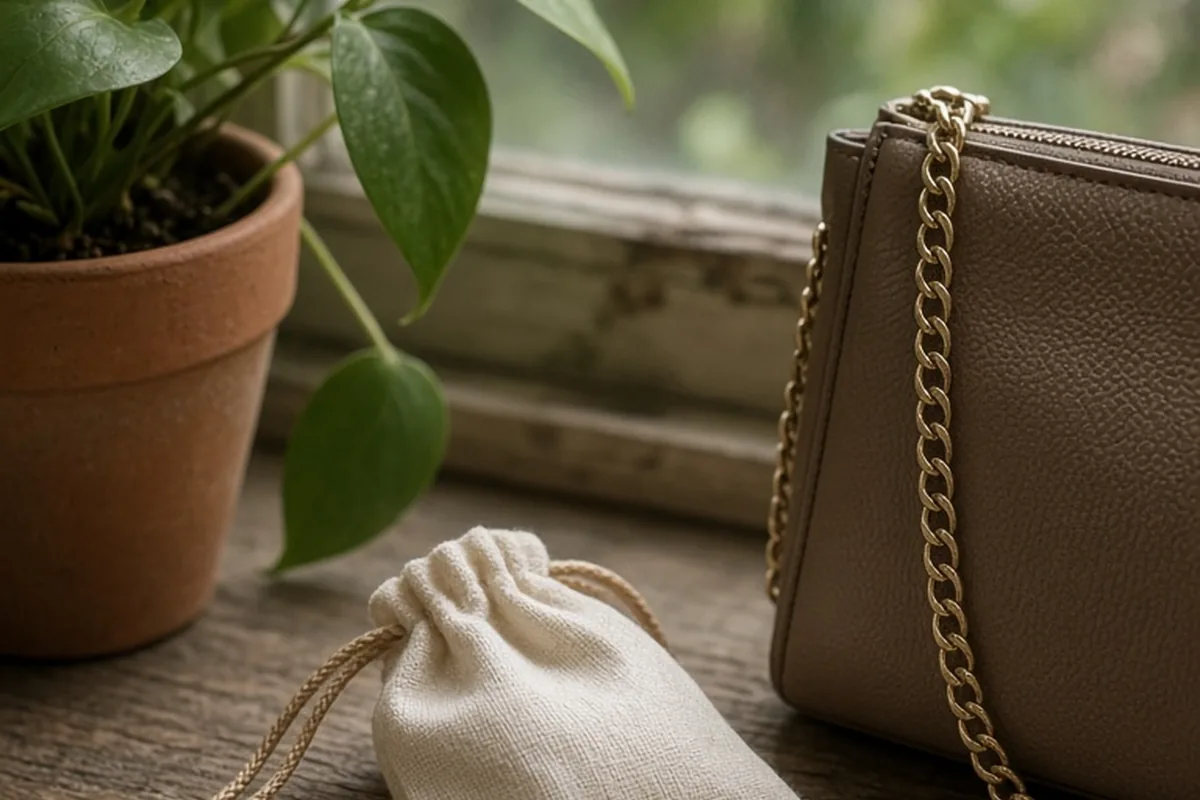
Women carry purses primarily because women's clothing rarely includes functional, deep pockets, making an external bag necessary for transporting daily essentials. Beyond solving this basic storage deficit, purses provide an organized way to carry personal care items, keys, phones, and work tools throughout multifaceted days, while also serving as intentional accessories that complement personal style across different settings.
Understanding why purses remain a staple accessory requires looking beyond surface fashion into history, clothing manufacturing, daily routines, and everyday readiness. While people of all genders carry essentials, the practical demands of women's apparel and modern schedules have made bags an indispensable tool for daily life.
The Practical Problem of Pocket Design in Women's Apparel
The most direct reason women rely on purses is the structural limitation of modern women's fashion. For decades, standard womenswear has prioritized streamlined silhouettes, close fits, and lightweight fabrics over utility. As a result, trousers, dresses, skirts, and blazers are frequently designed with shallow pockets, purely decorative faux pockets, or no pockets at all. Even when garments do feature functional pockets, inserting a standard smartphone, a keychain, and a wallet often distorts the drape of the fabric, pulls down the waistband, or causes physical discomfort while sitting.
Men's clothing, by contrast, typically incorporates deep front pockets, reinforced back pockets, and spacious interior jacket compartments that can comfortably distribute bulk. When a woman leaves home, she rarely has the option to slip a phone, cardholder, keys, and lip balm into her jeans without risking dropped items or strained seams. A purse solves this structural problem immediately, acting as a portable, reliable set of pockets that moves seamlessly between different outfits regardless of what the clothing itself can hold.
This garment reality creates a clear trade-off between clothing aesthetic and standalone functionality. While some contemporary brands have begun incorporating deeper pockets into casual and workwear lines, the widespread norm across fast fashion, formal wear, and athletic apparel still leaves women with minimal on-body storage, making an external carry system a fundamental daily requirement.
Managing Multifaceted Days and Extended Transitions
Daily routines rarely take place in a single environment. Many women navigate schedules that involve commuting, working in an office, attending fitness classes, running errands, and attending social or family gatherings within a single twelve-hour stretch. Successfully managing these transitions requires having access to items that support different phases of the day without returning home between stops.
A purse serves as a mobile workstation and personal transition kit. Inside a medium-to-large bag, a person might carry transit cards, charging cables, work credentials, prescription glasses, a small notebook, a compact umbrella, and a reusable water bottle. Trying to carry these tools across diverse professional and social spaces without a dedicated bag would be awkward and impractical. The purse centralizes everything needed to remain productive and comfortable throughout a dynamic schedule.
However, carrying gear for every potential transition can lead to shoulder strain and bag clutter if not managed deliberately. Selecting the right size bag often involves weighing the comfort of traveling light against the inconvenience of being caught without a necessary tool during a busy day away from home.
Health, Personal Care, and Hygiene Maintenance
Beyond electronics and financial items, purses accommodate an array of personal care and health necessities that are difficult to carry in clothing pockets. Menstrual products such as tampons, pads, or menstrual cups require discreet, clean storage to prevent damage before use. Having reliable access to these items throughout the month provides peace of mind and prevents unexpected emergencies during work or travel.
Purses also hold everyday self-care items that maintain comfort throughout the day, such as prescription medications, allergy remedies, hand sanitizer, tissues, dental floss, contact lens drops, and hair ties. Furthermore, items like sunscreen, moisturizing lip balm, and basic touch-up cosmetics help people adapt to fluctuating indoor temperatures, harsh weather conditions, and shifting lighting between daytime professional settings and evening engagements.
While anyone can benefit from having personal care items nearby, cultural and physical factors make their regular availability particularly useful for women. A purse keeps these sensitive or fragile items clean, organized, and accessible whenever they are needed, eliminating the stress of having to search for a store or ask others for basic supplies.
Self-Reliance, Safety, and Psychological Preparedness
There is a distinct psychological value in knowing that you are self-contained and equipped for unexpected circumstances. Carrying a purse allows a person to navigate public spaces, transit systems, and unpredictable situations with confidence. Whether dealing with a sudden rainstorm, a minor scrape, a headache, a dead phone battery, or an unexpected change in travel plans, having the tools to handle the situation independently reduces vulnerability.
For many, a purse functions as a personal sanctuary of preparedness. Items such as a mini flashlight, pepper spray where permitted, emergency contact cards, spare cash, or backup medication provide a tangible layer of security. This self-reliance means never having to depend on strangers or disrupt a schedule because a minor, predictable inconvenience arose.
The trade-off of this preparedness is the responsibility of keeping track of the bag itself. Because a purse often holds sensitive documents, identification, and valuables, maintaining awareness of one's belongings in crowded or unfamiliar spaces is an essential habit that accompanies carrying a bag.
Personal Expression and Sartorial Coordination
While utility is the primary driver, purses also operate as prominent elements of visual style and personal presentation. Unlike clothing, which must fit specific body proportions and adjust to seasonal weather, a purse is a versatile accessory that can be paired with countless outfits across many years. It provides an accessible way to introduce color, texture, structure, or craftsmanship into an everyday look.
Choosing a structured leather tote for a board meeting conveys a different tone than wearing an unstructured canvas crossbody at a weekend market or carrying a delicate clutch at a formal wedding. The choice of bag reflects aesthetic preferences, personal taste, and contextual awareness. For fashion enthusiasts, bags can also represent significant investments in artisan craftsmanship, durable materials, and timeless design.
Treating a bag as a style piece does not negate its practical function; rather, the best designs successfully integrate utility with aesthetic appeal. A well-designed purse complements an individual's wardrobe while efficiently organizing their daily essentials.
The Evolution of Modern Everyday Carry Across Genders
The dynamic surrounding bags and daily carry is shifting across society. As mobile devices grow larger and daily life increasingly requires carrying tech accessories, portable batteries, sanitizing wipes, and reusable essentials, traditional pockets are proving insufficient for everyone, regardless of gender. In response, more men and gender-neutral dressers are adopting slings, crossbody bags, backpacks, and messenger bags.
This shift highlights that carrying a bag is ultimately about practical ergonomics rather than gender alone. Human hands have limits, and clothing pockets can only hold so much weight before becoming uncomfortable or unsightly. As lifestyle demands converge around mobile technology, remote work, and wellness routines, the universal utility of external bags has become widely recognized.
Looking at the purse through this broader everyday carry lens demystifies the accessory. Whether called a purse, a sling, a tote, or an everyday pouch, the underlying purpose remains the same: an efficient, comfortable method for keeping vital tools within arm's reach.
Illustrative Scenarios
Understanding Bag Choice During a Long Commute
During a weekday dinner date directly after work, David noticed that Sarah arrived carrying a relatively large, structured tote bag in addition to a smaller wristlet. He initially wondered why someone would bring a large bag to a casual restaurant, assuming it might feel cumbersome. When Sarah briefly pulled out a portable charger to revive her phone and mentioned she had packed her laptop, walking shoes, and an umbrella for her train commute, David realized the tote was not an arbitrary accessory but a carefully chosen tool that made her entire twelve-hour day away from home manageable without stopping by her apartment.
Key point: Bag choices often reflect the logistical demands of a full day rather than just the immediate activity at hand.
Streamlining Daily Carry for Better Mobility
Rachel found herself carrying an oversized satchel everywhere she went, frequently filling it with duplicate cosmetics, old receipts, and unnecessary items she rarely used. The excess weight caused shoulder tension, and locating her keys in the large main compartment was a constant frustration. She decided to audit her daily carry by grouping essentials into three small, modular pouches: one for tech, one for hygiene, and one for cards and keys. By shifting to a compact crossbody bag and only carrying the pouches needed for specific outings, she cut her carry weight in half while keeping her core essentials organized.
Key point: Categorizing items into modular pouches helps maintain preparedness without the physical burden of an overfilled bag.
Frequently asked questions
Why do women's clothes have such small pockets compared to men's clothes?
Women's fashion historically prioritized slim silhouettes and form-fitting designs over utility, leading designers to minimize or remove pockets to prevent fabric bulging. In contrast, men's clothing evolved from military and workwear traditions that prioritized utility, deep cargo space, and structural durability.
What are the most common essential items kept inside a purse?
Most everyday purses contain a phone, wallet or cardholder, keys, menstrual products, lip balm, medication or first-aid supplies, hand sanitizer, and charging cables. Depending on the day, many people also include sunglasses, compact umbrellas, or work items.
How can someone choose the right purse size for daily use?
Evaluate your daily routine by laying out the absolute essentials you need between leaving home and returning. Choose a bag that fits those items with modest room to spare, prioritizing comfortable straps, secure closures, and interior compartments that match your transit and work style.
Can women comfortably go purse-free without sacrificing essentials?
It is possible by using specialized clothing with hidden utility pockets, phone lanyards with card slots, or compact belt bags. However, going completely purse-free usually requires paring down personal care items and tech accessories to the bare minimum.
Your next step
To optimize your own daily carry system, audit your current bag by removing everything you have not used in the past two weeks, then organize your remaining essentials into modular pouches that can easily move between different bags or pockets based on the day's specific demands.