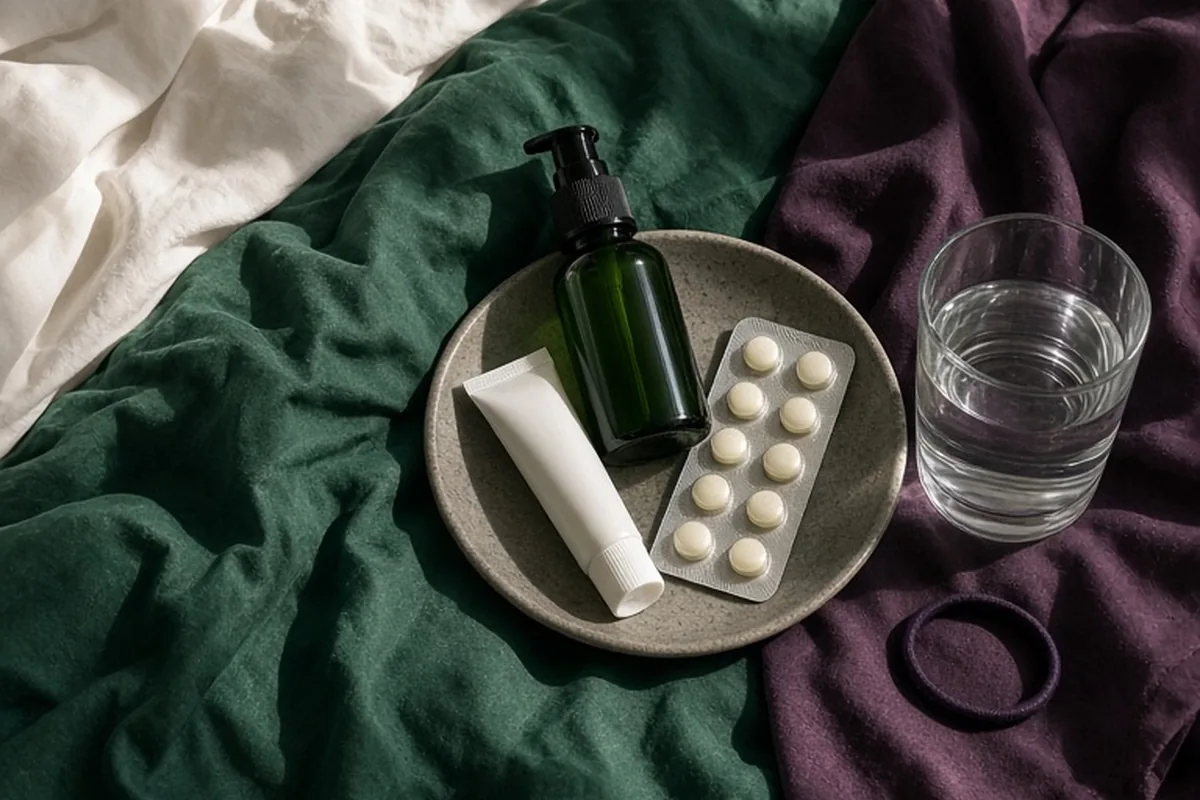
An acne medication comparison centers on matching the breakout type to the appropriate active ingredient. Over-the-counter options like salicylic acid and benzoyl peroxide manage mild surface clogging and surface bacteria. Prescription topical retinoids normalize cellular turnover for persistent comedones and inflammation. For deep, cystic, or widespread breakouts, oral therapies like antibiotics, hormonal agents, or isotretinoin provide systemic intervention, balancing higher efficacy with a need for medical supervision and side effect management.
Navigating acne treatments can feel confusing given the sheer variety of topical creams, washes, and oral prescriptions on the market. Breakouts happen due to a combination of excess sebum production, irregular skin cell shedding, bacterial proliferation, and inflammation. Because different medications target distinct parts of this cycle, identifying the right option requires evaluating acne severity, skin sensitivity, and treatment trade-offs.
Comparing Over-the-Counter Topical Actives
Over-the-counter topical treatments are usually the starting point for mild to moderate breakouts. The two most common active ingredients are benzoyl peroxide and salicylic acid, each functioning through different mechanisms. Benzoyl peroxide acts as an antimicrobial agent that reduces Cutibacterium acnes bacteria on the skin surface while delivering mild keratolytic effects. Salicylic acid, a beta-hydroxy acid, is oil-soluble, allowing it to penetrate into the lipid-rich environment of the pores to dissolve dead skin cells and clear surface blockages. Another notable over-the-counter option is azelaic acid, which provides gentle comedolytic, anti-inflammatory, and pigment-evening benefits.
Choosing between these options depends on the primary breakout presentation and underlying skin type. Benzoyl peroxide works particularly well for red, tender, inflammatory papules and pustules, though it can bleach fabrics and cause dryness or mild stinging. Salicylic acid is better suited for individuals dealing primarily with open and closed comedones, commonly known as blackheads and whiteheads, especially those with oily complexions. Azelaic acid serves as a milder alternative for sensitive skin or individuals prone to post-inflammatory hyperpigmentation. A common drawback of all non-prescription options is their limited strength; while they help maintain clearer skin in mild cases, they often lack the potency to resolve deep, painful nodular acne on their own.
- Benzoyl peroxide reduces acne-causing bacteria and calms inflammatory surface bumps but may dry out the skin and discolor textiles.
- Salicylic acid penetrates sebum to unclog pores and address blackheads, making it ideal for oily skin types.
- Azelaic acid provides mild exfoliation and targets post-blemish discoloration with minimal irritation.
Topical Retinoids for Cell Turnover and Pore Clearing
Topical retinoids are vitamin A derivatives that serve as a cornerstone in medical acne therapy. These medications work primarily by normalizing cellular turnover in the follicular lining, which prevents microcomedones from forming in the first place. Over time, consistent retinoid use helps smooth skin texture, reduces the frequency of new blemishes, and enhances the penetration of other topical therapies. Available formulations include adapalene, tretinoin, tazarotene, and trifarotene, ranging from mild over-the-counter gels to potent prescription creams.
Selecting a specific topical retinoid involves balancing potency against potential skin irritation. Adapalene is widely appreciated for its stability and relatively low irritation profile, making it accessible for first-time users. Tretinoin offers versatile concentration choices and is extensively prescribed for both inflammatory acne and comedonal congestion. Tazarotene is among the strongest topical retinoids, offering potent clearing for stubborn cases but carrying a higher likelihood of initial peeling and erythema. Trifarotene specifically targets retinoic acid receptor-gamma, making it particularly useful for large surface areas such as the chest and back. The primary limitation of topical retinoids is the adaptation period, often called retinization, during which users may experience dryness, flaking, increased sun sensitivity, and temporary purging.
Topical Antibiotics and Prescription Anti-Inflammatory Agents
When inflammatory lesions persist despite basic care, healthcare providers frequently introduce prescription topical anti-inflammatory or antimicrobial treatments. Topical clindamycin and erythromycin suppress surface bacterial populations and reduce local swelling. Because monotherapy with topical antibiotics can encourage bacterial resistance, they are almost universally formulated or paired with benzoyl peroxide to maintain long-term efficacy. Combination products containing clindamycin and benzoyl peroxide, or clindamycin and tretinoin, simplify daily routines by merging multiple mechanisms of action into a single application.
Other targeted topical medications include dapsone and clascoterone. Dapsone is a sulfone derivative that delivers potent anti-inflammatory effects, making it a valuable option for adult inflammatory acne, especially in individuals whose skin does not tolerate standard retinoid and benzoyl peroxide pairings. Clascoterone represents a newer topical androgen receptor inhibitor, targeting local sebum production directly at the skin level without causing systemic hormonal side effects. While these specialized prescription topicals offer targeted relief with low systemic absorption, they require ongoing consistency, may take eight to twelve weeks to demonstrate noticeable results, and generally carry higher out-of-pocket costs.
Oral Antibiotics for Moderate to Severe Inflammatory Acne
Systemic oral medications become necessary when acne is widespread, highly inflammatory, or unresponsive to multi-step topical regimens. Oral antibiotics, particularly tetracycline-class medications such as doxycycline, minocycline, and sarecycline, are standard second-line treatments. Rather than merely killing bacteria, their primary benefit in acne management stems from their strong anti-inflammatory properties, which rapidly calm deep, swollen papules and pustules across the face, chest, and back.
Because long-term antibiotic use carries the risk of antimicrobial resistance, gastrointestinal upset, and microbiome disruption, dermatologists generally limit oral antibiotic courses to three to four months. During this window, patients typically continue using a topical retinoid and benzoyl peroxide regimen so that when the oral medication is tapered off, the topical barrier continues preventing new microcomedones. Potential side effects include sun sensitivity with doxycycline, vestibular symptoms or pigmentation changes with minocycline, and general stomach irritation, which underscores the importance of using these medications as a bridge rather than a permanent maintenance strategy.
Hormonal Therapies for Cyclical and Adult Female Acne
Hormonal fluctuations frequently drive persistent breakouts along the lower face, jawline, and chin in adult women. Androgens stimulate sebaceous glands to produce excess, viscous oil, leading to recurrent inflammatory nodules. For patients whose acne flares cyclically around menstrual periods or shows signs of hormonal mediation, systemic therapies that modulate androgen activity provide an alternative to traditional antibiotics.
The two primary hormonal interventions are combined oral contraceptives and oral spironolactone. FDA-approved birth control pills containing estrogen and specific progestins increase sex hormone-binding globulin, reducing the amount of free circulating testosterone that can stimulate oil glands. Spironolactone, originally developed as a potassium-sparing diuretic, acts as an androgen receptor blocker that significantly decreases facial oiliness and deep hormonal cysts over time. These treatments are generally well-tolerated for long-term maintenance, but they are only suitable for female patients, require several months to reach full efficacy, and spironolactone necessitates monitoring for potential electrolyte shifts or low blood pressure.
Oral Isotretinoin for Severe, Scarring, or Refractory Acne
Oral isotretinoin is a powerful systemic retinoid that fundamentally alters the skin environment. It is the only acne treatment that targets all four major underlying causes of breakouts: it dramatically shrinks sebaceous glands, normalizes follicular keratinization, reduces Cutibacterium acnes colonization by depriving bacteria of oil, and suppresses inflammation. As a result, a completed standard course of isotretinoin often produces long-lasting remissions or permanent resolution of severe nodulocystic and treatment-resistant acne.
Despite its high efficacy, isotretinoin involves significant medical management and potential adverse effects. It is a known teratogen, requiring strict participation in safety monitoring programs to prevent pregnancy during treatment. Patients routinely experience pronounced mucosal dryness, including chapped lips, dry eyes, and nosebleeds, alongside potential elevations in liver enzymes and blood triglycerides that necessitate periodic blood tests. Due to these intensive safety protocols, isotretinoin is reserved for severe scarring acne or cases where multiple combinations of topicals and oral antibiotics have failed to produce adequate control.
Designing an Integrated Regimen and Managing Side Effects
Comparing individual medications is only the first step; successful acne management depends on how treatments are combined and integrated into a gentle daily skincare routine. A well-structured routine pairs active ingredients strategically to maximize blemish reduction while preserving the skin barrier. For example, using a gentle hydrating cleanser and a non-comedogenic moisturizer can counteract the drying effects of retinoids and benzoyl peroxide. Applying a broad-spectrum daily sunscreen is equally essential, as many acne treatments increase vulnerability to ultraviolet damage and post-inflammatory erythema.
Minimizing adverse reactions requires thoughtful pacing and application techniques. When introducing strong topicals like tretinoin or adapalene, starting with applications two to three nights per week allows the skin to acclimate before moving to nightly use. The buffering method—applying moisturizer before or mixed with a retinoid—helps reduce flaking and irritation without diminishing the drug's long-term effectiveness. Patients should also avoid layering multiple drying exfoliants, such as combining high-strength salicylic acid peels with prescription retinoids on the same evening, as this can compromise the lipid barrier and trigger reactive redness or secondary breakouts.
Illustrative Scenarios
Managing Inflammatory Breakouts with a Stepped Topicals Approach
Alex experienced persistent red bumps and clogged pores across the forehead and cheeks that did not clear with standard cosmetic face washes. After consulting a healthcare provider, Alex began a structured regimen using a mild benzoyl peroxide wash in the morning followed by an oil-free moisturizer, paired with an over-the-counter adapalene gel applied every third night over a hydrating lotion. Over eight weeks, the frequency of new inflammatory spots steadily declined, and Alex gradually increased adapalene use to every night without experiencing severe flaking.
Key point: Starting potent active ingredients gradually and combining complementary topical mechanisms helps clear inflammatory acne while keeping skin irritation manageable.
Frequently asked questions
How long does it take for acne medications to show noticeable results?
Most topical and oral acne treatments require eight to twelve weeks of consistent daily use before visible improvements occur. Because skin cell renewal and pore clearing take time, stopping treatment early often leads to premature frustration.
Can you use benzoyl peroxide and a topical retinoid together in the same routine?
Yes, but they are often best separated by time of day to minimize surface irritation. Many people apply benzoyl peroxide in the morning to fight bacteria and use their topical retinoid at night to support cellular turnover.
What is the difference between an acne purge and an allergic reaction?
A purge involves a temporary increase in typical small breakouts in areas where you normally get clogged pores, usually resolving within four to six weeks of starting a retinoid or chemical exfoliant. An allergic or irritant reaction involves widespread redness, intense burning, hives, or swelling, which requires stopping the product immediately.
Why are oral antibiotics not used as a long-term permanent acne treatment?
Prolonged use of oral antibiotics increases the risk of bacterial resistance and can disrupt the gut and skin microbiomes. Consequently, they are typically prescribed for three to four months as a temporary measure while topical retinoids and cleansers establish long-term maintenance.
Your next step
Evaluate your specific breakout types, schedule a consultation with a dermatologist or healthcare professional to discuss suitable topical or oral options, and commit to a gentle, consistent routine for at least eight weeks.