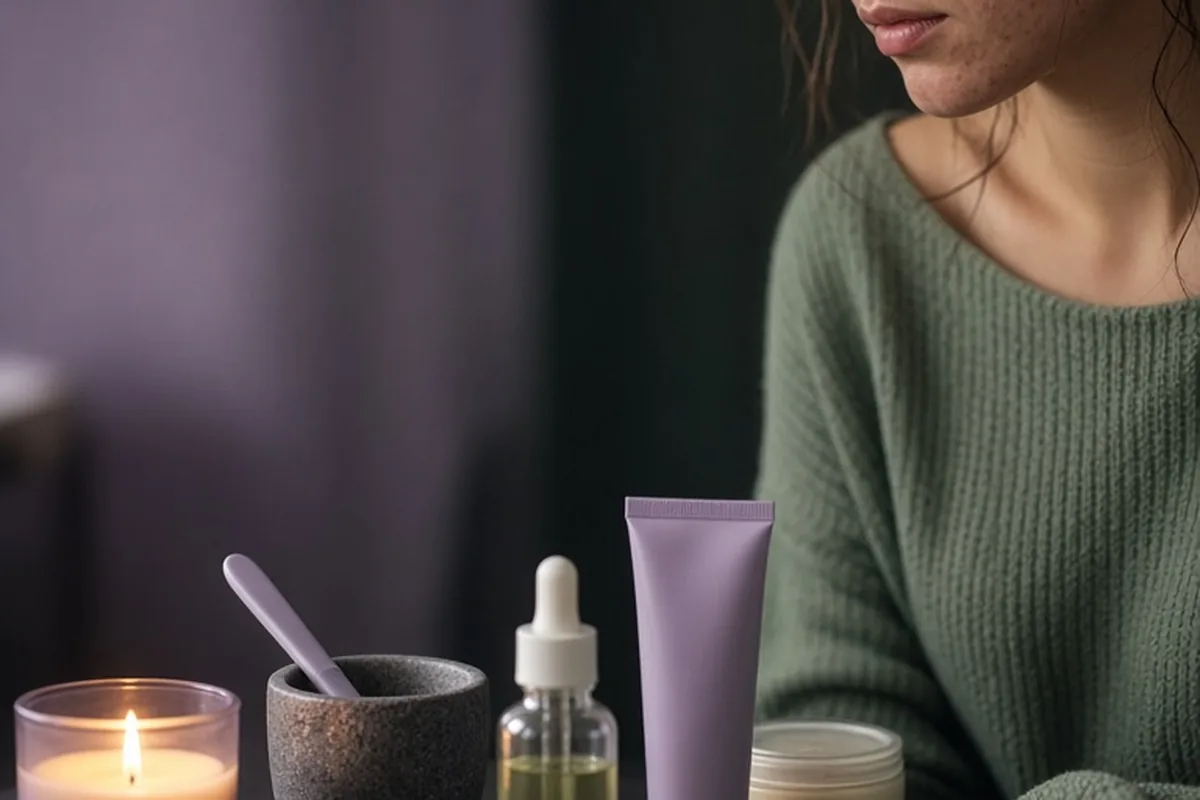
Acne treatment for sensitive skin focuses on clearing blemishes while preserving the skin's protective barrier. Effective approaches include using lower concentrations of active ingredients—such as 2.5% benzoyl peroxide, low-dose salicylic acid, or gentle azelaic acid—paired with barrier-supporting moisturizers containing ceramides. Introducing treatments gradually, buffering actives over moisturizer, and avoiding harsh scrubs help reduce breakouts without triggering redness, peeling, or irritation.
Managing breakouts when your skin is reactive or easily inflamed requires a careful balance between targeted acne care and soothing hydration.
Understanding the Sensitive and Acne-Prone Skin Barrier
Sensitive skin is characterized by a delicate stratum corneum, the outermost layer of skin responsible for keeping moisture in and environmental irritants out. When this barrier is compromised or genetically prone to reactivity, moisture escapes rapidly through transepidermal water loss, while external triggers easily penetrate the deeper layers. In acne-prone individuals, this sensitivity creates a frustrating cycle: the barrier produces microscopic inflammation, which can disrupt healthy cellular turnover, clog pores, and accelerate blemish formation.
Traditional acne advice frequently encourages aggressive drying agents, astringent toners, and intense physical scrubs to eliminate surface oils. For sensitive skin, however, stripping the barrier triggers a rebound reaction where the skin produces more oil to compensate for dehydration, all while becoming red, raw, and hyper-reactive. Treating acne in sensitive complexions therefore requires a barrier-first mindset, prioritizing inflammation control and moisture retention alongside mild blemish treatments rather than attacking oil aggressively.
Selecting Calming Actives at Low Concentrations
The key to treating acne without triggering flare-ups lies in choosing the right actives at lower, gentler concentrations. Azelaic acid is widely regarded as one of the most skin-friendly choices for sensitive complexions. Naturally derived from grains, azelaic acid offers mild antibacterial and anti-inflammatory properties while gently promoting cell turnover. Over-the-counter formulas at 10% concentration help calm existing redness, refine pore texture, and reduce post-inflammatory hyperpigmentation without the stinging commonly caused by more aggressive acids.
When using classic acne-fighting ingredients like salicylic acid (a beta-hydroxy acid) or benzoyl peroxide, concentration matters immensely. Salicylic acid at 0.5% to 1% can dissolve oil within pores effectively with far less risk of peeling than standard 2% preparations. Similarly, clinical evidence has demonstrated that a 2.5% benzoyl peroxide formulation clears inflammatory acne just as effectively as a 5% or 10% formulation, but with dramatically fewer side effects such as burning, flaking, or contact irritation.
The Buffering and Sandwiching Application Methods
How you apply a treatment often matters as much as the ingredient itself. Standard application guidelines typically suggest placing acne treatments directly onto freshly cleansed, bare skin. For sensitive complexions, however, this direct contact can cause a rapid, concentrated absorption spike that overwhelms the skin barrier. Buffering involves applying a light layer of hydrating serum or basic moisturizer first, allowing it to dry, and then applying your active treatment on top.
The sandwich method takes buffering a step further by placing the active treatment between two thin layers of moisturizer. For example, you apply a gentle ceramide cream, wait a minute for it to absorb, dab a pea-sized amount of a gentle retinoid or azelaic acid over breakout areas, and seal with a second light layer of moisturizer. This technique slows the transdermal delivery rate of the active ingredient, delivering pore-clearing benefits across several hours while shielding sensitive nerve endings from sudden irritation.
Building a Calming Daily Morning and Evening Routine
A successful sensitive skincare regimen relies on consistency, simplicity, and non-comedogenic hydration. In the morning, keep your steps minimal to protect the skin from daily environmental stressors. Wash with lukewarm water or a gentle, non-foaming lotion cleanser that preserves natural lipids. Follow with a barrier-supportive moisturizer containing humectants like glycerin or panthenol (vitamin B5), and finish with a broad-spectrum sunscreen using mineral filters like zinc oxide, which is naturally soothing to reactive skin.
Your evening routine should focus on gentle cleansing and targeted recovery. If you wear mineral sunscreen or makeup, start with a fragrance-free cleansing oil or micellar water to break down residue without rubbing, followed by your water-based cleanser. Reserve active treatments for evening use, applying them only two to three nights per week at first. On alternating evenings, prioritize barrier repair products enriched with ceramides, cholesterol, and fatty acids to rebuild lipid strength while you sleep.
Implementing Skin Cycling and Short-Contact Therapy
Skin cycling is an effective schedule structure for individuals who want the benefits of acne treatments without overloading their barrier. A simple three-night or four-night cycle allows your skin dedicated time to rest and rebuild. For instance, you might use a mild exfoliant on Night One, a gentle retinoid or azelaic acid on Night Two, and dedicate Nights Three and Four entirely to barrier hydration and recovery creams before repeating the process.
Short-contact therapy is another practical technique for highly reactive skin. If your skin cannot tolerate leave-on treatments like benzoyl peroxide or sulfur, apply the product over clean skin for five to fifteen minutes, then rinse it off completely with lukewarm water before continuing with moisturizer. Studies and clinical practice show that short-contact application allows active molecules to penetrate the pore lining and neutralize acne-causing bacteria while preventing the prolonged dryness and peeling associated with overnight wear.
Ingredients and Daily Habits to Avoid
Avoiding common formulation triggers is essential when managing both sensitivity and acne. Watch product labels carefully for added synthetic fragrances, essential oils (such as citrus, peppermint, or lavender oil), and high concentrations of denatured alcohol, all of which can provoke contact allergies and exacerbate inflammation. Physical facial scrubs containing walnut shells, apricot pits, or coarse sugar should also be avoided, as their jagged edges can create microscopic tears in an already delicate barrier.
Everyday lifestyle habits can inadvertently sabotage sensitive skin. Washing the face with hot water dilates capillaries and strips necessary sebum, leading to immediate tightness and redness. Similarly, layering multiple new products simultaneously makes it impossible to pinpoint what triggered a flare-up. Introduce only one new product at a time, patch-testing behind the ear or on the inner forearm for several days before applying it to the entire face.
Differentiating Purging from Barrier Damage
When introducing a new acne treatment, it is important to distinguish between normal skin purging and active barrier damage. Purging occurs when an active that accelerates cell turnover—such as salicylic acid or a gentle retinoid—brings pre-existing micro-comedones to the surface faster. A purge typically manifests as small whiteheads or papules in areas where you regularly break out, and it generally begins resolving within four to six weeks.
In contrast, barrier damage or contact irritation produces widespread burning, stinging when applying plain water or bland moisturizer, rough sandpaper-like texture, and patchy redness across areas that are normally clear. If you experience these symptoms, immediately suspend all active treatments and focus exclusively on gentle cleansing and lipid-rich moisturizers for two weeks. If severe reactivity, cystic lesions, or persistent inflammation continue, consult a board-certified dermatologist for personalized medical care.
Frequently asked questions
Can I use salicylic acid if my skin is both sensitive and prone to redness?
Yes, but you should choose a low concentration such as 0.5% to 1% and limit use to once or twice a week. Alternatively, azelaic acid may be a better option because it gently clears pores while actively soothing redness.
How long does it take for gentle acne treatments to show visible results?
Gentle acne treatments typically take eight to twelve weeks of consistent use to demonstrate noticeable improvements in blemish frequency. Because lower concentrations prioritize barrier health, clearing happens gradually rather than overnight.
Why is mineral sunscreen usually recommended for sensitive, acne-prone skin?
Mineral sunscreens rely on active mineral filters like zinc oxide and titanium dioxide, which sit on the skin's surface and reflect UV rays without generating heat. Zinc oxide also has mild natural soothing properties that help calm irritated, reactive skin.
What should I do immediately if an acne treatment causes severe stinging and redness?
Gently rinse off the product with cool or lukewarm water and apply a plain, fragrance-free moisturizer containing ceramides or petrolatum. Discontinue all active ingredients for at least a week to allow your lipid barrier time to repair.
Your next step
Start by simplifying your current routine to a gentle cleanser, a ceramide moisturizer, and a mineral sunscreen, then introduce a single mild active like 10% azelaic acid or 2.5% benzoyl peroxide just twice weekly.