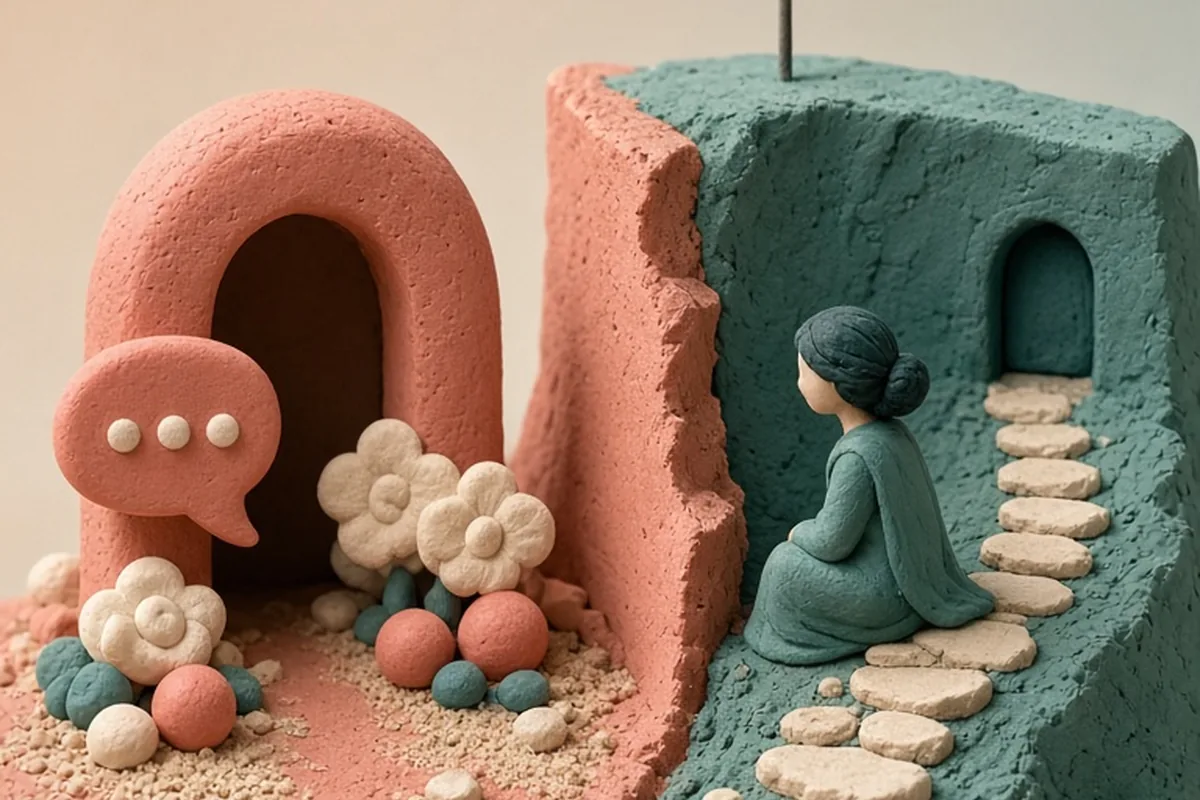
Women with an INTJ personality profile often prioritize logical analysis, direct communication, and personal autonomy over conventional social rituals. While individual personalities vary widely, an INTJ woman typically evaluates situations through strategic problem-solving and long-range planning. She values intellectual compatibility and clear boundaries, which can sometimes be misinterpreted as aloofness by those expecting more traditional, expressive social conditioning.
Personality frameworks categorize cognitive preferences rather than rigid behaviors, yet societal expectations often influence how those traits are received in everyday life. When exploring whether INTJ women differ from broader demographic norms, the key lies in how their natural focus on efficiency, independence, and analytical reasoning interacts with cultural standards of communication and connection.
Direct Communication over Conventional Small Talk
In many social environments, casual conversation relies heavily on social pleasantries, conversational cushioning, and subtle hints. An INTJ woman generally prefers direct, efficient dialogue that conveys substantive information or explores complex concepts. She often views excessive verbal hedging as inefficient or confusing, choosing instead to state thoughts, preferences, and observations clearly. This preference is not meant to create distance; rather, it reflects a desire for honest, unambiguous interaction where both people understand exactly where they stand.
For example, during a project discussion or a casual date, she is more likely to ask straightforward questions about goals, values, or systems rather than trading polite generalities. While this directness eliminates second-guessing and speeds up genuine understanding, it can occasionally surprise individuals accustomed to indirect communication. Recognizing that her frank tone represents clarity and respect—rather than hostility or disinterest—helps prevent unnecessary misinterpretations and lays the groundwork for productive dialogue.
A practical balance involves recognizing the functional role of casual conversation while staying true to substantive communication. An INTJ woman may choose to participate in light conversation as a comfortable bridge toward deeper topics, while a conversation partner can support the interaction by engaging with her ideas directly rather than searching for hidden meanings that are not there.
Analytical Thinking and Independent Decision-Making
Strategic evaluation and self-reliance are central to how an INTJ woman navigates personal and professional challenges. She typically processes circumstances by examining underlying patterns, anticipating long-term consequences, and designing structured solutions. When faced with a significant choice—such as a career transition, a major purchase, or a lifestyle shift—she tends to consult evidence and logic before seeking external validation or emotional consensus.
This independent approach means she rarely makes decisions based on social pressure or traditional expectations alone. In practical terms, she welcomes constructive input and well-reasoned perspectives from people she respects, but she ultimately retains ownership over her choices. Partners and colleagues who value autonomy find this trait refreshing, as it fosters dependable, self-directed partnerships where neither party needs to manage the other's responsibilities.
The natural trade-off of this intense self-reliance is the risk of shouldering complex burdens entirely alone. Learning to delegate or invite trusted perspectives during high-stress situations allows an INTJ woman to maintain her core independence without isolating herself from valuable support systems.
How Emotional Depth Operates Beneath a Composed Exterior
Because an INTJ woman frequently presents a calm, measured exterior, others may mistakenly assume she lacks emotional sensitivity or warmth. In reality, her internal emotional life is often rich and deeply felt, but she treats vulnerability as private and sacred. Rather than processing feelings publicly or reacting impulsively in the moment, she usually steps back to understand her emotions internally before deciding how or when to express them.
When an INTJ woman cares about someone, her support tends to manifest through practical acts, quiet loyalty, and problem-solving rather than dramatic emotional demonstrations. If a friend or partner is struggling, her instinct is often to offer concrete assistance, analyze the root cause of the difficulty, or help create a sustainable path forward. Recognizing this problem-solving orientation as a form of care helps prevent misunderstandings about her emotional investment.
Developing mutual trust requires patience from both sides. When partners create an environment free from judgment or emotional demands, an INTJ woman feels safe sharing her inner world. In turn, she can practice verbally acknowledging the emotional experiences of others alongside her natural instinct to provide solutions.
Guarded Social Energy and the Necessity of Solitude
Introversion in an INTJ woman is not simply a preference for quiet; it is an essential requirement for mental clarity and energy management. Navigating large gatherings, unstructured networking events, or emotionally charged environments expends significant cognitive resources. Consequently, she is typically intentional about where, when, and with whom she spends her time, prioritizing a small circle of trusted companions over extensive social networks.
A regular need for uninterrupted solitude allows her to read, research, work on personal projects, and recharge. In a shared living situation or romantic partnership, this might look like spending an evening in a separate room absorbed in a hobby. When both partners understand that this space is restorative rather than a rejection of the relationship, it prevents feelings of insecurity and keeps the bond healthy.
To manage this dynamic successfully, explicit scheduling and proactive communication work best. Stating a need for quiet downtime before exhaustion sets in ensures that personal boundaries are respected while maintaining consistent connection with loved ones.
Dating Dynamics, Intentionality, and Mutual Respect
In romantic relationships, an INTJ woman generally values intentionality and long-term compatibility over casual validation or manipulative dating games. She is drawn to individuals who demonstrate emotional stability, intellectual curiosity, and self-respect. Ambiguity, passive-aggressive remarks, or artificial attempts to create jealousy are often met with immediate disengagement, as she views such tactics as indicators of poor communication.
When dating, she appreciates clear plans, thoughtful conversations, and partners who follow through on their commitments. She is comfortable discussing expectations early on, preferring to know whether core values align before investing significant time and emotional energy. This clarity allows both individuals to make informed, mutual decisions about the future of the connection.
A healthy dynamic develops when both people appreciate each other's individuality. Respecting her autonomy while showing genuine interest in her thoughts creates a foundation of equal partnership, where neither person feels constrained by rigid traditional roles.
Navigating Common Misconceptions Without Stereotyping
Because cultural expectations often encourage women to prioritize social harmony, nurturing gestures, and visible emotional expression, an INTJ woman may face misjudgments regarding her character. Being direct can be mischaracterized as harsh, while a focused resting expression might be interpreted as unapproachable. These assumptions reflect societal conditioning rather than the reality of her personality.
It is equally vital to avoid treating personality typology as an absolute blueprint. Every INTJ woman is shaped by her unique upbringing, culture, career, and personal values. Two individuals sharing the same cognitive profile may express themselves differently depending on their life experiences, emotional maturity, and personal interests.
Approaching any woman as an individual—rather than a collection of personality labels—ensures that connections remain grounded in reality. Observing how she communicates, listening to her actual perspectives, and respecting her stated boundaries will always provide clearer insights than relying on general profiles.
Practical Ways to Foster Trust and Intellectual Compatibility
Building a strong connection with an INTJ woman begins with intellectual engagement and consistent behavior. Demonstrating curiosity about her interests, sharing well-considered opinions, and being willing to engage in reasoned discussions without taking ideological disagreements personally build mutual respect. She values depth over superficial charm, making authentic curiosity a powerful bridge.
Conflict resolution is most productive when approached with calm logic and specific examples. During disagreements, focusing on the factual issues at hand, acknowledging personal accountability, and collaborating on practical adjustments creates positive outcomes. Avoiding emotional guilt trips or silent treatments preserves mutual trust and reinforces a constructive partnership.
Ultimately, sustainable relationships with an INTJ woman are characterized by balance: intellectual partnership, shared respect for independence, and steady emotional reliability that grows stronger over time.
Illustrative Scenarios
Clarifying Intentions on an Early Date
During a second dinner date at a quiet restaurant, Elena asked Mark direct questions about his long-term career trajectory and personal values. Mark initially felt put on the spot, wondering if he was being critically evaluated or rushed into serious commitments. Instead of becoming defensive, Mark calmly stated his perspective and asked Elena what prompted her questions. Elena explained that she simply valued alignment and preferred transparent conversations over weeks of ambiguous guessing. Realizing her straightforward questions came from clarity rather than judgment, Mark felt comfortable sharing his genuine goals, turning a tense moment into a productive conversation.
Key point: Direct questions often signal a desire for honest clarity rather than critical judgment, and addressing them calmly reveals true compatibility.
Communicating the Need for Solitude in a Relationship
After moving into an apartment together, Sarah began spending several hours each Sunday reading alone in the study with the door closed. Her partner, David, initially worried that she was withdrawing due to an unresolved disagreement or fading affection. Rather than letting resentment build, David asked her gently during dinner how she was feeling about their shared routine. Sarah clarified that solitary time was essential for her to recharge after a demanding workweek and had nothing to do with her feelings for him. Together, they agreed on a routine where quiet independent time was built into their weekends naturally.
Key point: Proactively discussing boundaries around personal downtime prevents partners from misinterpreting necessary solitude as emotional distance.
Frequently asked questions
Do INTJ women struggle with emotional vulnerability?
An INTJ woman experiences deep emotions but usually processes them internally before expressing them outwardly. She tends to share vulnerability selectively once high levels of trust and psychological safety have been established.
How does an INTJ woman typically show romantic interest?
She demonstrates interest by dedicating focused time, initiating meaningful conversations, and offering practical support. Consistent attention and intellectual engagement are strong indicators of her investment.
Can an INTJ woman build a healthy relationship with a feeling-oriented partner?
Yes, complementary personality types can create balanced relationships when both individuals practice mutual respect. Success depends on clear communication, where logical problem-solving and emotional validation are equally valued.
Why are INTJ women often described as rare?
Statistical distributions within personality typology frameworks indicate that the INTJ combination occurs less frequently among women compared to other profiles. However, these frameworks describe cognitive preferences rather than rigid behavioral limitations.
Your next step
Choose direct, honest communication in your next interaction by stating your thoughts clearly and allowing space for mutual independence.