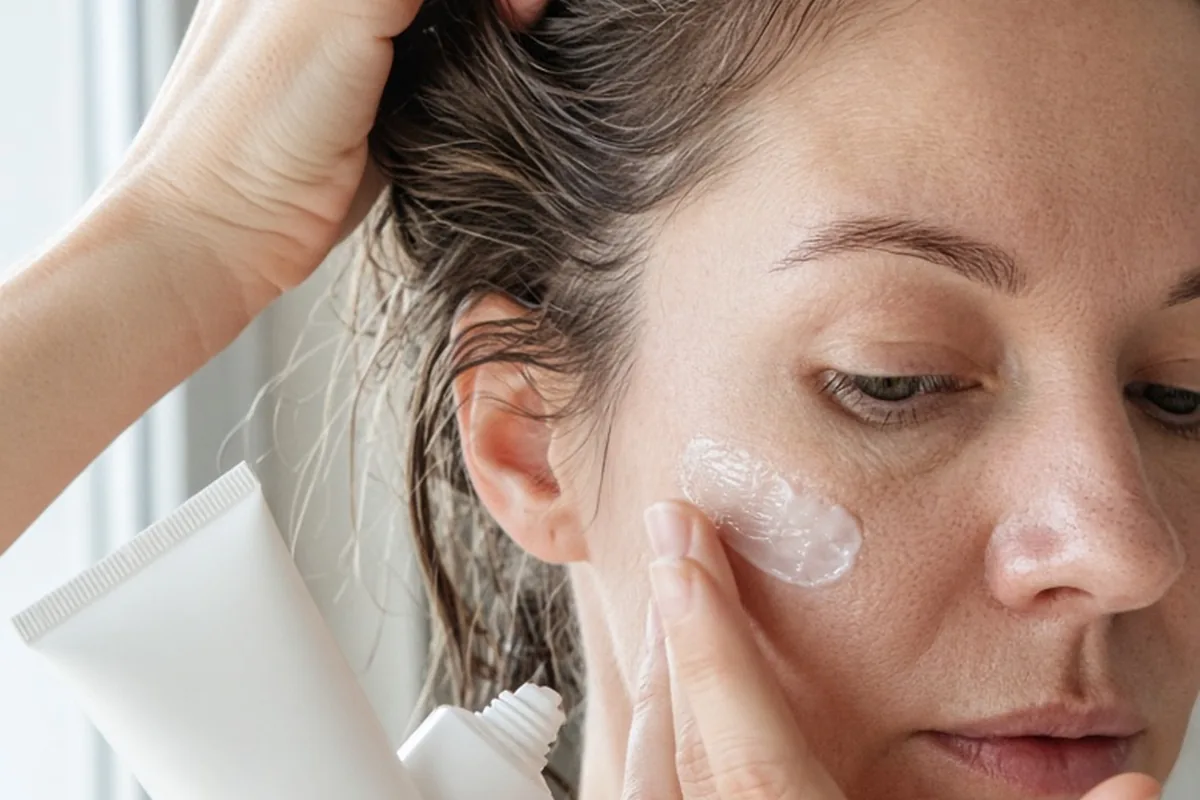
The best azelaic acid products balance an effective active concentration with a supportive base formula tailored to your primary skin concern. For persistent redness and reactive skin, lightweight soothing gels or fluid suspensions with ten percent azelaic acid work well, while dry or hyperpigmentation-prone skin often benefits from nourishing cream emulsions containing added barrier-strengthening ingredients.
Azelaic acid is a versatile dicarboxylic acid that addresses multiple common skin challenges simultaneously, from stubborn breakouts and post-inflammatory marks to generalized facial flushing. Navigating the available over-the-counter options requires looking beyond brand names to evaluate formulation textures, accompanying soothing agents, and realistic expectations for gradual skin improvements.
Understanding How Azelaic Acid Works on Different Skin Concerns
Azelaic acid performs several distinct functions within the upper layers of the skin, making it uniquely helpful for complex complexions that experience multiple issues at once. Unlike traditional alpha hydroxy acids that primarily dissolve surface bonds to peel the skin, azelaic acid works by normalizing the shedding of dead cells inside the pore lining while discouraging the proliferation of acne-associated bacteria. At the same time, it interrupts the overactivity of tyrosinase, an enzyme involved in producing excess melanin, which helps fade localized dark patches left behind after blemishes heal without lightening surrounding unaffected skin.
For individuals dealing with persistent flushing or sensitivity, azelaic acid helps calm reactive visual signals in the skin by dampening visible surface irritation. Because its mechanism is gentle and non-disruptive to the moisture barrier when used properly, it provides a functional alternative for those who cannot tolerate standard retinoids, direct salicylic acid solutions, or high-potency L-ascorbic acid formulas. However, azelaic acid requires consistent daily use over several weeks to produce noticeable shifts, as it works through steady biological regulation rather than rapid chemical resurfacing.
Choosing Between Gels, Creams, and Fluid Serums
The vehicle that delivers azelaic acid fundamentally alters how the product behaves on the skin and how comfortably it sits under other daily products. Azelaic acid is naturally difficult to dissolve in water, which means over-the-counter formulations often rely on silicone bases, rich emulsion systems, or specialized micro-suspensions. Understanding the physical properties of these vehicle bases helps you prevent common cosmetic frustrations like product balling, uneven spreading, or unexpected daytime oiliness.
Silicone-based gel suspensions create a smooth, matte finish that works exceptionally well for oily T-zones and surface congestion, but they can easily pill if applied under thick water-based moisturizers or heavy liquid foundations. Cream-based emulsions disperse the active ingredient alongside nourishing lipids and emollient oils, making them ideal for dry, flaky, or easily dehydrated skin types that need immediate comfort. Fluid serums and lightweight liquid suspensions blend into skin quickly and layer seamlessly into multi-step routines, though they may contain penetration enhancers that occasionally cause initial prickling on highly sensitive skin barriers.
Evaluating Over-the-Counter Concentrations and Formulation Ingredients
Most non-prescription azelaic acid products contain a concentration of ten percent, which has been widely shown to deliver noticeable improvements in skin tone clarity and redness reduction with minimal irritation. While prescription strengths typically range from fifteen to twenty percent in specialized gel or foam bases, a well-formulated ten percent over-the-counter product offers substantial everyday benefits, particularly when combined with synergistic supporting ingredients in the same bottle.
When reading an ingredient label, look for formulas that bolster azelaic acid with calming and hydrating agents to offset potential dryness. Ingredients like niacinamide, colloidal oat extract, panthenol, and green tea leaf extract help comfort the skin and support tone uniformity. Conversely, if your skin is prone to barrier disruption, avoid formulas that pack excessive botanical essential oils, denatured alcohol, or unnecessary synthetic perfumes alongside the active acid, as these additives can trigger burning sensations and counteract the soothing properties of the treatment.
Formulation Profiles for Specific Skin Types and Goals
Selecting the right product profile depends heavily on whether your primary goal is clearing blemishes, soothing generalized redness, or balancing uneven pigmentation across your cheeks and forehead. Matching your exact symptom profile to the surrounding ingredients ensures you do not inadvertently aggravate one condition while trying to treat another.
If your primary focus is persistent redness and sensitivity, prioritize a fragrance-free, lotion-style formula containing centella asiatica or ceramides, which cushion the acid and reinforce the skin barrier against moisture loss. For those targeting stubborn post-blemish dark marks, look for formulations that pair azelaic acid with mild brighteners such as tranexamic acid or licorice root extract. If you are primarily managing clogged pores and midday shine, a minimalist suspension with oil-absorbing silicones or mattifying polymers will keep the skin looking balanced while the active works within the follicles.
- For redness and rosacea-prone skin: Cream or lotion vehicles rich in ceramides, panthenol, and soothing oat extracts.
- For post-acne marks and dark spots: Lightweight fluid serums paired with tranexamic acid, arbutin, or niacinamide.
- For blackheads and oily congestion: Fast-absorbing matte gel-suspensions with minimal heavy occlusive oils.
How to Layer Azelaic Acid into Your Daily Routine
Azelaic acid is remarkably flexible and can be incorporated into either your morning or evening skincare sequence depending on your preferences and product textures. Because it is not photosensitizing on its own, morning use is safe and provides antioxidant protection throughout the day, provided it is always followed by a broad-spectrum sunscreen with an SPF rating of thirty or higher. If your chosen formula has a thicker suspension texture, placing it in the evening routine prevents any potential interaction with daytime makeup.
To introduce azelaic acid smoothly, start by cleansing with a mild, non-stripping face wash and gently patting your skin completely dry. Applying azelaic acid to damp skin can increase absorption speed and trigger temporary itching or tingling, so allowing your face to dry for a minute is a practical way to minimize sensation. Dispense a pea-sized amount, smooth it evenly across the entire face rather than merely spot-treating, and allow it to settle for sixty seconds before following with your regular moisturizer to seal in hydration.
Managing Common Side Effects and Layering Pitfalls
During the first one to two weeks of using azelaic acid, it is common to experience a mild prickling, tingling, or itching sensation immediately after application that subsides within ten to fifteen minutes. This transient sensation does not necessarily mean your skin is having an allergic reaction, but rather reflects how the acid interacts with surface nerve endings during initial absorption. If the tingling feels uncomfortable, you can apply your moisturizer first, let it absorb, and then apply the azelaic acid on top to buffer its delivery.
Take care when combining azelaic acid with other strong active ingredients like prescription retinoids, high-percentage glycolic acid, or strong benzoyl peroxide washes. While azelaic acid pairs well with many actives over time, introducing multiple potent treatments on the same evening can overwhelm your skin barrier and lead to persistent flaking, redness, and tightness. Alternate your treatments across different nights or use azelaic acid in the morning and your retinoid at night once your skin has fully adjusted to both products.
Illustrative Scenarios
Adjusting Application Method to Prevent Product Pilling and Tingling
A composite scenario involves Jordan, who had combination skin with mild persistent redness across the cheeks and occasional hormonal blemishes on the jawline. Jordan initially applied a ten percent azelaic acid suspension directly onto damp skin immediately after washing and followed it right away with a rich sunscreen, which resulted in intense itching and noticeable product pilling under daytime makeup. After switching the application strategy, Jordan let the face dry fully, applied a lightweight hydrating gel first to buffer the skin, smoothed on a pea-sized amount of azelaic acid, and waited two minutes before applying sunscreen.
Key point: Allowing the skin to dry completely before applying azelaic acid reduces initial prickling sensations, and giving the product time to set prevents cosmetic pilling when layering sun protection.
Frequently asked questions
Can I use azelaic acid every day?
Yes, most people can eventually use a ten percent over-the-counter azelaic acid once or twice daily. It is best to begin by applying it two to three times per week to assess tolerance before gradually increasing frequency as your skin acclimates.
How long does it take for azelaic acid to show results?
Initial improvements in surface texture and mild redness often appear within four to six weeks of consistent daily application. Fading stubborn post-inflammatory hyperpigmentation and smoothing deep congestion typically requires eight to twelve weeks of regular use.
Is azelaic acid better applied before or after moisturizer?
Applying it directly to clean, dry skin before moisturizer allows for maximum absorption and effectiveness. However, if you have sensitive skin or experience prickling, applying your moisturizer first serves as an effective buffer without negating the product benefits.
Can I use azelaic acid alongside vitamin C or retinol?
Yes, azelaic acid can be used in a routine that contains retinol or vitamin C once your skin is adapted to each active individually. To minimize irritation, apply vitamin C or azelaic acid in the morning and save retinol for your nighttime routine.
Your next step
Assess your primary skin goal and moisture needs to choose between a light gel suspension or a nourishing cream formula, then start by applying a pea-sized amount to dry skin three evenings per week.