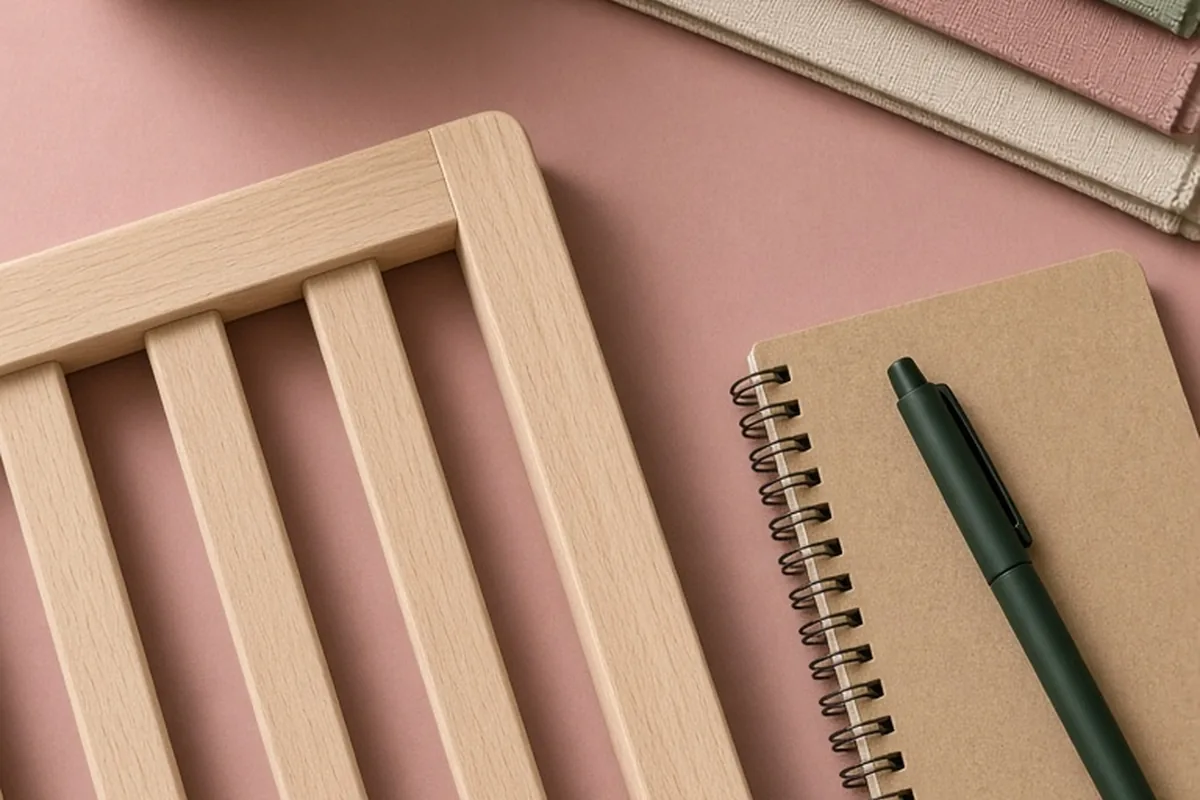
The best cribs prioritize structural rigidity, non-toxic finishes, standard safety compliance, and adaptable mattress heights. Rather than chasing ornate styling or novelty features, parents achieve the best long-term value by choosing a sturdy solid wood convertible model or a certified mini crib that fits their room dimensions, pairs securely with a firm mattress, and adheres to mandatory slat spacing standards.
Preparing a nursery often feels overwhelming because sleep safety guidance is uncompromising, while furniture showrooms emphasize aesthetics over daily functionality. Sorting through crib designs requires balancing room layout, anticipated family growth, and budget with mandatory construction standards that protect your infant through infancy and toddlerhood.
Mandatory Safety Standards and Structural Integrity
Modern nursery furniture is subject to strict manufacturing standards designed to eliminate entrapment and fall hazards. Standard crib slat spacing must be no wider than two and three-eighths inches apart to prevent an infant's body or head from slipping through. Drop-side rails have been prohibited from manufacture and retail sales for over a decade because movable hardware inevitably deteriorates and creates lethal gaps. Inspecting corner posts is equally vital, as any projection higher than one-sixteenth of an inch can snag infant clothing or sleepwear strings. A stable crib features a mattress support platform composed of heavy-gauge steel springs or thick wooden slats secured firmly to the corner posts.
When evaluating cribs online or in retail showrooms, assess joint construction and fastener quality rather than decorative appeal alone. Solid hardwoods such as beech, ash, or sustainable pine provide superior threading grip for steel bolts, meaning joints remain tight after repeated stress. Engineered composite boards or lightweight veneers can strip easily if an active child shakes the side rails. The trade-off for choosing heavy solid timber is noticeable during assembly and relocation, as these frames are significantly heavier and harder to maneuver through tight doorways. However, that mass provides essential stability once your baby starts pulling up and rocking against the frame.
Convertible Cribs Versus Dedicated Standalone Models
Convertible cribs, often marketed as three-in-one or four-in-one systems, adapt as a child grows by transforming into a toddler daybed, a toddler bed with a guardrail, and ultimately a full-size headboard and footboard. This adaptability offers appealing cost efficiency for families seeking a single furniture investment that lasts throughout childhood. For example, when your child reaches roughly thirty-five inches in height or begins attempting to climb out, removing the front slat panel and attaching a low conversion rail maintains a familiar sleeping environment without requiring an immediate mattress or frame purchase.
Despite their versatility, convertible frames carry distinct practical limitations that parents must factor into their nursery planning. Conversion kits, including specialized toddler guard rails and adult bed conversion brackets, are frequently sold separately and may be discontinued if you wait several years to buy them. Furthermore, teething infants routinely leave deep bite marks on the top rails, which can leave a convertible bed looking weathered by the time it is reassembled for an older child. For parents planning multiple children spaced closely together, a dedicated single-stage crib often makes more sense, allowing the original crib to be reused for a newborn while the older toddler moves into an independent bed.
Mini Cribs and Space-Saving Solutions for Compact Rooms
For urban apartments, secondary care spaces, or parents practicing room-sharing in smaller master bedrooms, mini cribs provide a dedicated sleep zone without dominating the room. Measuring roughly twenty-four by thirty-eight inches compared to standard cribs at twenty-eight by fifty-two inches, mini cribs navigate narrow hallways easily and fit neatly into alcoves or beside adult beds. Many mini models feature lockable caster wheels, allowing parents to move the infant between a home office and bedroom while keeping safe sleep parameters intact.
The primary drawback of a mini crib is its limited functional lifespan. While a standard crib easily accommodates a child up to age three, most toddlers outgrow the length of a mini crib between eighteen and twenty-four months. Additionally, mini crib mattresses and bedding are not universally standardized, requiring parents to verify mattress pad dimensions carefully to prevent loose, bunching sheets. For families with tight space constraints during the first year of life, however, a certified mini crib offers a safer and more durable alternative to lightweight portable playards.
Mattress Fit, Firmness, and Height Adjustability
A crib frame functions safely only when paired with a properly fitted mattress. Standard full-size crib mattresses must measure at least twenty-seven and one-quarter inches wide by fifty-one and five-eighths inches long, with a maximum thickness of six inches. To verify proper sizing, use the two-finger test: if you can slide more than two fingers between the mattress edge and the inner frame, the gap is dangerously wide and risks limb entrapment. Surface firmness is equally critical, as an infant sleep mattress must remain rigid and immediately regain its shape when pressed, providing an unyielding foundation that keeps infant airways clear.
Mattress support platforms typically feature three to four height settings that adapt to your child's physical development. The highest position is designed exclusively for newborns, sparing caregivers repetitive spinal strain during frequent overnight lift-outs and soothing routines. As soon as your infant demonstrates the ability to sit unassisted or roll onto hands and knees, the platform must be lowered to the middle tier. Once your baby can pull to a standing position, dropping the mattress to the lowest setting is mandatory to prevent tipping over the upper rail.
Materials, Finishes, and Indoor Air Quality Standards
Infants spend up to sixteen hours each day in their nursery, making chemical off-gassing and paint safety important considerations for parents. Independent third-party certifications, such as Greenguard Gold, verify that a finished crib has undergone rigorous environmental chamber testing for thousands of volatile organic compounds, formaldehyde, and phthalates. Choosing a certified low-emission crib helps preserve indoor air quality, which is especially beneficial in smaller nurseries with limited cross-ventilation or recently renovated living spaces.
The base material also dictates how well a crib withstands daily wear and oral exploration. Solid woods finished with water-based coatings, non-toxic plant oils, or unpigmented clear coats minimize the risk of harmful ingestion when teething toddlers inevitably gnaw on the railings. In contrast, cheaper composite furniture manufactured with urea-formaldehyde adhesives can release lingering chemical odors. While solid wood models carry higher price tags, their resilient density resists splitting, holds structural hardware tightly, and maintains surface integrity throughout years of active nursery use.
Budget Allocation and Long-Term Nursery Costs
Calculating the true financial investment in an infant sleep setup requires looking beyond the retail price of the crib itself. A comprehensive sleep station budget must account for a certified firm mattress, multiple fitted cotton sheets, waterproof mattress protectors, and conversion hardware. Budget-tier cribs priced around two hundred dollars often exclude the specialized toddler rails needed for later stages, which can add significant unexpected costs down the road and diminish the initial savings of a promotional package.
To achieve genuine value, focus your funds on structural durability and core mattress quality rather than elaborate decorative embellishments such as curved headboards or hand-carved accents. Secondhand cribs should be approached with extreme caution; older models may feature worn joint hardware, non-compliant slat dimensions, or dangerous modifications made by prior owners. Investing in a straightforward, mid-priced solid wood crib from a reputable brand ensures access to standardized replacement hardware, warranty support, and documented compliance with current safety regulations.
Frequently asked questions
When should I lower the crib mattress to its lowest setting?
You should lower the mattress to the lowest position as soon as your baby can pull up to a standing position independently. This prevents top-heavy toddlers from leaning over and accidentally tipping out of the crib. The middle position should be used earlier, as soon as your infant can sit up or push up on their hands and knees.
Is it safe to use a vintage or secondhand crib?
Using a vintage crib is unsafe because models made before current safety guidelines often feature toxic lead-based paints, decorative finials that catch clothing, and dangerous drop-side mechanisms. Even modern secondhand cribs carry risks if joint hardware has stripped or if the original assembly instructions and replacement parts are unavailable.
Do I need to buy the toddler conversion kit at the same time as the crib?
Purchasing the conversion kit alongside the crib is highly recommended because manufacturers frequently update or discontinue furniture collections over time. Waiting two or three years to purchase the matching toddler rail or bed conversion parts often leaves parents unable to find compatible hardware in the correct wood finish.
What is the main difference between a standard crib and a mini crib?
A standard crib measures roughly twenty-eight by fifty-two inches and accommodates children through age three or older, whereas a mini crib measures roughly twenty-four by thirty-eight inches. Mini cribs save substantial floor space and often feature wheels for mobility, but children typically outgrow them by eighteen to twenty-four months.
Your next step
Measure your nursery layout and doorways before purchasing, and pair a solidly built, certified wood crib with a firm, correctly sized mattress for long-lasting safety.