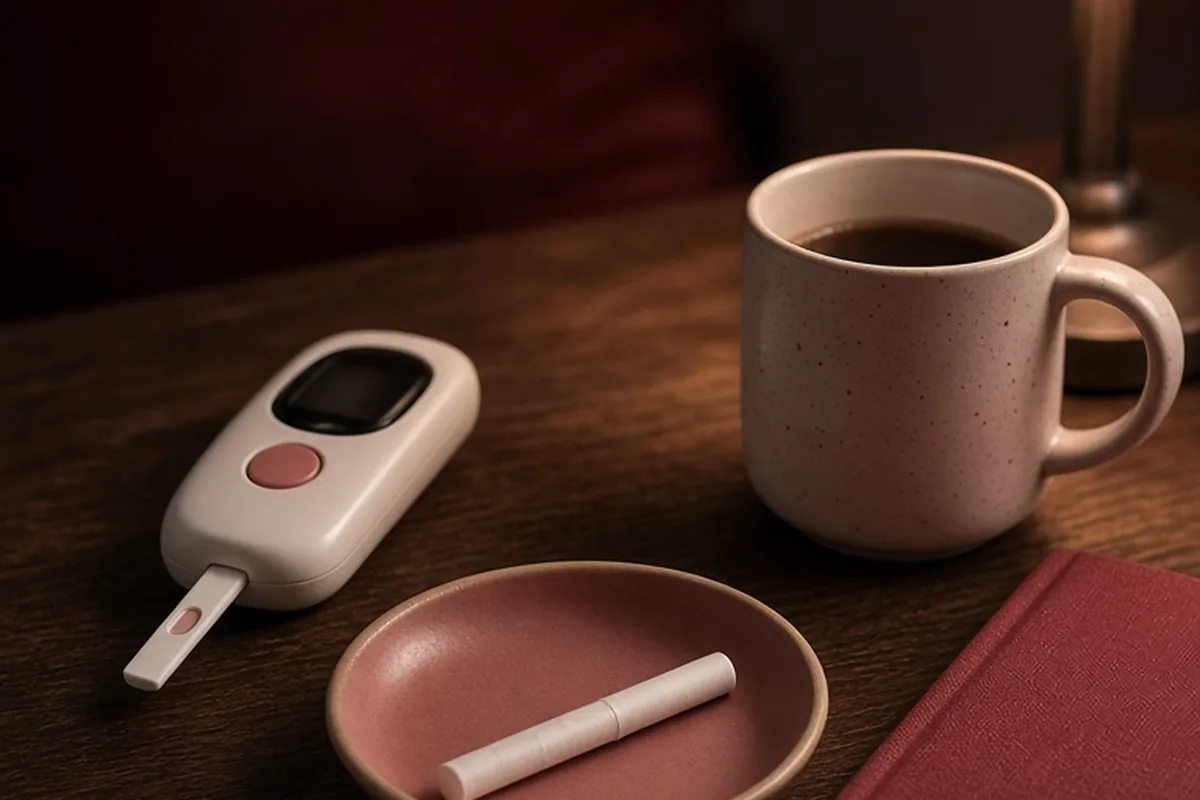
The best fertility monitors identify your fertile window by tracking biological indicators like urinary luteinizing hormone, estrogen, basal body temperature, or cervical mucus. Digital hormone analyzers provide precise daily hormone concentrations to pinpoint ovulation, while continuous temperature sensors track patterns overnight without morning disruption. Choosing the right device depends on your cycle regularity, tracking comfort, daily routine, and ongoing testing supply budget.
Understanding your reproductive cycle can feel overwhelming when balancing schedules, timing, and changing bodily signals. Selecting a dedicated fertility monitor helps remove guesswork by transforming complex physiological shifts into clear, actionable data each morning.
How Modern Fertility Monitors Track Ovulation Windows
Fertility monitors are designed to help you pinpoint the days in your menstrual cycle when intercourse is most likely to result in conception. The biological window of peak fertility spans roughly six days, ending shortly after ovulation occurs. Because sperm can survive in the reproductive tract for up to five days under favorable conditions while an unfertilized egg survives for twelve to twenty-four hours, detecting the onset of your fertile window in advance is far more valuable than simply knowing ovulation has already passed.
Modern devices accomplish this by measuring specific biomarkers that fluctuate predictably throughout your cycle. Digital urine analyzers measure estrogen metabolites such as estrone-3-glucuronide alongside luteinizing hormone. A rise in estrogen typically signals the opening of the fertile window several days before ovulation, while a surge in luteinizing hormone indicates that ovulation is likely to occur within the next twenty-four to thirty-six hours. Alternatively, wearable devices track changes in basal body temperature or skin temperature, which rise slightly in response to progesterone production after ovulation has taken place, thereby confirming that the egg was successfully released.
For example, a person using a dual-hormone digital monitor might see an alert for high fertility when estrogen begins climbing on cycle day ten, followed by a peak fertility indicator when luteinizing hormone surges on cycle day thirteen. This gives the couple a multi-day heads-up rather than just a last-minute notice. However, a key limitation of relying solely on post-ovulatory temperature shifts is that they confirm ovulation after the fact, making combined biomarker tracking or multi-cycle trend analysis essential for predicting future windows accurately.
Comparing Digital Urine Analyzers and Wearable Temperature Sensors
The two primary categories of fertility monitors on the market are quantitative or semi-quantitative urine hormone analyzers and continuous wearable temperature sensors. Understanding how these technologies differ in mechanism and daily interaction is crucial when selecting the device that best aligns with your daily habits.
Urine-based digital analyzers use optical scanners or electrochemical sensors inside dedicated readers or smartphone camera attachments to interpret test test strips. Instead of forcing you to judge subtle line darkness on standard paper strips, these systems convert light reflectance into numeric hormone values or clear digital readouts like low, high, or peak fertility. Some advanced monitors even track progesterone metabolites such as pregnanediol glucuronide in urine to confirm successful ovulation several days after the peak reading.
Wearable monitors, by contrast, take the form of armbands, rings, or sensor patches that you wear during sleep to record continuous basal body temperature. Standard oral basal body temperature tracking requires waking at the exact same minute every morning before moving or speaking, which can cause significant stress or distorted readings if you wake up during the night. Wearables overcome this challenge by recording thousands of data points overnight and using internal smoothing algorithms to identify your true baseline resting temperature. While wearables require minimal morning effort, they do not give the multi-day advance warning that urine estrogen tests provide, meaning many users find the greatest clarity by pairing wearable data with mid-cycle urine test strips.
Matching Monitor Features to Your Cycle Regularity
Your unique cycle length and consistency should heavily influence which monitor you choose. Many standard fertility monitors and predictive apps rely on baseline algorithms that assume a regular cycle between twenty-six and thirty-two days, prompting you to begin testing on a set cycle day. If your cycle naturally varies or if you experience conditions like polycystic ovary syndrome, a rigid monitor may prompt tests at the wrong times or misinterpret baseline hormone variations.
Individuals with irregular cycles often experience extended follicular phases, delayed ovulation, or multiple LH surges where the body attempts to ovulate before successfully doing so. In these situations, a basic threshold test that only displays positive or negative results can yield false alarms. A quantitative monitor that plots actual numerical hormone trends allows you to observe whether an LH rise is a minor fluctuation or a true sustained surge accompanied by previous estrogen elevation.
For instance, someone with cycles ranging from thirty-two to forty-five days might waste dozens of expensive test strips if guided by an inflexible device that expects ovulation on cycle day fourteen. A flexible system that pairs quantitative data with continuous overnight temperature tracking helps this user recognize the genuine pre-ovulatory hormone rise and verify subsequent thermal shifts, avoiding premature assumptions. The primary trade-off is that testing across longer cycles inevitably requires more consumable test cartridges, which increases ongoing costs.
Evaluating Ongoing Costs, Subscriptions, and Long-Term Value
When budgeting for a fertility monitor, looking only at the initial hardware purchase price can be misleading. Different tracking systems rely on fundamentally different financial models, ranging from one-time hardware purchases to recurring monthly memberships and recurring consumable supply costs.
Wearable temperature sensors generally feature a higher upfront device cost, often ranging between one hundred fifty and three hundred dollars, but they typically require few or no recurring physical consumables. Some wearable brands, however, require an ongoing app subscription to unlock detailed cycle charts, symptom logging, or predictive analytics. If you plan to track for several months or preserve data for future family planning, these monthly app fees can accumulate significantly over a year.
Digital urine monitors typically have a moderate initial hardware cost but rely on proprietary test sticks or cartridges that must be repurchased every cycle. A standard testing routine might consume ten to twenty test strips per month, creating an ongoing monthly expense that can easily reach thirty to sixty dollars. Before committing to a specific hardware ecosystem, calculate your projected six-month and twelve-month total ownership expenses, and confirm whether the companion mobile application requires a paid tier to access basic fertility predictions.
Establishing Consistent Testing Habits and Avoiding Common Errors
Even the most sophisticated fertility monitor cannot deliver dependable data if testing protocols are applied inconsistently. Small daily variables in hydration, collection timing, and sleep patterns can alter biomarker readings and lead to confusing results.
For urine-based monitors, testing with first-morning urine is standard for estrogen and baseline readings because the urine is concentrated after hours of sleep. However, luteinizing hormone is often synthesized early in the morning and appears in urine during the early afternoon. Following the specific manufacturer guidelines for your device is vital: some monitors are calibrated exclusively for morning testing, whereas others recommend testing between noon and eight in the evening with a two-hour liquid restriction beforehand to prevent sample dilution.
Similarly, wearable temperature sensors require consistent placement against the skin to avoid false dips or spikes. A loose armband, a shifting ring, or sleeping in an environment with extreme ambient temperature fluctuations can introduce noise into your thermal graph. Consider a common scenario where a user consumes two glasses of wine or experiences interrupted sleep due to travel; their basal temperature the next morning may read artificially elevated. Documenting lifestyle context within your tracking app ensures you do not mistake an alcohol-induced thermal rise for confirmed ovulation.
Integrating Monitor Data with Clinical Care and Medical Consultations
A fertility monitor provides valuable personal insights, but it is ultimately a tracking tool rather than a diagnostic medical device. Collecting organized, multi-month cycle records can significantly streamline conversations with your gynecologist or reproductive endocrinologist if conception does not occur within expected timeframes.
When preparing for a clinical appointment, export raw trend charts that illustrate both your pre-ovulatory hormone surges and post-ovulatory temperature shifts across at least three consecutive cycles. Physicians look for specific patterns, such as the duration of your luteal phase—the time between ovulation and your next period—which should ideally last eleven to sixteen days to allow proper implantation. Presenting clean objective data can help your healthcare provider determine whether further clinical testing, such as comprehensive serum bloodwork, ultrasound follicle scans, or semen analysis, is appropriate.
Remember that at-home monitors cannot evaluate physical factors like fallopian tube patency, structural uterine health, or sperm parameters. If you have been tracking timed intercourse accurately for twelve months—or six months if you are thirty-five or older—sharing your monitor logs with a healthcare professional is a practical and proactive next step to ensure you receive comprehensive support.
Illustrative Scenarios
Choosing Between Digital Hormones and Overnight Wearables
Jordan had irregular sleep patterns due to rotating work shifts and found it impossible to take oral temperatures at the same time each morning. After struggling with basic paper ovulation strips that produced faint, ambiguous lines for days, Jordan switched to a quantitative digital urine monitor paired with an overnight temperature sensor. The urine analyzer identified a clear three-day estrogen rise followed by an LH surge on cycle day nineteen, while the overnight sensor recorded a sustained temperature shift two days later, confirming ovulation despite the shifting work schedule.
Key point: Combining numerical hormone values with passive overnight temperature tracking eliminates guesswork and accommodates demanding or irregular daily routines.
Frequently asked questions
Can a fertility monitor guarantee pregnancy within a specific timeframe?
No device can guarantee conception because pregnancy depends on many physiological factors beyond ovulation timing, including sperm health, egg quality, and anatomical factors. A fertility monitor simply helps you identify your fertile window so you can time intercourse effectively.
What is the difference between standard ovulation test strips and a digital fertility monitor?
Standard test strips use qualitative lines that require subjective visual interpretation to detect if luteinizing hormone exceeds a single baseline threshold. Digital fertility monitors use optical or electronic sensors to measure precise hormone levels or track multiple biomarkers like estrogen and basal temperature, providing clearer window predictions.
How many months of data does a fertility monitor need to become accurate?
Most monitors provide useful day-to-day readings during your first cycle, but their predictive algorithms generally improve after two to three full cycles of consistent data collection. Tracking multiple cycles helps the software establish your baseline hormone ranges and typical phase lengths.
Can I use a fertility monitor if I have irregular periods or PCOS?
Yes, but you should look for monitors that display quantitative hormone values and offer continuous temperature tracking rather than rigid calendar-based alerts. Quantitative monitors let you see the actual progression of hormone changes even if your fertile window occurs later in your cycle.
Your next step
Assess your cycle regularity and daily morning routine, then choose a monitor model that fits your preferred tracking method and ongoing monthly budget before tracking for three consecutive cycles.