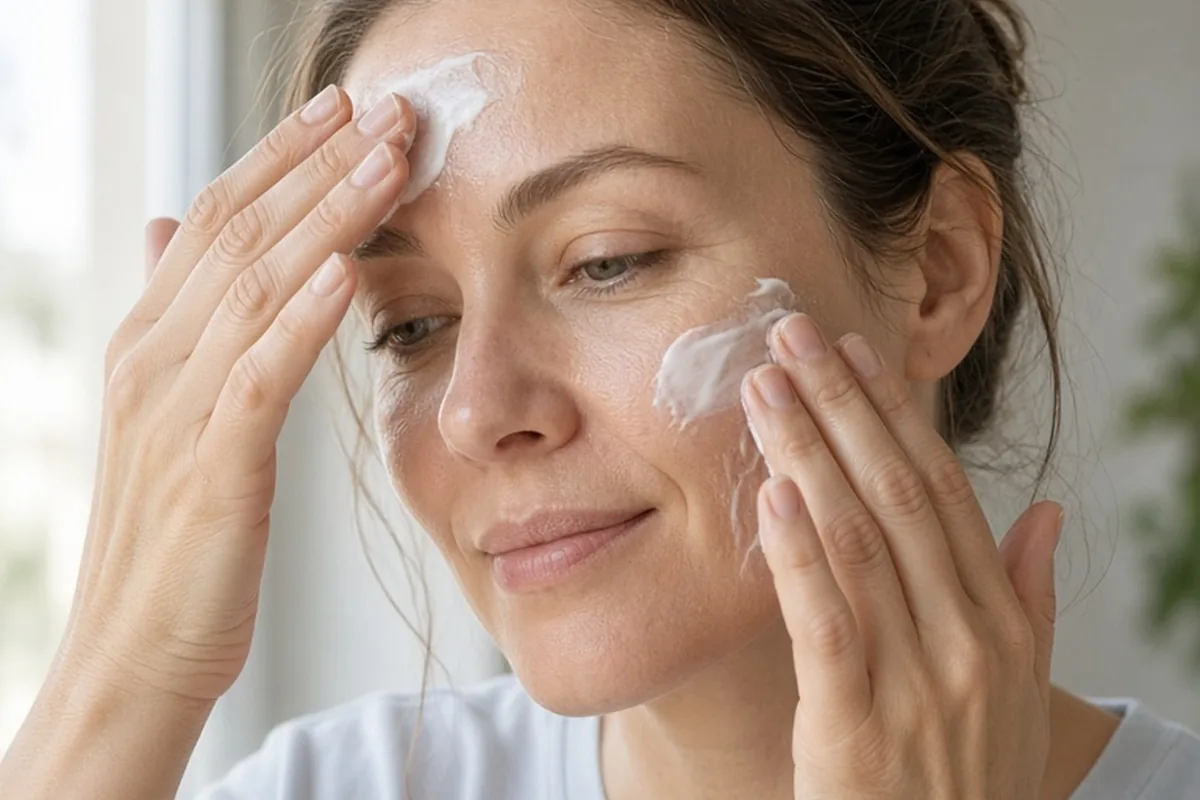
The best sunscreen for sensitive skin is typically a broad-spectrum mineral formula featuring zinc oxide or titanium dioxide without added fragrance. Mineral UV filters rest on the skin surface rather than penetrating deeply, significantly reducing the likelihood of stinging, heat sensations, or contact dermatitis. Selecting lightweight lotions containing barrier-supporting ingredients like ceramides or glycerin helps maintain daily comfort while avoiding drying alcohols and common chemical sensitizers.
Navigating daily sun protection with easily irritated skin often feels like choosing between burning from UV exposure or stinging from product application. Understanding how different formulations interact with a compromised moisture barrier simplifies the search for reliable, irritation-free defense.
Understanding Mineral and Chemical UV Filters on Reactive Skin
Sunscreen active ingredients fall into two main categories: mineral (physical) filters and chemical (organic) filters. Mineral sunscreens rely on zinc oxide and titanium dioxide, which sit directly on the skin surface to reflect, scatter, and absorb ultraviolet radiation. Because these mineral particles do not absorb deeply into the epidermis, they rarely trigger inflammatory cascades or allergic reactions. Zinc oxide is particularly favored in sensitive skin formulations because it inherently possesses mild skin-soothing properties, making it well-tolerated by individuals prone to rosacea, eczema, or post-procedure redness.
Chemical sunscreens utilize active compounds such as avobenzone, octisalate, homosalate, and octocrylene to absorb UV rays and convert them into harmless heat energy released from the skin. While modern chemical formulations offer elegant, invisible finishes, the chemical transformation process and the nature of the filters themselves can cause localized heat flare-ups, stinging around the eyes, or allergic contact dermatitis in reactive skin types. A practical trade-off to consider with mineral options is their tendency to leave a visible white residue, particularly on deeper complexions, although newer micronized and tinted mineral formulas help overcome this cosmetic challenge without compromising gentle performance.
Common Formulation Irritants to Screen on Product Labels
Even when a sunscreen utilizes gentle active filters, the inactive ingredient base can still cause significant irritation if it contains common sensitizers. Fragrance represents the leading cause of cosmetic-related allergic contact dermatitis, whether it appears as synthetic perfume or natural essential oils such as lavender, eucalyptus, or citrus extracts. When evaluating sunscreen packaging, checking the ingredient list for terms like parfum, linalool, limonene, or fragrance helps ensure the formula is genuinely inert and suitable for daily barrier preservation.
Drying alcohols, such as alcohol denat, ethanol, or isopropyl alcohol, are frequently added to sunscreens to create a quick-drying, matte texture. While convenient for oily complexions, high concentrations of simple alcohols strip the skin of natural lipids, leading to increased trans-epidermal water loss, flaking, and heightened reactivity. Preservatives like methylisothiazolinone or heavy concentrations of certain chemical stabilizers can also provoke sensitivity. Choosing formulas specifically labeled as hypoallergenic, fragrance-free, and tested on sensitive skin provides an extra layer of assurance against unexpected flare-ups.
- Synthetic fragrances and aromatic masking agents
- Natural plant extracts and volatile essential oils (e.g., citrus, tea tree, lavender)
- High concentrations of drying alcohols (alcohol denat, isopropyl alcohol)
- Sensitizing chemical filters if previous reactivity has occurred (e.g., oxybenzone, avobenzone)
Soothing Ingredients That Strengthen a Delicate Skin Barrier
The best daily sunscreens for reactive complexions do more than simply deflect UV light; they actively nourish and repair the stratum corneum. Sun exposure naturally places oxidative stress on the skin, which can weaken an already delicate protective barrier. Sunscreens enriched with barrier-identical lipids like ceramides, cholesterol, and fatty acids help restore structural integrity, ensuring that skin retains essential hydration while remaining resilient against external environmental stressors.
Humectants and botanical calming agents provide immediate comfort upon application. Ingredients such as glycerin, hyaluronic acid, allantoin, and colloidal oatmeal draw moisture into the surface layers while quelling existing visible redness or tightness. For example, a zinc oxide formula that incorporates centella asiatica (cica) or bisabolol offers dual benefits by calming active reactivity while delivering broad-spectrum SPF protection. However, incorporating too many complex botanical actives at once can sometimes increase the chance of individual sensitivity, so minimalistic ingredient lists with proven hydrators remain the safest choice.
Selecting the Right Texture for Your Secondary Skin Concerns
Sensitive skin is a condition that can coexist with dry, oily, combination, or acne-prone skin types, making texture selection critical for consistent daily adherence. If you have sensitive, dry skin, look for richer cream or lotion formats containing nourishing emollient bases such as squalane or shea butter. These emollients cushion the skin, prevent tightness throughout the day, and create a comfortable shield that locks in moisture without causing friction during application.
If you manage sensitivity alongside oiliness or active acne, heavy creams can feel occlusive and potentially lead to clogged pores. In this scenario, oil-free fluid suspensions, lightweight mineral gels, or sheer milks offer sun defense without excess weight. Tinted mineral sunscreens are an outstanding option across multiple skin profiles; the iron oxides used for tinting neutralize the chalky cast of zinc oxide while offering bonus protection against visible blue light, which is known to exacerbate hyperpigmentation in sensitive, melasma-prone skin.
How to Properly Patch Test a New Sunscreen Formula
Introducing a new sun protection product requires patience, as applying an untested formula across the entire face can trigger widespread irritation if an incompatibility exists. A reliable patch testing routine begins by applying a dime-sized amount of product to a discreet, sensitive area, such as behind the ear or along the side of the lower jawline. Leave the product on for 24 to 48 hours while monitoring the test site for any adverse sensations or visible changes.
Look closely for subtle signs of contact dermatitis, including itching, localized heat, small red bumps, or flaking. If no negative reaction occurs after 48 hours, proceed to test the product on a slightly larger area, such as one cheek, for an additional day before adopting it into your full-face routine. Should a reaction occur at any point, gently cleanse the area with a mild wash, apply a basic bland moisturizer, and avoid using the product further.
Application and Reapplication Techniques That Minimize Friction
Mechanical friction caused by aggressive rubbing is a frequent, overlooked trigger for facial redness and irritation. To protect sensitive skin during application, dispense the recommended amount of sunscreen—roughly one-quarter teaspoon for the face and neck—onto clean fingertips. Instead of rubbing the product vigorously across the face, dot it evenly across your forehead, cheeks, nose, and chin, then use gentle pressing and patting motions to blend the formula outward into a uniform layer.
Reapplication every two hours during extended sun exposure is necessary for continuous UV defense, but layering products over sensitive skin can sometimes feel heavy. If reapplying over bare skin, patting a fresh layer of lightweight mineral lotion directly over the face works well. When wearing makeup or managing mid-day shine, mineral brush-on powder sunscreens or cushion compacts provide a convenient way to top up protection without disturbing the underlying skin or causing unnecessary tugging.
Gentle Removal Methods That Protect the Skin Barrier
Mineral sunscreens, particularly water-resistant formulations, adhere firmly to the skin to ensure long-lasting UV defense. However, attempting to scrub them off with harsh surfactants or rough washcloths can severely compromise a fragile barrier. Gentle removal requires lifting water-resistant filters without stripping essential surface moisture, preventing the cycle of tightness and irritation that often follows evening cleansing.
A double cleansing routine using a gentle, fragrance-free cleansing oil, balm, or micellar water as the first step easily dissolves mineral filters and environmental debris without requiring vigorous pressure. Follow this first step with a mild, non-foaming cream or gel cleanser to wash away any remaining residue. This method cleanses the pores thoroughly while leaving the natural moisture mantle intact, preparing the skin for restorative nighttime hydration.
Illustrative Scenarios
Finding Daily Comfort with a Tinted Zinc Formula
Morgan had struggled for years with standard sunscreens causing stinging sensations around the eyes and noticeable facial flushing within minutes of application. After transitioning to a basic fragrance-free routine, Morgan tested an all-mineral tinted lotion featuring 12 percent zinc oxide and soothing ceramides. By patting the lotion gently over a simple moisturizer rather than rubbing, Morgan avoided mechanical irritation while the universal tint eliminated the chalky white cast on the skin.
Key point: Switching to pure mineral active filters and utilizing gentle patting application methods can eliminate stinging while providing balanced, invisible daily UV coverage.
Frequently asked questions
Is zinc oxide better than titanium dioxide for sensitive skin?
Both mineral filters are gentle and suitable for reactive complexions, but zinc oxide offers broader protection against both UVA and UVB rays on its own. Zinc oxide also provides natural anti-inflammatory and soothing properties that make it slightly preferable for individuals managing rosacea or acute barrier redness.
Can people with sensitive skin ever use chemical sunscreens?
Some individuals with mild sensitivity can tolerate modern, fragrance-free chemical filters without issues. However, if you experience regular stinging, heat sensations, or allergic dermatitis, pure mineral formulations remain the safest and most reliable default choice.
Why does sunscreen sting around my eyes and how can I prevent it?
Eye stinging is typically caused by chemical UV filters or volatile fragrances migrating into the delicate orbital area as the product warms on the skin. Using a dedicated 100 percent mineral sunscreen stick or lotion formulated with non-migrating waxes around the orbital bone prevents this burning sensation.
Your next step
Check the active ingredients on your current sunscreen and switch to a fragrance-free, mineral-based zinc oxide formula after performing a 48-hour jawline patch test.