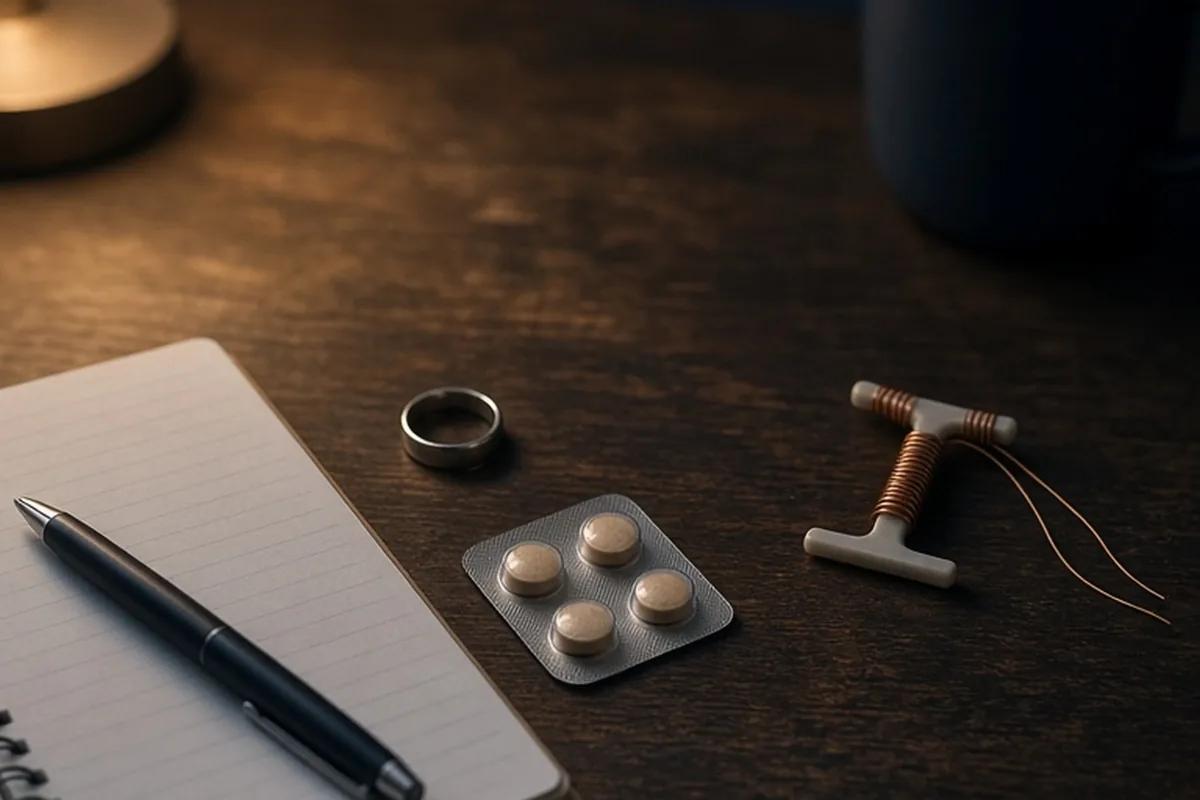
If you cannot take estrogen, your primary birth control options fall into two categories: progestin-only hormonal methods and non-hormonal methods. Progestin-only choices include the hormonal intrauterine device (IUD), the contraceptive arm implant, progestin-only birth control pills (minipills), and the contraceptive injection. Non-hormonal choices include the copper IUD, barrier methods like condoms and diaphragms, fertility awareness-based methods, and permanent sterilization. A qualified healthcare provider can evaluate your medical history to identify the safest, most effective method.
Many individuals need or prefer contraception that completely excludes estrogen due to underlying medical conditions, cardiovascular risk factors, medication interactions, or personal preference. Fortunately, modern reproductive healthcare offers a diverse range of reliable estrogen-free contraceptives that fit different routines, health requirements, and long-term family planning goals.
Medical Reasons Why Estrogen May Be Inadvisable
Estrogen is a standard component of combination birth control pills, contraceptive patches, and vaginal rings, where it works alongside progestin to suppress ovulation and regulate bleeding. However, estrogen can slightly elevate the risk of blood clots, high blood pressure, and cardiovascular events in specific populations. Clinicians follow established safety guidelines to identify patients who should avoid synthetic estrogen to protect their overall health.
Common medical reasons to avoid estrogen include a personal history of deep vein thrombosis, pulmonary embolism, stroke, or heart disease. Individuals who experience migraines with visual or sensory aura, those diagnosed with uncontrolled hypertension, people with active liver disease, and individuals with certain systemic autoimmune conditions like systemic lupus erythematosus with antiphospholipid antibodies are generally advised to choose estrogen-free alternatives. Additionally, individuals over age thirty-five who smoke tobacco, as well as people in the immediate postpartum or early breastfeeding period, frequently use estrogen-free methods to minimize vascular risks and support milk supply.
Further reading: CDC: Contraception and birth control methods
Further reading: Office on Women's Health
Long-Acting Reversible Contraception Without Estrogen
Long-acting reversible contraceptives (LARCs) represent some of the most reliable estrogen-free birth control methods available because they operate continuously without requiring daily, weekly, or coital intervention. Once placed by a trained healthcare professional, LARCs provide continuous protection against pregnancy for multiple years while remaining completely reversible whenever you decide to discontinue use or attempt pregnancy.
There are two primary categories of estrogen-free LARCs: the progestin-releasing subdermal implant and hormonal intrauterine devices. The contraceptive arm implant is a flexible rod inserted just beneath the skin of the upper arm, where it steadily releases etonogestrel to prevent ovulation and thicken cervical mucus. Hormonal IUDs are small, T-shaped devices placed inside the uterus that release levonorgestrel locally, primarily acting by thinning the uterine lining and thickening cervical mucus. Both options offer multi-year protection, minimal ongoing maintenance, and rapid returns to baseline fertility after removal.
Further reading: CDC: Contraception and birth control methods
Progestin-Only Short-Acting Contraceptive Methods
If you prefer an estrogen-free method that does not involve an in-office insertion procedure or long-term placement, short-acting progestin-only contraceptives provide flexible, user-managed alternatives. These methods deliver synthetic progestin to inhibit pregnancy through daily administration or regular clinic visits, allowing you to maintain greater direct control over your contraceptive schedule.
The progestin-only pill, commonly known as the minipill, contains no estrogen and must be taken every single day. Traditional norethindrone minipills require strict adherence within a narrow three-hour window each day, whereas newer progestin-only formulations (such as drospirenone) offer a wider 24-hour missed-pill window, giving users greater flexibility. Another short-acting option is the progestin injection (depot medroxyprogesterone acetate), administered intramuscularly or subcutaneously by a healthcare provider every twelve to thirteen weeks. While effective and private, the injection requires scheduled appointments and may cause a temporary delay in fertility return after discontinuation.
Further reading: CDC: Contraception and birth control methods
Further reading: Office on Women's Health
Non-Hormonal Contraceptive Alternatives and Barrier Methods
For individuals who wish to avoid all synthetic hormones entirely—whether due to personal preference, prior adverse reactions to progestin, or specific hormone-sensitive medical conditions—non-hormonal methods offer proven alternatives. The most effective non-hormonal option is the copper intrauterine device (Copper IUD), a hormone-free T-shaped device placed in the uterus. The copper ions released by the device create a safe local environment that is toxic to sperm, preventing fertilization without affecting your natural menstrual cycle or endogenous hormone production.
Beyond intrauterine devices, non-hormonal barrier methods can be used during intercourse to physically block sperm from reaching the cervix. External (male) and internal (female) condoms are unique because they provide simultaneous protection against both unintended pregnancy and sexually transmitted infections (STIs). Other barrier options include the diaphragm, cervical cap, contraceptive sponge, and prescription spermicidal or pH-buffering vaginal gels. While barrier methods require consistent, correct use during every sexual encounter, they carry zero systemic side effects and can be stopped immediately at any time.
Further reading: CDC: Contraception and birth control methods
Further reading: Office on Women's Health
Managing Bleeding Changes and Side Effects on Progestin-Only Methods
A key consideration when starting any progestin-only method is understanding how your menstrual bleeding pattern may change. Unlike combined hormonal methods, which use estrogen to maintain cycle regularity and produce predictable withdrawal bleeds, progestin-only contraceptives frequently alter baseline bleeding. These changes are physiological responses to progestin and are not dangerous, but knowing what to anticipate helps prevent unnecessary worry.
During the first three to six months of using a progestin-only pill, implant, or hormonal IUD, you may experience unscheduled spotting, lighter but irregular bleeding, or prolonged light flow. Over time, many people using hormonal IUDs, implants, or injections find that their periods become significantly lighter, less painful, or stop altogether (amenorrhea). Conversely, the non-hormonal copper IUD can cause heavier periods or increased menstrual cramping during the first few cycles after insertion. Discussing your bleeding preferences and tolerance with your clinician can help pinpoint which side effect profile best aligns with your daily comfort.
Further reading: CDC: Contraception and birth control methods
How to Evaluate Your Lifestyle and Routine When Selecting a Method
Choosing among estrogen-free birth control options involves balancing medical safety with your daily lifestyle, relationship context, and personal habits. Start by evaluating how easily you can maintain daily routines versus preferring a 'set-and-forget' approach. If your work schedule varies significantly, remembering a daily minipill at the exact same hour might create stress, making an arm implant, hormonal IUD, or copper IUD a more practical choice.
You should also consider your future pregnancy timeline and partner dynamics. If you plan to attempt conception in the near future, barrier methods, copper IUDs, or daily minipills allow for rapid returns to your baseline fertility upon stopping. If you want multi-year pregnancy prevention without daily maintenance, an implant or IUD offers seamless protection. Additionally, if you need protection against sexually transmitted infections, combining any medical birth control method with external or internal latex or polyurethane condoms remains essential.
Further reading: CDC: Contraception and birth control methods
Further reading: Office on Women's Health
Navigating Insurance Coverage, Appointment Prep, and Provider Discussions
Under the United States Affordable Care Act (ACA), most private health insurance plans, as well as expanded Medicaid programs, are required to cover at least one contraceptive method in each of the FDA-recognized categories without patient cost-sharing (no copay, coinsurance, or deductible). However, individual plan formularies can vary regarding specific brand-name medications versus generic equivalents, or specific insertion and removal procedural fees.
Before scheduling an appointment, contact your health insurance provider to verify which specific estrogen-free methods are covered on your plan formulary, whether your chosen clinic is in-network, and if pre-authorization is required for device insertion. When you meet with your clinician, bring a complete list of your current medications, supplements, personal medical history, and any symptoms like migraines or blood pressure concerns. This comprehensive overview ensures your provider can recommend an estrogen-free option tailored precisely to your clinical profile.
Further reading: Office on Women's Health
Frequently asked questions
Are progestin-only birth control methods as effective as combined hormonal methods?
Yes. Progestin-only methods like the contraceptive implant and hormonal IUDs are among the most effective forms of reversible birth control available, performing with higher typical-use reliability than combined oral contraceptive pills. Progestin-only daily pills are also highly effective when taken consistently at the same time each day.
Can I use an estrogen-free method while breastfeeding?
Yes. Progestin-only methods and non-hormonal methods are standard contraceptive recommendations for breastfeeding individuals. Unlike estrogen-containing contraceptives, which may decrease breast milk production in early postpartum weeks, progestin-only pills, implants, injections, and IUDs do not interfere with milk supply.
Will my fertility return immediately after stopping estrogen-free birth control?
Fertility typically returns quickly after discontinuing progestin-only pills, removing an arm implant, or having an IUD removed, with many individuals ovulating within their next menstrual cycle. The primary exception is the progestin injection (depo shot), which can cause a temporary delay of several months before regular ovulation resumes.
Your next step
Review your personal health history and daily routine, check your insurance plan's contraceptive formulary, and schedule an appointment with your healthcare provider to select and begin the best estrogen-free birth control method for you.