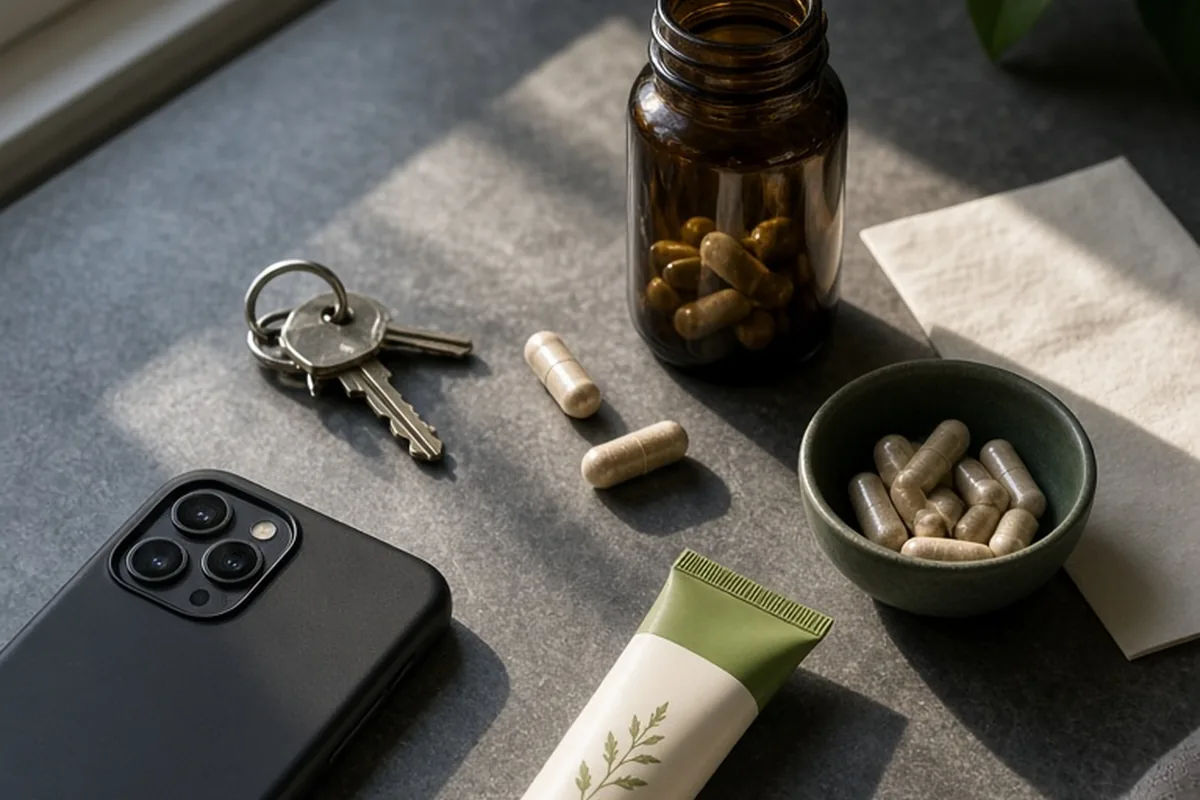
Ashwagandha can cause acne in some people by altering hormone levels. While it is commonly taken to lower stress and regulate cortisol, it may also elevate testosterone or DHEA-S in susceptible individuals. This shift stimulates sebaceous glands to produce excess oil, leading to clogged pores, inflammation, and deep, cystic blemishes along the jawline, chin, and lower face.
Herbal adaptogens have surged in popularity among people seeking natural ways to manage daily fatigue, poor sleep, and chronic stress. However, introducing a biologically active botanical like ashwagandha into your daily routine can influence internal chemistry in unexpected ways, including sudden shifts in your complexion.
The Hormonal Link Between Ashwagandha and Breakouts
Ashwagandha, known botanically as Withania somnifera, works primarily by modulating the endocrine system and the hypothalamic-pituitary-adrenal axis. For many individuals, this adaptogenic herb lowers elevated cortisol levels, fostering a sense of calm and better sleep. However, the endocrine system is an interconnected network where shifting one hormone often causes a ripple effect across others. In both men and women, ashwagandha supplementation has been observed to support or elevate androgenic hormones, such as total testosterone and dehydroepiandrosterone sulfate.
When androgen levels rise, even modestly, they bind to receptors on the sebaceous glands located within hair follicles. This stimulation prompts the glands to produce thicker, more abundant sebum. When excess sebum mixes with dead skin cells that have sloughed off inside the pore, it forms a dense plug. This lipid-rich environment allows acne-causing bacteria to thrive, resulting in painful, inflamed nodules or cysts beneath the surface of the skin.
Is Your Skin Purging or Reacting? The Crucial Difference
A common point of confusion when starting a new wellness routine is whether an increase in blemishes represents a temporary skin purge or a genuine adverse reaction. Skin purging happens almost exclusively when you introduce an active topical ingredient that accelerates cellular turnover, such as prescription retinoids, salicylic acid, or glycolic acid. These agents loosen existing microcomedones that were already forming beneath the surface, bringing them to the skin at a faster rate over a four to six-week cycle.
Because ashwagandha is an ingested herb rather than a topical exfoliant, it does not accelerate epidermal cell turnover. Blemishes that appear after you begin taking ashwagandha are therefore not a detoxifying purge. Instead, they represent a physiological reaction to increased sebum production or altered endocrine signaling. Waiting out the breakout in the hope that it will clear on its own often results in worsening inflammation, persistent hyperpigmentation, and potential scarring.
How to Identify Ashwagandha-Triggered Acne
Supplement-induced acne usually presents distinct physical characteristics and follows a recognizable timeline. If ashwagandha is the underlying catalyst, you will typically notice new breakouts starting between two and six weeks after your first dose. The blemishes are rarely superficial blackheads or small whiteheads; instead, they tend to appear as deep, tender, red bumps that sit beneath the skin surface and take several weeks to resolve.
The distribution pattern is another critical indicator. Hormonally mediated breakouts concentrate primarily on the lower third of the face, specifically along the jawline, chin, angles of the mandible, and upper neck. Some people also notice an increase in breakouts across the upper back, shoulders, and chest, where androgen-sensitive sebaceous glands are most dense. If your skin was relatively clear prior to starting the supplement and suddenly developed deep, sore bumps in these regions, ashwagandha may be playing a direct role.
Hidden Formulation Culprits Beyond the Herb Itself
Before concluding that the botanical extract itself is the sole culprit, it is worthwhile to inspect the entire ingredient label of your supplement. Many commercial adaptogen formulas include binders, carriers, and bioavailability enhancers that can independently trigger skin irritation or digestive upset. For instance, several brands incorporate black pepper extract, often labeled as piperine or BioPerine, to enhance absorption. In sensitive individuals, concentrated pepper extracts can stimulate systemic heat or vascular reactivity that exacerbates inflammatory skin conditions.
Similarly, the delivery format of the supplement can contribute to unwanted pore clogging. Gummy formulations frequently contain cane sugar, corn syrup, or concentrated fruit juices that cause rapid spikes in blood glucose and insulin, which are known drivers of sebum production. Capsule formulations may contain hidden additives that sensitive individuals struggle to process smoothly.
- Gummy sweeteners such as high-fructose corn syrup, tapioca syrup, and glucose that trigger insulin spikes
- High doses of added B-vitamins, particularly vitamin B12 and biotin, which can stimulate bacterial activity in follicles
- Pungent bio-enhancers like concentrated black pepper extract that may worsen facial flushing and redness
- Gelatin capsules or artificial colorings that trigger digestive sensitivities in reactive individuals
What to Do If You Suspect Your Supplement Causes Pimples
If you suspect your daily dose of ashwagandha is responsible for your skin changes, a structured elimination trial is the most practical way to confirm the link. Begin by discontinuing the supplement entirely for four to six weeks while keeping the rest of your daily routine, diet, and topical skincare constant. Because hormonal fluctuations take time to stabilize and existing deep blemishes need several weeks to heal, immediate clearing will not happen overnight, but new flare-ups should gradually cease within two to three weeks.
During this elimination period, keep a simple daily note of your skin condition, sleep quality, and general stress levels. If your breakouts subside noticeably after stopping the herb, you have strong evidence of individual sensitivity. If you decide to reintroduce the herb later to confirm the finding, start at a quarter of the standard manufacturer dose and monitor your jawline closely. However, if breakouts return swiftly upon reintroduction, discontinuing the herb permanently is typically the most sensible choice for maintaining skin health.
Acne-Safe Alternatives for Stress and Sleep Support
Giving up ashwagandha does not mean you have to abandon natural support for stress and nervous system regulation. Several well-tolerated nutrients and herbs provide calming benefits without interacting with androgenic pathways or stimulating oil glands. L-theanine, an amino acid naturally found in green tea, promotes mental relaxation and smooth focus by supporting alpha brain wave activity without causing hormonal shifts or skin congestion.
Magnesium glycinate is another gentle option for evening relaxation and restorative sleep. Magnesium helps regulate neurotransmitters and calm the muscular system, while glycine acts as an inhibitory neurotransmitter in the brain. Other calming botanicals, such as chamomile flower, lemon balm, and holy basil (tulsi), offer gentle adaptogenic and nervine support with minimal risk of triggering androgen-driven breakouts.
Skincare Adjustments to Calm Active Flare-Ups
While your body clears the hormonal influence of the supplement, adjusting your topical skincare routine can significantly reduce inflammation and prevent long-term post-inflammatory marks. The goal during this recovery phase is to reduce follicular bacteria and gently dissolve excess sebum without damaging your skin barrier. Aggressive scrubbing or using multiple drying astringents simultaneously will only strip the surface, prompting your oil glands to overcompensate with more sebum.
Incorporate a targeted beta-hydroxy acid, such as a leave-on two percent salicylic acid liquid, two to three evenings per week. Salicylic acid is oil-soluble, allowing it to penetrate deep into the lipid-filled pore to clear debris. For inflamed, red nodules, a spot treatment containing 2.5 percent benzoyl peroxide or azelaic acid can neutralize acne-causing bacteria and calm surrounding redness. Balance these active treatments with a soothing, non-comedogenic moisturizer rich in ceramides, centella asiatica, or panthenol to maintain a healthy moisture barrier.
Illustrative Scenarios
Navigating Supplement-Related Breakouts
An illustrative composite case involves an adult professional who began taking a high-potency ashwagandha extract to manage workplace stress. Within three weeks, they developed painful, cystic blemishes along the jawline despite having had clear skin for years. Assuming the reaction was a temporary skin purge, they continued taking the supplement for two more months while switching to harsh topical scrubs, which caused severe barrier irritation. After learning that ingested adaptogens do not cause traditional purging, they paused the supplement and simplified their skincare routine to a gentle cleanser, salicylic acid, and a ceramide lotion.
Key point: Deep cystic breakouts following adaptogen use reflect hormonal stimulation rather than a beneficial purge; stopping the supplement promptly prevents unnecessary barrier damage.
Frequently asked questions
How long does it take for ashwagandha acne to clear after stopping?
Most people notice that new cystic blemishes stop forming within two to three weeks of discontinuing ashwagandha. However, existing deep nodules can take four to six weeks to resolve fully, and post-inflammatory red marks may take a few months to fade with consistent sun protection.
Does ashwagandha cause acne in both men and women?
Yes, ashwagandha can trigger breakouts in both men and women. In women, increases in androgenic activity relative to estrogen can cause pronounced jawline flare-ups, while in men, elevated testosterone levels can significantly boost total sebum output across the face and back.
Can lowering the dosage prevent ashwagandha breakouts?
Lowering the dose to 200 to 300 milligrams daily may reduce the intensity of oil production for mildly sensitive individuals. However, if your body naturally converts the adaptogen's effects into heightened androgen signaling, even microdoses may continue to trigger deep cystic spots.
Your next step
Take a 30-day break from ashwagandha while using a gentle salicylic acid treatment and a barrier-supporting moisturizer to evaluate whether your skin clears.