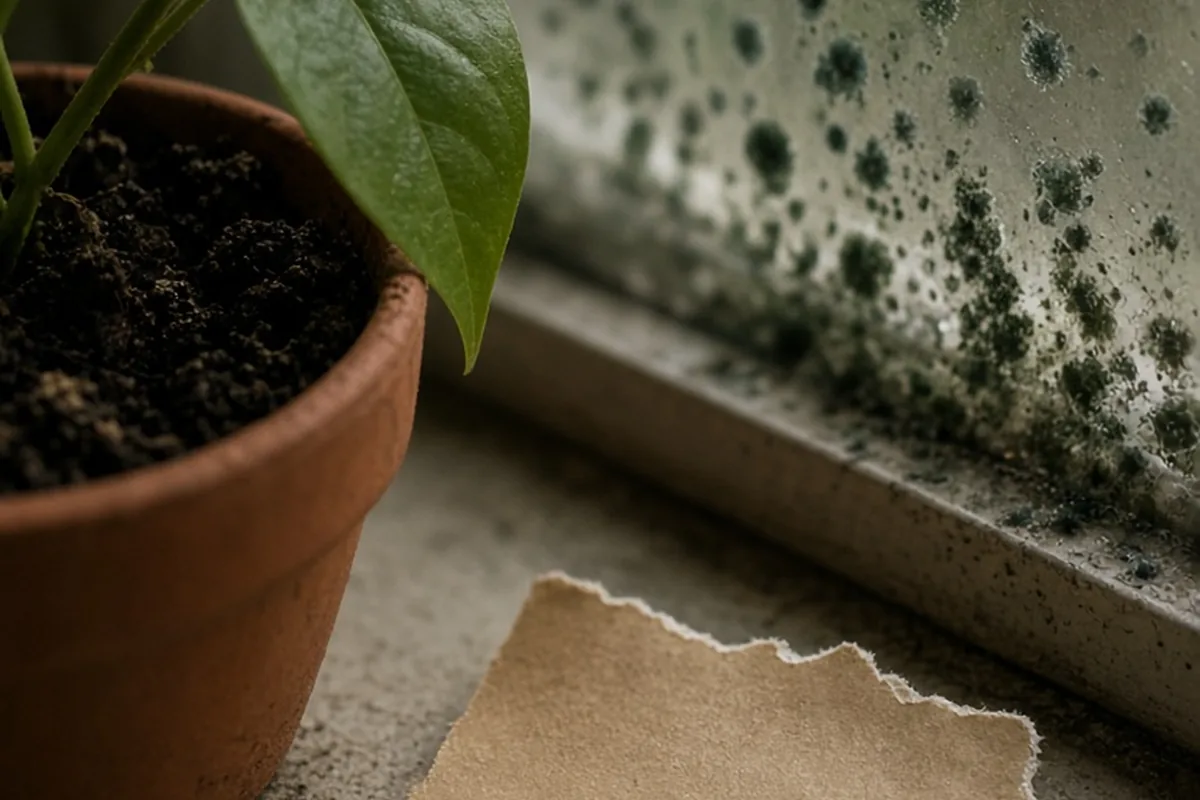
Black mold does not directly cause typical acne vulgaris, which stems from trapped sebum, dead skin cells, and specific bacteria. However, exposure to indoor mold spores, high humidity, and airborne allergens can trigger allergic contact dermatitis, fungal folliculitis, and intense skin barrier irritation. These inflammatory reactions often mimic or aggravate existing acne breakouts, making the skin red, itchy, and prone to persistent surface bumps.
When sudden breakouts resist regular skincare routines, investigating your physical environment can reveal surprising contributors to stubborn skin inflammation.
Understanding How Mold Influences Skin Health
Traditional acne, known clinically as acne vulgaris, develops deep inside the pilosebaceous unit. It occurs when excess oil combines with shed skin cells, creating an oxygen-deprived environment where Cutibacterium acnes bacteria flourish. Black mold, such as Stachybotrys chartarum or related damp-building molds like Aspergillus and Cladosporium, does not produce this specific bacterial colonization. Instead, mold interacts with human biology through airborne spores, volatile organic compounds, and fungal fragments that settle on surfaces and circulate through indoor air.
When these microscopic particles land on human skin or enter the respiratory tract, they can prompt an immune response. For individuals with sensitive skin or mold sensitivities, the immune system releases histamines and pro-inflammatory signaling molecules. This inflammatory cascade can weaken the skin's natural lipid barrier, elevate surface sensitivity, and increase trans-epidermal water loss. While the mold itself is not creating classic comedones, the resulting systemic and localized inflammation creates prime conditions for existing acne to flare up or for inflammatory skin conditions to emerge.
Differentiating Acne from Mold-Related Skin Conditions
A common challenge with mold exposure is mistaking an allergic or fungal reaction for conventional hormonal or bacterial acne. When people attempt to treat mold-induced skin reactions with aggressive acne products like high-strength benzoyl peroxide, salicylic acid, or drying clays, they frequently strip the skin barrier further, intensifying the redness and swelling.
Evaluating the appearance, sensation, and distribution of the bumps helps clarify whether you are experiencing traditional acne or a reaction to environmental mold:
Observing the primary sensation is often the clearest clue. Classic acne rarely produces intense surface itching, whereas mold-triggered dermatitis and fungal flare-ups almost always cause a noticeable itch or crawling sensation across the affected area.
- Fungal Folliculitis: Characterized by uniform, pinpoint pustules that itch intensely, often concentrated along the forehead, hairline, chest, and upper back rather than varying sizes of whiteheads and blackheads.
- Allergic Contact Dermatitis: Presents as dry, flaky patches, general erythema, and tiny itchy papules where airborne spores settle or where contaminated bedding touches the face.
- Traditional Acne Vulgaris: Features a diverse mix of open comedones (blackheads), closed comedones (whiteheads), and occasional deep, tender cysts that typically feel painful rather than itchy.
The Role of Indoor Humidity and Damp Environments
Mold cannot thrive without moisture, meaning mold problems almost universally coincide with elevated indoor humidity levels. Relative indoor humidity above sixty percent creates an ideal breeding ground for microbial growth, while simultaneously creating distinct challenges for skin homeostasis. High ambient moisture keeps sweat and natural oils sitting on the skin surface longer, which can clog pores and trap ambient pollutants against the epidermis.
Furthermore, damp living environments facilitate the rapid multiplication of Malassezia, a yeast naturally present on human skin that feeds on lipids. In a warm, humid room contaminated with mold spores, the skin's microbiome can rapidly shift out of balance. Bedding, pillowcases, bath towels, and upholstery absorb ambient moisture and hold onto shedding mold particles. Sleeping on a damp, spore-laden pillowcase for eight hours a night exposes facial skin to continuous friction, moisture retention, and micro-irritants, accelerating breakout formation.
Signs Your Breakouts May Be Linked to Mold Exposure
Because skin reactions share visual characteristics across multiple causes, looking at environmental patterns provides essential context. If your skin changes coincided with moving into a new residence, spending time in a damp basement, or experiencing a plumbing leak, environmental factors warrant investigation. Pay attention to how your skin behaves when you leave the suspected environment for several consecutive days, such as during a vacation or work trip.
If facial redness, itching, and sudden clusters of small pustules calm down significantly while you are away, only to flare up within twenty-four to forty-eight hours of returning home, environmental irritants are likely involved. Other accompanying non-dermatological symptoms also point toward mold exposure. These frequently include chronic sinus congestion, unexplained morning eye irritation, a scratchy throat, persistent fatigue, or a musty odor near baseboards, windows, or closet spaces.
Immediate Skincare Strategies to Calm Irritated Skin
If you suspect mold exposure is aggravating your skin, the immediate priority is calming inflammation and rebuilding the acid mantle rather than stripping the skin. Discontinue harsh physical scrubs, potent exfoliants, and alcohol-heavy toners, which create micro-tears and allow environmental irritants to penetrate deeper into the dermis.
Adopt a minimalist, restorative routine designed to protect the barrier while gently clearing away settled surface particles:
If you suspect fungal involvement due to intense itching and uniform bumps, washing the affected area once or twice a week with a gentle zinc pyrithione or ketoconazole cleanser can help rebalance surface flora, though this should be introduced gradually to prevent dryness.
- Gentle Cleansing: Use a mild, fragrance-free, non-foaming hydrating cleanser twice daily to wash away settled spores, dust, and excess sebum without disrupting lipid integrity.
- Barrier Restoration: Apply moisturizers containing skin-identical ingredients like ceramides, hyaluronic acid, squalane, and colloidal oatmeal to seal in hydration and reinforce physical defense.
- Hygiene Protocols: Launder pillowcases every two to three days in hot water with fragrance-free detergent, and dry them thoroughly on high heat to neutralize lingering spores.
Practical Environmental Remediation for Healthier Skin
Topical skincare can only offer temporary relief if the underlying environmental trigger remains present. Addressing indoor moisture and air quality is necessary to resolve ongoing exposure. Start by maintaining indoor relative humidity between thirty and fifty percent using a reliable dehumidifier, especially in bedrooms, basements, and bathrooms without exterior ventilation.
Deploy a true HEPA air purifier in the room where you sleep to capture airborne spores and fine particulate matter. When cleaning small areas of visible surface mold on non-porous materials like tiles or metal window frames, use detergent and water or specialized mold cleaners rather than dry dusting, which disperses spores into the air. For mold growth covering areas larger than ten square feet, or mold hidden inside drywall, flooring, or HVAC ductwork, hiring a certified professional remediation specialist is the safest choice to ensure the issue is resolved at the structural source.
When to Consult a Healthcare Professional
Persistent skin concerns that do not improve with basic barrier care and environmental adjustments warrant professional medical evaluation. A board-certified dermatologist can perform a physical examination, skin scraping, or patch test to accurately distinguish between bacterial acne, Malassezia folliculitis, contact dermatitis, or eczema. Obtaining an accurate clinical diagnosis prevents the prolonged use of ineffective or irritating treatments.
Additionally, if you experience respiratory difficulties, persistent headaches, chronic wheezing, or significant sinus pressure alongside skin eruptions, schedule an appointment with a primary care physician or allergist. They can assess your overall systemic health, test for specific mold allergies, and provide targeted prescription therapies to manage inflammation while you address the environmental conditions in your living space.
Frequently asked questions
Can sleeping in a moldy room cause facial breakouts?
Sleeping in a moldy room exposes your face to airborne spores and high humidity for several consecutive hours. Spores settling on pillowcases and bedding can irritate the skin barrier and induce allergic reactions or fungal folliculitis, which look and feel like sudden breakouts.
How do I know if my bumps are acne or a mold rash?
Traditional acne typically features blackheads, whiteheads, or deeper cysts that are tender to the touch but not itchy. Mold-related rashes or fungal folliculitis usually present as uniform, small red bumps that itch intensely and often flare up in damp indoor conditions.
Will regular acne face wash clear up mold-related skin bumps?
Standard acne washes containing strong concentrations of salicylic acid or benzoyl peroxide often worsen mold-induced skin irritation by stripping the barrier. If the bumps are driven by mold allergies or fungal overgrowth, calming barrier cleansers or targeted antifungal washes tend to be more effective.
How long after removing mold will my skin improve?
Once the source of mold is thoroughly remediated and indoor air quality improves, skin inflammation and barrier irritation usually begin to subside within two to four weeks. Supporting your skin with a gentle, hydrating routine during this period helps accelerate recovery.
Your next step
Assess your living space for excess humidity and musty odors, switch to a gentle barrier-supporting skincare routine, and consult a dermatologist if itchy or persistent breakouts do not improve after optimizing your indoor air.