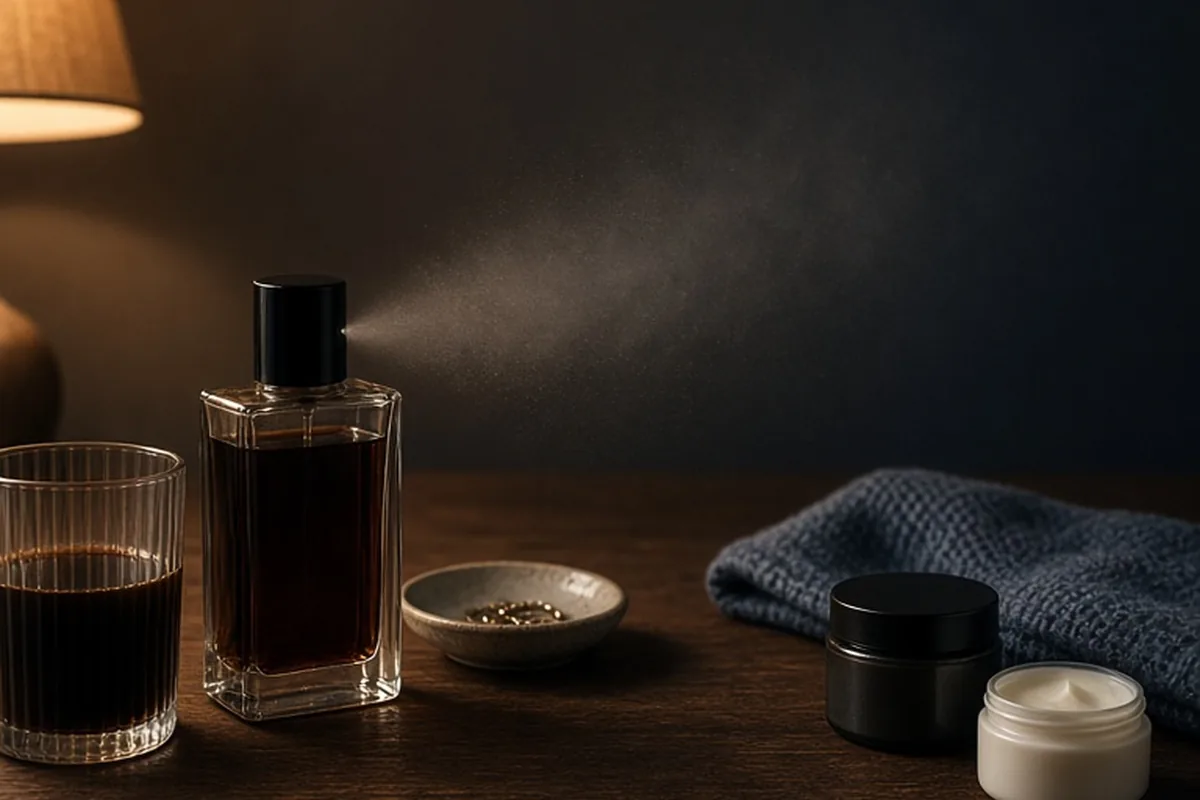
Yes, cologne can trigger or worsen acne breakouts. Fragrance oils, alcohol carriers, and synthetic aromatic compounds can irritate delicate skin, clog pores, and provoke inflammatory reactions known as acne cosmetica or irritant contact dermatitis. These blemishes frequently show up in direct spray zones like the neck, upper chest, and jawline, especially when mixed with sweat, friction, and daily skin oils.
Many people notice sudden clusters of stubborn pimples along their neck, throat, or jawline without realizing their daily fragrance routine is the culprit. Understanding how aromatic sprays interact with your skin barrier makes it much easier to enjoy your signature scent while keeping your complexion calm and clear.
How Cologne and Fragrance Formulations Trigger Skin Breakouts
Traditional colognes, perfumes, and body sprays rely on a blend of concentrated aroma compounds suspended in an alcohol base, typically ethanol. While high-proof alcohol creates an initial cooling sensation and evaporates quickly, it frequently strips the skin of its natural lipid layer. When this barrier is depleted, the skin loses essential moisture and becomes significantly more vulnerable to micro-tears, redness, and environmental bacteria. In response to extreme surface dryness, sebaceous glands often produce surplus sebum to compensate, creating an environment ripe for clogged pores and inflammatory blemishes.
Beyond the alcohol vehicle, the aromatic oils themselves present a distinct challenge for acne-prone skin. Fragrance formulations contain dozens of individual chemical components, including natural botanical extracts and synthetic fixatives designed to make the scent last throughout the day. Some of these dense aromatic oils possess comedogenic properties, meaning they can physically plug hair follicles. When these compounds mix with shed skin cells and natural sebum, they trap resident skin bacteria beneath the surface. This entrapment can cause localized papules, pustules, or a diffuse rash of small, uniform bumps known as acne cosmetica.
Telling the Difference Between Cologne Breakouts and Other Acne Types
Identifying whether your breakouts stem from cologne or internal factors comes down primarily to geographic distribution across your body. Hormonal acne typically concentrates around the lower third of the face, such as the jawline, chin, and corners of the mouth, often flaring in cyclical waves. In contrast, fragrance-induced breakouts strictly map to the physical trajectory of your spray nozzle. If you consistently find clusters of small pimples on your upper collarbones, the sides of your neck, behind your earlobes, or on your inner wrists, an applied topical product like cologne is the most likely instigator.
The visual appearance and timing of the blemishes provide additional clues. Cologne-related eruptions often manifest as dense crops of small, pink or red bumps that appear within twenty-four to forty-eight hours after application. They may feel slightly itchy or tender to the touch, resembling mild contact dermatitis rather than deep, throbbing cystic nodules. If your facial complexion remains relatively clear while your neck and upper torso exhibit persistent, localized congestion, evaluating your fragrance habits offers a direct path toward resolving the issue.
Key Ingredients in Scented Products That Increase Skin Irritation
Fragrance formulas are complex chemical mixtures, and several recurring categories of ingredients are known to trigger follicular irritation in sensitive individuals. Natural essential oils, despite their clean reputation, are among the most potent sensitizers found in modern perfumery. Citrus extracts (such as bergamot, lemon, and grapefruit), cinnamon bark oil, peppermint, and lavender oil contain natural chemical constituents like limonene and linalool. When exposed to air and ultraviolet light, these compounds oxidize rapidly, creating reactive byproducts that provoke follicular inflammation and irritation on exposed skin.
Synthetic fixatives and stabilizing agents can also contribute to skin congestion. Compounds such as synthetic musks, phthalates, and dense resinous base notes (like oakmoss or labdanum) are formulated specifically to resist evaporation so the fragrance lasts for hours. Because they linger persistently on the surface of the skin, they can settle deep into pore openings. Combined with daily sweat and friction from tight shirt collars or jewelry, these heavy fixatives create a semi-occlusive layer that interferes with normal follicular shedding and invites bacterial growth.
Safer Techniques for Wearing Scent Without Touching Sensitive Skin
You do not necessarily have to abandon your favorite cologne to maintain clear skin; adjusting your application technique can dramatically reduce direct contact with delicate areas. The skin on the front of the neck, throat, and upper chest is notably thin and contains a high density of sebaceous follicles, making it especially susceptible to clogging. Instead of applying cologne directly to bare skin, try misting the scent onto your clothing. Spraying the outer lapels of a jacket, the hem of a shirt, or the lining of a coat allows the fragrance to disperse with your body heat while keeping concentrated oils entirely off your skin.
If you prefer applying fragrance to your body, choose resilient anatomical areas with thicker skin and fewer acne-prone follicles. The back of the neck along the hairline, the tops of the forearms, or the outer shoulders tolerate fragrance oils far better than the throat or sternum. Furthermore, always avoid applying cologne immediately after a hot shower or right after shaving. Warm water and razor blades temporarily compromise your skin barrier and open follicles, allowing alcohol and fragrance oils to penetrate deeply and trigger instant burning, micro-inflammation, and subsequent breakouts.
Practical Steps to Clear Fragrance-Induced Blemishes and Restore Skin
If you suspect your cologne has triggered a breakout, the first step is implementing an immediate fragrance pause on the affected area for at least two to three weeks. Cleanse the congested skin twice daily using a gentle, fragrance-free cleanser with a neutral pH. Avoid aggressive physical scrubs, rough washcloths, or loofahs, as mechanical friction will further damage an already inflamed moisture barrier and spread irritation across surrounding pores. Pat the area dry with a clean towel rather than rubbing vigorously.
To clear existing congestion, integrate mild, targeted skincare actives designed for sensitive areas. A leave-on lotion containing two percent salicylic acid (BHA) can penetrate oil-filled pores to dissolve trapped debris and soothe redness. Alternatively, a gentle short-contact benzoyl peroxide wash applied in the shower for one to two minutes can reduce acne-causing bacteria without causing excessive peeling. Follow every cleansing session with a light, non-comedogenic moisturizer containing ceramides, panthenol, or colloidal oatmeal to help the lipid barrier rebuild its natural defenses.
Exploring Fragrance Alternatives for Reactive and Acne-Prone Skin
For individuals whose skin reacts readily to traditional alcohol-based sprays, exploring modern fragrance alternatives can offer an enjoyable sensory experience without the associated breakouts. Water-based perfumes and alcohol-free body mists use advanced micro-emulsion technology to suspend fragrance molecules in purified water. These formulations eliminate the harsh drying effects of ethanol, significantly lowering the risk of barrier disruption and compensatory oil overproduction while still providing excellent scent longevity.
Solid perfumes and oil-based roll-ons formulated with lightweight, non-comedogenic carrier oils (such as squalane or jojoba) represent another practical option. Solid formulas allow for controlled, pinpoint placement on pulse points like behind the ears or along the wrists, preventing wide overspray from settling across your chest and neck. Pairing these gentle alternatives with a consistently fragrance-free body care routine ensures your skin remains calm, balanced, and clear.
Illustrative Scenarios
Illustrative Scenario: Adjusting Fragrance Placement to Resolve Neck Breakouts
Marcus, a graphic designer, noticed persistent clusters of red, tender bumps forming along his collarbones and the sides of his throat every autumn. He assumed his shaving routine was responsible and switched razors, but the blemishes remained. After realizing the bumps aligned exactly with the two sprays of woody cologne he applied directly to his neck each morning, he paused wearing the scent on his skin. Instead, he began spraying the interior lining of his winter coat and the outer fabric of his sweaters.
Key point: Shifting fragrance application from bare, sensitive skin to outer clothing eliminates direct chemical contact and friction-related clogs, allowing irritated skin to clear up without requiring you to give up your signature scent.
Frequently asked questions
Can spraying cologne on clothes stain or damage delicate fabrics?
Yes, colognes with high concentrations of natural oils or added dyes can leave faint rings or stains on delicate materials like silk, satin, and light-colored linen. To protect your wardrobe, mist the fragrance from at least eight to ten inches away onto durable fabrics or spray the inner lining of jackets where minor marks will not be visible.
Can the alcohol in cologne act as an astringent to kill acne-causing bacteria?
While high-proof alcohol has antiseptic properties, using cologne as an astringent causes significant harm to the skin barrier. The denatured alcohol strips vital moisture, provoking severe rebound oiliness and inflammation that ultimately worsens acne rather than improving it.
How long does it usually take for cologne-induced acne to clear up?
Once you stop applying fragrance directly to the affected skin, superficial irritation and small papules generally begin to calm within seven to fourteen days. Supporting the area with gentle cleansing and barrier-repairing moisturizers ensures faster recovery without lingering post-inflammatory redness.
Are expensive designer colognes less likely to cause acne than budget options?
Not necessarily, because luxury fragrances often contain higher concentrations of pure essential oils and complex botanical resins that are potent natural allergens. Whether a fragrance costs twenty dollars or three hundred dollars, the presence of alcohol and aromatic compounds can still irritate vulnerable follicles.
Your next step
Pause spraying cologne directly onto your bare neck and chest for the next two weeks, applying it to your outer clothing or jacket lining instead to see if your skin clears up.