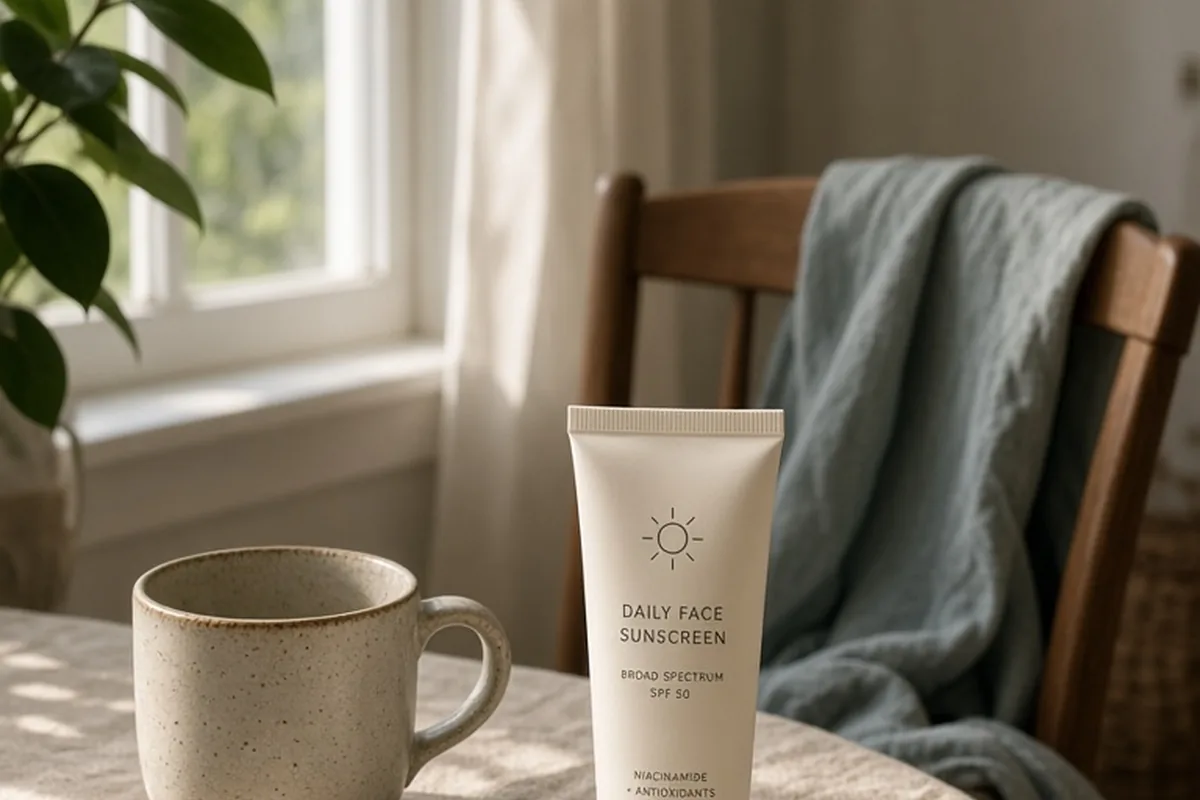
Yes, you can safely use face sunscreen on your body. Facial sunscreens undergo the same UV filter testing as body formulas and provide identical broad-spectrum sun protection when applied properly. The primary difference lies in texture, cosmetic finish, and cost per ounce. While facial sunscreens feel lighter and less greasy on sensitive body areas like the neck and chest, using them across large body areas can get expensive quickly.
Many people find themselves holding an extra bottle of facial sunscreen nearing its expiration date or wonder whether their favorite lightweight facial formula can double as an everyday body protectant. Understanding the functional overlap and practical trade-offs between facial and body sunscreens allows you to protect your skin effectively without unnecessary expense or product waste.
How Facial and Body Sunscreens Compare Under the Surface
From a purely regulatory and photoprotective standpoint, face sunscreens and body sunscreens rely on the exact same active ingredients to shield skin from ultraviolet radiation. Whether a formula uses mineral blockers like zinc oxide and titanium dioxide or chemical filters like avobenzone, homosalate, and octisalate, the sun protection factor rating measures the exact same degree of defense against erythema regardless of where the cream is applied. An SPF 30 face lotion provides the exact same fundamental UV barrier as an SPF 30 body lotion when both are spread at the standard testing density.
The genuine distinction between the two categories centers on cosmetic elegance, vehicle base, and added skincare ingredients. Facial formulas are engineered to sit comfortably beneath makeup, dry down without a heavy shine, and avoid clogging delicate facial pores. Consequently, manufacturers frequently incorporate targeted additions such as niacinamide, hyaluronic acid, antioxidants, and oil-absorbing silica into face sunscreens. Body sunscreens, conversely, prioritize spreadability over large surface areas, water resistance for outdoor recreation, and cost efficiency, which often means richer emollient bases that can feel noticeably heavier.
Targeted Body Areas Where Facial Sunscreen Offers Clear Advantages
While applying a premium facial sunscreen across your entire legs and torso every morning would be financially impractical, using facial formulas on specific high-friction or sensitive body zones is often superior to using heavy body lotions. The upper chest, neck, and shoulders feature thinner skin with a high concentration of sebaceous glands, making these spots particularly prone to both sun damage and pore congestion. Applying an oil-free or matte-finish facial fluid to the décolletage prevents the greasy residue and collar staining that frequently accompany traditional body creams.
The backs of the hands and the inner forearms represent another prime target for facial formulas. Hands experience continuous sun exposure during driving and walking, yet heavy body lotions often leave a slippery film that interferes with typing, handling objects, or gripping steering wheels. A fast-absorbing facial gel-cream dries down rapidly on the hands, allowing consistent midday reapplication without making your palms slick or greasy. If you struggle with body acne along your upper back or chest, switching those specific zones to an oil-free facial sunscreen can help reduce friction-induced breakouts while maintaining crucial broad-spectrum protection.
The Practical Realities of Volume, Surface Area, and Cost
The most significant constraint when using facial sunscreen on your body is the sheer volume required for full-body coverage relative to the retail price. Dermatological guidance universally recommends roughly one ounce—equivalent to a full shot glass—of sunscreen to adequately cover the exposed body of an average adult in swimwear. Standard facial sunscreen containers typically hold between 1.7 and 3 fluid ounces, meaning a single beach day could entirely deplete one or two relatively expensive bottles of facial cream.
To balance comfort with budget, consider adopting a hybrid approach to your daily routine. Reserve your specialized facial formulas for the face, ears, neck, chest, and hands, while utilizing an economical, broad-spectrum body lotion for broader surfaces such as arms, legs, and the torso. This method ensures that sensitive, visible, and breakout-prone areas receive lightweight, non-comedogenic coverage without forcing you to purchase multiple miniature tubes each month just to maintain basic outdoor protection.
Evaluating Water Resistance and Durability for Outdoor Demands
One critical limitation to verify before using a facial sunscreen for sports or outdoor activities is its water-resistance rating. Many everyday facial sunscreens are formulated primarily for urban environments, office wear, or cosmetic layering, and they deliberately omit the film-forming polymers that provide water resistance in order to keep the texture feather-light and breathable. If you wear an everyday non-water-resistant facial lotion while swimming, exercising heavily, or gardening in high humidity, the formula can wash away rapidly, leaving your skin vulnerable to sunburn.
Body sunscreens, on the other hand, are almost universally built with water resistance rated for 40 to 80 minutes of sustained moisture exposure. When planning vigorous outdoor recreation, look specifically at the label of your facial sunscreen. If it does not explicitly state a water-resistance duration, switch to a designated sport or water-resistant body formula for any outdoor pursuits involving perspiration or water immersion. Relying on an urban face fluid during a long swim or sweaty run often leads to patchy coverage and accidental UV overexposure.
Smart Ways to Repurpose Unwanted or Expiring Facial Sunscreens
Skincare enthusiasts frequently encounter facial sunscreens that did not work out as intended—perhaps a mineral formula left an unwanted white cast on your face, a chemical base stung around your eyes, or a hydrating cream felt slightly too dewy under your foundation. Rather than throwing these products away or letting them expire on a shelf, repurposing them for body application is an economical and sustainable solution. Skin on the forearms, legs, and feet is generally much less reactive than facial skin and will readily tolerate formulas that felt uncomfortable on the face.
Before using an older bottle on your body, check the printed expiration date and inspect the product's consistency and scent. Sunscreens typically have a shelf life of up to three years from manufacture, but prolonged exposure to heat in a car or beach bag can destabilize the emulsion early. If the product has separated into watery liquid and clumps, developed an unusual odor, or shifted in color, the UV filters may no longer disperse evenly across your skin. If the texture and smell remain normal and the date is valid, using the bottle as a daily body moisturizer on your arms and hands is an excellent way to eliminate waste.
Application Guidelines for Reliable, Even Sun Defense
To achieve the rated SPF on any part of your body using a facial sunscreen, application technique is essential. Because facial formulas tend to have lighter, runnier textures, it can be easy to underestimate how much product you are actually spreading. A common mistake is dispensing a dime-sized drop and stretching it over an entire arm, which significantly dilutes the protective layer and drastically lowers the effective SPF. Dispense adequate ribbons of product and massage them methodically until an even sheen forms over the entire exposed surface.
Allow the sunscreen to set undisturbed for approximately ten to fifteen minutes before putting on clothing or coming into contact with vehicle upholstery. Facial sunscreens containing chemical filters require a brief period to bind with the stratum corneum, while mineral formulas need time for their carrier liquids to evaporate and leave a continuous mineral shield. Reapply your chosen sunscreen every two hours when remaining outdoors, or immediately after towel-drying, sweating heavily, or washing your hands, ensuring continuous and dependable photoprotection throughout the day.
Frequently asked questions
Can I use body sunscreen on my face if I run out of face sunscreen?
Yes, body sunscreen will protect your facial skin from UV rays, but it carries a higher chance of causing pore congestion, eye irritation, or a heavy, shiny finish. If you must use a body formula on your face, choose a fragrance-free option and wash it off thoroughly at the end of the day.
Does face sunscreen expire faster when used on the body?
No, the expiration rate depends on the manufacturing formulation, packaging seal, and storage conditions rather than where you apply it. However, using a face sunscreen on larger body surfaces will cause you to finish the bottle much more quickly than normal facial use.
Will using mineral face sunscreen on my body leave a white cast?
Mineral face sunscreens containing zinc oxide or titanium dioxide can leave a visible white cast on the body, especially on deeper skin tones or dry patches. Choosing a tinted facial formula or thoroughly rubbing in a micronized fluid helps reduce any chalky appearance.
Your next step
Check the expiration date and water-resistance label on your current face sunscreen, then try applying it to your neck, chest, and hands tomorrow morning to see how comfortably it integrates into your daily body care routine.