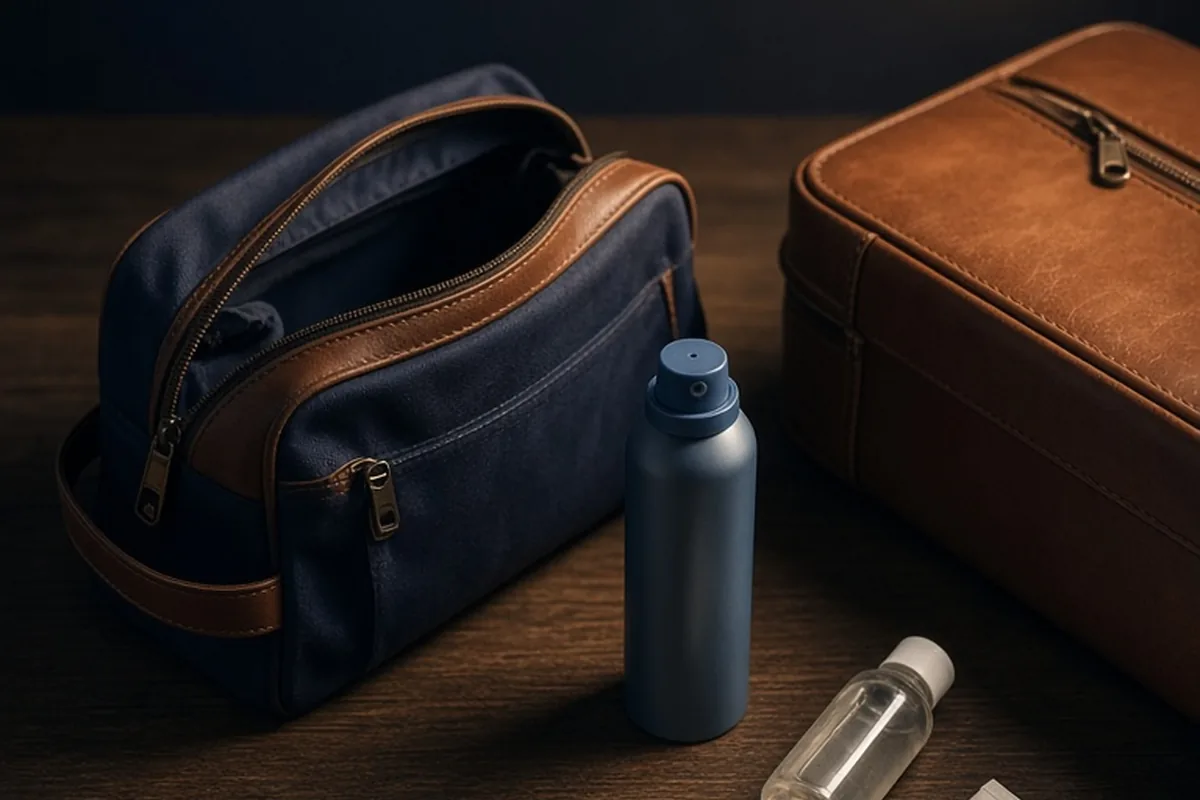
You can pack aerosol sunscreen in checked baggage, provided it meets FAA and TSA hazardous materials regulations for personal toiletries. Each container must not exceed 18 fluid ounces (500 ml) or 16 ounces by mass, and your total toiletry aerosols cannot exceed 70 fluid ounces (2 liters). The spray nozzle must be secured with a cap or locking mechanism to prevent accidental discharge during transit.
Preparing for a sunny getaway often involves gathering your favorite sun defense products, but aerosol cans carry specific aviation rules that trip up many vacationers. Understanding the exact limits before packing your suitcase prevents confiscated products and ruined clothing.
Understanding TSA and FAA Regulations for Checked Aerosols
In the United States, the Transportation Security Administration (TSA) and the Federal Aviation Administration (FAA) categorize aerosol sunscreen under medicinal and toiletry items. Unlike hazardous industrial aerosols, personal grooming sprays are permitted in checked baggage because they pose a lower relative risk when stored properly. However, this permission comes with strict volume and mass restrictions that every passenger must follow. An individual container cannot exceed 18 fluid ounces (approximately 500 milliliters) or 16 ounces by weight (approximately 0.5 kilograms). Most standard retail sunscreen spray cans range between 5 and 8 fluid ounces, which means typical single cans purchased from grocery or drug stores easily fall beneath this individual limit.
The regulatory agencies also impose a cumulative limit across all medicinal and toiletry aerosols and liquids carried by a single traveler in checked luggage. The total aggregate quantity per passenger cannot exceed 70 fluid ounces (2 liters) or 68 ounces by mass (2 kilograms). This aggregate rule means that your sunscreen shares an allowance with other pressurized products, including hairspray, shaving cream, dry shampoo, and deodorant. If you pack multiple cans of continuous spray sunscreen alongside large cans of styling products, you can quickly approach the federal threshold. Exceeding these limits can lead to TSA baggage screeners removing the non-compliant items during automated or manual luggage scans.
Carry-On Restrictions vs. Checked Baggage Allowances
The rules governing aerosol sunscreen in carry-on luggage are significantly more restrictive than those for checked bags. Under the standard TSA 3-1-1 liquids rule, any liquid, gel, or aerosol carried through the passenger security checkpoint must be in a container holding 3.4 fluid ounces (100 milliliters) or less. Because the vast majority of aerosol sunscreen cans are manufactured in 5-ounce to 8-ounce sizes, attempting to bring a standard spray can through the security lane will result in surrender at the checkpoint, even if the can is half-empty. The TSA measures the capacity of the container itself rather than the volume of remaining product inside.
Travel-sized aerosol sunscreens that are 3.4 ounces or smaller are allowed in your carry-on, provided they fit comfortably inside a single quart-sized clear zip-top bag alongside your other travel liquids. When deciding between carry-on and checked luggage, consider your travel schedule. If you are flying with only a personal item and overhead bag, you must purchase mini travel cans or buy full-sized sprays at your final destination. If you have already paid for checked luggage, placing your full-sized cans in your suitcase provides more product volume without having to search for a convenience store after landing.
Essential Packing Steps to Prevent Leaks and Accidental Spraying
Airlines and aviation regulators require all checked aerosol cans to have adequate protection against accidental discharge. The pressure of shifted baggage or impact during handling can depress an exposed nozzle, releasing chemical spray across your wardrobe. Your first line of defense is ensuring the can retains its original protective cap. If the sunscreen features a twist-to-lock dispensing head rather than a removable lid, verify that the mechanism is rotated firmly into the closed position. For extra security, placing a piece of durable painter tape or electrical tape over the locking collar or cap seam keeps the mechanism from spinning open during transit.
Beyond nozzle protection, double-bagging each aerosol container offers essential insurance against potential leaks. Place each can into a sealed, heavy-duty zipper storage bag, squeezing out excess air before closing it. If you are packing multiple cans, avoid letting them rattle against each other where metallic edges could puncture plastic bags or dislodge caps. Nest the bagged cans in the center of your suitcase surrounded by soft layers of clothing, such as towels, jeans, or sweaters. Keeping the canisters cushioned away from the outer perimeter of your luggage protects them from external bumps, rough baggage carousel drops, and zipper friction.
Altitude, Cargo Pressure, and Temperature Realities
A frequent concern among travelers is whether aerosol sunscreen cans will explode inside the cargo hold due to reduced atmospheric pressure at high cruising altitudes. Modern commercial aircraft feature pressurized and climate-controlled cargo compartments where environmental conditions mirror the passenger cabin closely enough to prevent catastrophic structural failure of consumer cans. Aerosol cans are engineered to withstand internal pressures far exceeding the mild pressure drops experienced in flight. The risk of bursting from pressure changes alone is exceptionally low when using undamaged, commercially manufactured products.
Temperature extremes, however, present a more genuine hazard that travelers should manage carefully. While aircraft cargo holds are temperature-managed while in flight, luggage sitting on airport tarmac carts during severe summer heat or prolonged runway delays can absorb considerable warmth. High heat increases the pressure inside the canister, which can stress seam joints or compromise a weak valve seal. To minimize thermal stress, avoid checking bags with aerosol cans that show visible dents, rust, or compromised crimp rings around the valve base, as structurally weakened containers are more vulnerable to pressure fluctuations.
International Travel Variations and Airline Policies
While United States domestic flights adhere to FAA and TSA standards, international aviation authorities enforce their own regulatory frameworks. The International Civil Aviation Organization (ICAO) and the International Air Transport Association (IATA) set global dangerous goods guidelines that closely resemble US rules, allowing up to 2 liters or 2 kilograms of non-radioactive medicinal and toiletry items in checked baggage with single container maximums of 500 milliliters. Despite these overarching standards, specific national aviation bodies in Europe, Asia, and Latin America may interpret non-medicinal cosmetic sprays more strictly, sometimes classifying sunscreens differently from basic hygiene products.
Individual airline carriers also reserve the right to impose luggage limitations that are stricter than national baseline laws. Budget carriers or regional operators flying smaller turboprop aircraft occasionally prohibit all aerosol canisters in checked baggage due to cargo compartment fire suppression differences. Before packing for an international connection or booking with a regional international airline, review the carrier's specific hazardous materials and dangerous goods carriage policies online. Checking local airport requirements for return flights is equally important, as security screeners in foreign airports may confiscate items that were permitted on your departure flight.
Comparing Aerosol Sprays with Lotions and Solid Sticks for Travel
Choosing between aerosol sunscreen and alternative formulations involves evaluating convenience against packing efficiency and environmental considerations. Aerosol sprays provide rapid, hands-free application, making them popular for active outdoor trips and covering hard-to-reach areas like the back and shoulders. However, continuous spray cans are relatively bulky, contain pressurized propellant that occupies valuable volume, and deplete much faster than condensed liquids or creams. A single traveler can easily use an entire 6-ounce spray can over a couple of days of swimming and outdoor recreation.
Traditional lotions, creams, and solid sunscreen sticks present practical advantages for luggage packing. Squeeze bottles of lotion and twist-up solid sticks do not carry aerosol valve regulations, eliminating the risk of accidental discharge under pressure. Solid sticks in particular are exempt from carry-on liquid volume limits at security checkpoints, allowing you to carry substantial sun protection inside a personal item without consuming space in your quart-sized liquids bag. Many experienced travelers pack a solid stick or concentrated lotion for daily facial and neck coverage, reserving checked aerosol cans strictly for quick reapplication across larger body areas.
Handling Airport Security Screenings and Bag Inspections
When luggage passes through behind-the-scenes automated explosive detection systems, dense aerosol canisters often trigger additional inspection due to their metallic structure and pressurized contents. If a screener opens your checked bag to manually inspect the sunscreen, they will verify that the product falls within personal toiletry allowances and that the nozzle is safely covered. Once the inspection is complete, TSA officers typically leave an official notification paper inside the bag informing you that your luggage was opened and inspected.
To prevent unnecessary confusion or delays during this process, make your checked toiletries easily accessible near the top of the suitcase or in an interior zippered mesh divider. Packing aerosol cans in clear bags allows inspecting officers to quickly identify the brand, product volume, and safety cap status without digging through personal belongings. If an officer determines that an aerosol can lacks a protective cap or exceeds aggregate size thresholds, the item will be removed and discarded. Taking care to follow standard packing protocols ensures your sunscreen arrives safely at your destination.
Frequently asked questions
What happens if my aerosol sunscreen does not have a removable cap?
If your sunscreen utilizes a built-in twist-lock nozzle instead of a removable cap, rotate it fully into the locked position before packing. You can also place a strip of tape across the top to ensure the locking mechanism does not accidentally rotate back to open during baggage handling.
Can I pack spray sunscreen in my carry-on bag instead?
You can only pack aerosol sunscreen in a carry-on bag if the container is 3.4 fluid ounces (100 ml) or smaller. Because most standard aerosol cans are 5 to 8 ounces, full-sized cans must go into checked luggage or be purchased after reaching your destination.
How many cans of aerosol sunscreen can I legally put in one checked bag?
FAA rules allow up to 70 fluid ounces (2 liters) of total toiletry aerosols per passenger, with no single can exceeding 18 fluid ounces. This generally permits three to four standard 6-ounce sunscreen cans, provided you do not exceed the aggregate limit with other toiletry sprays.
Your next step
Before your next flight, check the fluid volume on each sunscreen can, confirm every nozzle is capped or locked, and pack them sealed in protective plastic bags near the center of your suitcase.