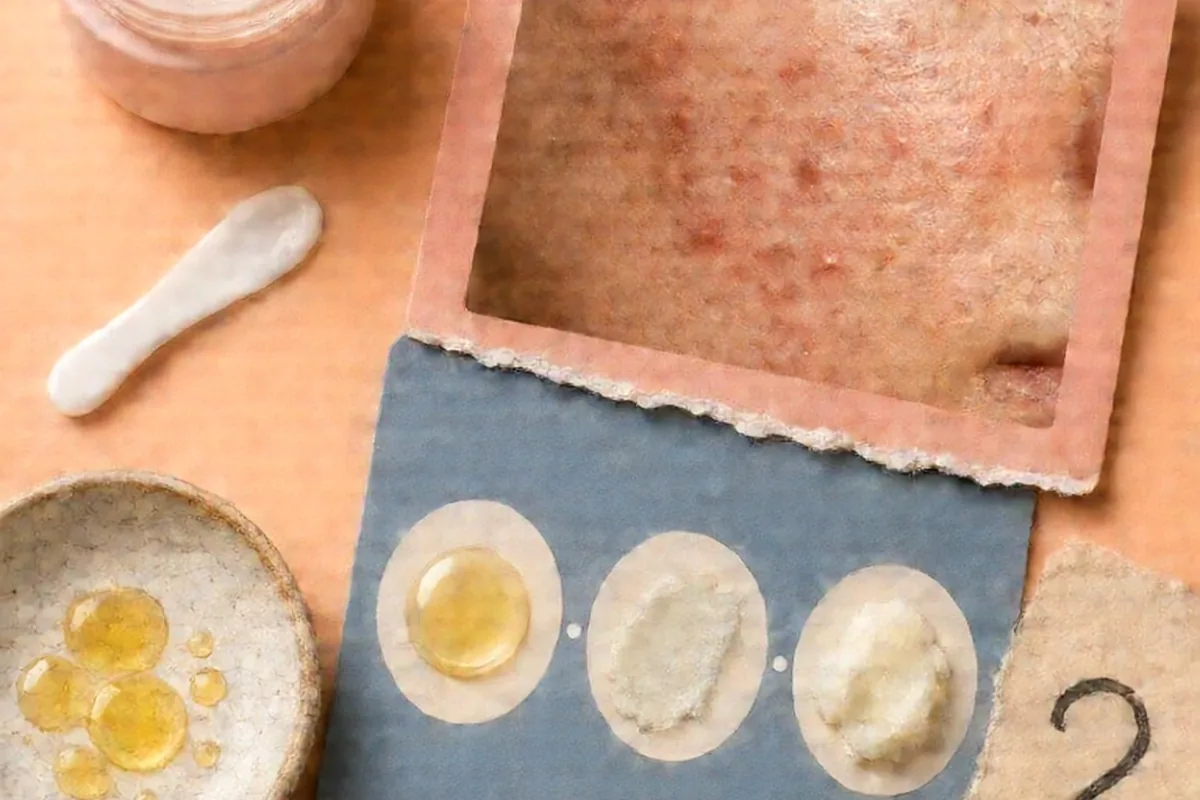
Yes, moisturizer can cause acne if the formulation contains comedogenic oils, heavy waxes, or pore-clogging emollients that trap sebum, dead skin cells, and bacteria. Applying too much product, layering incompatible formulas, or using rich creams intended for dry skin on an oily, acne-prone complexion can also trigger breakouts, closed comedones, and folliculitis.
While maintaining adequate hydration is necessary for supporting a resilient skin barrier, introducing a new facial cream or lotion can sometimes coincide with unexpected bumps, whiteheads, and sudden congestion.
The Biological Mechanism Behind Moisturizer-Induced Breakouts
Moisturizers work through a combination of humectants, emollients, and occlusives designed to attract water, smooth rough patches, and seal moisture into the stratum corneum. When a product is formulated with heavy occlusives or dense lipid bases, it forms a semi-impermeable physical film over the surface of the skin. For individuals with naturally high sebum production, this barrier can inadvertently trap shed keratinocytes, environmental debris, and native skin oils directly inside the pilosebaceous unit.
Once trapped inside the pore, this mixture of trapped oil and dead skin cells creates an oxygen-deprived environment where Cutibacterium acnes can proliferate rapidly. The body responds to this bacterial overgrowth with localized inflammation, manifesting as red papules, pustules, or microcomedones. Furthermore, if a moisturizer disrupts the natural acid mantle by introducing irritating fragrances or excessive fatty acids, it can compromise barrier function, making the skin even more vulnerable to inflammatory flare-ups.
A practical example of this occurs when someone with combination skin uses a heavy cold-weather repair balm across their entire face rather than targeting only dry areas. The oil-rich zones around the nose, forehead, and chin quickly develop tiny closed comedones within days, while the drier cheek areas remain calm. Recognizing that different facial zones have distinct sebaceous gland densities helps prevent the widespread application of formulas that overwhelm naturally oil-rich areas.
Common Comedogenic Ingredients and Formulation Pitfalls
Not all moisturizers carry the same risk of clogging pores, and the likelihood of a breakout largely depends on specific ingredients and overall formulation texture. Certain synthetic esters, thick plant butters, and heavy waxes possess high comedogenic potentials that make them ill-suited for acne-prone skin types. Ingredients such as isopropyl myristate, isopropyl palmitate, acetylated lanolin, cocoa butter, and coconut oil are notorious for encouraging follicular plug formation in susceptible individuals.
However, ingredient lists can be misleading when viewed strictly in isolation. A product containing a tiny percentage of a potentially pore-clogging emollient as a stabilizing binder may not clog pores, whereas an otherwise gentle base overloaded with heavy silicones and thickeners might suffocate reactive skin. High concentrations of synthetic fragrances, drying alcohols, and essential oils can also provoke contact irritation that mimics an acne flare, creating tiny inflamed bumps that are technically allergic or irritant dermatitis rather than true hormonal or bacterial acne.
When evaluating a potential product, looking for designations like non-comedogenic and oil-free provides a helpful starting filter, though it is not an absolute guarantee. A smart strategy is to prioritize water-based formulas featuring lighter emollients such as squalane or caprylic/capric triglyceride, alongside proven humectants like hyaluronic acid and glycerin, which supply vital hydration without depositing heavy lipid films.
- Ingredients with higher clogging potential: Isopropyl myristate, isopropyl isostearate, myristyl myristate, cocoa butter, and coconut oil.
- Lighter, acne-friendly alternatives: Squalane, glycerin, hyaluronic acid, sodium PCA, and dimethicone in sheer fluid bases.
- Potential irritants to avoid: Heavy synthetic fragrance, denatured alcohol high on the ingredient list, and fragrant essential oils.
Skin Purging Versus True Product Breakouts
A frequent point of confusion among skincare users is whether a new crop of pimples represents a temporary purge or a true breakout caused by pore clogging. Purging occurs exclusively when an active ingredient accelerates the natural rate of skin cell turnover, bringing microcomedones that were already developing deep beneath the surface to the light faster than normal. Active ingredients that induce purging include retinoids, chemical exfoliants like salicylic and glycolic acids, and certain forms of vitamin C.
Standard hydrating moisturizers without active exfoliating agents or retinoids do not speed up cellular turnover. Consequently, if a simple hydrating cream, calming lotion, or nourishing gel leads to fresh clusters of whiteheads, papules, or cysts, the product is actively causing a breakout rather than clearing out preexisting blemishes. Waiting out a breakout caused by a conventional moisturizer will generally only worsen the congestion and increase the risk of post-inflammatory hyperpigmentation.
Consider an individual who switches to a soothing ceramide cream to counter winter flakiness and notices small, tender red bumps on their cheeks within three days. Because ceramides, fatty acids, and humectants do not stimulate cellular renewal, this reaction is a definitive sign of pore obstruction or barrier sensitivity. In this scenario, discontinuing the cream immediately is the correct course of action, rather than enduring weeks of escalating inflammation under the mistaken belief that the skin is detoxifying.
Choosing the Ideal Moisturizer Texture for Your Skin Type
Selecting the right moisturizer requires aligning product vehicle density with your skin's baseline sebum production and environmental humidity. Using a formula that matches your actual skin physiology ensures that you deliver necessary hydration without burdening your pores with unnecessary surface lipids. Balancing your skin's water content often reduces the overproduction of defensive sebum that occurs when the barrier is dehydrated.
Individuals with oily or acne-prone skin generally achieve the best results with water-based gel formulas or oil-free fluid lotions. These formulations rely on humectants like panthenol, beta-glucan, and aloe leaf extract to bind moisture within the tissue, leaving a weightless matte or natural finish. Those with combination skin may prefer lightweight gel-creams that can be layered lightly on the T-zone and applied more generously over drier perimeter zones.
If you have dry yet breakout-prone skin, finding an effective product can feel challenging because standard acne products strip the barrier, while standard dry-skin creams provoke comedones. The solution lies in layering lightweight, non-comedogenic hydration—such as an essence or hyaluronic serum—underneath a sheer, ceramide-infused lotion that replenishes the lipid matrix without relying on heavy petrolatum or waxy occlusives.
- Oily, blemish-prone skin: Lightweight water gels, oil-free fluid emulsions, and matte-finish hydration lotions.
- Combination skin: Balancing gel-creams, light daily lotions, or zone-specific application where richer formulas stay off the T-zone.
- Dry, congestion-prone skin: Hydrating humectant serums paired with lightweight ceramide lotions devoid of heavy mineral waxes or butters.
Application Habits That Unintentionally Provoke Blemishes
Even a meticulously formulated, non-comedogenic moisturizer can lead to breakouts if everyday application habits introduce bacteria or overwhelm the skin barrier. Applying facial products with unwashed hands transfers ambient bacteria, residue, and oils straight onto facial pores. Similarly, dipping unwashed fingers directly into open moisturizer jars repeatedly contaminates the entire product container over time, degrading its preservative system and introducing microbial irritants.
Another widespread issue is layering incompatible formulas or piling on too many dense products in a single routine. Applying a rich moisturizer over a thick facial oil or an occlusive chemical sunscreen can create an impenetrable barrier that prevents natural sweat evaporation, resulting in a prickly, sweat-induced follicular reaction known as pityrosporum folliculitis. Furthermore, applying heavy moisturizers over damp skin that has not been thoroughly cleansed can seal lingering makeup pigments, sunscreen filters, and daily pollutants directly into the follicles.
To safeguard your skin, always wash your hands thoroughly before touching your face, use a clean cosmetic spatula for jar packaging, and allow active serums a minute or two to absorb before applying your moisturizing layer. If you work out during the day, cleanse your face and reapply a lightweight hydrator rather than layering fresh cream on top of dried sweat and accumulated surface oils.
How to Reset Your Routine After a Moisturizer Flare-Up
When you suspect that your moisturizer is triggering an acne breakout, implementing a measured skincare reset will help calm inflammation and restore clarity without compromising barrier health. The first step is to suspend use of the suspect product immediately. Do not attempt to counter the sudden breakout by aggressively scrubbing your face or applying high-strength spot treatments everywhere, as this compounds inflammation and weakens the stratum corneum.
Pare your routine down to a gentle, non-foaming or low-foaming cleanser and a proven, ultra-minimalist hydrator such as pure aloe vera gel, a basic squalane fluid, or a light hyaluronic acid serum. If your skin feels taut or irritated, keeping it gently hydrated is critical, as completely eliminating moisture can prompt your sebaceous glands to overcompensate by pumping out thicker, stickier sebum that prolongs the blemish cycle.
Once active irritation subsides over three to five days, introduce a mild, non-abrasive pore-clearing agent such as a low-percentage salicylic acid (BHA) toner applied two to three times a week to dissolve trapped debris within the pores. When you are ready to test a replacement moisturizer, conduct a strict patch test on a small section of your jawline or temple for at least five consecutive days before committing to full-face application.
Illustrative Scenarios
Resolving Closed Comedones from Winter Barrier Creams
A composite scenario involves an individual who experienced sudden clusters of tiny, stubborn whiteheads across their forehead and jawline after switching to a dense barrier repair balm containing cocoa butter and lanolin during dry winter months. Suspecting that the rich texture was overwhelming their combination skin, they substituted the thick balm for a sheer, fragrance-free gel-lotion fortified with ceramides and hyaluronic acid while treating congested areas with a gentle BHA liquid.
Key point: Thick barrier balms can easily overwhelm combination skin types; swapping heavy occlusives for water-binding humectants and ceramides restores hydration without trapping sebum.
Frequently asked questions
Can I skip moisturizer entirely if my skin is naturally oily and acne-prone?
Skipping moisturizer entirely often backfires because dehydrated skin triggers excess sebum production to compensate for the lack of surface moisture. Choosing a lightweight, oil-free gel or water-based fluid provides essential hydration while keeping pores clear.
How quickly will a bad moisturizer cause my skin to break out?
Pore-clogging reactions and irritation bumps typically begin appearing within two to five days of regular use. If a new product triggers rapid inflammation or clusters of small closed comedones within this timeframe, it is likely incompatible with your skin.
Does a non-comedogenic label guarantee a moisturizer will not cause pimples?
A non-comedogenic claim indicates that the product was formulated without standard pore-clogging ingredients, but it does not guarantee complete immunity from breakouts. Individual skin chemistry, product layering, and sensitivity to specific emulsifiers can still cause unique reactions.
Can applying moisturizer over wet skin make acne worse?
Applying moisturizer over freshly cleansed, slightly damp skin is generally beneficial for humectant absorption, but doing so over uncleansed skin can trap bacteria, makeup residues, and sweat. Always ensure your skin is thoroughly washed and clean before applying your moisturizing products.
Your next step
Inspect your current moisturizer's ingredient label for dense butters and heavy synthetic esters, and switch to a lightweight, oil-free gel-cream patch-tested along your jawline.