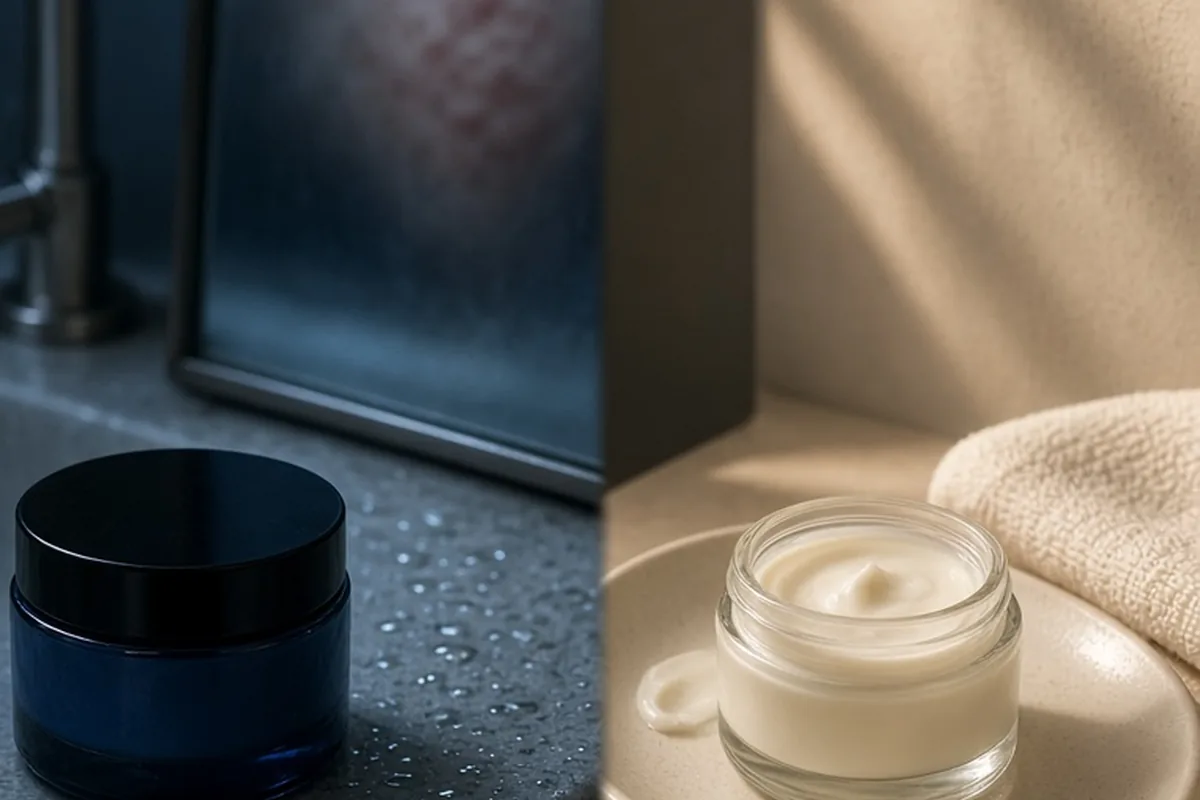
Yes, moisturizer can clog pores if it contains heavy occlusives, comedogenic oils, or waxes that trap dead skin cells and sebum beneath the surface. However, not all moisturizers cause congestion. Choosing lightweight, non-comedogenic formulas tailored to your specific skin type provides necessary barrier hydration without triggering breakouts, blackheads, or tiny closed comedones.
Navigating skincare products can feel like a balancing act between protecting your moisture barrier and preventing unwanted blemishes. When a product designed to soothe and hydrate suddenly leaves your skin bumpy, rough, or inflamed, it is natural to question whether skipping daily hydration altogether might be safer.
The Mechanics of How Moisturizers Congest Skin
Every pore on your face is the opening of a pilosebaceous unit, which houses a microscopic hair follicle and a sebaceous gland. Under balanced conditions, the sebaceous gland produces sebum that travels up the follicle lining to lubricate the skin surface while dead skin cells shed naturally. Problems arise when thick topical creams sit over these openings, mixing with shed keratinocytes and native sebum to form a sticky plug known as a microcomedone. Once oxygen flow is restricted and debris is trapped, these plugs evolve into visible blackheads, whiteheads, or closed comedones that feel like tiny sand grains beneath the skin.
Moisturizers typically work through three categories of ingredients: humectants that draw moisture into the surface, emollients that smooth rough texture, and occlusives that form a physical seal to prevent water evaporation. While occlusive agents and heavy lipid emollients are essential for severely dry or compromised skin, they can easily overwhelm skin that already produces abundant natural oil. When an occlusive seal is too dense for your skin type, it locks natural oils and surface bacteria underneath rather than letting the skin breathe and shed dead cells normally.
Common Comedogenic Ingredients and Formulation Factors
Certain ingredients carry a higher statistical likelihood of clogging pores, often referred to as comedogenicity. Plant butters such as cocoa butter and wheat germ oil, along with specific synthetic esters like isopropyl myristate, isopropyl isostearate, and acetylated lanolin, are known for having dense molecular structures that can settle inside follicular openings. Natural unrefined coconut oil is another ingredient that frequently leads to congestion when used on facial skin prone to blemishes, even though it performs well on the body or hair.
However, individual ingredient lists do not tell the whole story because the overall formulation dictates how a product behaves on the skin. An ingredient with a moderate comedogenic rating might be present at a fraction of a percent simply to stabilize an emulsion, rendering the finished product completely safe for acne-prone skin. Conversely, an oil-free cream loaded with heavy silicones or film-forming polymers might still cause congestion for someone with narrow follicles or sluggish cell turnover. Understanding your skin's unique reactivity matters far more than relying solely on generalized ingredient rating charts.
Recognizing the Difference Between Clogging and Purging
A common point of confusion occurs when introducing a new moisturizer and suddenly noticing clusters of small bumps or blemishes within a few days. Skincare enthusiasts often wonder whether their skin is simply purging before improving. In reality, a standard hydrating moisturizer cannot cause skin purging because it does not contain cellular turnover accelerators like chemical exfoliants (glycolic or salicylic acids) or retinoids. If a purely hydrating product triggers new breakouts or texture, it is causing active pore congestion or contact irritation rather than a beneficial purge.
Clogged pore reactions from rich moisturizers generally manifest as non-inflamed closed comedones across areas where the product was heavily applied, such as the forehead, chin, or along the jawline. These bumps often persist and multiply rather than resolving quickly. If red, tender papules or deep cysts develop in areas where you rarely experience breakouts, the formulation is likely disrupting your pore environment, signaling that you should discontinue use or switch to a lighter alternative.
Selecting the Right Moisturizer Texture for Your Skin Type
Choosing a moisturizer that keeps your skin clear requires matching the vehicle texture to your baseline oil production. Those with oily or acne-prone skin generally benefit most from water-based gel creams, fluid emulsions, or oil-free lotions. These formulations rely heavily on lightweight humectants like hyaluronic acid, glycerin, panthenol, and beta-glucan to hydrate the skin without leaving a suffocating film behind. Squalane and light silicone derivatives can also provide silky slip without settling heavily into pores.
If you have combination skin, you may find success by adjusting your application strategy rather than searching for one miracle bottle. Applying a light gel-cream across the T-zone while reserving a slightly richer ceramide lotion for dry cheeks prevents pore congestion where oil glands are most active. Those with genuinely dry skin still require protective emollients and physiological lipids like ceramides, cholesterol, and fatty acids to repair barrier function, but these ingredients should be formulated to absorb smoothly rather than sit as a greasy mask on top of the skin.
Application Habits That Accidentally Trap Residue and Cause Breakouts
Sometimes the formula itself is not the primary culprit; instead, daily application habits can inadvertently turn an innocent moisturizer into a trigger for clogged pores. Applying a rich cream over skin that has not been thoroughly cleansed can trap residual sunscreen, environmental pollutants, sweat, and makeup directly inside your follicles. If you use long-wearing makeup or water-resistant sunscreen, incorporating a gentle double-cleanse in the evening ensures your skin surface is entirely clear before applying your evening hydration.
Layering too many viscous products in a single routine can also create an accidental barrier overload. Stacking thick hydrating toners, multiple oil-based serums, and a heavy cream creates an occlusive blanket that prevents normal sebum evaporation. Additionally, environmental hygiene plays a quiet role: scooping cream from wide-mouth jars with unwashed fingers can introduce bacteria into the product, while sleeping on unwashed pillowcases transfers accumulated hair oils and laundry detergents right back onto your freshly moisturized face.
How to Reset Congested Skin Without Damaging Your Barrier
When you realize a moisturizer has clogged your pores, the temptation is often to aggressively scrub the skin with harsh physical exfoliants or strip it with strong alcohol-based astringents. Doing so usually backfires, as stripping the skin weakens the moisture barrier, triggering rebound oil production and inflammatory redness that makes congestion harder to clear. A measured reset involves returning to a minimalist routine featuring a gentle foaming or non-stripping gel cleanser, an ultra-light oil-free moisturizer, and a daily broad-spectrum sunscreen.
To clear existing follicular plugs without causing irritation, introduce a gentle leave-on beta hydroxy acid (salicylic acid) treatment two to three evenings per week. Because salicylic acid is oil-soluble, it can penetrate past surface lipids and dissolve trapped debris within the pore lining. Give your skin two to four weeks on this streamlined regimen to allow trapped comedones to surface and clear naturally before introducing any new hydrating formulas.
Decoding Product Labels and Testing New Formulas Safely
Terms like 'non-comedogenic' and 'oil-free' on product packaging are helpful initial guidelines, but they are not absolute guarantees. Because cosmetic labeling regulations do not enforce standardized testing protocols for comedogenicity claims, a product labeled non-comedogenic can still cause congestion in individuals with particularly sensitive or narrow pores. Reading beyond the front marketing claims and looking at the first five to seven ingredients in the list gives you a far more accurate picture of the product's base weight and potential heaviness.
Before applying a new facial moisturizer all over your face, conduct a methodical patch test over five to seven days. Apply a dime-sized amount of the product to a small, breakout-prone area, such as a patch of your jawline or temple, while keeping the rest of your routine unchanged. If the test area remains smooth, calm, and free of small bumps or excess shine after a week, the formula is far more likely to work well across your entire complexion.
Frequently asked questions
Can I skip moisturizer completely if my skin is very oily and prone to clogged pores?
Skipping moisturizer entirely is not recommended because dehydrated skin often compensates by producing excess sebum, which can worsen pore blockages. Instead of skipping hydration, use a lightweight, oil-free gel or water-based fluid containing humectants like glycerin or hyaluronic acid.
How long does it take for moisturizer-induced clogged pores to clear up?
Once you stop using the offending product and maintain a gentle routine with mild exfoliation, clogged pores generally begin clearing within two to four weeks. This timeline aligns with the natural cellular turnover cycle of your skin.
Can applying too much of a lightweight moisturizer cause clogged pores?
Yes, applying excessive amounts of any moisturizer can overwhelm the skin and leave a heavy film that traps surface debris. A nickel-sized amount is usually sufficient to hydrate the entire face without creating residue.
Your next step
Review the ingredient list and texture of your current moisturizer, switch to a lightweight water-based formula if you notice bumps, and patch test any new cream on a small area for seven days before full-face use.