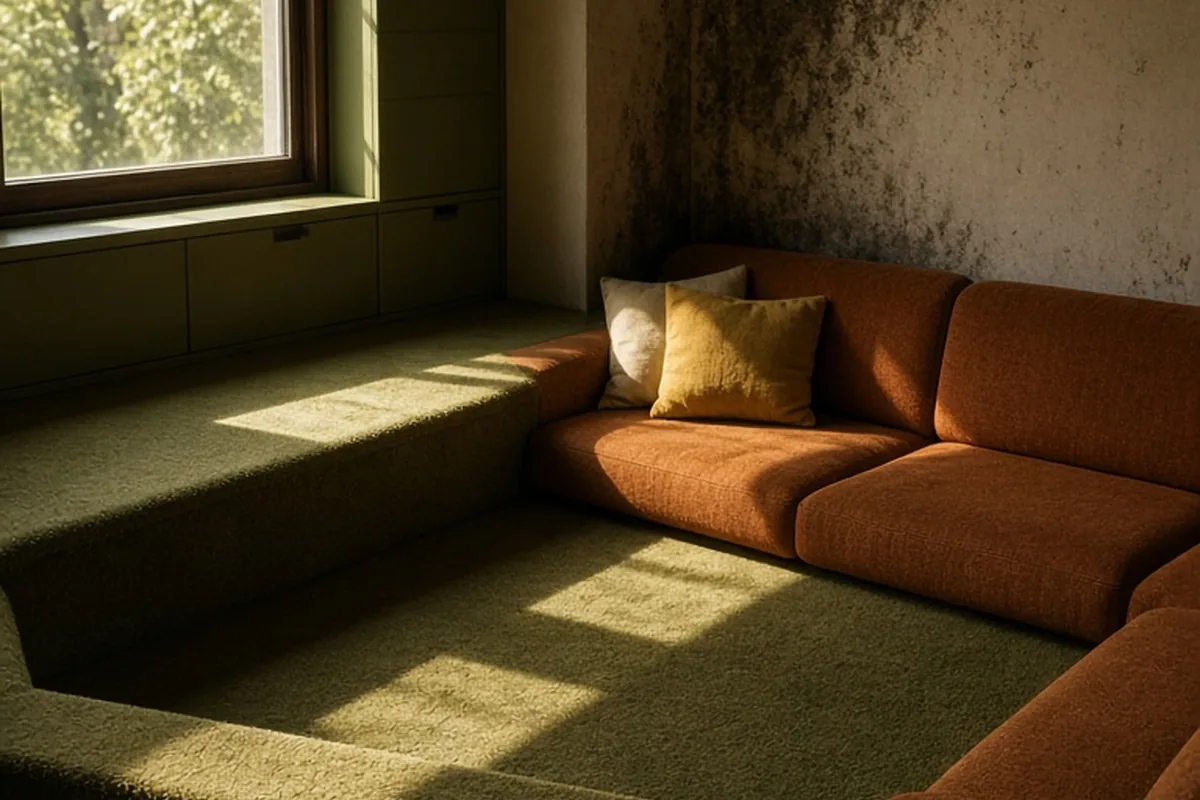
Mold does not directly infect pores to create typical bacterial acne, but airborne mold spores and mycotoxins can trigger systemic inflammation, histamine releases, and skin barrier irritation. This immune stress weakens your skin's natural defenses, exacerbating existing acne vulgaris or producing inflammatory rashes that closely resemble traditional breakouts.
When persistent breakouts resist standard cleansers, topical treatments, and dietary adjustments, looking beyond conventional skincare routines becomes necessary. Environmental factors inside living spaces, particularly hidden dampness and airborne fungal particles, frequently interact with the body in subtle ways that manifest across the complexion.
The Biological Link Between Indoor Mold and Skin Inflammation
Indoor mold reproduces by releasing microscopic spores and secondary metabolites known as mycotoxins into the air. When you inhale or come into direct physical contact with these particles, your immune system recognizes them as foreign invaders. In individuals with heightened sensitivities or compromised immune tolerance, this exposure prompts the release of pro-inflammatory cytokines and histamines. These inflammatory messengers circulate throughout the body, heightening overall baseline inflammation and leaving peripheral tissues, including the skin, significantly more reactive to everyday stressors.
Skin that is already prone to congestion relies on a stable barrier and balanced sebum production to prevent pore blockages. When systemic inflammation rises due to continuous environmental allergen exposure, the sebaceous glands often produce thicker, altered sebum while surface cell turnover becomes erratic. This creates an ideal environment for Cutibacterium acnes bacteria to multiply beneath trapped keratin plugs. Consequently, while mold spores are not physically colonizing your sebaceous glands to form whiteheads, the inflammatory cascade they trigger creates the precise biological vulnerability required for chronic blemishes to erupt and linger.
Differentiating True Acne from Mold-Induced Skin Rashes
One of the primary challenges in addressing skin problems linked to mold is misidentification. True acne vulgaris involves the blockage of a hair follicle by sebum and dead skin cells, resulting in open comedones (blackheads), closed comedones (whiteheads), and deeper inflammatory papules or cysts. These lesions typically vary in size, develop at different speeds, and concentrate in oil-rich zones such as the forehead, nose, chin, and upper back.
In contrast, mold exposure frequently produces skin conditions that mimic acne but have distinct underlying drivers. Irritant contact dermatitis, allergic dermatitis, and fungal folliculitis (an overgrowth of Malassezia yeast in the hair follicles) present as sudden, uniform clusters of small red bumps that itch intensely. If you notice uniform eruptions across areas not typically prone to breakouts, or if your blemishes tingle and itch rather than ache deeply, you may be experiencing a reactive rash rather than standard acne vulgaris.
- Acne Vulgaris: Uneven lesion sizes, mix of blackheads and cysts, localized primarily to oily zones, tender to deep pressure rather than persistently itchy.
- Fungal Folliculitis: Uniform pinpoint bumps, intensely itchy, often aggravated by sweat and occlusive skincare, concentrated on the chest, shoulders, or hairline.
- Contact Dermatitis: Patchy red bumps, dry or flaky texture, burning or stinging sensations, appearing rapidly after settling in specific damp rooms.
Common Household Sources That Directly Affect the Complexion
Mold thrives in dark, humid environments with poor ventilation, and its presence is not always marked by visible black patches on drywall. Many everyday household items and appliances collect condensation or harbor moisture, continuously circulating spores directly onto your face or bedding. Understanding where these hidden reservoirs exist helps you evaluate whether your living environment is actively irritating your skin.
Bedrooms and bathrooms represent the highest-risk areas for skin-related exposure because of physical proximity and moisture concentration. Sleeping with your face pressed against bedding that has absorbed ambient humidity or mold spores can directly compromise your facial barrier overnight. Similarly, running uncleaned appliances releases concentrated aerosolized contaminants directly into the breathing zone where you rest and recover.
- Bedroom Humidifiers: Ultrasonic and cool-mist humidifiers that are not sanitized every few days disperse stagnant water bacteria and mold spores directly into bedroom air.
- HVAC Units and Window Air Conditioners: Moisture buildup along internal coils and neglected filters blows fine fungal particles continuously across sleeping spaces.
- Damp Laundry and Pillows: Bedding dried in humid basements or pillows exposed to persistent night sweat can harbor micro-fungi that irritate facial skin during sleep.
- Bathroom Exhaust Gaps: Inadequate ventilation allows moisture to settle behind wallpaper, under silicone caulking, and beneath baseboards adjacent to sinks.
Strengthening Your Skin Barrier Against Environmental Irritants
When dealing with reactive breakouts triggered by environmental toxins, the natural instinct is often to scrub aggressively with harsh exfoliants, strong benzoyl peroxide, or high-percentage salicylic acid. However, if environmental spores are actively irritating your barrier, aggressive stripping agents strip away lipid layers and accelerate moisture loss. A damaged stratum corneum allows external particles to penetrate deeper into the dermis, intensifying redness and prolonging the life cycle of every blemish.
A supportive barrier-first routine focuses on replenishing essential lipids while calming cellular reactivity. Opt for non-foaming or gentle gel cleansers that rinse clean without leaving skin tight. Incorporate lightweight formulations containing ceramides, cholesterol, fatty acids, and soothing humectants like glycerin or panthenol. If you suspect an environmental component, keep daytime routines simple and protective with a broad-spectrum mineral sunscreen, which acts as a physical shield against airborne debris.
Practical Environmental Adjustments to Improve Indoor Air Quality
Addressing potential mold-related breakouts requires treating your living space with the same care as your topical routine. Reducing the airborne burden allows your immune system to downregulate inflammatory responses, giving your skin the physiological bandwidth to heal. Managing indoor air quality involves controlling moisture levels and capturing circulating particulate matter before it settles on surfaces or irritates your mucous membranes and skin.
Begin by maintaining indoor relative humidity between 30% and 50% using standalone dehumidifiers in naturally damp areas like basements and en-suite bathrooms. Place a high-efficiency particulate air (HEPA) purifier in your primary sleeping space to capture micro-particles, pet dander, and mold spores. When cleaning surfaces with visible moisture or mildew, avoid dry dusting, which disperses spores into the air; instead, wipe down non-porous surfaces with specialized plant-based detergents or diluted vinegar solutions while ensuring adequate ventilation.
- Monitor Humidity: Use an inexpensive digital hygrometer to ensure indoor moisture remains consistently below 50%.
- Upgrade Air Filtration: Run a true HEPA air filter in the bedroom continuously, replacing filters according to the manufacturer's timeline.
- Sanitize Bedding Frequently: Wash pillowcases and sheets weekly in hot water (at least 130 degrees Fahrenheit) and dry thoroughly on high heat.
- Ventilate High-Moisture Rooms: Run bathroom exhaust fans during showers and for at least twenty minutes afterward to evacuate lingering steam.
When to Consult Medical and Environmental Specialists
Navigating environmental skin triggers can feel overwhelming, especially when trying to differentiate between dermatological issues and structural home problems. If your breakouts are accompanied by systemic signs—such as chronic sinus congestion, unexplained fatigue, eye irritation, or a tight chest—it is crucial to seek professional medical evaluation. A board-certified dermatologist can perform a physical examination, conduct skin scrapings to check for fungal overgrowth, or recommend patch testing to pinpoint specific allergic contact sensitivities.
Simultaneously, if you discover extensive water damage, persistent musty odors, or visible mold covering an area larger than ten square feet, refrain from attempting large-scale DIY remediation. Disturbing extensive mold colonies without proper containment equipment releases massive spore clouds that can sharply worsen both respiratory and dermatological symptoms. Licensed environmental assessors and certified remediation professionals can safely identify the moisture source, test air samples, and remove contaminated materials safely.
Frequently asked questions
Can sleeping in a room with mold make my acne worse overnight?
Sleeping in a damp room with elevated mold spore counts exposes your facial skin and respiratory tract to continuous irritants for hours. This prolonged contact can trigger localized histamine release and weaken the skin barrier, making existing pimples appear significantly redder, more swollen, and more inflamed by morning.
How do I know if my breakout is fungal folliculitis or regular acne?
Fungal folliculitis typically appears as uniform, pinpoint red papules that itch intensely and often cluster along the chest, shoulders, or hairline. Regular acne vulgaris usually features varying lesion types, such as comedones, pustules, and deep cysts, which are tender rather than itchy.
Will an air purifier clear my acne if mold is the trigger?
A HEPA air purifier reduces the concentration of airborne spores and dust particles, which helps lower overall immune irritation and skin barrier stress. While it removes an important environmental trigger, you will still need a consistent, gentle skincare routine to resolve existing clogged pores.
Does washing my face immediately after being in a moldy space help?
Rinsing your face with lukewarm water and a mild, fragrance-free cleanser after leaving a damp or dusty environment helps remove surface spores before they settle. Follow with a soothing, ceramide-rich moisturizer to keep the protective moisture barrier intact.
Your next step
Assess your primary living and sleeping spaces for hidden moisture or musty odors, switch to a gentle barrier-restoring skincare routine, and consult a dermatologist if your breakouts are accompanied by itching or systemic allergy symptoms.