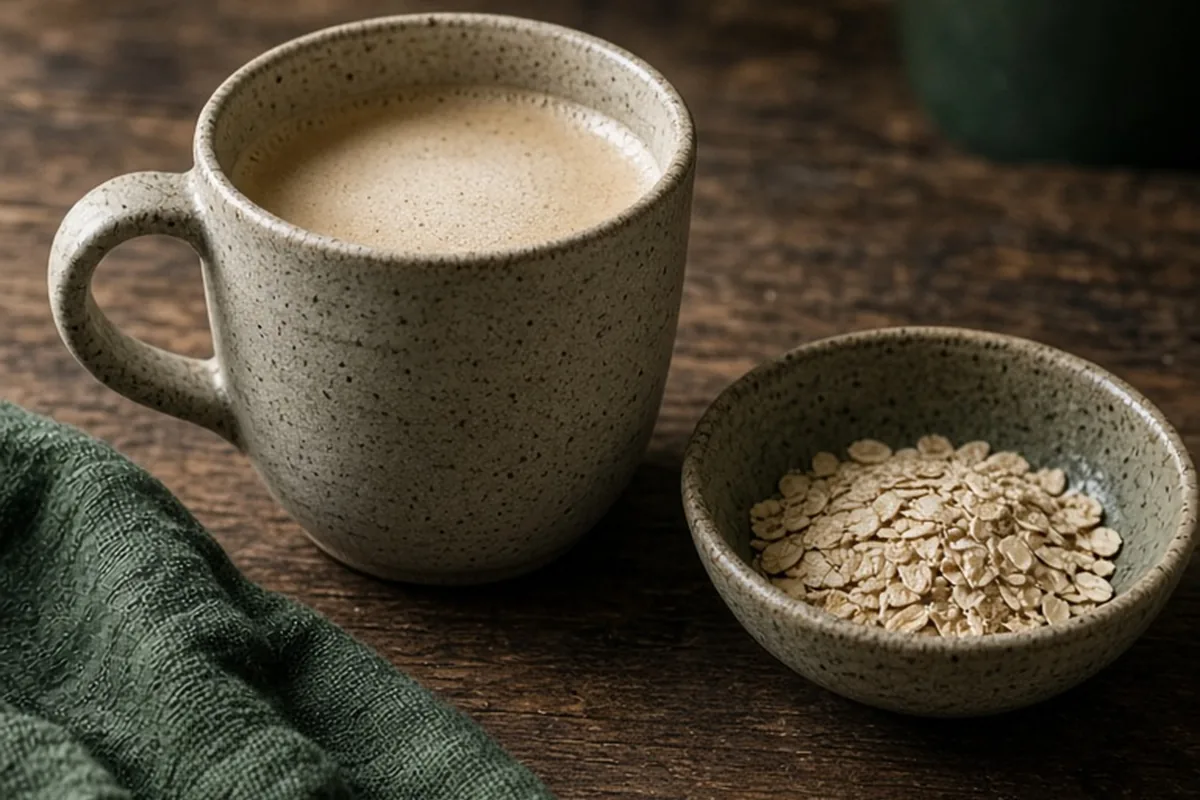
Oat milk does not directly cause acne for everyone, but it can trigger breakouts in sensitive or acne-prone individuals. Commercial oat milks often carry a high glycemic load that causes rapid blood sugar and insulin spikes, which may stimulate excess sebum production and inflammation. Additionally, added vegetable oils and emulsifiers found in popular barista blends can sometimes exacerbate inflammatory skin conditions.
Many people turn to plant-based dairy alternatives hoping to clear up persistent blemishes, only to find new bumps appearing along their jawline or cheeks. Understanding how oat milk interacts with your metabolism and skin physiology can help you identify whether your morning latte is contributing to your breakouts.
The Glycemic Impact of Processed Oats on Sebum Production
The primary mechanism linking oat milk to skin breakouts lies in how oats are processed into a drinkable liquid. Whole oats are naturally rich in fiber and complex carbohydrates, which digest relatively slowly in their intact form. However, commercial oat milk production involves treating oats with industrial enzymes that break complex starches down into simple sugars, primarily maltose. Maltose possesses a particularly high glycemic index, meaning it enters the bloodstream rapidly and prompts a steep rise in blood glucose levels.
When blood glucose spikes quickly, the pancreas releases insulin to transport that sugar into your cells. Elevated circulating insulin triggers a cascade of hormonal signaling, including an increase in insulin-like growth factor 1 (IGF-1). This hormonal surge stimulates the sebaceous glands to produce thicker, more abundant sebum while accelerating the turnover of skin cells within pore linings. When excess sticky sebum mixes with rapidly shedding skin cells, pores clog far more easily, creating an ideal environment for acne-causing bacteria to thrive.
For example, drinking a large sixteen-ounce iced oat latte on an empty stomach delivers a concentrated dose of fast-digesting liquid carbohydrates without meaningful protein or dietary fiber to slow absorption. For someone predisposed to hormonal or inflammatory acne, this sharp glucose spike can manifest as tender, inflamed papules or whiteheads within two to three days following consumption.
Added Seed Oils and Emulsifiers in Barista Blends
A second factor worth evaluating in commercial oat milk is the inclusion of vegetable oils and stabilizing agents. Oats naturally contain very little fat, which means pure oat and water mixtures tend to separate, curdle in hot coffee, and lack the creamy mouthfeel of whole dairy milk. To solve this culinary challenge, food manufacturers add refined vegetable oils—most commonly canola, rapeseed, or sunflower oil—along with emulsifiers like dipotassium phosphate and gellan gum.
While dietary oils do not directly travel to your pores to create clogs, consuming highly processed vegetable oils rich in omega-6 fatty acids can shift the body's internal balance toward low-grade systemic inflammation if omega-3 intake is low. In individuals who already struggle with inflammatory skin conditions, systemic inflammation can make existing blemishes redder, more swollen, and slower to heal. Furthermore, some individuals report mild digestive sensitivities to thickeners and emulsifiers, and gut inflammation can indirectly influence skin barrier integrity.
A typical barista-style oat milk carton may contain up to seven or eight grams of added oil per cup to ensure it steams into a microfoam. If you consume multiple oat milk drinks throughout the day, the cumulative intake of refined oils and stabilizers can become a quiet contributor to bodily inflammation.
Comparing Oat Milk to Dairy and Other Plant Milks
Many people transition to oat milk after learning that conventional cow's milk can exacerbate acne. Traditional dairy naturally contains whey, casein, and bovine growth hormones that interact directly with human endocrine pathways to drive oil production and follicular plugging. In that respect, oat milk offers a distinct advantage because it is entirely free from mammalian hormones and dairy proteins, making it an excellent swap for those whose breakouts stem specifically from dairy sensitivities.
However, substituting dairy with oat milk simply trades a hormonal trigger for a glycemic trigger. If your skin is sensitive to carbohydrate-driven insulin spikes rather than bovine hormones, oat milk may cause similar or even increased breakouts compared to dairy. Understanding your individual trigger profile is critical because different alternative milks carry widely varying nutritional compositions and physiological effects.
- Almond Milk: Naturally low in carbohydrates and calories, making it gentle on blood sugar, though it provides minimal protein and may trigger tree nut allergies.
- Soy Milk: Offers a balanced macronutrient profile with high plant protein and low glycemic impact, though individuals sensitive to dietary phytoestrogens may prefer alternatives.
- Hemp Milk: Rich in anti-inflammatory omega-3 and omega-6 fatty acids in an optimal ratio, with minimal carbohydrates when unsweetened.
- Coconut Milk: Low in carbohydrates but high in saturated fats; generally neutral for blood sugar, though some individuals experience personal skin sensitivities to coconut lipids.
How to Read Oat Milk Nutrition Labels for Acne Prevention
Not all oat milks on grocery store shelves are formulated equally. If you enjoy the taste and texture of oat milk and do not wish to eliminate it completely, learning to inspect the ingredient list and nutritional facts panel allows you to select options least likely to aggravate your skin. The cleanest formulations contain nothing more than filtered water, organic whole oats, and a pinch of sea salt.
When reviewing a carton, check the total carbohydrate count alongside the added sugars line. Even brands marked as unsweetened may list anywhere from seven to sixteen grams of total carbohydrates per serving because the enzymatic breakdown process creates inherent maltose. Look for brands that minimize processing or avoid added fats entirely, keeping the overall ingredient count to a transparent minimum.
- Avoid formulations listing added cane sugar, maple syrup, or flavored syrups in the first five ingredients.
- Watch for high-ranking seed oils such as canola oil, rapeseed oil, or sunflower oil in everyday drinking milks.
- Seek out cartons marked organic or non-GMO to minimize exposure to synthetic agricultural residues like glyphosate, which is sometimes used as a drying agent on conventional oat crops.
- Choose brands that use whole rolled oats rather than reconstituted oat flour or oat base concentrates.
Practical Strategies to Drink Oat Milk Without Triggering Breakouts
You do not necessarily have to abandon oat milk permanently if you notice an occasional pimple. Small modifications to when and how you consume it can significantly flatten the resulting glucose spike and reduce downstream hormonal stimulation. The goal is to prevent a rapid flood of sugar into the bloodstream by pairing the beverage with balancing macronutrients.
Rather than drinking a standalone oat milk latte first thing in the morning on an empty stomach, consume your beverage alongside or immediately following a breakfast rich in whole protein and dietary fiber, such as scrambled eggs with spinach or a chia seed pudding. The dietary protein and fiber slow gastric emptying, blunting the insulin response and helping maintain steady hormone levels throughout the morning.
Another effective strategy is portion moderation. Instead of ordering a sixteen-ounce beverage where oat milk serves as the primary liquid volume, ask for a traditional macchiato, an Americano with a two-ounce splash of oat milk, or a cortado. Reducing the total liquid volume dramatically reduces the total glycemic load while still delivering the creamy oat flavor you enjoy.
How to Run a Three-Week Dietary Elimination Test
Because skin turnover operates on a multi-week cycle, casual observations over one or two days rarely provide conclusive evidence about dietary triggers. Conducting a structured three-week elimination test is the most dependable, low-risk way to determine whether oat milk specifically impacts your complexion without making sweeping, unnecessary dietary restrictions.
Begin by completely removing all oat milk and oat-milk-containing café beverages from your routine for a full fourteen days. During this baseline phase, replace oat milk with unsweetened almond milk, unsweetened hemp milk, or black coffee, while keeping your skincare products, sleep habits, and broader diet as steady as possible. Take clear, unedited photos of your face in natural lighting at the start of week one and at the end of week two to track objective changes rather than relying on memory.
On day fifteen, reintroduce oat milk by consuming an eight-ounce serving daily for three consecutive days. Monitor your skin carefully over the subsequent forty-eight to seventy-two hours for signs of new inflammatory congestion, such as raised red bumps or deep tenderness along the lower face. If your complexion cleared during the elimination phase and flared predictably upon reintroduction, oat milk is likely a personal trigger for your skin.
Looking Beyond Single Dietary Triggers for Clear Skin
While pinpointing dietary contributors is empowering, focusing exclusively on a single food item like oat milk can lead to unnecessary food anxiety and overlook other fundamental pillars of skin health. Acne is a multifactorial condition driven by genetics, topical barrier function, psychological stress, sleep hygiene, and follicular shedding patterns alongside nutrition.
If removing oat milk does not produce noticeable improvements in your complexion, avoid the temptation to eliminate dozens of foods simultaneously. Instead, evaluate whether your topical skincare routine supports a healthy acid mantle with non-comedogenic hydration and proven pore-clearing ingredients like salicylic acid, azelaic acid, or topical retinoids. When dietary adjustments and consistent over-the-counter care fail to yield lasting clarity, partnering with a board-certified dermatologist offers a direct path to targeted medical therapies.
Illustrative Scenarios
Identifying a Latte Habit as a Hidden Flare Factor
A 26-year-old graphic designer switched from regular cow's milk to large daily iced oat lattes to address mild forehead bumps. Over the following two months, she experienced an unexpected increase in deep, tender blemishes along her chin and lower cheeks despite maintaining a consistent topical routine. Suspecting the high carbohydrate volume and added oils in her double-sized café drink, she swapped her morning order to an unsweetened almond milk cold brew with a splash of cream and ate a protein-rich breakfast first. Within three weeks, the deep inflammatory spots subsided, and she discovered she could still enjoy a small oat milk cortado once or twice a week without triggering new congestion.
Key point: Pairing carbohydrate-dense beverages with meals and reducing serving sizes can help you pinpoint personal thresholds without needing extreme dietary restrictions.
Frequently asked questions
Can oat milk cause cystic acne specifically?
Oat milk can contribute to cystic or deep hormonal acne in susceptible people by causing rapid insulin spikes that stimulate androgen activity and IGF-1 production. These hormonal shifts increase thick sebum production deep inside the pore, which can lead to larger, tender inflammatory lesions along the jawline and chin.
Is homemade oat milk better for acne than store-bought brands?
Homemade oat milk is often gentler on acne-prone skin because it excludes added vegetable oils, dipotassium phosphate, and industrial emulsifiers. However, blending oats with water still releases simple starches, so it remains relatively high in carbohydrates compared to nut or seed milks.
Which plant milk is least likely to cause breakouts?
Unsweetened almond milk and unsweetened hemp milk are widely considered the least likely to trigger breakouts due to their negligible carbohydrate counts and low glycemic impact. Unsweetened hemp milk also provides natural anti-inflammatory omega-3 fatty acids that support general skin barrier health.
How long after drinking oat milk would a breakout appear?
A dietary breakout typically emerges between twenty-four and seventy-two hours after consuming a trigger food. This delay reflects the time needed for insulin spikes to stimulate excess sebum production, clog the follicular canal, and allow localized inflammation to develop into a visible pimple.
Your next step
To clarify whether oat milk affects your skin, replace it with an unsweetened, low-carbohydrate plant milk like almond or hemp for two weeks, keep a photo log of your complexion, and evaluate whether your breakouts visibly calm.