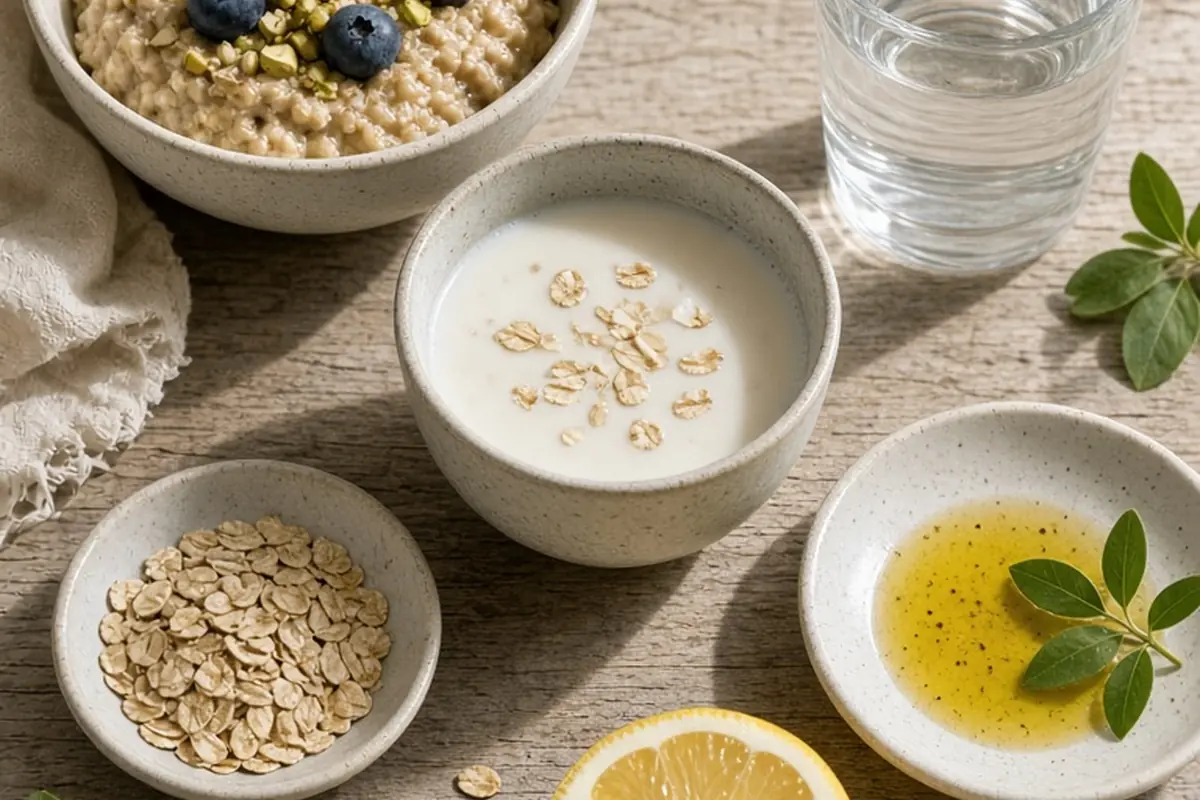
Plain whole oats rarely trigger acne directly because they provide soluble fiber and anti-inflammatory compounds. However, processed instant packets loaded with sugar, commercial oat milks emulsified with refined oils, or individual digestive sensitivities can prompt rapid blood sugar fluctuations that stimulate excess sebum production. Identifying whether your breakouts stem from pure oats or their culinary additives helps clarify your skin's unique tolerance.
When persistent blemishes flare up, daily breakfast choices often face sudden scrutiny. Oatmeal has long enjoyed a reputation as a nutrient-dense whole grain, yet many individuals notice an unexpected correlation between starting an oat-heavy routine and experiencing new pimples. Understanding how different oat preparations influence digestion, insulin levels, and topical skin barriers makes it easier to determine what truly supports your complexion.
Whole Oats and the Glycemic Impact on Sebum Production
Unprocessed whole oats, such as steel-cut and standard rolled varieties, are complex carbohydrates packed with soluble fiber known as beta-glucan. Under typical metabolic conditions, complex carbohydrates digest slowly, leading to gradual glucose absorption rather than dramatic insulin spikes. Because elevated circulating insulin can stimulate insulin-like growth factor 1 (IGF-1), which signals sebaceous glands to produce excess oil and encourages skin cell turnover to clog pores, low-to-moderate glycemic foods like plain oats are generally considered skin-supportive.
The situation changes when whole grains are replaced with heavily processed alternatives. Fine grinding, precooking, and instant processing break down the natural fiber matrix of the grain, significantly raising its glycemic index. When someone consumes a fast-digesting carbohydrate on an empty stomach, the resulting rapid rise in blood sugar can prompt an insulin response capable of driving inflammatory cascade pathways in the skin. For individuals with underlying hormone sensitivity or pre-existing acne, this sudden metabolic shift can contribute to increased skin congestion and active whiteheads.
Hidden Additives in Instant Oatmeal and Commercial Oat Milk
When people suspect oats of causing acne, the primary culprit is frequently not the grain itself, but the industrial ingredients combined with it. Pre-packaged flavored instant oatmeal commonly contains significant amounts of cane sugar, high-fructose corn syrup, artificial flavorings, and dried fruit coated in refined oils. A single serving can deliver enough simple sugars to trigger an acute glycemic surge, creating an internal environment that favors systemic inflammation and blemish formation.
Oat milk presents a similar hidden challenge. Many commercial oat milk brands utilize industrial enzymes to break oat starches down into maltose, a high-glycemic sugar. To achieve a creamy texture similar to dairy, manufacturers routinely blend this liquid base with refined vegetable or seed oils, such as canola, sunflower, or rapeseed oil, along with thickening gums and phosphates. Consuming these oil-heavy, high-maltose beverages daily in morning coffee or smoothies can substantially elevate dietary inflammatory markers for sensitive individuals, resulting in persistent breakouts along the jawline and cheeks.
- High amounts of added cane sugar or syrup that rapidly elevate blood glucose levels
- Enzymatically created maltose in oat milk bases that produces a sharp glycemic load
- Refined seed and vegetable oils added for emulsification and rich texture
- Stabilizing gums and chemical preservatives that can disrupt sensitive digestive tracts
Digestive Sensitivities, Cross-Contamination, and Avenin
Digestive health and skin health share a well-documented bidirectional connection often referred to as the gut-skin axis. Oats naturally contain a storage protein called avenin, which is structurally similar to gluten. While the vast majority of people digest avenin without issue, a small percentage of individuals with sensitive digestive tracts or heightened mucosal reactivity may experience mild intestinal irritation, bloating, or immune activation after consuming concentrated oat proteins.
Additionally, standard commercial oats are frequently cultivated, harvested, and milled alongside wheat, barley, and rye, leading to cross-contamination with gluten. For someone with non-celiac gluten sensitivity or celiac disease, ingesting non-certified oats can spark systemic immune reactions that manifest outwardly as inflammatory skin conditions, including papules, pustules, or dermatitis-like rashes. If breakouts occur alongside abdominal discomfort, bloating, or irregular bowel habits, an underlying digestive intolerance rather than pure hormonal acne may be the issue.
Topical Colloidal Oats: Soothing Ingredient Versus Heavy Formulations
Oats are widely celebrated in dermatology as a topical soothing agent. Colloidal oatmeal consists of finely ground whole oat kernels suspended in liquid or cream, rich in avenanthramides and lipid-rich compounds that calm itching, reduce redness, and reinforce the epidermal moisture barrier. For individuals dealing with eczema, irritated skin barriers, or mild inflammatory redness, pure colloidal oat soaks and light oat gels often deliver substantial relief without clogging pores.
Breakouts associated with oat-infused skincare usually stem from the vehicle base rather than the oat component itself. Many barrier-repair creams formulated with colloidal oatmeal are designed for very dry or compromised skin, incorporating occlusive ingredients like heavy mineral oils, shea butter, thick waxes, and rich fatty acids. If someone with acne-prone or naturally oily skin applies a heavy barrier balm to their face, the rich emollients can trap dead skin cells and bacteria inside follicles, resulting in closed comedones and clogged pores that are mistakenly blamed on the oatmeal.
How to Run a Simple Dietary Elimination Test for Oats
Because skin reactions can take several days to surface following dietary changes, guessing which food causes breakouts often leads to unnecessary dietary restriction. A structured, self-guided elimination framework offers clear insight into how your body responds to oats specifically. Begin by removing all oat products—including oat milk, oat-based snack bars, breakfast cereals, and baked goods—from your routine for a continuous period of two to three weeks while keeping the rest of your diet and skincare stable.
During this elimination window, note whether active inflammatory pimples decrease or if skin texture changes. Once the baseline is established, reintroduce pure, single-ingredient oats, such as unsweetened steel-cut oats prepared in plain water, for three consecutive days. If no new congestion or inflammatory bumps appear over the following week, your skin likely tolerates pure oats well. If blemishes return only after reintroducing commercial oat lattes or flavored instant packets, the additives and processing methods are the true triggers.
- Remove all oat-containing foods and beverages completely for fourteen to twenty-one days
- Maintain consistent topical skincare routines and baseline eating patterns throughout the trial
- Record daily observations regarding active inflammation, skin oiliness, and digestive comfort
- Reintroduce one serving of plain, unsweetened rolled or steel-cut oats daily for three days
- Observe your complexion for five to seven days before testing commercial oat milk or processed snacks
Smart Swaps and Preparation Methods for Clear-Skin Oat Lovers
If you enjoy oats as a regular part of your lifestyle, simple culinary adjustments can minimize potential blood sugar spikes and protect your complexion. Opt for minimally processed steel-cut or thick rolled oats instead of quick-cooking or instant packets. Cooking whole oats retains their intact fiber structure, slowing gastric emptying and moderating the release of glucose into your bloodstream.
You can further blunt any glycemic response by pairing your oats with balanced macronutrients. Adding healthy fats and high-quality proteins—such as chia seeds, ground flaxseed, hemp hearts, unsweetened protein powder, or a dollop of pure almond butter—slows digestion even further and prevents the sharp insulin surges associated with high-carbohydrate meals. When choosing oat milk for coffee or cooking, carefully examine ingredient labels and select brands formulated solely with water, certified gluten-free whole oats, and a pinch of salt, avoiding those containing added sunflower oil, dipotassium phosphate, or cane syrup.
Illustrative Scenarios
Identifying Beverage Additives Behind Sudden Breakouts
An illustrative individual noticed a sudden increase in inflammatory papules along their lower cheeks after switching from cow's milk to a daily double oat milk latte. Assuming oats were causing systemic inflammation, they initially planned to cut out all whole grains. Upon examining the ingredient label of their preferred barista-blend oat milk, they realized each serving contained added rapeseed oil, dipotassium phosphate, and several grams of simple sugars. They replaced the barista blend with an oil-free, unsweetened alternative and kept a weekly bowl of plain steel-cut oats in their breakfast routine.
Key point: Isolating processing ingredients and refined oils helps prevent unnecessary dietary restrictions while resolving skin irritation caused by beverage additives.
Frequently asked questions
Does oat milk cause more breakouts than dairy milk?
Oat milk is dairy-free, so it does not contain the bovine hormones or whey proteins that frequently trigger acne in dairy-sensitive individuals. However, commercial oat milks with added vegetable oils and high amounts of natural maltose can cause blood sugar spikes that stimulate oil production. Choosing an unsweetened, oil-free brand typically prevents these beverage-related breakouts.
Can topical oatmeal creams cause closed comedones?
Pure colloidal oatmeal is non-comedogenic and soothes irritation, but the overall product formula matters significantly. Many oatmeal creams use rich occlusives, thick waxes, or heavy oils to treat severely dry skin, which can trap sebum in acne-prone pores. Look for lightweight gel-creams or serums if you have oily skin and want the soothing benefits of oats.
How long after eating oats would an acne flare-up appear?
Dietary triggers related to glycemic spikes or digestive sensitivities generally take between 24 to 72 hours to manifest as visible skin inflammation. If you experience a breakout within this timeframe after eating sweetened or processed oat products, note the ingredients to evaluate potential links over several exposures.
Are certified gluten-free oats better for preventing acne?
For individuals with celiac disease or non-celiac gluten sensitivity, certified gluten-free oats eliminate the risk of cross-contamination that can cause systemic inflammation and reactive skin blemishes. If you do not have a gluten sensitivity, gluten-free oats offer identical skin benefits to standard pure oats.
Your next step
To keep your skin clear while enjoying oats, switch from instant packets and oil-blended oat milks to plain steel-cut or rolled oats paired with protein and healthy fats, and verify whether your topical products use lightweight, non-comedogenic bases.