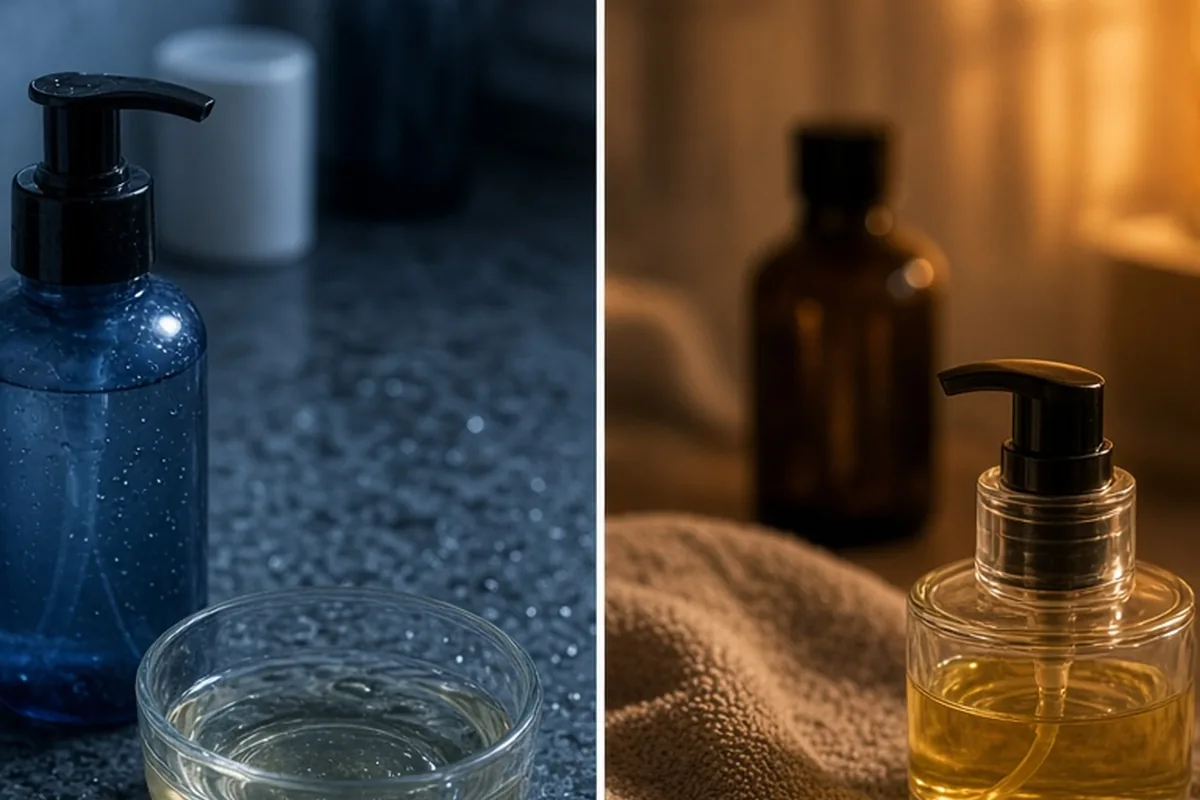
Yes, oil cleansers can cause acne if they contain comedogenic ingredients, lack proper emulsifiers, or leave behind a residue that traps debris in your pores. While oil-based cleansers effectively dissolve sebum and makeup, using heavy formulas or failing to rinse them away thoroughly can trigger closed comedones, blackheads, and inflamed blemishes.
Cleansing oils have become a staple in modern skincare routines because they easily break down waterproof cosmetics, sunscreen, and daily grime. However, when new bumps appear shortly after introducing one to your regimen, understanding how these formulas interact with your skin barrier can help you resolve congestion without giving up a thorough cleanse.
How Oil Cleansing Works on the Skin Surface
The fundamental mechanism behind oil cleansing is the principle that like dissolves like. Daily environmental pollution, excess sebum produced by your sebaceous glands, and water-resistant sunscreens are lipid-based substances that standard foaming washes may struggle to remove without stripping the moisture barrier. Cleansing oils bind to these surface lipids, loosening debris and allowing it to be lifted away smoothly.
Formulation makes all the difference in whether an oil cleanser supports clear skin or contributes to congestion. Dedicated commercial cleansing oils contain emulsifiers, which are specialized compounds that enable oil and water to mix. When you add water during cleansing, these emulsifiers turn the clear oil into a light, milky fluid that rinses away cleanly. Without adequate emulsifiers, oil remains on the skin surface, holding onto dissolved makeup and dead cells instead of carrying them down the drain.
The Primary Reasons Oil Cleansers Trigger Acne
The most common reason oil cleansers cause acne is the presence of comedogenic ingredients that settle into pore openings. Heavy plant oils with high concentrations of oleic acid, such as coconut oil, wheat germ oil, or cocoa butter, can create an occlusive seal over pores. For individuals with oily or acne-prone skin, this occlusion traps shed keratinocytes and ambient bacteria, creating the exact microenvironment where blemish-causing microbes flourish.
Another frequent trigger is improper removal technique. If an oil cleanser is rinsed with water that is too cold, the oil can solidify slightly and cling to the skin rather than emulsifying. Similarly, washing the face too quickly leaves behind a thin, invisible film. This leftover barrier prevents subsequent water-based serums or moisturizers from absorbing properly and can lead to clusters of tiny white bumps along the jawline, chin, and forehead.
Mechanical friction also plays an overlooked role. Massaging the face too aggressively or for several minutes in an attempt to extract pore plugs can cause micro-irritation to the delicate skin barrier. This physical agitation inflames existing subclinical blemishes and can provoke inflammatory papules rather than preventing them.
Breakout Versus Purging: How to Read Your Skin
When starting a new product, people often wonder if sudden bumps represent a beneficial skin purge or an adverse breakout. True skin purging occurs when an active ingredient accelerates cellular turnover, bringing preexisting microcomedones to the surface faster than usual. Chemical exfoliants like salicylic acid, glycolic acid, and topical retinoids are classic purging agents because they alter the rate of epidermal shedding.
Standard oil cleansers do not contain active ingredients that speed up skin cell turnover. Consequently, developing new bumps after using a cleansing oil is almost always a reaction to clogging, barrier irritation, or an ingredient sensitivity rather than a purge. If you notice small, uniform bumps, itchy red spots, or deep tender blemishes within a few days of using an oil cleanser—especially in areas where you do not normally break out—the product is likely clogging your pores or irritating your barrier.
The Role of the Two-Step Double Cleanse
Double cleansing is a method designed to balance deep cleansing with barrier preservation. The first step involves an oil cleanser or cleansing balm to break down surface lipids, makeup, and sunscreen. The second step uses a gentle, water-based cleanser—such as a foaming gel or mild cream wash—to remove water-soluble sweat, fine dust, and any remaining surfactant-oil residue from the first wash.
For acne-prone complexions, relying solely on an oil cleanser without following up with a water-based wash significantly increases the risk of breakouts. Even high-quality, easily rinsed oils can leave trace amounts of lipid film behind. The second wash ensures that your pore openings are completely clear of both dissolved grime and residual emulsifiers, allowing your skin to breathe and absorb evening treatments cleanly.
Choosing the Right Oil Formulations for Acne-Prone Skin
Selecting an oil cleanser for blemish-prone skin requires careful label evaluation. Lightweight synthetic esters, such as caprylic/capric triglyceride or ethylhexyl palmitate (when balanced with strong emulsifiers), offer excellent slip without heavy occlusion. Botanical oils high in linoleic acid—such as rosehip, squalane, sunflower, and safflower seed oil—tend to feel lighter and are generally better tolerated by skin that easily develops clogged pores.
It is also beneficial to avoid pure, raw kitchen oils that lack cosmetic emulsifiers. Applying pure olive oil or unrefined coconut oil directly to an acne-prone face and attempting to rinse it with plain water almost guarantees residual buildup. Look for balanced commercial formulations that list emulsifying agents such as Polysorbate 80, PEG-20 Glyceryl Triisostearate, or Sorbitan Oleate high on the ingredient deck to ensure a spotless rinse.
Step-by-Step Method to Use an Oil Cleanser Safely
Proper application technique ensures that an oil cleanser removes impurities without leaving behind pore-clogging film. Begin by applying one to two pumps of oil onto completely dry hands and spreading it across a dry face. Gently massage the oil in slow, circular motions for thirty to forty-five seconds, focusing on areas with stubborn makeup or natural congestion. Avoid scrubbing aggressively or pressing hard into active blemishes.
The most critical phase is emulsification. Wet your hands with lukewarm water and touch your face; the clear oil should immediately transform into a thin, milky emulsion. Continue massaging with wet fingertips for another fifteen seconds to lift the dissolved residue away from the skin. Finally, rinse your face thoroughly with comfortable lukewarm water until the skin feels soft and clean, followed immediately by your water-based cleanser.
When to Discontinue Oil Cleansing and Explore Alternatives
If you have refined your technique, ensured thorough rinsing, and chosen a non-comedogenic formula, but still experience persistent breakouts, your skin may simply be intolerant to free oils and heavy lipid emulsifiers. Conditions like fungal acne (Malassezia folliculitis) or intense barrier sensitivity can react poorly to fatty acids and lipid-heavy routines, leading to irritation that resembles conventional acne.
In these situations, switching to alternative makeup removal methods provides a cleaner solution without sacrificing barrier comfort. Gentle options include:
Choosing an alternative allows your moisture barrier to recover without trapping dissolved debris inside your follicles.
- Micellar water applied with a soft reusable cotton round to dissolve pigments and sunscreen without leaving oily residue.
- Water-based cleansing jellies that provide slip and dissolve makeup through mild surfactants rather than plant oils.
- Rinse-off cleansing milks formulated with minimal lipids that wash away completely with cool or lukewarm water.
Illustrative Scenarios
Adjusting Double Cleanse Technique for Closed Comedones
A composite user with combination skin began using a rich botanical cleansing oil to remove daily mineral sunscreen. Within two weeks, they developed a cluster of tiny, non-inflamed closed comedones across their forehead and jawline. The user was applying the oil on damp skin, skipping the emulsification step, and rinsing quickly with cold water without a second cleanser. When they switched to applying the oil on dry skin, massaging with lukewarm water until milky, and following with a gentle foaming gel, the congestion gradually diminished over four weeks without requiring harsh spot treatments.
Key point: Technique and thorough emulsification are just as critical as product selection when preventing congestion from oil-based cleansers.
Frequently asked questions
Can I use an oil cleanser if I already have oily skin?
Yes, individuals with oily skin can use cleansing oils effectively provided the formula contains lightweight, non-comedogenic oils and rinses cleanly. The key is to choose products with robust emulsifiers and always follow with a gentle water-based cleanser.
How long should I massage an oil cleanser on my face?
Massaging for thirty to sixty seconds is sufficient to dissolve makeup, sunscreen, and surface sebum. Massaging longer than a minute can cause friction-induced irritation and may push dissolved debris back into pore openings.
Are cleansing balms better for acne-prone skin than cleansing oils?
Cleansing balms and oils function similarly, but balms often contain solid waxes and butters (like microcrystalline wax or shea butter) to maintain their solid texture. For acne-prone skin, liquid cleansing oils made with lightweight esters generally carry a lower risk of leaving pore-clogging waxy residues.
What should I do if an oil cleanser breaks me out immediately?
Pause use immediately and simplify your routine to a basic gentle cleanser, a simple moisturizer, and sunscreen for a few days. Once your skin calms down, you can decide whether to try a different, lighter formula or switch to an oil-free micellar water.
Your next step
Inspect your cleansing oil's ingredient list for heavy saturated oils, and practice massaging with dry hands, emulsifying with warm water, and following with a gentle water-based cleanser tonight.