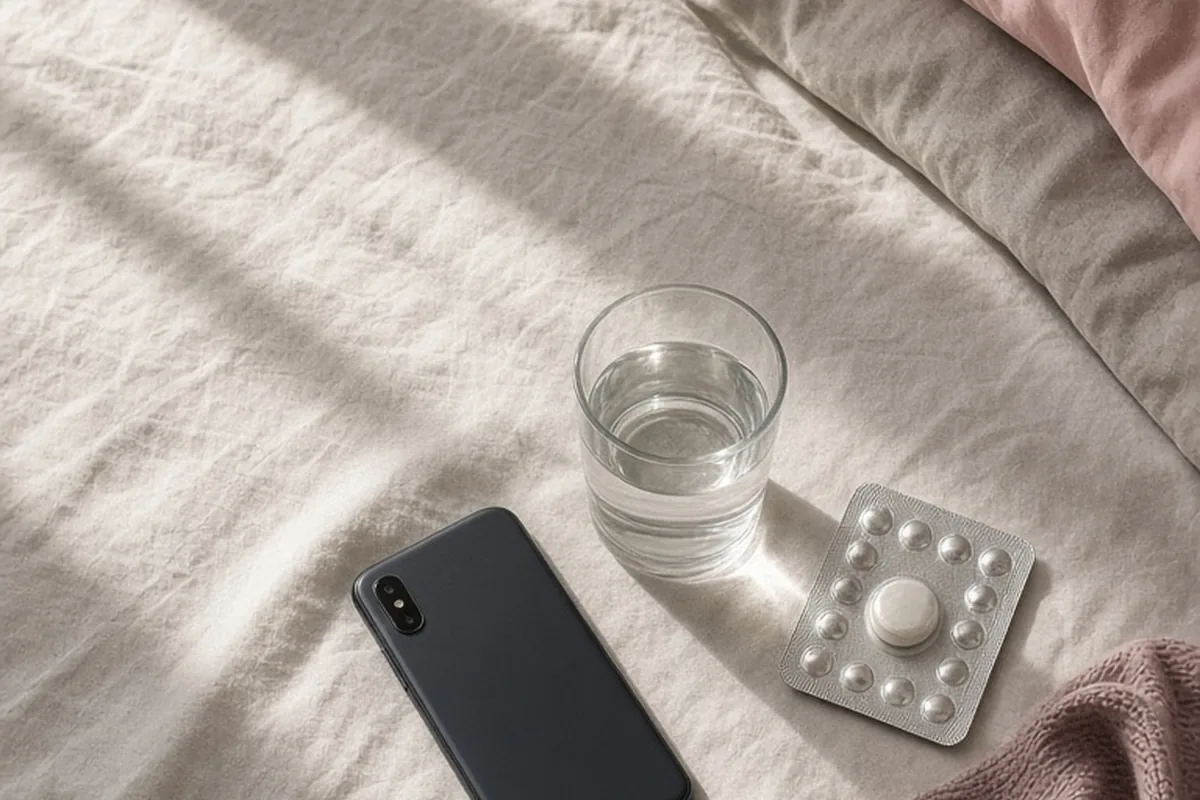
Yes, Plan B can cause temporary acne breakouts. The morning-after pill delivers a concentrated dose of levonorgestrel, a synthetic progestin. This sudden surge shifts your hormonal balance and can stimulate sebaceous glands to produce excess oil. As pores become congested with oil and dead skin cells, deep or tender pimples often develop along the jawline and chin, usually clearing within one to two menstrual cycles.
Navigating emergency contraception is often stressful enough without the sudden appearance of unexpected skin issues in the days that follow. Understanding why your skin reacts to these hormonal shifts can help you care for your complexion effectively and ease worries about long-term changes.
How Levonorgestrel and Hormonal Surges Impact Your Pores
Plan B One-Step and its generic equivalents use levonorgestrel, a synthetic form of the hormone progesterone. The primary goal of this medication is to prevent or delay ovulation so fertilization cannot occur. To achieve this quickly, the pill delivers a single, potent dose that temporarily alters your baseline hormone levels. While this mechanism is designed to affect the reproductive tract, circulating hormones interact with receptors throughout your entire body, including those located in the skin.
Levonorgestrel has mild androgenic properties, meaning it can mimic some behaviors of male sex hormones like testosterone. When these synthetic hormones bind to androgen receptors within the skin's sebaceous glands, they signal the glands to increase sebum production. Excess oil mixes with shed skin cells, forming microcomedones that trap cutaneous bacteria. This sudden increase in oiliness explains why someone who normally has clear or dry skin might experience sudden, tender blemishes shortly after taking the pill.
The intensity of this hormonal surge varies from person to person depending on individual sensitivity. Some people notice only subtle changes in skin texture or a single pimple, while others experience widespread inflammatory spots. Because the body processes and clears the medication relatively quickly, the trigger itself is brief, even if the resulting clogged pores take several weeks to fully heal.
Typical Breakout Timelines and What These Blemishes Look Like
Skin reactions related to emergency contraception generally follow a recognizable pattern. Breakouts frequently appear within two to seven days after ingestion, aligning with the initial spike and subsequent decline of synthetic hormones in the bloodstream. Because the underlying cause is endocrine-driven, these blemishes most commonly manifest as tender, deep-seated nodules or cysts along the lower third of the face, particularly concentrated on the chin, jawline, and upper neck.
Unlike small, superficial whiteheads caused by friction or pore-clogging cosmetics, hormonal blemishes triggered by levonorgestrel tend to sit deeper in the dermis and feel sore to the touch. They may take longer to come to a head or might resolve as firm bumps beneath the skin without ever surfacing. It is also common to notice increased overall oiliness across the T-zone alongside these deeper spots.
For most individuals, the acute breakout phase is self-limiting. The skin typically begins to recalibrate once your regular menstrual cycle resumes. In most circumstances, the initial inflammation calms down within two to four weeks, although residual post-inflammatory erythema (red or purplish marks left behind by healed spots) can persist for several weeks longer, depending on your skin type and healing rate.
Differentiating Emergency Contraception Flare-Ups from Routine Acne
It can be challenging to determine whether a sudden skin eruption is directly caused by emergency contraception, standard premenstrual hormonal swings, or heightened emotional stress. Emergency contraception causes an abrupt, external disruption to the natural rhythm of your cycle, whereas regular cyclical acne follows predictable monthly peaks, typically worsening during the luteal phase just before your period starts.
Stress also plays an intertwined role. The events surrounding the need for emergency contraception—such as contraceptive failure or relationship tension—frequently trigger elevated cortisol levels. Cortisol independently prompts sebaceous activity and impairs systemic barrier repair. When acute stress combines with the androgenic activity of levonorgestrel, the two factors can compound, creating a more pronounced breakout than either factor would produce on its own.
Consider the context and timing when assessing your skin's behavior. If you notice a sudden cluster of firm, sore bumps within days of taking emergency contraception that diverges significantly from your usual monthly patterns, the medication is likely a contributing factor. Recognizing this distinction helps you avoid panicking or assuming that your existing skincare routine has suddenly failed.
Gentle Skincare Strategies to Calm Active Inflammation
When faced with sudden hormonal breakouts, the natural impulse is often to attack the skin with aggressive scrubs, high-strength acids, and drying spot treatments. However, over-stripping the skin compromises the epidermal moisture barrier, increasing irritation and slowing down natural healing. A supportive approach that balances anti-inflammatory action with barrier maintenance is far more effective for managing hormone-driven blemishes.
Incorporate mild, proven active ingredients gradually rather than overhauling your routine overnight. A gentle cleanser containing low-concentration salicylic acid (around 0.5% to 2%) can penetrate oily pores and dissolve debris without causing excessive tightness. For calming redness and regulating surface oil, a lightweight serum featuring niacinamide (around 2% to 5%) can be applied morning and evening under a non-comedogenic moisturizer.
Spot treatments should be applied strategically to individual active lesions rather than all over the face. Consider these practical product choices for targeted relief:
- Hydrocolloid patches applied over tender blemishes to protect the area from bacteria and prevent compulsive picking.
- Low-strength benzoyl peroxide (2.5%) applied sparingly as a spot treatment to reduce acne-causing bacteria without causing severe peeling.
- A soothing barrier cream containing ceramides, panthenol, or centella asiatica to repair irritated areas and maintain hydration.
- A broad-spectrum, oil-free daily sunscreen (SPF 30 or higher) to protect healing lesions from ultraviolet radiation and minimize persistent post-inflammatory dark spots.
Mistakes to Avoid While Your Skin Recalibrates
Managing acute breakouts requires patience, as well-intentioned interventions can inadvertently worsen inflammation or cause long-term textural scarring. The most critical mistake is attempting to manually squeeze, pop, or extract deep hormonal cysts. Because these lesions are rooted deep within the follicle, squeezing pushes inflammatory material deeper into surrounding tissue, dramatically increasing the risk of hyperpigmentation and tissue damage.
Another common pitfall is piling on multiple new active ingredients simultaneously. Layering benzoyl peroxide, potent retinoids, and concentrated chemical exfoliants can disrupt your acid mantle, resulting in redness, flaking, and stinging. When the barrier is damaged, opportunistic bacteria more easily colonize the surface, creating secondary breakouts that prolong the problem well past the initial hormonal trigger.
Finally, do not skip daily hydration out of fear that moisturizer will clog your pores. Dehydrated skin often compensates by producing more sebum, creating a frustrating cycle of oiliness and flaking. Stick to simple, fragrance-free, gel-based or fluid lotions labeled non-comedogenic to keep the outer layer supple and resilient.
Supporting Whole-Body Balance After Taking Emergency Contraception
While topical skincare addresses surface symptoms, supporting your body's natural metabolic processes helps restore internal equilibrium after taking a high-dose progestin. Your liver plays a central role in breaking down and eliminating circulating hormones from the body. Supporting general metabolic health through everyday habits can promote a smoother return to your baseline baseline balance.
Prioritizing consistent hydration helps the kidneys and liver process metabolic waste efficiently. Aim to drink adequate water throughout the day, particularly if you are also experiencing common secondary side effects like mild gastrointestinal upset or fatigue. Limiting highly processed foods rich in refined sugars can also help, as rapid blood sugar spikes trigger insulin releases that can further stimulate androgen receptors and oil production in the skin.
Sleep and nervous system recovery are equally crucial. High levels of ongoing stress sustain cortisol elevation, prolonging inflammatory skin conditions. Setting aside time for adequate rest, light physical movement, and standard stress-reduction practices allows your endocrine system to stabilize naturally as your next menstrual cycle approaches.
When to Consult a Dermatologist or Healthcare Provider
For the vast majority of people, acne triggered by Plan B resolves on its own within one to two full menstrual cycles as hormone concentrations normalize. However, if severe, painful cystic acne persists for more than eight to twelve weeks, or if you notice widespread scarring, scheduling an evaluation with a board-certified dermatologist or healthcare professional is a wise step.
A professional can evaluate whether the emergency contraceptive simply unmasked an underlying hormonal imbalance—such as polycystic ovary syndrome (PCOS)—or if your skin requires prescription intervention. Dermatologists can offer targeted treatments like prescription topical retinoids, topical anti-androgens, short-term anti-inflammatory medications, or in-office cortisone injections for severely swollen lesions.
Additionally, if you find yourself needing emergency contraception frequently, consider discussing consistent, long-term birth control methods with your gynecologist or primary care physician. Certain combination oral contraceptives, patches, and rings containing specific progestins are clinically approved to help manage hormonal acne, providing reliable pregnancy prevention alongside clearer skin.
Frequently asked questions
How long does Plan B acne typically last?
Breakouts related to Plan B usually clear within four to eight weeks, aligning with the return of your next one or two regular menstrual periods. As synthetic progestin levels leave your system and your natural hormones stabilize, new inflammatory cysts should stop forming.
Can Plan B cause acne if I have never broken out before?
Yes, even individuals with historically clear skin can experience sudden blemishes after taking Plan B. The sudden, concentrated dose of levonorgestrel can abruptly stimulate oil glands that are normally inactive or produce minimal sebum.
Does Ella cause the same skin breakouts as Plan B?
Ella uses ulipristal acetate, a selective progesterone receptor modulator, rather than a synthetic progestin like levonorgestrel. While it can still cause temporary hormonal fluctuations and minor skin changes, its biochemical pathway differs from the androgenic activity found in Plan B.
Can taking Plan B multiple times worsen my breakouts?
Using emergency contraception repeatedly within a short window introduces recurring surges of synthetic hormones, which can repeatedly disrupt your natural cycle and keep oil production elevated. This increases the likelihood of persistent or recurrent hormonal breakouts until your cycle regulates.
Your next step
Simplify your skincare routine to a gentle cleanser, non-comedogenic moisturizer, and targeted soothing spot treatments while giving your body one to two menstrual cycles to naturally restore hormonal balance.