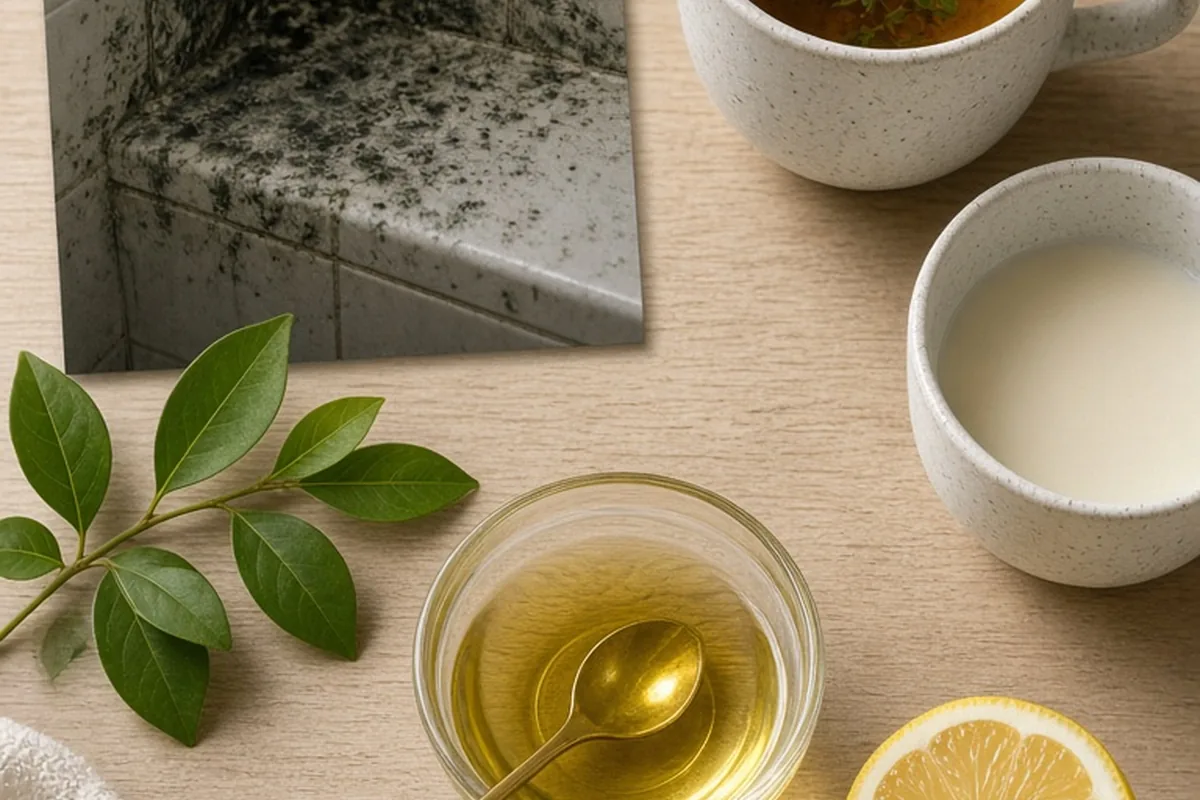
Shower mold does not directly cause classical acne vulgaris, which stems from trapped oil, dead skin cells, and bacteria inside hair follicles. However, exposure to airborne mold spores and damp bathroom environments can weaken your skin barrier, trigger allergic contact dermatitis, and foster fungal folliculitis. These reactions often mimic or intensify standard facial and body breakouts, making existing acne look more inflamed and persistent.
Stepping into a warm shower is supposed to leave you feeling refreshed, but a bathroom plagued by hidden dampness and mildew can quietly undermine your daily skincare efforts.
The Biological Difference Between Classical Acne and Mold Irritation
True acne vulgaris is an inflammatory condition rooted deep within the pilosebaceous unit. It develops when an overproduction of sebum blends with sloughed dead skin cells to form a plug inside a pore. Cutibacterium acnes, a naturally occurring skin bacterium, proliferates inside this trapped, oxygen-poor environment, drawing immune cells that generate classic comedones, pustules, and cysts. This process is primarily dictated by internal genetics, hormonal fluctuations, and personal skin turnover rates rather than environmental fungi floating in the air.
Shower mold, on the other hand, operates externally as an environmental irritant and allergen. Common household molds such as Cladosporium, Penicillium, and Aspergillus reproduce by releasing microscopic spores into humid air. When these spores land on damp, warm skin, they do not burrow into sebaceous glands to produce standard blackheads. Instead, they interact with the uppermost layer of the epidermis, triggering localized immune reactivity, microscopic inflammation, and physical barrier degradation that can easily be mistaken for a sudden acne flare-up.
Fungal Folliculitis and the Role of Humid Bathrooms
A frequent point of confusion is the visual similarity between bacterial acne and fungal folliculitis, often called pityrosporum folliculitis. Fungal folliculitis is an overgrowth of Malassezia yeast inside the hair follicles. While Malassezia is a yeast naturally present on human skin rather than shower mold itself, the environmental conditions that allow shower mold to flourish—high ambient humidity, warm temperatures, and stagnant air—create the ideal greenhouse conditions for Malassezia to multiply rapidly across your chest, shoulders, upper back, and forehead.
If you regularly spend time in a moldy, poorly ventilated bathroom, your skin remains damp longer, trapping heat and moisture against your clothing. A person might notice uniform, intensely itchy, pinpoint bumps that fail to respond to traditional salicylic acid or benzoyl peroxide treatments. In this scenario, the bathroom mold is a visible symptom of an overly humid microclimate that directly promotes cutaneous yeast overgrowth, producing breakout-like bumps that require targeted antifungal skin care rather than conventional acne drying agents.
How Mold Spores Erode Your Protective Skin Barrier
The skin barrier, or stratum corneum, functions as a watertight shield that locks in essential moisture while keeping environmental pollutants out. When you shower in an enclosed space with active mold colonies, airborne spores, fragments, and volatile organic compounds (VOCs) land directly on your softened, hydrated skin. For individuals with sensitive skin, atopic dermatitis, or rosacea, exposure to these fungal proteins can prompt an allergic contact response, releasing histamines and inflammatory cytokines directly into the tissue.
This persistent low-grade immune activation compromises the structural integrity of your lipid matrix, leading to increased transepidermal water loss and microscopic fissuring. A compromised barrier cannot regulate surface bacteria effectively. Consequently, everyday sebum and benign surface microbes that your skin normally handles with ease begin to trigger aggressive inflammatory responses. In practical terms, mold does not need to infect your pores directly to make your everyday breakouts significantly redder, more painful, and slower to heal.
High-Risk Bathroom Objects That Transfer Contaminants
While airborne spores present an ambient challenge, physical bathroom accessories often act as direct vectors for skin irritation. Porous materials kept in a damp shower stall accumulate soap scum, shed skin flakes, and stagnant moisture, forming an organic biofilm where mold and bacteria cross-contaminate. When you use these items on freshly steamed skin, you physically press concentrated environmental residues into open pores and vulnerable surfaces.
Evaluating your daily shower tools helps pinpoint whether secondary contamination is contributing to your breakout patterns:
- Loofahs and mesh shower poufs, which trap moisture internally and rarely dry completely between daily uses.
- Damp bath towels hung inside the shower stall that harbor mildew and deposit spores onto clean skin during post-wash drying.
- Shower curtains and liners with pink or black biological growth along the bottom hem, which brush against legs and arms.
- Bar soaps sitting in stagnant puddle dishes that accumulate fungal slime along their bases.
- Showerheads harboring internal mineral scale and bacterial biofilms that mist onto your face during every wash.
Safe Remediation Steps to Protect Your Skin and Home
Eliminating bathroom mold requires addressing both existing colonies and the underlying moisture that sustains them. When cleaning, avoid relying exclusively on high-strength chlorine bleach without proper protection, as concentrated chlorine fumes can aggravate facial redness and respiratory pathways. Instead, use hydrogen peroxide or EPA-registered antifungal bathroom cleaners on non-porous surfaces, allowing adequate contact time before wiping away deposits with disposable microfiber cloths.
Long-term mold control depends on consistent environmental management rather than occasional deep scrubbing. Run an exhaust fan during every shower and keep it operating for at least twenty to thirty minutes afterward to pull humid air outside. If your bathroom lacks a mechanical exhaust vent, crack a window and set up a small oscillating fan or portable dehumidifier to lower relative humidity below fifty percent, depriving mold spores of the ambient moisture they require to colonize grout, caulking, and ceilings.
Adjusting Your Skincare Routine in a Humid Environment
If you suspect your bathroom environment has contributed to reactive bumps or barrier sensitivity, simplify your topical regimen to focus on repair and defense. Temporarily step back from strong leave-on chemical peels, abrasive physical scrubs, and high-strength retinoids that thin the stratum corneum. Instead, incorporate gentle cleansers and barrier-replenishing moisturizers containing ceramides, cholesterol, squalane, and soothing agents like colloidal oatmeal or panthenol to restore lipid defense.
Hygiene habits outside the shower stall also make a substantial difference. Dry your face and body exclusively with freshly laundered, completely dry towels stored outside the humid bathroom environment, or consider gentle patting with single-use biodegradable facial towels during active flare-ups. Replace loofahs with smooth silicone scrubbers that resist microbial colonization, or use clean, washable washcloths that are laundered in hot water after every single use.
When to Consult a Dermatologist or Remediation Specialist
Distinguishing between mold-induced contact dermatitis, fungal folliculitis, and hormonal acne vulgaris can be challenging without professional evaluation. If your breakouts present with intense itching, resist standard over-the-counter benzoyl peroxide washes for more than four weeks, or appear as clusters of uniform red papules on your chest and back, consult a board-certified dermatologist. A specialist can perform a skin scraping or wood's lamp examination to identify fungal components and prescribe targeted topical or oral treatments.
Similarly, recognize when household mold issues exceed basic surface cleaning. If mold growth spans an area greater than ten square feet, recurs rapidly despite thorough ventilation, or appears behind drywall, under shower pans, or around leaking plumbing fixtures, standard surface sprays will not resolve the problem. In such cases, hiring a certified environmental remediation professional ensures hidden fungal reservoirs are properly contained and removed, protecting your indoor air quality and overall well-being.
Frequently asked questions
Can breathing in shower mold cause hormonal acne?
No, inhaling mold spores does not alter your endocrine system or directly trigger hormonal acne production. However, systemic immune irritation and allergic stress caused by chronic mold inhalation can elevate general inflammation, which may make existing hormonal blemishes appear more severe and heal more slowly.
How do I know if my breakouts are from mold or regular acne?
Regular acne typically features mixed lesions such as blackheads, whiteheads, and deeper cysts that develop primarily on oily facial zones. Mold-related irritation and fungal folliculitis usually present as sudden, uniform, intensely itchy red bumps across the chest, back, or jawline that do not respond to conventional acne cleansers.
Will washing my face inside the shower expose it to more mold?
Washing your face in a moldy shower can expose your skin to airborne spores and contaminated water mist from dirty fixtures. If your shower has active mold growth, consider washing your face at a clean, dry bathroom sink using fresh water and drying with a clean towel kept outside the stall.
Your next step
Inspect your shower for visible mildew, replace damp hanging loofahs with clean washcloths, and run your bathroom exhaust fan for thirty minutes after washing to protect your skin barrier from moisture-driven irritation.