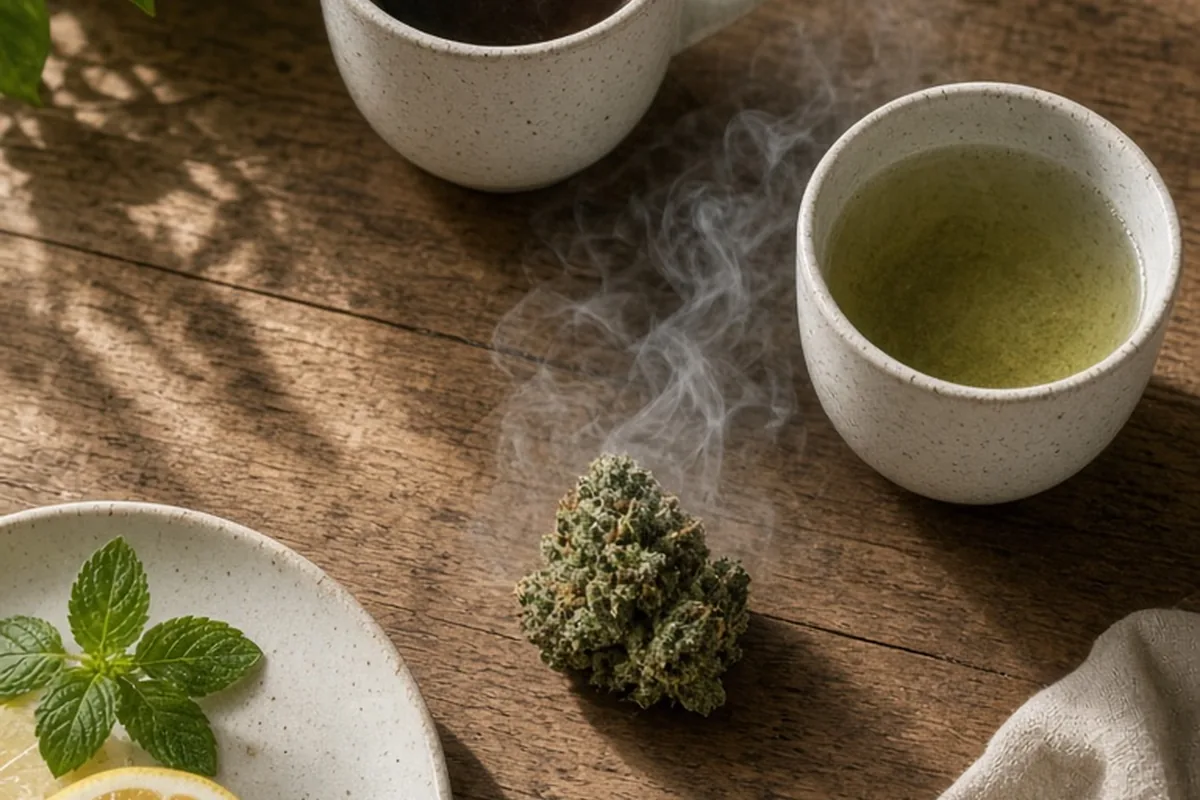
Smoking pot does not directly create acne bacteria, but the physical smoke, hormonal fluctuations, and related lifestyle habits can trigger breakouts. Smoke deposits fine particles onto facial skin that clog pores, while late-night cravings often increase refined carbohydrate intake. Managing your environment, washing your face promptly after sessions, and adjusting snack choices helps maintain clear skin without needing drastic lifestyle overhauls.
Understanding how cannabis use interacts with your complexion requires looking past simple myths to examine real daily habits, from ambient smoke exposure to midnight snacking.
How Physical Smoke Clogs Pores and Weakens the Moisture Barrier
When you ignite and inhale dried plant material, the resulting combustion releases microscopic particulate matter, volatile organic compounds, and hot ash. As smoke curls upward, these tiny carbon particles settle directly onto your face, mixing with your natural sebum, daily sweat, and environmental dust. Over a prolonged session, this film creates a physical blanket over the stratum corneum, creating a prime breeding ground for acne-causing bacteria and leading to congested pores, blackheads, and tiny microcomedones.
The ambient heat from joints, pipes, and bongs also dehydrates the delicate outer layers of the facial skin. When the moisture barrier loses hydration, it often attempts to compensate by accelerating natural oil production. This paradox of dry, tight surface skin paired with sudden excess oiliness leaves pores prone to trapping dead skin cells. If you smoke frequently in poorly ventilated or enclosed rooms, this concentration of airborne residue compounds rapidly, making persistent facial congestion much more noticeable around the nose, cheeks, and forehead.
Cravings, High-Glycemic Snacks, and Hormonal Breakouts
The connection between smoking pot and acne frequently traces back to dietary choices rather than the plant itself. Tetrahydrocannabinol, or THC, stimulates cannabinoid receptors in the brain that govern appetite and sensory appreciation of food, commonly referred to as the munchies. This biological reaction frequently triggers intense cravings for sweet, salty, and carbohydrate-dense comfort foods like potato chips, sugary baked goods, pizza, and sodas.
Consuming large amounts of high-glycemic foods causes a rapid spike in blood glucose levels, prompting your pancreas to release a surge of insulin. Elevated insulin levels can stimulate androgen hormones and increase insulin-like growth factor one, which directly signals the sebaceous glands to produce thicker, more inflammatory sebum. Over time, recurring late-night snacking sessions centered around refined starches and concentrated sugars can turn minor pore blockages into red, tender, inflammatory papules and pustules along the jawline and lower cheeks.
Dehydration and Disrupted Rest: Hidden Contributors to Skin Stress
Most people who smoke pot are familiar with cottonmouth, which occurs when cannabinoids bind to receptors in the submandibular salivary glands, temporarily reducing saliva secretion. What many overlook is that this dry sensation often reflects broader systemic hydration neglect during and after consumption. When you do not actively replace fluids, your skin cells lose plumpness and cellular turnover slows down, making it harder for dead surface cells to shed naturally away from follicular openings.
Sleep architecture plays an equally vital role in dermal repair. While cannabis is widely used to fall asleep faster, regular THC consumption can alter sleep architecture by suppressing rapid eye movement sleep and deep restorative cycles. When the body misses out on restorative rest, cortisol and general inflammatory markers tend to remain elevated overnight. High cortisol levels prompt excess oil production and impair the skin barrier's ability to repair everyday environmental damage, prolonging the healing time of active blemishes.
Hygiene Habits, Unwashed Hands, and Shared Accessories
A major source of cannabis-related acne comes from unintentional bacterial transfer during preparation and smoking. Rolling papers, handling sticky flower, packing bowls, and clicking lighters coat the fingertips in plant resin, oils, and general grime. When you subsequently touch your face, lean your chin on your palm, or pick at small bumps while relaxing, you transfer bacteria and irritants directly into vulnerable pores.
Sharing smoking apparatuses among friends can also introduce foreign bacteria and oils to your lower face and perioral area. Glass pipes, bongs, and vaporizers collect saliva and resin along the rim, which repeatedly presses against the skin around the mouth. If these tools are not sanitized regularly, the continuous contact can lead to localized acne mechanica, showing up as clusters of small whiteheads or irritated bumps around the chin and lip line.
Evaluating Methods: Joints, Blunts, Vapes, and Edibles
Not all methods of consuming cannabis carry the exact same skin implications. Traditional joints and glass bowls produce heavy combustion smoke that directly coats the face, but blunt wraps introduce an additional complication. Because blunt wraps are made from cured tobacco leaves, they contain nicotine and heavy chemical additives. Nicotine acts as a vasoconstrictor, narrowing tiny capillary blood vessels in the skin, reducing oxygen delivery, and impairing the healing speed of existing acne lesions.
Dry herb vaporizers and oil cartridges operate at lower temperatures, producing vapor instead of heavy particulate smoke, which significantly reduces the amount of physical residue settling onto your complexion. Edibles bypass respiratory inhalation and smoke exposure entirely, removing direct skin irritation. However, with edibles, you must remain mindful of the carrier medium, as sugary gummies, chocolates, and high-fat baked goods can still contribute to blood sugar spikes and dietary breakouts if consumed frequently.
Building a Post-Session Skincare Routine for Clear Skin
Protecting your complexion does not require giving up your routine, but it does call for intentional hygiene habits before and after you consume. Establishing a quick, non-negotiable post-session skin reset cleanses away settled smoke particles before they oxidize and penetrate deep into pores. The goal is to purify without aggressively stripping the skin's natural moisture barrier.
A practical routine involves washing your hands thoroughly with soap, followed by a gentle, non-stripping cleanser or micellar water sweep across the face. Follow this with soothing, barrier-supportive ingredients such as niacinamide to regulate oil production, hyaluronic acid to replenish lost moisture, and ceramides to seal the stratum corneum. If you are prone to clogged pores, applying a mild salicylic acid treatment two to three times a week can gently dissolve trapped sebum inside the pore lining.
Knowing When to Consult a Dermatologist
While tweaking your smoking hygiene and snacking habits can clear up lifestyle-driven congestion, some skin concerns require professional medical assessment. Deep, painful cystic acne along the jawline, persistent hormonal flares, or conditions like rosacea and perioral dermatitis will rarely resolve through lifestyle adjustments alone. A board-certified dermatologist can accurately diagnose whether your breakouts stem from intrinsic hormonal imbalances, follicular bacterial overgrowth, or external irritants.
When consulting with a healthcare professional, being open and honest about your cannabis consumption habits ensures you receive the most accurate guidance. Dermatologists view cannabis use objectively as a lifestyle factor, similar to diet, exercise, and stress levels. Transparent communication allows them to prescribe targeted topical retinoids, oral medications, or gentle antimicrobial washes that fit your lifestyle without causing adverse skin interactions.
Frequently asked questions
Does switching from smoking to vaping cannabis prevent acne?
Vaping eliminates heavy combustion smoke and ash particles that settle directly onto the skin, which can reduce surface pore clogging. However, vaping can still cause dehydration and trigger late-night food cravings, meaning smart hydration and dietary habits remain necessary for clear skin.
Can topical CBD products help clear cannabis-related breakouts?
Topical CBD possesses soothing and anti-inflammatory properties that may help calm redness and irritation around active blemishes. However, you should ensure the product uses a non-comedogenic carrier oil so it does not inadvertently congest your pores.
Does smoking blunt wraps make acne worse than rolling papers?
Blunt wraps contain tobacco and nicotine, which constrict small blood vessels and reduce localized blood flow to the skin. This constriction slows down natural cellular repair, causing existing acne lesions to remain inflamed and take longer to heal compared to standard rolling papers.
How quickly can my skin improve after adjusting smoking hygiene?
Surface congestion caused by unwashed hands and lingering smoke residue often shows noticeable improvement within two to three weeks of consistent cleansing. Deeper inflammatory breakouts influenced by diet, stress, and sleep patterns typically require four to six weeks to reflect a full skin renewal cycle.
Your next step
Keep a bottle of gentle micellar water and pre-portioned, nutrient-dense snacks accessible before your next session so you can easily protect your skin without interrupting your evening.