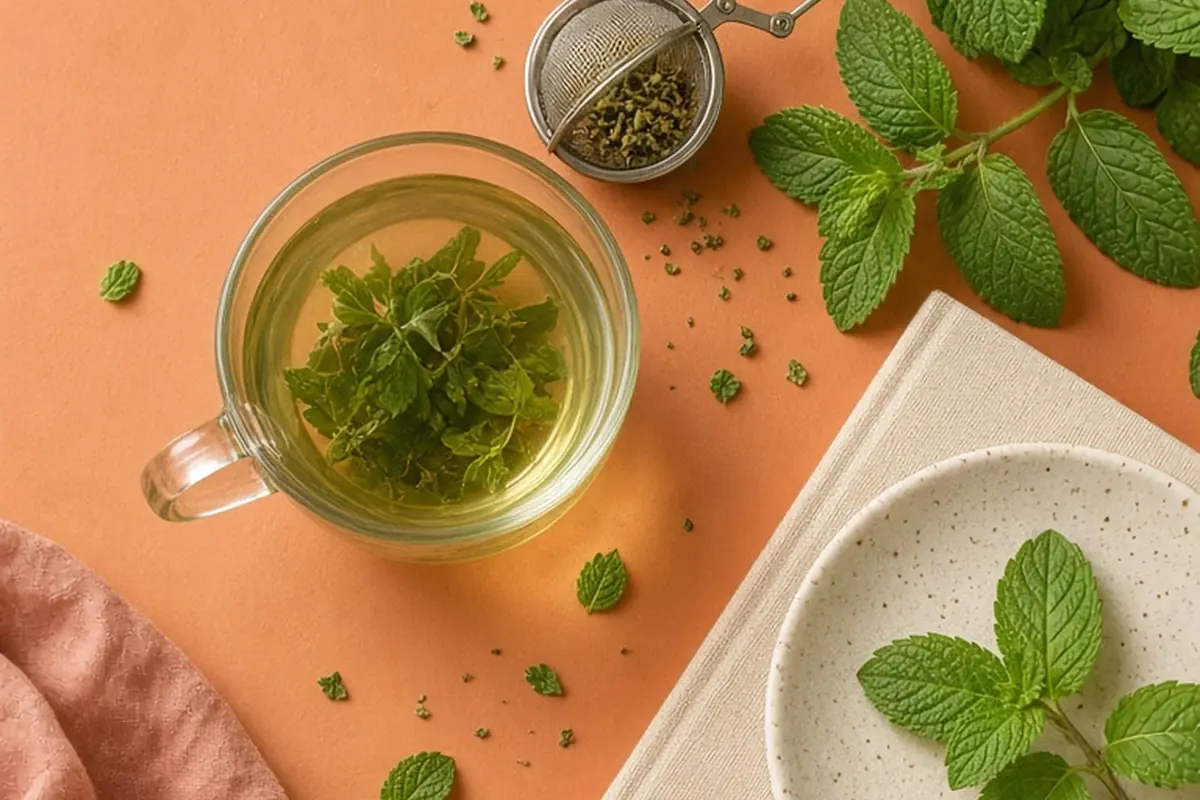
Spearmint tea may help reduce mild to moderate hormonal breakouts by gently blunting excess androgen activity, which frequently drives excess sebum production along the jawline and chin. While some individuals notice fewer inflammatory bumps after drinking one to two cups daily for several months, it is not an overnight cure or a replacement for standard dermatological care, and responses vary depending on individual hormone sensitivity.
Dealing with persistent, monthly blemishes often leads people to look past commercial topical creams and explore gentle botanical options. Spearmint tea has become an increasingly popular ritual for those struggling with recurring lower-face bumps, primarily due to its reputation for calming internal hormonal triggers without the harsh side effects associated with stronger systemic medications.
The Biological Link Between Spearmint and Hormonal Acne
Breakouts concentrated around the chin, jawline, and neck are frequently tied to fluctuations in circulating androgens, such as testosterone. When androgens bind to receptors on the sebaceous glands, they signal the pores to produce thicker, more abundant sebum. This surge in oil creates an ideal environment for trapped dead skin cells and normal skin bacteria to turn into inflamed, tender papules and cysts. Spearmint (Mentha spicata) attracts interest because its natural botanical profile includes specific polyphenolic compounds, flavonoids, and rosmarinic acid, which have long been observed in traditional herbal systems to exert mild anti-androgenic properties.
Rather than shutting down hormone production in an abrupt manner, spearmint is thought to gently encourage the body to modulate free, unbound testosterone in circulation. Lowering the amount of free hormone that can readily dock with sebaceous receptors can theoretically diminish the biological signal that prompts excessive oiliness. However, it is vital to keep this mechanism in perspective. Spearmint provides a subtle, cumulative biological influence rather than a targeted pharmaceutical block. It will not fundamentally rewrite your genetic baseline, nor will it correct acne caused by external pore-clogging cosmetics, friction from tight headwear, or impaired surface barrier function.
Identifying Breakouts That Are Most Likely to Respond
Because acne develops through multiple distinct physiological pathways, spearmint tea will not produce universal results for every complexion. Individuals who report the most noticeable shifts are typically dealing with cyclic, inflammatory breakouts that flare predictably in the week or two leading up to menstruation, or during periods of prolonged, elevated stress. These hormonal blemishes tend to manifest as deep, sensitive lumps situated across the lower third of the face, rather than superficial bumps scattered uniformly across the forehead or nose.
Conversely, if your skin concerns revolve around superficial blackheads, open comedones across an oily T-zone, or tiny uniform pustules linked to heat, sweat, or fungal imbalances, drinking spearmint tea is unlikely to solve the underlying problem. In those cases, the primary driver is local pore congestion or microbial proliferation rather than systemic androgen stimulation. Relying on an internal herbal infusion to clear surface congestion can lead to unnecessary frustration and delay effective topical therapies, such as gentle chemical exfoliants or barrier-repairing moisturizers. Identifying the specific pattern of your breakouts ensures your efforts match the physiological root of the issue.
Practical Brewing Methods and Daily Consumption Guidelines
Preparing spearmint tea to maximize its beneficial plant compounds requires a bit more intention than merely dipping a pre-packaged bag into warm water for a minute. The beneficial polyphenols and volatile oils need adequate heat and steeping time to fully transfer into the liquid. A reliable daily routine involves placing one tea bag or one rounded tablespoon of loose dried spearmint leaves into a mug, pouring freshly boiled water directly over the herb, and covering the cup with a small saucer. Allowing the infusion to steep covered for eight to ten minutes traps the aromatic steam and volatile compounds that would otherwise disperse into the air.
For daily maintenance, one to two standard cups per day is the widely suggested amount. You can enjoy the tea hot in the morning or prepare a larger batch to cool in the refrigerator and drink over ice throughout the afternoon, as chilling the tea does not degrade its primary polyphenols. It is best to avoid adding refined sugars, sweetened syrups, or cow dairy to your cup. High glycemic sweeteners can trigger rapid spikes in blood insulin that independently encourage androgen activity, which can inadvertently counteract the very benefits you are attempting to cultivate through the tea.
Realistic Timelines and What Changes to Expect
Herbal approaches operate on biological schedules, meaning instant changes should never be expected. Skin cells require approximately twenty-eight to forty days to complete a full turnover cycle, and hormonal rhythms reset over the course of complete monthly cycles. Because spearmint works upstream by modulating the chemical signals that trigger oil production before a pore ever becomes blocked, you will not wake up the morning after your first cup to find existing cysts miraculously resolved. Most people who experience tangible benefits only begin noticing visible changes after eight to twelve consecutive weeks of daily consumption.
A practical way to assess your progress is to document your skin once a week under consistent, natural morning lighting rather than inspecting your reflection multiple times a day. During the first month, you might notice improved hydration and mild digestive comfort, but little obvious change in active blemishes. By the second and third month, a positive response typically presents not as complete immunity from blemishes, but as a clear reduction in the total number of deep nodules, reduced swelling and tenderness when spots do appear, and a quicker recovery timeline for monthly flare-ups.
Important Side Effects, Health Limits, and Cautions
Although spearmint is an ordinary culinary herb with an excellent general safety profile, drinking therapeutic quantities every day introduces physiological variables that require mindful attention. Spearmint contains natural compounds that can relax the smooth muscle of the lower esophageal sphincter. For individuals who already live with gastroesophageal reflux disease (GERD) or frequent heartburn, daily spearmint intake can allow stomach acid to travel upward, triggering chest discomfort or throat irritation. Additionally, mint infusions can possess a mild hypotensive influence, making occasional blood pressure monitoring prudent for anyone already prone to dizziness or chronically low blood pressure.
Hormonal considerations represent the most essential boundary. Anyone who is pregnant, nursing, actively attempting to conceive, or managing hormone-sensitive conditions should refrain from using spearmint as a targeted therapeutic tool without medical guidance. Because the herb is consumed specifically for its subtle anti-androgenic properties, there is potential for it to interact with prescription medications that regulate hormones, such as oral contraceptive pills, spironolactone, or fertility drugs. Consulting a licensed healthcare provider ensures your herbal experiment does not clash with existing therapies or obscure an underlying endocrine condition that requires formal diagnosis.
Building a Balanced Skincare Routine Around Herbal Support
It can be tempting to treat an herbal remedy as a standalone miracle, particularly when enthusiastic online communities present it as an easy shortcut. However, internal botanicals perform their best work when paired with an uncompromised, barrier-supportive topical routine. If you drink spearmint tea consistently while simultaneously over-cleansing with harsh sulfates, skipping daily moisturizer, or scrubbing active inflammatory cysts with physical abrasives, the resulting surface inflammation and skin barrier degradation will easily overwhelm any subtle internal support the tea provides.
A healthy foundation should remain focused on simplicity, protection, and consistent hydration. Use a non-stripping, pH-balanced cleanser in the evening, followed by a nourishing moisturizer containing skin-identical lipids like ceramides, squalane, or glycerin to reinforce moisture retention. During the day, apply a broad-spectrum sunscreen with an SPF of thirty or higher, which prevents lingering red or brown post-acne marks from deepening under ultraviolet exposure. When you combine reliable topical protection with thoughtful internal lifestyle habits, you establish a resilient baseline that lets your skin heal efficiently.
Comparing Spearmint Tea to Clinical Acne Interventions
Understanding where spearmint fits in the broader spectrum of acne care helps establish sensible expectations and prevents prolonged skin distress. Standard topical medications, such as benzoyl peroxide, azelaic acid, and topical retinoids, function directly within the follicle to accelerate cellular turnover, unseat keratin plugs, and reduce bacterial colonization. Prescription systemic medications, including spironolactone and combined oral contraceptives, precisely regulate androgen receptors or ovarian hormone output with clinically validated potency that an over-the-counter herbal brew cannot match.
Spearmint tea represents an accessible, gentle, low-risk starting point for individuals with mild to moderate cyclic breakouts who prefer to explore lifestyle adjustments before pursuing prescription drugs. However, if your breakouts are moderate-to-severe, form deep painful nodules that leave pitted, permanent scars, or cause profound emotional distress, relying exclusively on herbal tea is not advisable. In those circumstances, partnering with a board-certified dermatologist provides access to clinically proven treatments that can halt the inflammatory cascade and protect your skin texture from long-term scarring.
Illustrative Scenarios
Structuring a Controlled Twelve-Week Trial
An office worker in her late twenties experienced deep, tender nodules along her jawline every month in the week preceding her period. Rather than constantly switching her topical products, she committed to keeping her basic gentle cleanser and barrier cream unchanged while incorporating two freshly steeped cups of spearmint tea into her daily routine. By photographing her skin every Sunday morning across three full menstrual cycles, she noticed that while occasional small surface whiteheads still formed, the large, painful monthly cysts diminished significantly in both size and frequency by the tenth week.
Key point: Isolating a single lifestyle adjustment while keeping baseline topical skincare steady allows you to objectively evaluate whether an herbal intervention is genuinely helping your skin.
Frequently asked questions
Can I take spearmint capsules or essential oils instead of drinking tea?
Brewed tea is the safest and most reliable way to consume spearmint because it provides a dilute, natural concentration of water-soluble polyphenols alongside gentle daily hydration. Spearmint essential oil should never be ingested internally due to severe toxicity risks, and unregulated oral supplement capsules can vary widely in potency while increasing the risk of stomach irritation.
Can men drink spearmint tea for acne?
Men can safely drink spearmint tea in normal culinary amounts, but consuming two therapeutic cups daily for acne is generally not recommended without medical advice. Because spearmint exhibits mild anti-androgenic tendencies, regular high consumption could potentially contribute to subtle drops in free testosterone that may impact energy, muscle recovery, or libido. Men struggling with persistent acne are usually better served by targeted topical retinoids or clinical therapies.
What makes spearmint different from peppermint for skin health?
While both herbs belong to the mint family, their active phytochemical profiles are noticeably different. Peppermint contains high levels of menthol, which provides a cooling sensation and digestive ease but has not demonstrated anti-androgenic properties. Spearmint contains a much lower menthol content and unique concentrations of specific flavonoids and polyphenols that are associated with hormonal modulation.
Will drinking more than two cups a day speed up my results?
Drinking larger quantities of spearmint tea will not accelerate your results and may instead trigger stomach cramps, acid reflux, or excessive urination. Skin cell turnover and hormonal shifts occur on natural physiological timelines that cannot be rushed by mega-dosing herbal infusions. Maintaining a consistent habit of one to two cups daily is the safest and most effective way to test tolerance.
Your next step
To see if spearmint tea helps your complexion, brew one to two cups daily for the next eight to twelve weeks while keeping your existing gentle cleanser and moisturizer steady, documenting your jawline with a weekly photo to objectively evaluate changes.