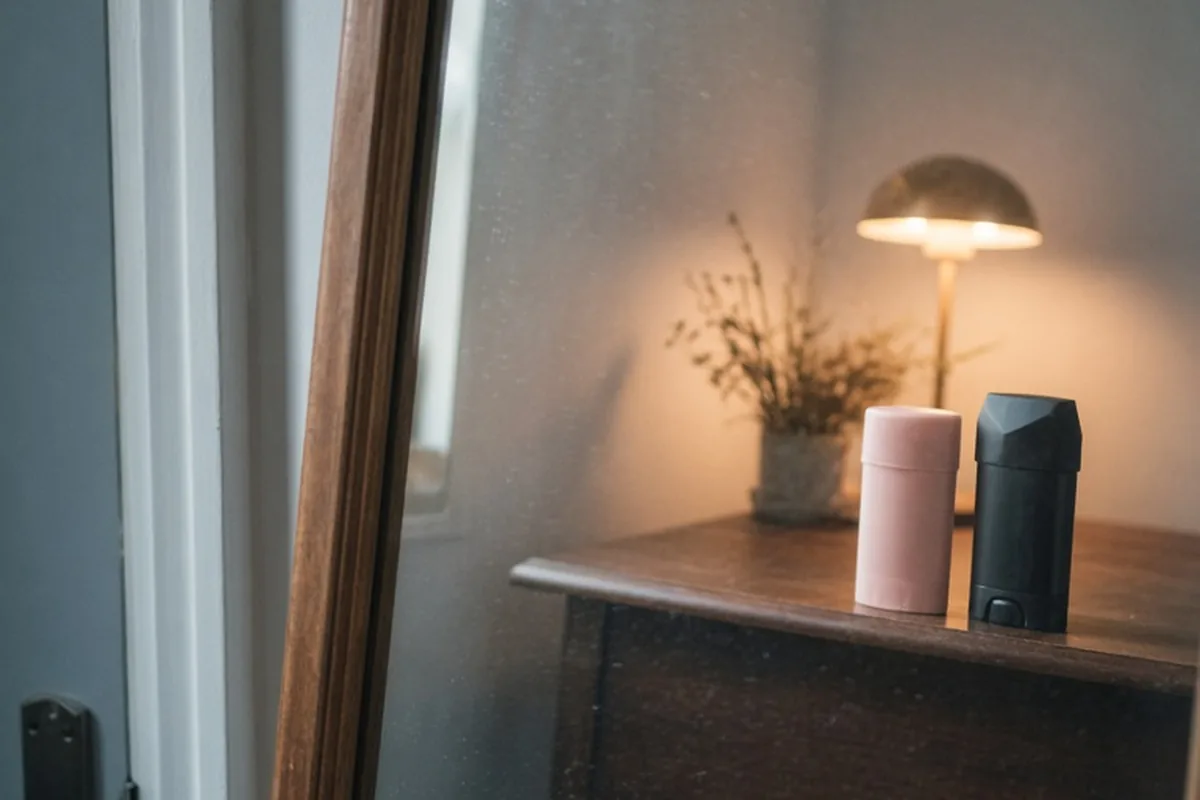
Yes, women can safely and effectively use men's deodorant. The active ingredients that control odor and sweat, such as aluminum compounds and antibacterial agents, are fundamentally identical across gendered product lines. The primary differences lie in marketing, fragrance profiles, packaging shape, and sometimes base texture. Anyone can choose a product based on personal scent preferences, skin sensitivity, and sweat-protection needs rather than the gender label on the bottle.
Walking down the personal care aisle often presents an artificial divide between pastel containers and dark, angular sticks. While retail shelves categorize body care strictly by gender, human physiology and sweat production operate under the same biological mechanisms regardless of identity. Choosing the right product comes down to formula efficiency, skin tolerance, and personal lifestyle demands.
The Chemistry Behind Gendered Formulations
At a chemical level, sweat protection relies on two primary categories: deodorants and antiperspirants. Deodorants neutralize odor using antimicrobial agents and masking fragrances to target the bacteria naturally residing on the skin. Antiperspirants use aluminum-based compounds to temporarily block sweat ducts, reducing the moisture that bacteria feed on. Regulators and cosmetic manufacturers use identical base compounds across both men's and women's product lines to achieve these goals.
The difference in efficacy is largely determined by active ingredient concentration rather than the intended gender of the consumer. An antiperspirant containing fifteen to twenty percent aluminum zirconium will provide similar sweat reduction whether the label reads for men or for women. The carrier ingredients, such as cyclomethicone, stearyl alcohol, or castor oil, serve to stabilize the formula and deliver a smooth glide on skin. When evaluating products, reading the drug facts label provides far more useful information about sweat control than front-of-package branding.
Fragrance Profiles and Daily Scent Compatibility
A major point of distinction between product lines is the olfactory profile. Women's deodorants frequently feature floral, powdery, fruit, or sweet notes like lavender, rose, vanilla, and cucumber. Men's products tend toward woodsy, herbal, aquatic, and spice-forward aromatic profiles featuring cedarwood, sandalwood, vetiver, bergamot, and crisp citrus. These distinctions reflect historical marketing conventions rather than biological requirements.
Choosing a masculine or gender-neutral scent can be an intentional styling choice. Many people find that earthier, woodsy scents blend more subtly with warm skin or provide a grounding contrast to fresh daytime perfumes and colognes. However, heavily fragranced men's formulas can sometimes overpower delicate fine fragrances. If you wear an eau de parfum or scented body lotion, opting for an unscented stick or a subtle citrus base helps prevent clashing aromatic profiles throughout the workday.
Texture, Application Width, and Hair Considerations
Product architecture often accounts for physical differences in application surface and hair density. Men's solid deodorants and antiperspirants frequently come in wider stick designs intended to cover a broader surface area quickly. They may also utilize firmer wax structures or clear gel bases formulated to glide through coarse underarm hair without leaving heavy clumping or white residue on the hair shafts.
For women who regularly shave their underarms, a broader applicator can be convenient, but firm or dry formulas might pull on sensitive skin. Clear gels and sprays marketed toward men dry quickly and eliminate white marks on dark fabrics, making them attractive for athletic wear and professional attire alike. The trade-off is that some gel formulations require a brief drying window before dressing to avoid a tacky sensation against bare skin.
Skin Sensitivity and Post-Shaving Care
Underarm shaving removes the top layer of dead skin cells and can create microscopic abrasions. Because men's deodorants are historically formulated with unshaved skin in mind, some varieties contain higher levels of denatured alcohol, strong fragrance oils, or cooling agents like menthol. Applying these specific formulas immediately after shaving can trigger immediate stinging, redness, or contact dermatitis.
If you shave regularly and want to use products from the men's aisle, look for alcohol-free solid sticks or formulas enriched with soothing emollients like shea butter, aloe, or glycerin. Giving your skin time to recover by shaving at night and applying deodorant in the morning can also minimize irritation. Testing a small swipe on your inner forearm before applying it to newly shaved underarms is a simple way to verify ingredient tolerance.
Economic Practicality and the Pink Tax
Price disparities across consumer goods frequently appear in the personal care sector. Grooming products marketed to women often carry a higher price per ounce compared to equivalent products marketed to men, a phenomenon commonly referred to as the pink tax. Men's deodorants are routinely sold in larger volume containers, multi-packs, or at lower unit costs for comparable active ingredient percentages.
Switching to men's or unisex options can offer a practical, budget-conscious advantage for individuals and multi-person households. A standard three-ounce men's solid stick often lasts noticeably longer than a 2.4-ounce women's stick at an identical or lower retail price. For consumers focused purely on value and baseline hygiene utility, buying larger standard formats is an easy financial adjustment.
How to Select the Right Product for Your Needs
Finding the most effective underarm product involves assessing your daily activity level, sweating patterns, skin sensitivity, and aesthetic preferences rather than staying within a prescribed aisle. Making an intentional choice ensures you get reliable protection without unwanted skin reactions or aromatic clashes.
When browsing product options, consider these practical selection steps:
Identify whether your primary goal is controlling moisture (requiring an antiperspirant with aluminum salts) or managing odor (requiring an antibacterial deodorant).
Inspect the active ingredient percentage on the back panel to match your sweat protection needs.
Check for skin-friendly markers such as alcohol-free, paraben-free, or formulated for sensitive skin if you shave frequently.
Select a fragrance profile that complements your personal care routine, or choose an unscented option for total versatility.
- Identify whether your primary goal is controlling moisture (requiring an antiperspirant with aluminum salts) or managing odor (requiring an antibacterial deodorant).
- Inspect the active ingredient percentage on the back panel to match your sweat protection needs.
- Check for skin-friendly markers such as alcohol-free, paraben-free, or formulated for sensitive skin if you shave frequently.
- Select a fragrance profile that complements your personal care routine, or choose an unscented option for total versatility.
Illustrative Scenarios
Finding Sweat Control During High-Intensity Training
Maya, a dedicated distance runner, found that her standard floral deodorant frequently wore off halfway through humid summer workouts. Assuming men's products were inherently stronger, she bought an aggressively fragranced men's sport stick. While it kept odor at bay, the strong artificial scent clashed with her workplace environment, and the formula stung her skin after shaving. Instead of abandoning the category, Maya examined active ingredient labels. She switched to an unscented, high-percentage antiperspirant solid from the men's section that delivered the sweat resistance she needed for training without skin irritation or lingering cologne.
Key point: Reliable sweat performance depends on active ingredient concentration and base texture, not intense masking fragrances or gender branding.
Simplifying Household Essentials and Fragrance Layering
Taylor wanted to streamline shared bathroom products with her partner to reduce clutter and travel packing bulk. She tried using his cedar-scented gel antiperspirant, but the wet consistency took too long to dry, and the woodsy notes competed with her signature citrus perfume. After discussing their shared routine, they chose an unscented, quick-drying roll-on formula suitable for both sensitive skin and unshaved underarms. The neutral product provided consistent daily odor protection for both people while allowing each partner to wear their individual fine fragrances without conflict.
Key point: Choosing neutral, high-compatibility grooming formulas makes household sharing effortless without sacrificing individual skin care needs or scent preferences.
Frequently asked questions
Does men's deodorant stop excessive sweating better than women's deodorant?
Not automatically. Sweat reduction depends on the concentration and type of active aluminum compound in an antiperspirant, which are regulated identically across gender lines. A clinical-strength women's antiperspirant often provides higher sweat blockage than a standard men's daily deodorant stick.
Can using men's deodorant cause irritation after shaving?
It can if the product contains high amounts of denatured alcohol, synthetic fragrances, or cooling agents like menthol. Choosing alcohol-free sticks and applying them to dry, non-irritated skin helps prevent post-shave stinging.
Is it sanitary to share a stick deodorant with a partner?
Sharing direct-contact solid sticks can transfer surface skin bacteria, dead cells, and stray hairs between users. If sharing products within a household, spray antiperspirants or pump bottles offer a much more hygienic solution.
Why do some women prefer the scents used in men's deodorants?
Fragrance preference is entirely personal. Many people enjoy fresh, woodsy, herbal, or citrus notes over sweet, floral, or powdery blends, making men's aromatic profiles an appealing alternative for everyday wear.
Your next step
Check the active ingredient percentage and scent profile on your current stick, then try a sample of an unscented or subtly scented alternative across the aisle to see if the texture and performance suit your routine.