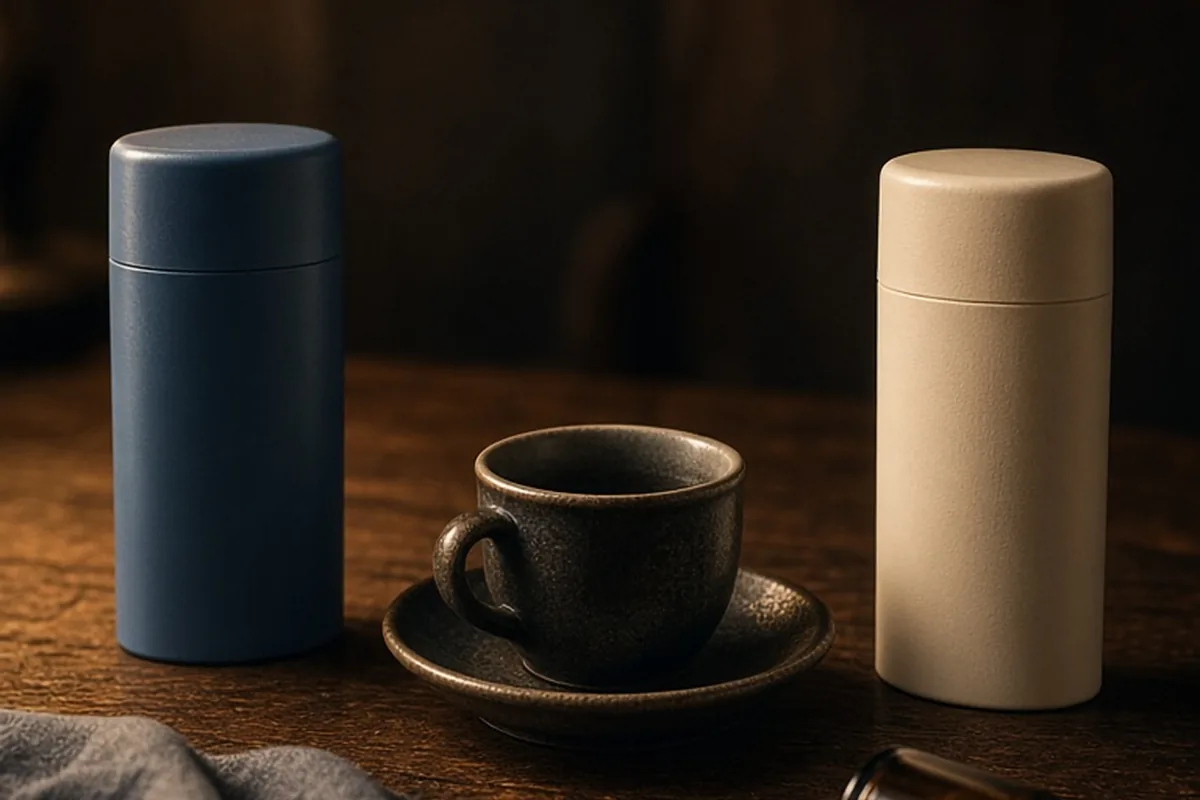
Yes, women can safely wear men's deodorant. Active ingredients for sweat protection and odor reduction, such as aluminum salts and antimicrobial agents, are fundamentally identical across genders. The main differences lie in fragrance profiles, packaging, marketing, and occasional variations in carrier texture. Anyone can choose a product based purely on personal scent preference, skin tolerance, and desired sweat protection rather than the label on the shelf.
Personal care aisles have long divided body products by gender, yet human sweat glands and odor-causing bacteria do not follow retail marketing boundaries. Choosing an antiperspirant or deodorant ultimately comes down to everyday effectiveness, skin compatibility, and how a product fits your personal routine.
How Active Ingredients Compare Between Men's and Women's Formulas
The fundamental mechanism of sweat and odor control is identical regardless of which aisle a stick comes from. In antiperspirants, active compounds such as aluminum chlorohydrate, aluminum zirconium tetrachlorohydrex GLY, or aluminum sesquichlorohydrate temporarily plug the sweat ducts to reduce moisture output. In non-antiperspirant deodorants, base ingredients typically combine an odor-neutralizing salt or antimicrobial agent with a carrier wax or liquid designed to minimize bacterial breakdown on the skin surface. These functional chemical compounds operate in the exact same manner on any human underarm.
While some commercial lines marketed to men feature slightly higher concentrations of specific active ingredients or heavy-duty wax binders, the underlying safety and functionality remain consistent. A woman looking at an over-the-counter antiperspirant formulated for men will find the same active percentages listed on the Drug Facts panel as she would on comparable clinical-strength options marketed to women. The primary distinction between the lines is the aromatic composition and vehicle consistency rather than a secret biological formula tailored to male physiology.
However, stronger formulation does not always mean better daily comfort. Products with heavier wax carriers or higher concentrations of active drying agents can feel tackier on the skin or take longer to wash away thoroughly during a shower. Testing a product on a small patch of skin or using a moderate amount allows you to gauge how your body handles the formula without committing to an overly aggressive antiperspirant layer.
Fragrance Profiles and Personal Scent Layering
A primary reason many people explore the opposite grooming section is fragrance preference. Traditional products targeted at women frequently rely on sweet, floral, fruity, or powdery scent bases like lavender, vanilla, coconut, and rose petal. In contrast, products designed for men tend toward crisp, earthy, aquatic, or woody profiles featuring cedarwood, bergamot, sandalwood, sage, and mint. For individuals who find sweet scents cloying or prone to clashing with other perfumes, herbal and woody notes offer a cleaner, more grounded aroma.
Integrating a men's deodorant into your daily routine requires considering how its base fragrance interacts with your fine perfumes, body lotions, and natural body chemistry. A prominent cedar or citrus deodorant can enhance a unisex eau de parfum or neutral body butter, creating a sophisticated layered scent. Conversely, combining a pungent masculine cologne scent with a sweet gourmand perfume can produce an overwhelming or discordant smell that competes throughout the day.
If your goal is reliable odor neutralization without carrying a pronounced masculine cologne trail, look for product lines that feature clean, minimal, or unscented variants. Fragrance-free men's deodorants provide the structural moisture absorption and long-lasting barrier associated with robust formulas without interfering with any signature fragrance you choose to apply elsewhere on your pulse points.
Skin Sensitivity, Irritation, and Application Texture
Skin sensitivity in the axillary area is heavily influenced by personal grooming habits, particularly underarm shaving or waxing. Shaving creates micro-abrasions along the top layer of the epidermis, making the skin significantly more vulnerable to stinging, redness, and contact dermatitis. Men's deodorants frequently contain higher concentrations of alcohol, synthetic fragrances, or essential oils intended to deliver an immediate cooling sensation, which can cause intense burning when applied immediately over freshly shaved skin.
Texture also plays a major role in overall comfort and daily performance. Men's products commonly come in clear gels, solid white sticks, or heavy-duty waxes designed to adhere through body hair. Clear gels provide a refreshing glide but can take several minutes to dry before dressing, whereas thick solid sticks provide immediate dryness but may leave a noticeable film. If you have fine underarm skin, an overly dry stick can pull and tug during application, leading to chafing.
To minimize irritation while using any newly introduced formula, adopt practical application habits:
Apply products to completely dry, intact skin at least twenty to thirty minutes after shaving or the evening before.
Start with one to two light swipes rather than heavy layers to see how easily the texture absorbs.
Discontinue use immediately if you notice localized itching, swelling, or small red bumps indicating an allergy to a specific fragrance or botanical extract.
- Apply products to completely dry, intact skin at least twenty to thirty minutes after shaving or the evening before.
- Start with one to two light swipes rather than heavy layers to see how easily the texture absorbs.
- Discontinue use immediately if you notice localized itching, swelling, or small red bumps indicating an allergy to a specific fragrance or botanical extract.
Value, Volume, and the Grooming Price Gap
The economic aspect of personal care products, often referred to as the pink tax, is a tangible factor for many shoppers. A side-by-side comparison of grocery and pharmacy shelves frequently reveals that deodorants marketed to men contain larger net product volumes at identical or lower price points compared to smaller, ergonomically curved containers marketed to women. Paying more per ounce for similar active protection leads many practical consumers to switch aisles permanently.
Men's solid sticks typically provide between 2.6 and 3.8 ounces of product per unit, whereas women's sticks often hover between 2.0 and 2.6 ounces. Over a full year of daily use, this volumetric difference represents substantial savings and fewer trips to replace empty containers. The broader surface area of a standard men's applicator also covers more surface area in fewer passes, which some users find more convenient during quick morning routines.
The trade-off comes down to packaging ergonomics and portability. The broader, bulkier plastic housing of men's products can be slightly unwieldy for compact travel kits, small gym clutches, or delicate underarm contours. Assessing whether the larger volume fits your storage preferences and hand grip helps you decide whether the value savings outweigh the difference in packaging dimensions.
Antiperspirant vs Deodorant: Selecting the Right Product Type
Before selecting any product across gender lines, it is essential to clarify whether your primary goal is controlling wetness, neutralizing odor, or managing both. Deodorants do not stop perspiration; they neutralize the odor produced when skin bacteria metabolize sweat, usually through antimicrobial ingredients, baking soda, magnesium, or masking fragrances. Antiperspirants, by contrast, use aluminum compounds to physically reduce the volume of sweat that reaches the skin surface.
If your main challenge is persistent underarm moisture during physical activity, presentations, or warm weather, switching from a gentle women's deodorant to a standard men's deodorant will not stop wetness if neither contains an active antiperspirant compound. To achieve true sweat reduction, you must specifically look for an antiperspirant label with a stated percentage of aluminum active. Conversely, if you sweat lightly but struggle with stale odors by midday, a well-formulated non-aluminum men's stick can offer long-lasting aromatic coverage without blocking pores.
Understanding this functional distinction prevents the frustration of switching products only to experience the same moisture issues. Always check the active ingredient panel on the back of the package rather than relying on marketing claims like 'sport,' 'extreme,' or 'all-day defense' displayed on the front label.
Fabric Care and Managing Underarm Stains on Clothing
A common concern when switching to men's formulas is their potential effect on clothing. The notorious yellow stains that develop on light-colored shirt underarms are not caused by sweat alone, nor are they caused strictly by deodorant fragrance. They occur when the aluminum salts from antiperspirants combine with natural proteins and lipids present in human perspiration. Because some men's sticks contain dense wax carriers or concentrated aluminum levels, they can transfer heavily onto fabric fibers if applied excessively.
Similarly, white chalky marks on dark fabrics occur when solid white sticks rub against fabric during dressing. Clear gel or aerosol options from the men's aisle eliminate immediate white transfer, but gels require sufficient drying time before putting on delicate silk, polyester, or tight cotton tops. Allowing any product to dry completely for two to three minutes before pulling on your clothes prevents the majority of residue transfer.
To protect your wardrobe while using robust formulas, wash garments promptly after wear and avoid high dryer heat if underarm residue is present, as heat bakes mineral-protein deposits directly into clothing fibers. Periodically pretreating shirt underarms with an oxygen-based cleaner or a diluted mixture of white vinegar and water can dissolve lingering wax and mineral buildup before permanent discoloration sets in.
Practical Guidelines for Making the Switch Smoothly
Transitioning to a new personal care product is most successful when approached methodically. If you decide to introduce a men's stick or spray into your daily hygiene regimen, start by identifying your primary motivation, whether that is finding a crisp woodsy fragrance, reducing purchase costs, or seeking a different glide texture. Pinpointing your priority prevents you from picking a random product that might not fit your specific skin profile.
Begin with a single stick rather than buying bulk multipacks. Wear it in low-stakes environments, such as a casual weekend or around the house, to evaluate how the fragrance develops over several hours and whether your underarm skin tolerates the base ingredients without tingling or flaking. Once you verify that the formula works harmoniously with your skin and clothing choices, you can comfortably make it a staple in your daily grooming routine.
Keep in mind that personal hygiene products should be evaluated based on individual comfort and efficacy rather than social convention. If a product keeps you feeling dry, fresh, and confident throughout demanding workdays or intense workouts, it is the right choice for your body, regardless of how the manufacturer categorizes the packaging.
Illustrative Scenarios
Maya Evaluates Sweat Control During High-Intensity Workouts
Maya, an avid runner and fitness instructor, found that her light floral deodorant dissipated halfway through morning training sessions, leaving her feeling self-conscious about body odor. Assuming men's products were inherently stronger, she purchased an aggressive pine-scented solid stick from the men's grooming aisle. While the fragrance stayed strong, the dense wax pulled on her shaved skin, causing localized chafing during long runs. Maya realized she had chosen a heavily fragranced deodorant rather than an unscented, high-performance antiperspirant designed for friction-heavy movement. She switched to a smooth, neutral antiperspirant stick that provided aluminum-based sweat control without the harsh abrasive texture.
Key point: Focus on the functional formulation and skin glide rather than assuming a bold fragrance equals better athletic protection.
Jordan Balances Scent Layering for Office Wear
Jordan preferred woodsy, aquatic scents over traditional sweet florals and decided to try a popular men's sandalwood deodorant stick for daily work wear. On her first day using it, the rich base scent combined awkwardly with her favorite citrus perfume, creating a heavy cloud of competing aromas in her closed office cubicle. Instead of abandoning the product altogether, Jordan adjusted her morning routine. She reserved the scented men's stick for days when she wore no perfume, and selected an unscented men's antiperspirant for days when she wore her fine fragrance.
Key point: Consider how underarm scents interact with your daily perfumes and lotions to prevent clashing aromas in professional environments.
Frequently asked questions
Will wearing men's deodorant cause hormonal changes or extra hair growth?
No. Over-the-counter deodorants and antiperspirants work strictly on the surface of the skin and sweat ducts. They do not contain hormones and cannot alter your endocrine system, hair follicles, or natural hair growth patterns.
Why does men's deodorant sometimes seem to last longer during the day?
Men's formulas often use heavier scent bases, such as musk, amber, and cedar, which naturally have lower volatility and evaporate slower than delicate floral notes. Additionally, some lines use thicker wax binders that adhere firmly to the skin surface over extended hours.
Can men's deodorant leave distinct marks or residue on women's clothing?
Yes, solid white sticks containing aluminum or heavy waxes can leave white streaks on dark tops or cause fabric stiffening over time. Opting for clear gels, allowing the product to dry before dressing, and laundering clothes promptly minimizes any residue buildup.
What should you do if a new deodorant causes underarm redness or itching?
Rinse the product off with mild soap and lukewarm water, and allow your skin to rest without applying active antiperspirants or scented sprays for several days. If irritation persists, look for hypoallergenic, fragrance-free formulations designed specifically for sensitive skin.
Your next step
Check the Drug Facts label on your current stick, choose a formula with your preferred active ingredients and fragrance notes, and test a single unit on dry, unshaved skin to confirm comfort.