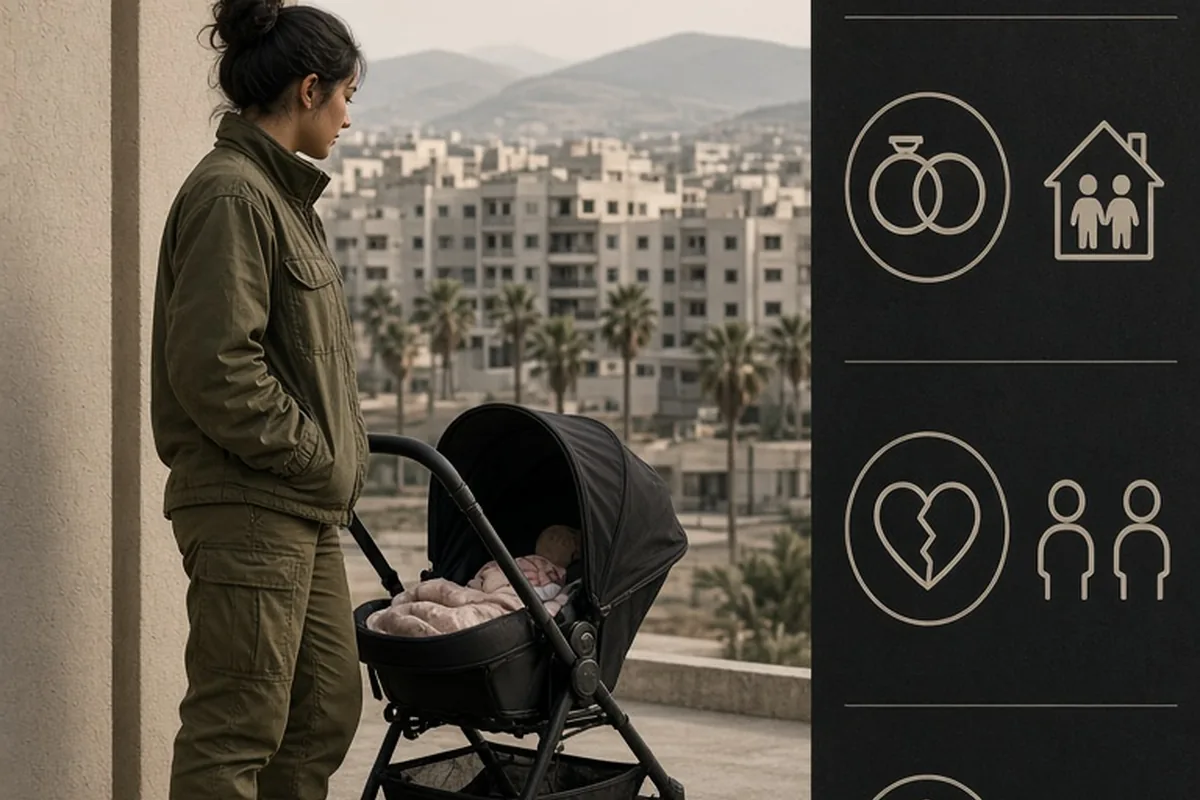
Yes, women with a baby can get on-base housing if they meet military eligibility guidelines. An active-duty female service member with legal custody of her child qualifies for on-base family housing as a single parent with a dependent. Civilian mothers married to active-duty service members qualify through their spouse. Unmarried civilian mothers cannot lease base housing independently unless the child's active-duty sponsor resides there.
Navigating military housing regulations can feel overwhelming when welcoming a new child, but housing entitlement is based strictly on military status, legal dependency, and branch-specific assignment rules.
Active-Duty Single Mothers and Military Family Housing
When an active-duty woman has a baby, her housing classification shifts immediately once the child is registered as a legal dependent. In the United States military, single service members without dependents are typically assigned to unaccompanied personnel housing, commonly referred to as barracks or dormitories. Once an active-duty mother delivers or assumes legal custody of an infant, she becomes eligible for military family housing or a Basic Allowance for Housing at the with-dependents rate. This transition allows her to move out of single-soldier quarters and apply for on-base neighborhood living.
To secure family housing, the service member must register her baby in the Defense Enrollment Eligibility Reporting System, known as DEERS. Once the dependent profile is active, the installation military housing office assigns a priority category based on pay grade and family size. For example, an active-duty mother with one child generally qualifies for a two-bedroom on-base home. The primary trade-off to consider is that moving into privatized on-base housing usually requires forfeiting the full monthly housing allowance in exchange for rent, standard utilities, and community maintenance, which reduces take-home cash flow but provides immediate community convenience.
Civilian Mothers Married to Active-Duty Service Members
A civilian mother married to an active-duty service member accesses base housing through her spouse, who serves as the official military sponsor. In this situation, housing qualification does not hinge solely on the arrival of the baby, because the marriage already establishes eligibility for family housing. However, having a child can influence the bedroom allotment and priority band for specific housing developments on the installation, depending on the rules of the private property management company operating the base community.
The application for base housing is managed under the service member's service record, requiring a certified marriage certificate and the baby's birth registration. For instance, a young military couple expecting their first child can often apply up to sixty days before their reporting date or expected delivery to secure a place on the waitlist. A common limitation is that civilian spouses cannot independently alter lease terms or submit initial housing requests without an authorized military Power of Attorney if the active-duty partner is deployed or on temporary duty elsewhere.
Unmarried Civilian Mothers Co-Parenting With a Service Member
Complications often arise when an unmarried civilian mother has a baby with an active-duty service member. Military family housing is funded and zoned exclusively for service members and their recognized legal dependents. A civilian mother who is not married to the service member cannot lease an on-base home under her own name, nor can she reside in military housing on her own authority. The legal entitlement belongs entirely to the active-duty sponsor and the registered child.
If the active-duty father acknowledges paternity and registers the child in DEERS, the infant becomes an official dependent. However, base housing regulations generally mandate that the sponsor must be the primary resident of the home. Furthermore, military housing companies typically prohibit non-dependent adult civilian partners from living in family housing as permanent unauthorized occupants without formal approval. If the parents do not live together as a married couple, the civilian mother typically resides off base, while the father may utilize his housing allowance to provide court-ordered child support, and the mother must obtain visitor passes or escort status to enter the installation.
Documentation and the Base Housing Application Process
Securing base housing with an infant requires systematic administrative preparation through both military channels and the civilian-partnered privatized housing office. The initial step is gathering essential legal documents, which include the official state birth certificate, the child's Social Security card, official military change-of-station orders, and DEERS enrollment forms. Housing offices will not finalize an assignment or issue keys until dependent verification is complete in the central military system.
After administrative verification, applicants are placed on an assignment waitlist categorized by rank tier and required bedroom count. A practical approach is to contact the installation housing management office as early as possible during pregnancy or upon receiving assignment orders. Waiting lists can range from several days to multiple months depending on installation occupancy rates. Expectant mothers should prepare a contingency budget for short-term off-base lodging or temporary lodging facilities in case an on-base home is not immediately available on the desired move-in date.
Weighing On-Base Family Housing Against Off-Base Living
Choosing between living on base with a baby or renting a home off base involves evaluating lifestyle priorities, safety, and financial flexibility. On-base housing offers gated security, short commutes to work centers, walkable neighborhood parks, and close proximity to the military treatment facility and base commissary. For an active-duty mother managing long duty hours and early morning physical training, living minutes from her duty station and child development center significantly eases daily logistical stress.
Conversely, off-base living provides greater freedom in selecting property types, school districts, and neighborhood styles, alongside the potential to save money if rent is lower than the local housing allowance. However, living off base introduces gate traffic delays during morning and evening rush hours, which can complicate infant daycare drop-offs and pick-ups. Evaluating both options requires balancing the security and convenience of an installation against the desire for civilian privacy and off-post autonomy.
Single Parent Family Care Plans and Base Childcare Access
For active-duty mothers, obtaining base housing is closely tied to fulfilling mandatory readiness obligations. Department of Defense regulations require all single military parents and dual-military couples with dependents to maintain an active Family Care Plan. This administrative document outlines certified civilian guardians who will take custody of the child during deployments, field exercises, late-shift assignments, or unexpected temporary duty assignments, ensuring the child's care without compromising operational readiness.
Living on base provides streamlined access to installation Child Development Centers, which provide subsidized infant care based on total family income. While CDC waitlists can be extensive, single active-duty parents frequently receive top-tier enrollment priority. Having both an on-base residence and confirmed CDC placement creates a stable support environment, though single mothers should still build a local network of trusted neighbors or off-base contacts to assist with emergency childcare when military duties extend past standard center operating hours.
Illustrative Scenarios
Active-Duty Single Mother Transitioning From Barracks
Elena, an active-duty specialist expecting her first child, was unsure when she could leave her unaccompanied barracks room and move into base housing. Her first impulse was to wait until after giving birth to submit housing paperwork, fearing her application would be rejected while she was still living alone. Realizing this delay would leave her without a home during postpartum recovery, she met with her installation housing office during her second trimester. The housing counselor helped her pre-apply using her medical proof of pregnancy and current assignment orders. Elena secured a two-bedroom on-base home that became available three weeks before her expected delivery date.
Key point: Pre-applying for military housing during pregnancy prevents unnecessary relocation delays after the baby arrives.
Civilian Mother Navigating Co-Parenting and Installation Access
Marcus, an active-duty petty officer, and his unmarried civilian partner, Chloe, welcomed a newborn daughter. Chloe assumed she and the baby could automatically move into an on-base family unit leased under Marcus's name while remaining unmarried. When they consulted the privatized housing manager, they learned that unmarried civilian partners cannot reside permanently in family quarters without specific non-dependent approval, which was not granted. Instead of risking a housing violation, Marcus used his with-dependents housing allowance to lease a secure civilian apartment near the base, while registering his daughter in DEERS so Chloe could easily access base medical facilities.
Key point: Understanding military dependency rules early prevents housing lease violations and clarifies realistic living arrangements.
Frequently asked questions
Can an unmarried pregnant active-duty service member move out of the barracks before delivery?
Yes, most military branches permit pregnant service members to move out of barracks and receive a housing allowance during their second or third trimester. Approval policies vary by installation commander, so service members should submit an administrative request through their chain of command early in the pregnancy.
What happens to base housing if active-duty parents get divorced?
If military parents divorce, the right to remain in base housing generally belongs to the service member who retains primary legal custody of the dependent child. If the non-military parent receives custody, that parent and child must vacate base quarters within a designated grace period determined by installation policy.
Does having a military dependent baby grant an unmarried mother full base privileges?
The infant receives dependent privileges, including access to medical care and base facilities, but the unmarried civilian mother does not receive personal dependent benefits. The mother is issued a caregiver or visitor pass allowing her to escort the child onto the base for healthcare and official appointments.
How long is the typical waitlist for base family housing with a newborn?
Wait times vary significantly by military installation, rank tier, and housing availability, ranging from immediate occupancy to six months or longer. Contacting the base housing office as soon as pregnancy is verified ensures the earliest possible placement on the waitlist.
Your next step
Contact your installation military housing office or family support center this week with your medical documentation or baby's birth certificate to verify your priority band and join the waitlist.