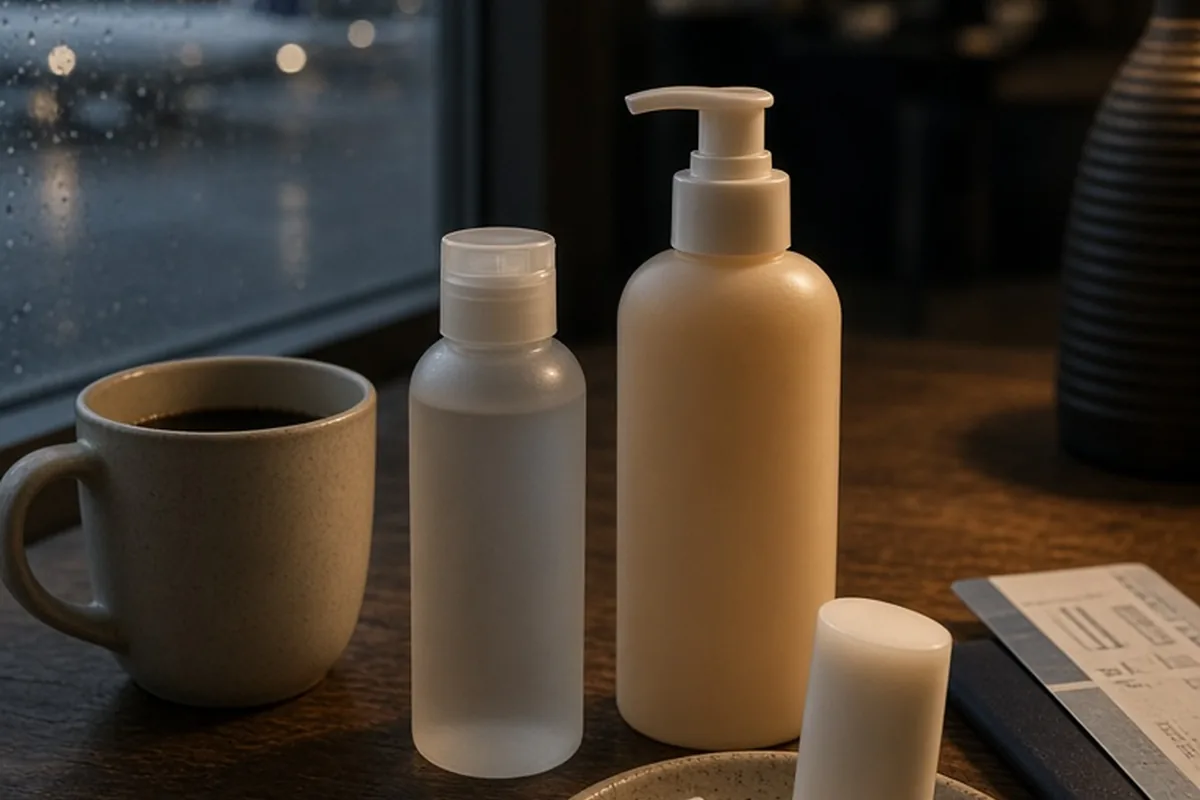
You cannot bring a 6 oz bottle of sunscreen in your carry-on bag because the Transportation Security Administration limits liquids, creams, and aerosols to 3.4 ounces (100 ml) or smaller. However, you can pack a 6 oz sunscreen inside your checked luggage without size restrictions, transfer the formula into smaller travel containers, or choose solid stick sunscreen alternatives that bypass liquid restrictions entirely.
Navigating airport security rules while keeping your skin protected on vacation often creates confusion, especially when choosing between travel-sized bottles and full-sized daily skincare essentials.
Understanding the TSA 3-1-1 Liquids Rule for Sunscreen
The Transportation Security Administration enforces the 3-1-1 rule for all liquids, gels, creams, pastes, and aerosols packed in carry-on luggage. Under this guideline, every liquid container must measure 3.4 ounces (100 milliliters) or less, and all containers must fit comfortably inside a single quart-sized clear plastic bag. Because a 6 oz sunscreen bottle significantly exceeds this threshold, transportation security officers will confiscate it at the checkpoint, regardless of whether the bottle is full, half-empty, or nearly finished.
Security screening evaluates the stated volume capacity of the container rather than the amount of product remaining inside. For instance, if you carry an 8 oz or 6 oz bottle containing only an ounce of sunscreen residue, officers must treat the entire item as a 6 oz liquid container under current federal screening protocols. This rule applies equally to liquid lotions, spray aerosols, fluid gels, and roll-on formulas. Understanding this strict standard prevents unexpected delays and the loss of your favorite skincare products before you board.
Packing 6 oz Sunscreen Safely in Checked Baggage
If you want to bring your full-sized 6 oz sunscreen to your destination, placing it inside your checked luggage is the most direct solution. Checked baggage does not follow the 3.4 oz liquid restriction, meaning standard bottles, family-sized pump lotions, and continuous spray cans can travel securely in the aircraft cargo hold. This method allows you to bring preferred formulations, broad-spectrum dermatological brands, or high-volume sprays without worrying about screening limits.
Cargo holds experience pressure shifts and temperature variations during flight, which can cause liquid containers to expand and potentially leak onto clothing. To protect your belongings, place your sunscreen bottle inside a sealable plastic bag or dedicated waterproof pouch. For pump bottles, twist the nozzle into the locked position and secure the cap with a small strip of painter tape. For aerosol sprays, ensure the protective cap remains firmly attached to prevent accidental discharge under the weight of shifting luggage.
Solid and Powder Alternatives That Bypass Liquid Restrictions
Travelers who prefer to travel light with carry-on bags only can avoid liquid limits entirely by switching to solid formulations. Solid stick sunscreens, mineral powder brushes, and sunscreen towelettes are not classified as liquids or gels under standard transportation screening guidelines. These formats can remain in your personal item or carry-on suitcase without counting toward your single quart-sized bag allowance.
Sunscreen sticks are particularly convenient for facial touch-ups, ears, scalps, and hands during travel days because they do not risk leaking in your tote. Mineral powders containing zinc oxide or titanium dioxide offer another portable way to reapply sun protection over makeup while exploring sunny destinations. While solid sticks provide reliable localized defense, applying them across the entire body can be time-consuming compared to lotions. Balancing a solid stick in your carry-on for the journey with a full bottle purchased on arrival often provides the most practical coverage.
How to Decant Sunscreen into Travel Containers Without Ruining the Formula
Transferring your favorite 6 oz sunscreen into approved 3.4 oz travel bottles lets you carry an effective supply through airport security without checking bags. When decanting, choose opaque, airtight travel bottles made from high-density polyethylene or food-grade silicone to shield the product from air and moisture. Clearly label each container with the product name, SPF rating, and expiration date so you can keep track of formula freshness during your trip.
Take care when transferring active chemical sunscreens, as certain organic UV filters can react with particular plastic polymers or degrade when exposed to prolonged light and air. Mineral sunscreens with zinc oxide or titanium dioxide generally hold up well during short-term decanting, but you should still fill bottles right before departure rather than weeks in advance. Never try to decant aerosol or continuous spray sunscreens, as attempting to pierce or depressurize pressurized cans creates significant safety risks.
Buying Sunscreen at Airport Terminals Versus Destination Stores
If you arrive at the airport without packing sunscreen in a checked bag, you have multiple opportunities to purchase sun protection before reaching your hotel. Most major airport terminals operate convenience shops, travel boutiques, and pharmacies past the security checkpoint. Products purchased after the security line can be carried directly onto the plane in retail shopping bags, allowing you to carry full-sized bottles on board your flight without violating checkpoint rules.
The trade-off with airport retail is price and variety. Terminal shops often charge substantial markups on basic sun care items and may stock a limited range of brands or SPF ratings. Alternatively, waiting to purchase sunscreen at local grocery stores, pharmacies, or surf shops at your final destination often yields better prices and broader selections. If you are traveling internationally, research local UV labeling standards beforehand, as international rating systems like PA ratings in Asia or UVA circle logos in Europe differ from domestic US packaging.
Medical Exemptions and Medically Necessary Liquids
The TSA provides exemptions to the 3-1-1 rule for medically necessary liquids, medications, and creams in reasonable quantities. While standard cosmetic sunscreens intended for general beach use do not qualify for this exemption, specialized prescription creams, medicated barrier ointments, or sunscreens prescribed to manage severe photosensitivity disorders or skin conditions may be permitted in containers larger than 3.4 ounces.
To travel with medically necessary skin treatments, declare the items to a transportation security officer before screening begins and remove them from your carry-on bag for separate inspection. Officers may conduct additional screening, including opening containers, testing vapor, or using specialized imaging equipment. Carrying a doctor note or the original pharmacy packaging with a matching prescription label helps facilitate clear communication during checkpoint inspections, though security personnel make final determinations regarding item entry.
Step-by-Step Packing Checklist for Sun Protection
Selecting the right combination of sun care products depends on your trip duration, baggage choices, and daily outdoor plans. Planning your packing approach ahead of time eliminates the stress of lost skincare at the security checkpoint and ensures continuous protection from arrival to return.
Review this quick planning sequence before finalizing your luggage arrangement:
- Assess whether you are traveling carry-on only or checking a bag to determine your container size limits.
- Keep 6 oz or larger liquid bottles strictly inside checked luggage, secured inside leakproof bags.
- Decant lotions into 3.4 oz opaque bottles if you need daytime body sunscreen inside your carry-on quart bag.
- Pack an SPF solid stick or powder brush in your personal bag for quick, mess-free applications during transit.
- Confirm post-security store options or local pharmacies near your hotel if you prefer buying full-sized products upon arrival.
Frequently asked questions
Can I bring a 6 oz spray sunscreen on a plane?
You can bring a 6 oz spray sunscreen in your checked luggage, provided the nozzle has a protective cap to prevent accidental discharge. You cannot bring a 6 oz spray in your carry-on bag because it exceeds the 3.4 oz liquid and aerosol limit.
What happens if I accidentally bring a 6 oz sunscreen through TSA security?
If a screening officer identifies a 6 oz sunscreen in your carry-on bag, they will give you the option to surrender the item, place it in a checked bag before entering the checkpoint, or hand it to someone outside security. In most instances where travelers are already in the screening line, the product is confiscated.
Does stick sunscreen count toward the TSA liquid limit?
No, solid stick sunscreens do not count as liquids or gels under TSA guidelines. You can pack solid sticks in your carry-on luggage outside your quart-sized liquids bag without volume restrictions.
Can I bring multiple 3.4 oz travel bottles of sunscreen in my carry-on?
Yes, you can bring multiple 3.4 oz (100 ml) bottles of sunscreen in your carry-on bag. All of your travel bottles must fit comfortably inside a single quart-sized, clear plastic zip-top bag alongside your other travel liquids.
Your next step
Check your luggage plan today to decide whether to place your 6 oz sunscreen into a secure checked bag, decant it into a 3.4 oz travel container, or pack a solid SPF stick for your flight.