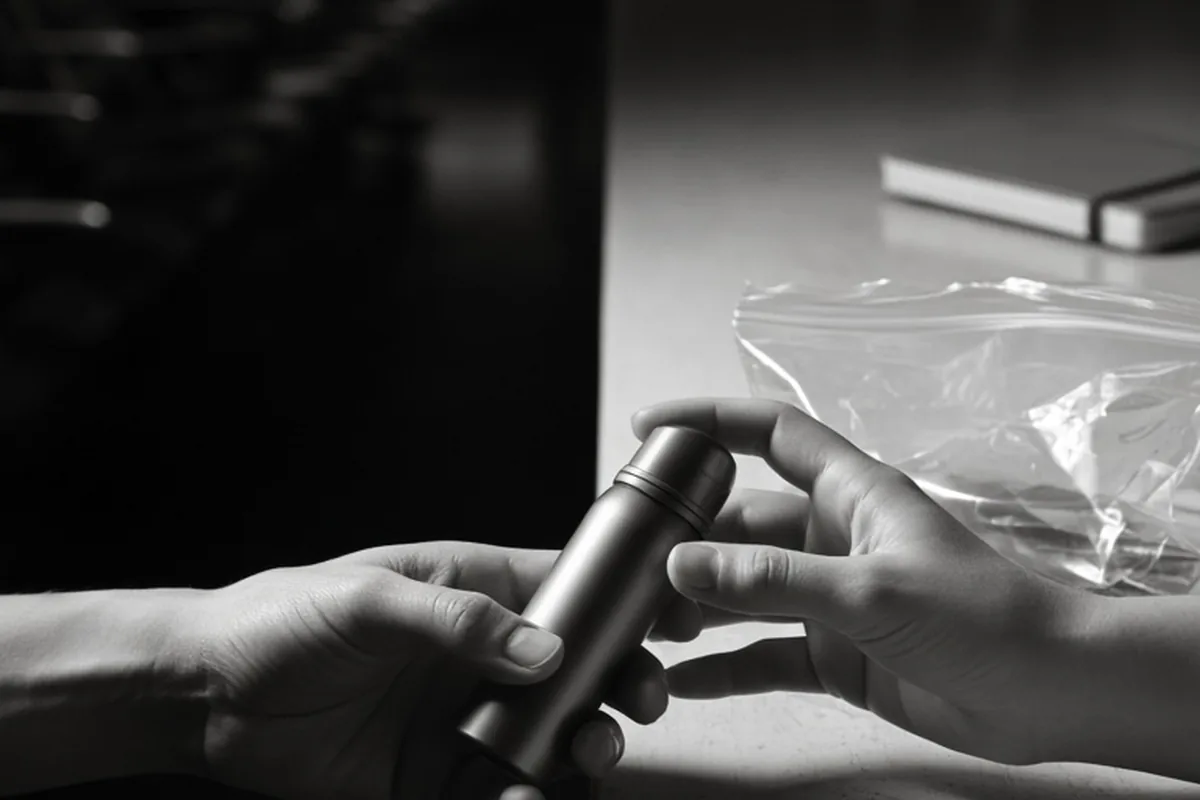
Yes, you can take sunscreen spray on a plane, but the rules depend on where you pack it. For carry-on bags, aerosol sunscreen must be in containers of 3.4 ounces (100 ml) or less and fit inside a single quart-sized clear bag. In checked luggage, standard-sized aerosol sunscreens are allowed if each container is protected by a cap to prevent accidental release.
Navigating airport security with personal care products can be confusing, especially when handling aerosol cans. Because sunscreen sprays contain pressurized propellants and liquid formulas, aviation security agencies categorize them differently than solid toiletries. Understanding how carry-on limits and checked baggage allowances work ensures your sun protection arrives intact without causing delays at security checkpoints.
Carry-On Rules and the TSA 3-1-1 Liquid Allowance
When traveling with carry-on luggage, aerosol sunscreen is subject to standard liquid, gel, and aerosol restrictions enforced by the Transportation Security Administration (TSA). Under the 3-1-1 liquids rule, any spray sunscreen must be in a container that holds 3.4 ounces (100 milliliters) or less. All travel-sized liquids and aerosols must fit comfortably inside a single clear, resealable quart-sized bag, and each passenger is limited to one such bag in their carry-on luggage.
A common point of confusion is the distinction between container capacity and the amount of product remaining inside the can. Airport security evaluates the maximum volume printed on the label, not the actual weight of the remaining spray. If you bring a standard six-ounce sunscreen spray that is nearly empty, security officers will confiscate it because the bottle size exceeds the 3.4-ounce threshold. To avoid losing your product at the checkpoint, purchase designated travel-size aerosol cans or transfer non-aerosol lotions into approved reusable containers.
Checked Luggage Regulations for Aerosol Sunscreen
If you want to bring full-sized aerosol sunscreen bottles to your destination, you must pack them in your checked luggage. The Federal Aviation Administration (FAA) permits medicinal and toiletry aerosols in checked baggage, which includes sunscreen, hairspray, deodorant, and shaving cream. However, there are overall quantity limits designed to maintain cargo safety: the total aggregate quantity of all toiletry aerosols and liquids per passenger cannot exceed 70 fluid ounces (2 liters), and no single container can exceed 18 fluid ounces (500 milliliters).
Because typical full-sized sunscreen spray cans range between 5 and 8 fluid ounces, you can comfortably pack two or three standard bottles in a checked suitcase without approaching the federal limit. The critical safety requirement is that every aerosol bottle must have a secure cap, locking mechanism, or recessed trigger to prevent the valve from inadvertently discharging when luggage shifts inside the aircraft cargo hold.
Managing Cabin Pressure and Preventing Leaks
Aircraft cargo holds and passenger cabins are pressurized, but the atmospheric pressure at cruising altitude is still lower than at sea level. This pressure differential causes air and propellants inside aerosol cans to expand slightly. While commercial aerosol canisters are engineered to withstand significantly higher pressures than those experienced during routine commercial flights, sudden temperature shifts and physical impacts can occasionally loosen a plastic cap or compromise a weak valve seal.
To protect your clothing and travel essentials from accidental discharge or leakage, place each aerosol can inside a heavy-duty, sealable plastic bag before packing it into your luggage. Positioning the cans near the center of your suitcase, surrounded by soft clothing rather than rigid objects or the outer edges of the bag, provides a cushioning buffer against rough baggage handling. If your sunscreen bottle features a twist-to-lock nozzle, double-check that it is firmly in the locked position and tape the cap down with a small piece of painter's tape for added security.
Comparing Sunscreen Sprays to Travel-Friendly Alternatives
While spray sunscreens offer rapid and convenient full-body coverage, they have practical drawbacks when flying. Standard cans take up substantial space in checked luggage and cannot pass through security in full sizes. Travel-size aerosol cans contain very little usable product—often only enough for two or three thorough applications—which makes them inefficient for longer beach vacations or multi-day outdoor trips.
Evaluating alternative sunscreen formats can streamline your packing routine and reduce airport friction. Solid sunscreen sticks are classified as solids rather than liquids, meaning they do not count against your 3-1-1 carry-on liquid allotment and can be packed in any size. Mineral powder sunscreens also bypass liquid rules entirely and work well for quick facial touch-ups during transit. If you prefer liquid or lotion formulas, purchasing travel pouches or compact tubes often yields more applications per ounce than pressurized spray cans.
International Aviation Rules and Destination Restrictions
If your itinerary includes international flights or connections abroad, be aware that aviation security standards can vary across jurisdictions. While the 100-milliliter carry-on liquid threshold is nearly universal across Europe, Asia, and the Americas, some regional carriers and security agencies impose stricter bans on personal aerosols. In certain destinations, airport screeners may prohibit all aerosol sprays in carry-on bags regardless of container volume, classifying them strictly as checked-bag items.
Beyond transportation rules, several popular coastal destinations regulate the chemical composition of sunscreens brought into their ecosystems. Regions including Hawaii, the U.S. Virgin Islands, parts of Mexico, Bonaire, and Palau have enacted bans on specific chemical UV filters such as oxybenzone and octinoxate to protect coral reefs. When flying to these areas, verify that your spray is mineral-based and explicitly labeled as reef-safe, or consider purchasing your sun protection upon arrival to ensure compliance with local environmental laws.
Step-by-Step Guide to Packing Sunscreen Spray Safely
Proper packing reduces the risk of accidental discharge and ensures smooth processing through security lines. Start by inspecting your sunscreen container for any dents, rust spots, or damaged spray heads. If the can has any structural defects, leave it at home, as damaged canisters are more prone to valve failures under pressure fluctuations.
Follow these straightforward steps to prepare your aerosol sunscreen for flight:
First, verify that the spray nozzle is set to the locked position if it has a rotating collar. Second, press the protective plastic cap firmly over the nozzle, and apply a single strip of masking or painter's tape across the cap and canister body to keep it from popping off during transit. Third, place the container into an individual zip-top freezer bag, squeeze out excess air, and seal it completely. Finally, nestle the sealed bag between layers of soft garments in the center of your suitcase rather than in exterior zippered pockets.
Sun Protection Etiquette and Reapplication on Travel Days
Travel days often involve prolonged exposure to ultraviolet radiation, whether sitting near airplane windows at 35,000 feet or walking between terminals and transit stations. UV radiation levels are significantly higher at high cruising altitudes because the atmosphere is thinner, making sun protection relevant even while seated inside the plane. However, applying aerosol sunscreen inside an enclosed aircraft cabin or crowded airport gate is strongly discouraged.
Aerosol propellants and fine chemical mists disperse rapidly through shared air, creating respiratory irritation for nearby passengers and triggering scent sensitivities in enclosed spaces. For mid-flight or terminal reapplication, keep a compact sunscreen stick or non-scented facial lotion in your personal item. Reserve your spray sunscreen for well-ventilated outdoor areas once you reach your final destination.
Frequently asked questions
Can I bring a standard full-size sunscreen spray in my carry-on bag?
No, standard full-size sunscreen spray cans cannot go in carry-on bags because they exceed the 3.4-ounce (100 ml) liquid limit. Even if the can is half empty, security officers evaluate the container volume listed on the label and will confiscate it.
Will aerosol sunscreen explode in the airplane cargo hold?
Sunscreen aerosol cans will not explode under normal commercial flight conditions. Cargo holds are pressurized and temperature-regulated, and commercial cans are built to handle standard pressure shifts, though protecting the valve prevents messy accidental discharge.
Does a solid sunscreen stick count toward the TSA liquid limit?
No, solid stick sunscreens are classified as solid toiletries rather than liquids, gels, or aerosols. You can pack a solid stick of any size in your carry-on without placing it inside your clear quart-sized liquids bag.
How many full-sized aerosol cans can I pack in checked luggage?
The FAA limits toiletry aerosols in checked baggage to 18 fluid ounces per individual container and 70 fluid ounces total across all personal care items per passenger. This allowance typically accommodates two to three full-sized sunscreen cans alongside your other toiletries.
Your next step
Check the fluid ounce label on your sunscreen spray today: pack bottles over 3.4 ounces into checked luggage with locked caps, or grab a travel-size spray and solid stick for your carry-on.