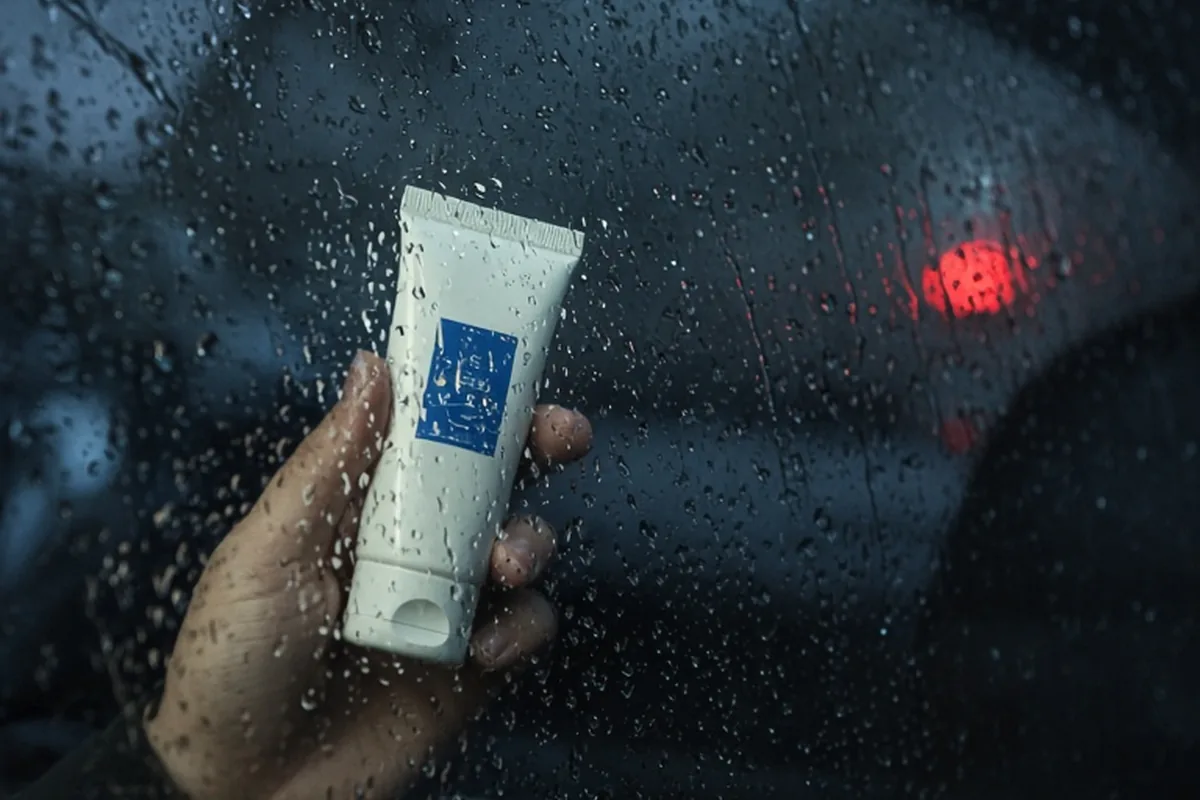
Yes, you can safely use facial sunscreen on your body. Facial sunscreens contain the same ultraviolet filters found in standard body sunscreens, offering reliable broad-spectrum protection against sunburn and photoaging. The main drawbacks are practical rather than safety-related: facial formulas come in much smaller quantities and cost significantly more per ounce, meaning covering large body areas will deplete your bottle quickly and can become expensive over time.
Finding yourself outdoors without standard body lotion or trying to finish an expensive tube of daily facial SPF often brings up practical questions about interchangeability. Understanding how facial and body formulations differ helps you make smart, cost-effective skincare decisions without sacrificing essential ultraviolet defense.
How Facial and Body Sunscreens Compare in Sun Protection
From a photoprotective standpoint, facial and body sunscreens function identically. Both categories rely on the exact same active ingredients approved by health authorities, which include mineral filters like zinc oxide and titanium dioxide, as well as chemical filters like avobenzone, homosalate, octisalate, and octocrylene. An SPF 30 facial sunscreen is formulated and laboratory-tested to block approximately 97 percent of incoming UVB rays, matching the exact defensive capacity of an SPF 30 body lotion when applied at the standard density of two milligrams per square centimeter of skin.
Because active UV filters operate on the same chemical and physical mechanisms across all skin surfaces, your limbs, chest, and back will receive complete, reliable defense when coated with a facial product. There is no biological difference in how the skin cells on your arms deflect or absorb UV radiation compared to the skin cells on your cheeks. If you find yourself outdoors without a dedicated body sunscreen, using your facial bottle is an effective and safe choice to prevent sunburn and long-term photoaging.
Formula Differences That Affect Texture, Spreadability, and Finish
The primary distinction between face and body sunscreens lies in their inactive ingredients and cosmetic formulation. Facial sunscreens are specifically engineered for cosmetic elegance, featuring lightweight textures, non-greasy finishes, and oil-absorbing powders like silica. Formulators design these products to layer cleanly over daily serums and sit smoothly under makeup without pilling, creasing, or creating excessive shine throughout the day. They are also frequently enriched with skin-soothing additives, such as niacinamide, ceramides, or hyaluronic acid.
In contrast, body sunscreens are designed to spread easily across wide surface areas and withstand environmental friction from clothing, towels, and outdoor activities. These formulas tend to be thicker, more emollient, and richer in heavy silicones or moisturizing oils to treat dry body skin. Applying a facial sunscreen to your arms or legs will feel exceptionally light, airy, and fast-absorbing, but it may not provide the deep hydration that rough elbows or sun-exposed legs might require. For people who dislike the sticky after-feel of traditional body lotions, this lighter texture is often a welcome upgrade.
The Cost Factor and Quantity Economics of Full-Body Coverage
While using facial sunscreen on the body is safe and cosmetically pleasant, it presents a clear economic disadvantage. Standard facial sunscreen bottles typically contain between 1.7 and 2.0 fluid ounces (50 to 60 milliliters) and carry a significantly higher price per ounce due to their specialized cosmetic ingredients. Standard sun safety guidelines recommend using approximately one fluid ounce (about 30 milliliters, or roughly the amount in a standard shot glass) to cover an adult body in swimwear for a single application.
At that application rate, an entire tube of premium facial sunscreen will be completely exhausted after just one or two full-body coats. Spending twenty to fifty dollars for a small bottle that disappears during an afternoon at the park is rarely sustainable for everyday body care. Reserving facial formulas for daily exposed spots and utilizing high-volume, economical body lotions for larger surface areas allows you to maintain full-body photoprotection without overspending.
Targeted Body Areas Where Facial Sunscreen Excels
Certain areas of the body share the same structural sensitivity as facial skin and benefit tremendously from facial sunscreen formulas. The neck, upper chest (decolletage), back of the hands, and ears are continuously exposed to sunlight throughout the year. The skin in these areas is relatively thin, contains fewer oil glands, and is prone to early signs of photoaging, including hyperpigmentation, crepiness, and collagen loss. Applying an antioxidant-infused, lightweight facial formula to these zones provides targeted care without causing irritation or sticky residue on clothing collars.
Furthermore, individuals who experience body acne on the chest, shoulders, or upper back often find that rich body sunscreens trigger pore congestion and folliculitis due to heavy oils and fragrances. For these breakout-prone areas, switching to an oil-free, non-comedogenic facial sunscreen offers strong UV defense while minimizing the likelihood of acne flares. A lightweight matte fluid applied to the shoulders before outdoor workouts protects skin health without trapping sweat and sebum inside pores.
Water Resistance and Durability Considerations Outdoors
One essential limitation to evaluate when using facial sunscreen on your body is water resistance. Many daily facial sunscreens are formulated for casual urban environments, office wear, or short daily errands, meaning they often lack the water-resistant polymers needed to stay intact through heavy sweating or swimming. If you apply a standard daily facial lotion across your body before an intense workout or a dip in the pool, moisture will quickly wash away the protective barrier, leaving your skin exposed to UV rays.
Before relying on a facial sunscreen during outdoor sports or beach outings, check the back label for a stated water resistance rating of 40 or 80 minutes. If the product does not explicitly state water resistance, restrict its body use to dry, casual settings like commuting or dining outdoors. When using non-water-resistant formulas in warm weather, reapplication must occur immediately after heavy sweating or towel drying to ensure your skin remains guarded.
How to Repurpose Unwanted or Expiring Facial Sunscreens
Repurposing facial sunscreens on your body is an excellent strategy to eliminate cosmetic waste and save money. Skincare enthusiasts frequently encounter facial sunscreens that do not perform well on their face, whether due to mild eye stinging, an unwanted white cast on facial hair, an overly dewy finish, or minor pilling under foundation. Instead of discarding these expensive products, you can redirect them to your forearms, legs, or the tops of your feet, where cosmetic compatibility with makeup is not a factor.
Additionally, facial sunscreens approaching their printed expiration dates need to be used promptly before the active filters break down and preservatives lose their effectiveness. Generously applying these near-expiry bottles to your hands and arms each morning ensures you utilize the product completely while it remains at peak efficacy. Always verify that the lotion has not separated, developed an unusual odor, or changed color before smoothing it onto your body.
Frequently asked questions
Will facial sunscreen work just as well as body sunscreen against sunburn?
Yes, facial sunscreen delivers the exact same degree of ultraviolet protection when matched for SPF rating and broad-spectrum coverage. As long as you apply an adequate, uniform layer across exposed skin, it shields your body just as effectively as a traditional body product.
Can using standard body sunscreen on my face cause breakouts?
Body sunscreens frequently contain richer emollients, heavy fragrances, and occlusive agents that can clog delicate facial pores and trigger acne or irritation. While body sunscreen is safe to use on the face in a pinch, using dedicated non-comedogenic facial formulas is gentler on sensitive or breakout-prone facial skin.
How much sunscreen do I need to cover my body if using a facial tube?
A full-body application for an average adult in swimwear requires approximately one fluid ounce, or about 30 milliliters. Because most facial tubes contain only 1.7 to 2.0 fluid ounces, a single bottle will provide only one to two full-body applications before running completely empty.
Is it safe to use expired facial sunscreen on my arms and legs?
No, you should avoid using expired sunscreen on any part of your body. Over time, active UV filters degrade and preservatives lose stability, leaving your skin unprotected against UV rays and increasing the chance of bacterial contamination or skin irritation.
Your next step
Before your next outdoor outing, designate your specialized facial sunscreens for your face, neck, and hands, while keeping an affordable, water-resistant body formula on hand for large-area coverage.