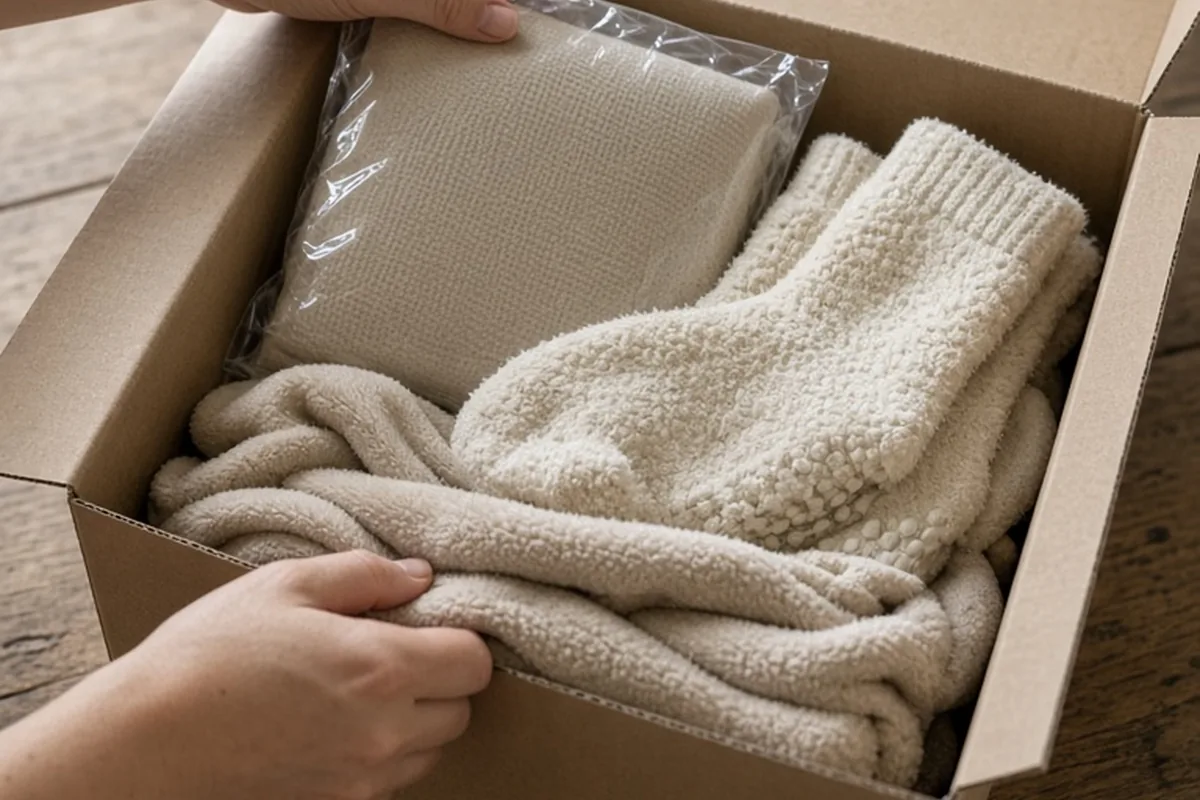
A thoughtful DIY miscarriage care package focuses on physical comfort, gentle nourishment, emotional acknowledgment, and low-pressure daily relief. Meaningful items include heating pads, unscented skincare, electrolyte drinks, easy-to-digest comfort foods, cozy layers, and a heartfelt, pressure-free handwritten note. Tailoring the package to their immediate recovery stage without demanding responses or offering clichéd reassurances provides genuine, practical support during pregnancy loss.
When someone you care about experiences a miscarriage, finding the right way to show support can feel overwhelming. A curated care package offers tangible comfort, eases the physical burden of recovery, and lets your loved one know they are not alone in their grief.
Prioritizing Physical Recovery and Pain Relief Supplies
Miscarriage is an intense physical process involving uterine cramping, bleeding, hormonal shifts, and profound fatigue. When assembling a care package, practical supplies that address these physical symptoms can provide immediate relief. A reusable electric heating pad, a microwavable flaxseed wrap, or a traditional hot water bottle helps soothe abdominal cramping and lower back ache. Consider choosing items that are easy to use from bed or the couch so your loved one does not need to get up repeatedly to reheat them.
Postpartum-style personal care items are essential yet often overlooked. Soft, heavy-absorbency organic cotton maxi pads or disposable period underwear offer necessary protection without friction or irritation. You can also include gentle, unscented lip balm and rich hand cream, as hospital visits and hormonal changes frequently cause dry skin. Avoid heavily scented lotions or artificial fragrances, as lingering nausea and sensory sensitivities are common during early pregnancy loss recovery.
Hydration items make a significant difference in replenishing fluids lost through bleeding and emotional distress. Electrolyte drink mix packets, coconut water powder, and caffeine-free herbal teas such as peppermint, ginger, or chamomile offer soothing hydration. Pair these with an insulated tumbler that keeps beverages warm or cold for hours, reducing trips to the kitchen.
Providing Nourishing Food, Snacks, and Household Relief
Grief and physical recovery often eliminate the energy required to plan meals, grocery shop, or stand by a stove. Including wholesome, shelf-stable foods in your care package provides direct sustenance without adding chore-like obligations. Focus on nutrient-dense, easily digestible options like bone broth packets, hearty canned vegetable soups, roasted nuts, dried fruit, oat-based snack bars, and whole-grain crackers. Dark chocolate and artisanal treats offer familiar comfort when larger meals feel unappealing.
In addition to packaged food items, practical household relief reduces daily friction. Digital or physical gift cards for local restaurant delivery services or grocery delivery platforms empower the individual or couple to order fresh meals exactly when they feel hungry, without coordinating with visitors. If you prefer to prepare homemade meals, select dishes that can be frozen immediately in disposable containers, ensuring no dishes need to be washed or returned.
Consider including everyday household consumables that reduce standard errands. High-quality paper towels, eco-friendly paper plates, biodegradable cutlery, and gentle facial tissues save energy during the early weeks. When daily domestic tasks are temporarily eliminated, your loved one has more space to rest and process their recovery.
Restorative Comforts for Sleep, Warmth, and Low Stimulation
The sudden drop in pregnancy hormones frequently disrupts sleep cycles, causing insomnia, night sweats, or daytime exhaustion. Designing a portion of your package around restorative rest can help create a calming environment. A plush fleece throw blanket, a weighted lap pad, or a pair of seamless, thick wool or chenille socks can make spending long hours resting on the sofa or in bed more comfortable.
Low-stimulation sleep accessories help shield against sensory overload. A contoured silk eye mask blocks intrusive daylight for daytime naps, while a basic white noise machine or soft earplugs can create a quiet atmosphere. If you want to include bath or shower items, verify first whether their healthcare provider has placed restrictions on soaking in a tub during active bleeding. If baths are temporarily discouraged, gentle shower steamers infused with light lavender or eucalyptus offer soothing aromatherapy without submersion.
Soft, loose loungewear can also be a thoughtful inclusion. Sizing can be sensitive following pregnancy loss, so focus on oversized items that do not press against a tender abdomen, such as an open-front cardigan, a plush bathrobe, or an adjustable wrap blanket. Avoid structured clothing with tight elastic waistbands that could aggravate physical cramping.
Gentle Distractions, Creative Outlets, and Keepsake Choices
Quiet hours of recovery can feel heavy, and many people appreciate low-effort distractions that give their mind a gentle break. Consider including a gift card for audiobooks or streaming services, a book of light essays, adult coloring books with colored pencils, or simple crossword and logic puzzle magazines. These activities do not require deep emotional investment or intense cognitive stamina, making them ideal for quiet afternoons.
Journaling supplies offer a private outlet for those who process grief through writing. A blank, unguided journal with a smooth-writing pen allows your loved one to record thoughts, write letters, or leave pages blank without feeling pressured by structured prompts. Guided journals specifically focused on pregnancy loss should only be included if you are certain your loved one welcomes that specific approach to grief processing.
Keepsake items require careful consideration and depend entirely on your closeness to the individual and their stated preferences. Small, understated items—such as a small plantable wildflower seed card, a smooth pocket stone, or a delicate unadorned candle—allow them to create a personal ritual if they choose. Avoid baby-themed decorative items or unsolicited religious symbols unless they have explicitly shared that these align with their personal beliefs.
Writing a Supportive Card and Phrases to Strictly Avoid
The handwritten note included with your care package is often the most enduring element. Keep your message genuine, direct, and free from expectations. Express clear sorrow for their loss, validate their pain, and make it clear that they do not need to write back, call, or send a thank-you note. A simple, compassionate message conveys love without placing a social burden on an already exhausted person.
Helpful phrases to use include: 'I am so sorry for your loss,' 'I am holding you close in my thoughts,' 'Please take all the time and rest you need,' and 'There is no need to reply to this message; I just wanted you to know you are cared for.' If they named their pregnancy or baby, using that name acknowledges their parenthood and honors their experience.
Equally important is knowing which clichés to avoid. Never use phrases like 'Everything happens for a reason,' 'At least you know you can get pregnant,' 'You can always try again soon,' or 'It was not meant to be.' These platitudes inadvertently minimize the depth of the loss, dismiss their physical reality, and rush the natural grieving process.
Curated DIY Miscarriage Care Package Themes
Tailoring your package around a cohesive theme makes gathering items simpler while addressing specific recovery needs. The 'Physical Soothing Kit' centers on bodily comfort: pair a microwavable herbal heating pad, organic heavy-flow maxi pads, electrolyte powder sticks, ginger tea bags, and a pair of plush gripper socks in a reusable canvas tote. This package is ideal for someone navigating the immediate days following medical management or a surgical procedure.
The 'Nourishment and Rest Box' prioritizes sustaining energy and promoting sleep. Pack vacuum-sealed bone or vegetable broths, artisan whole-grain crackers, dark chocolate bars, a soft silk eye mask, herbal bedtime tea, and a food delivery gift certificate. This combination ensures that getting a meal or resting during odd hours requires zero physical effort.
The 'Quiet Mind and Comfort Package' focuses on gentle emotional space. Include a blank unlined journal, high-quality pens, an audiobook subscription voucher, a soothing shower steamer, and a lightweight throw blanket. For couples, you can also assemble a 'Shared Care Package' that includes items both partners can use, such as dual coffee mugs, shared comfort treats, and a meal delivery card, acknowledging that non-carrying partners also navigate grief.
Drop-Off Logistics, Timing, and Long-Term Check-Ins
How you deliver a care package is just as important as what goes inside it. For most people in the immediate aftermath of a miscarriage, hosting visitors or engaging in social conversation feels exhausting. A low-pressure porch drop-off is often the kindest method. Place the package securely near their front door, then send a warm text letting them know it is there, explicitly stating they do not need to answer the door or respond to the text.
If your loved one lives far away, opt for standard shipping with clear tracking so you know when it arrives without asking them for updates. Include all necessary items in one sturdy, easy-to-open box so they do not have to unwrap complex packaging or search for scissors while resting.
Support often wanes after the first week, yet physical and emotional healing continues for months. Set a reminder to check in two weeks, one month, and a few months later. A brief message acknowledging their loss or offering another small practical gesture, such as sending lunch, shows lasting care long after the initial crisis has passed.
Frequently asked questions
What is the most practical item to put in a miscarriage care package?
A reusable heating pad and ultra-absorbent pads are among the most practical items because uterine cramping and bleeding are central to physical recovery. Pairing these with hydrating electrolyte packets and a meal delivery gift card provides immediate, usable relief.
Should I include bath bombs or scented candles in the care package?
It is best to skip traditional bath bombs because healthcare providers often advise against taking submerged baths during active bleeding to reduce infection risks. Light, naturally scented shower steamers or unscented moisturizing lotions are safer alternatives.
How should I deliver the care package if I do not want to overwhelm them?
Perform a contactless porch drop-off and send a quick message stating that a package is outside their door. Explicitly tell them that they do not need to come to the door, host you, or send a reply.
Can I give a care package weeks after the miscarriage occurred?
Yes, late care packages are deeply appreciated because support typically drops off after the first few days. Sending comfort items or nourishing meals a few weeks or months later shows your loved one that their loss is remembered.
Your next step
Choose three to four practical comfort items, write a brief, pressure-free card acknowledging their loss, and arrange a contactless porch delivery or direct shipment to support their recovery without demanding social energy.