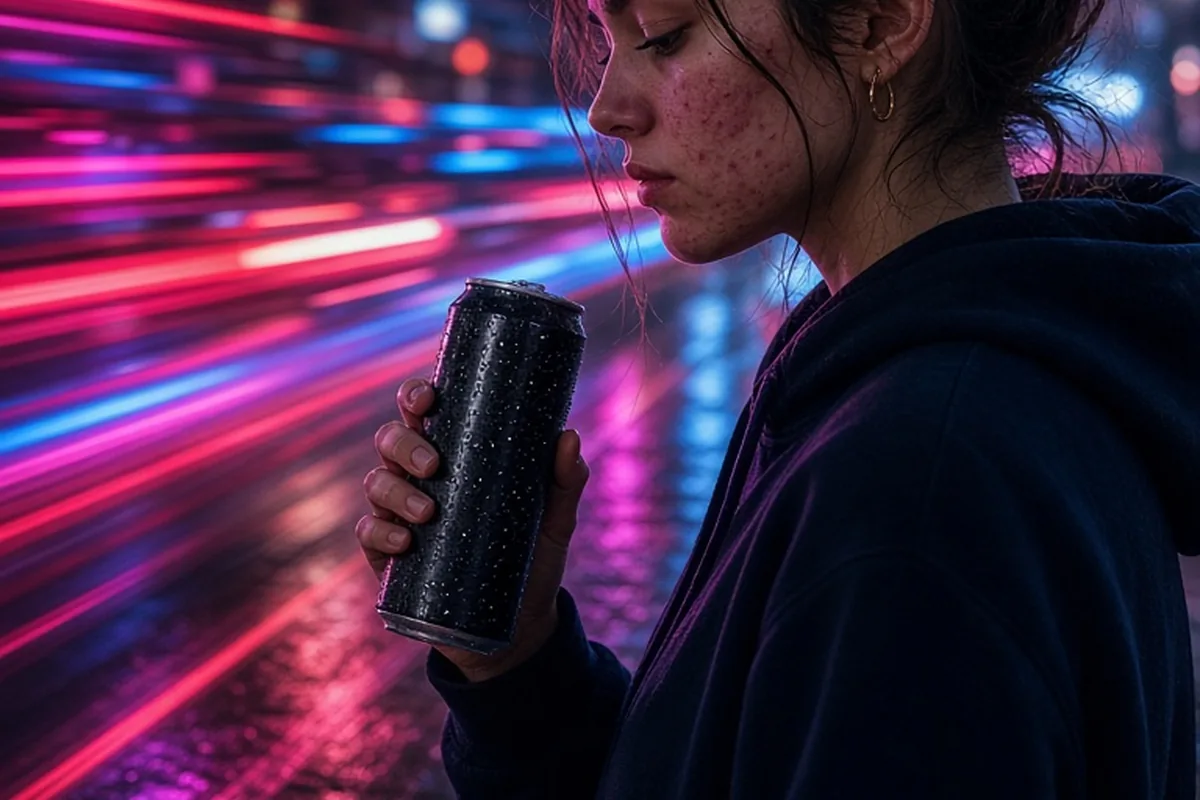
Energy drinks do not directly infect pores, but their ingredients can significantly aggravate acne breakouts. High amounts of refined sugar, artificial sweeteners, mega-doses of B vitamins like B12, and concentrated caffeine can spike insulin levels, elevate cortisol, and overstimulate oil glands. If you notice breakouts along your jawline, forehead, or cheeks after consuming energy beverages, adjusting your caffeine intake and hydration habits can help calm your skin.
Reaching for a chilled energy drink during an afternoon slump or before a demanding workout offers fast mental focus, but frequent sips might coincide with sudden, persistent breakouts. When stubborn pimples emerge after intense workweeks or study sessions, many people wonder whether their favorite canned beverage is quietly disrupting their complexion.
The Sugar and Insulin Surge Behind Clogged Pores
A primary way standard energy drinks irritate acne-prone skin is through their exceptionally high concentration of refined sugars. When you drink a typical 16-ounce energy can, your body rapidly absorbs between 40 and 60 grams of simple carbohydrates. Because these sugars arrive in liquid form without fiber, protein, or fat to slow digestion, blood glucose levels rise almost instantly. In response, your pancreas floods your bloodstream with insulin to bring glucose back into balance. This sudden spike triggers an increase in insulin-like growth factor, a hormone that directly signals your sebaceous glands to produce heavier amounts of thick oil.
When excess oil mixes with shedding skin cells inside your pores, it creates ideal conditions for microcomedones, the microscopic plugs that turn into blackheads, whiteheads, and inflamed blemishes. For instance, having a regular energy drink on an empty stomach every morning can keep insulin elevated for hours, compounding oil production throughout the day. While choosing sugar-free varieties avoids this specific blood sugar spike, switching formulas is not always an instant solution. Artificial sweeteners introduce their own digestive and metabolic variables, meaning skin health often depends on overall ingredient balance rather than simply swapping from standard sugar to diet alternatives.
High-Dose B Vitamins and Unexpected Flare-Ups
Many popular energy drinks market themselves as wellness or focus boosters by including massive doses of B vitamins, especially vitamin B6 and vitamin B12. A single serving frequently delivers between 200 percent and 2,000 percent of your daily recommended intake. While B vitamins are essential for cellular energy and nervous system health, consuming them in extreme amounts can cause an adverse cutaneous reaction. Dermatologists frequently observe that high supplemental doses of B12 and B6 can prompt sudden inflammatory breakouts, sometimes referred to as acneiform eruptions, which resemble widespread, uniform pimples across the forehead, chest, and upper back.
Laboratory observations suggest that excess B12 can alter the gene expression of common skin bacteria, encouraging them to produce more inflammatory compounds that irritate hair follicles. For example, a person with generally clear skin who starts drinking a vitamin-fortified energy seltzer every afternoon might notice small, red, itchy bumps appearing along their hairline within ten days. These eruptions often do not respond to traditional salicylic acid or benzoyl peroxide washes because the root driver is systemic supplementation rather than surface grime. While you should never cut essential nutrients from your daily food intake without professional guidance, stepping away from heavily fortified energy beverages can quickly reveal whether high-dose vitamins were driving your flare-ups.
Caffeine, Cortisol, and Hormonal Oil Production
The stimulating kick in an energy beverage comes from concentrated caffeine, often delivering anywhere from 150 to 300 milligrams per can. Caffeine acts on your central nervous system by stimulating the adrenal glands to release adrenaline and cortisol, the body's primary stress hormones. Cortisol naturally prepares your body to handle acute challenges, but chronically high levels prompt your sebaceous glands to produce stickier, more viscous sebum. When sebum becomes denser, it cannot easily flow out of the pore, increasing the likelihood of deep, tender cystic blemishes along the jawline and lower cheeks.
Furthermore, concentrated caffeine consumed in the afternoon or evening can severely compromise sleep architecture, reducing both deep sleep and rapid eye movement phases. While you rest, your skin undergoes natural cellular repair, balancing moisture barriers and reducing systemic inflammation. When caffeine disrupts this nightly reset, your body stays in a prolonged low-grade stress response, keeping cortisol elevated and leaving skin looking dull and reactive. For instance, drinking a 200-milligram caffeinated can at 4:00 PM might help you finish an evening project, but the resulting fitful sleep leaves your skin barrier vulnerable to inflammation the next morning. Balancing alertness requires respecting your body's caffeine half-life so your natural nighttime recovery remains undisturbed.
Dehydration and Compromised Skin Barrier Function
Caffeine has a mild diuretic effect, meaning it encourages your kidneys to release extra fluid. While a single cup of liquid does not immediately cause dehydration, problems arise when people treat energy drinks as a direct substitute for regular water throughout the day. When fluid intake drops, intracellular hydration decreases, leaving surface skin dry, rough, and poorly protected. A dehydrated skin barrier struggles to shed dead cells efficiently, causing them to cling to the surface and accumulate inside pore openings.
To compensate for surface dryness, your skin often enters an overdrive state, pumping out surplus sebum to create a protective barrier against moisture loss. This paradox creates skin that feels uncomfortably tight and flaky in some areas yet appears excessively greasy and prone to congestion in the T-zone. If you drink two energy cans during a busy workday without drinking any pure water, your outer skin layer becomes parched, brittle, and easily irritated by regular cleansers. Maintaining a steady ratio of water alongside any caffeinated beverage helps protect your skin barrier, ensuring dead skin cells shed normally rather than trapping oil under a parched surface.
Sugar-Free Alternatives and Gut Microbiome Shifts
Many people intentionally choose zero-calorie or sugar-free energy drinks to protect their skin from glucose spikes, but artificial sweeteners present their own considerations. Ingredients like sucralose, acesulfame potassium, and aspartame are widely used to deliver intense sweetness without calories. However, emerging digestive observations indicate that regular consumption of certain synthetic sweeteners can alter the balance of beneficial bacteria living in your gut microbiome. Because the gut and the skin communicate continuously through the gut-skin axis, digestive shifts can translate directly into systemic cutaneous inflammation.
When healthy intestinal flora are disrupted, the gut lining can become slightly more permeable, allowing small inflammatory byproducts into the bloodstream that aggravate sensitive oil glands. For example, someone who switches from regular sodas to sugar-free energy cans might notice that while small whiteheads decrease, larger and more painful inflammatory bumps begin appearing on their chin and cheeks. Every individual processes non-nutritive sweeteners differently; some people tolerate them without any noticeable skin changes, while others experience immediate gut sensitivity and associated breakouts. Observing how your digestion and complexion respond to diet formulations provides valuable clarity on your personal tolerance.
How to Test If Energy Drinks Are Triggering Your Acne
Because acne develops over several weeks, determining whether your energy drink habit is the true cause requires a structured, patient evaluation rather than guesswork. Abruptly quitting high-caffeine beverages can trigger severe withdrawal headaches and fatigue, so a gentle downward taper over three to four days is often more sustainable. Once you have eliminated canned energy beverages, commit to a clear tracking window of three to four weeks. This timeframe matches your skin's natural 28-day cellular turnover cycle, giving older congested pores time to clear while allowing new, calmer skin cells to surface.
During this reset period, keep your skincare routine simple and consistent: use a gentle hydrating cleanser, a non-comedogenic moisturizer, and daily mineral or chemical sun protection. Avoid introducing new active serums, facial oils, or exfoliating acids during the test, as changing multiple products makes it impossible to isolate the cause. If your skin clears noticeably during the month without energy drinks, you can choose to reintroduce half a can to observe if breakouts return in the same locations within 48 to 72 hours.
- Daily energy beverage intake, including exact brand, serving size, and whether it contains sugar or artificial sweeteners
- Time of consumption, particularly noting if you drink it on an empty stomach or late in the afternoon
- Total daily plain water intake to ensure you maintain adequate baseline hydration
- The appearance, location, and timing of any new blemishes, noting if they are surface bumps or tender cysts
- Sleep quality and average hours rested per night throughout the testing period
Clear-Skin Alternatives for Sustained Daily Energy
Transitioning away from conventional energy drinks does not mean you have to surrender your daytime focus or athletic performance. Healthier, skin-friendly caffeine options provide clean alertness without flooding your bloodstream with sugar, megadose B-complex vitamins, or synthetic additives. Unsweetened matcha green tea, for example, offers moderate caffeine alongside L-theanine, an amino acid that promotes calm, steady concentration without triggering an abrupt cortisol spike. Matcha also contains natural polyphenols and catechins that support overall cellular health rather than inflaming oil glands.
If you prefer coffee, opt for cold brew or espresso consumed alongside a balanced snack containing healthy fats and protein, such as a handful of almonds or plain Greek yogurt. Having food in your stomach slows caffeine absorption, preventing sharp hormonal fluctuations that irritate sebaceous glands. Beyond caffeine, foundational energy habits often deliver more lasting stamina than any drink can provide. Drinking 16 ounces of cool water with a pinch of electrolytes first thing in the morning rehydrates cells after sleep, while taking a ten-minute walk in natural daylight helps calibrate your internal circadian clock, reducing the heavy afternoon fatigue that makes canned energy drinks so tempting in the first place.
Frequently asked questions
How long after quitting energy drinks does acne start to improve?
Most people notice a reduction in new inflammation within two to three weeks after eliminating energy drinks. Because a standard skin cell turnover cycle takes roughly 28 days, giving your body a full month provides the clearest picture of your skin's baseline health. Existing deep blemishes will gradually heal as sebum production and hormone levels stabilize.
Are sugar-free energy drinks safe for acne-prone skin?
Sugar-free energy drinks eliminate the rapid insulin spikes caused by high-fructose corn syrup or cane sugar, which helps prevent oil surges. However, they frequently contain mega-doses of B vitamins and artificial sweeteners that can still trigger breakouts or irritate sensitive skin. If you suspect your drink is causing flare-ups, testing a break from both regular and diet versions is the most reliable approach.
Why do B vitamins in energy drinks cause pimples?
Energy drinks often contain vitamin B12 and B6 at several times the recommended daily intake. In high concentrations, excess B12 can alter the metabolic activity of skin bacteria, triggering inflammatory pathways that produce small, uniform bumps resembling acne. Once these excessive supplemental levels clear your system, this specific type of breakout typically subsides.
What is the best alternative to an energy drink before working out?
A small cup of black coffee or green tea paired with a piece of fruit offers clean, moderate stimulation without excess additives. Drinking ample water with an electrolyte source also supports muscle performance and hydration far more effectively than heavily carbonated, high-sugar canned drinks. This routine gives you physical stamina while keeping your pores and oil production balanced.
Your next step
Replace your daily canned energy drink with water and unsweetened green tea for three weeks, and take a weekly photo of your skin to see if breakouts begin to subside.