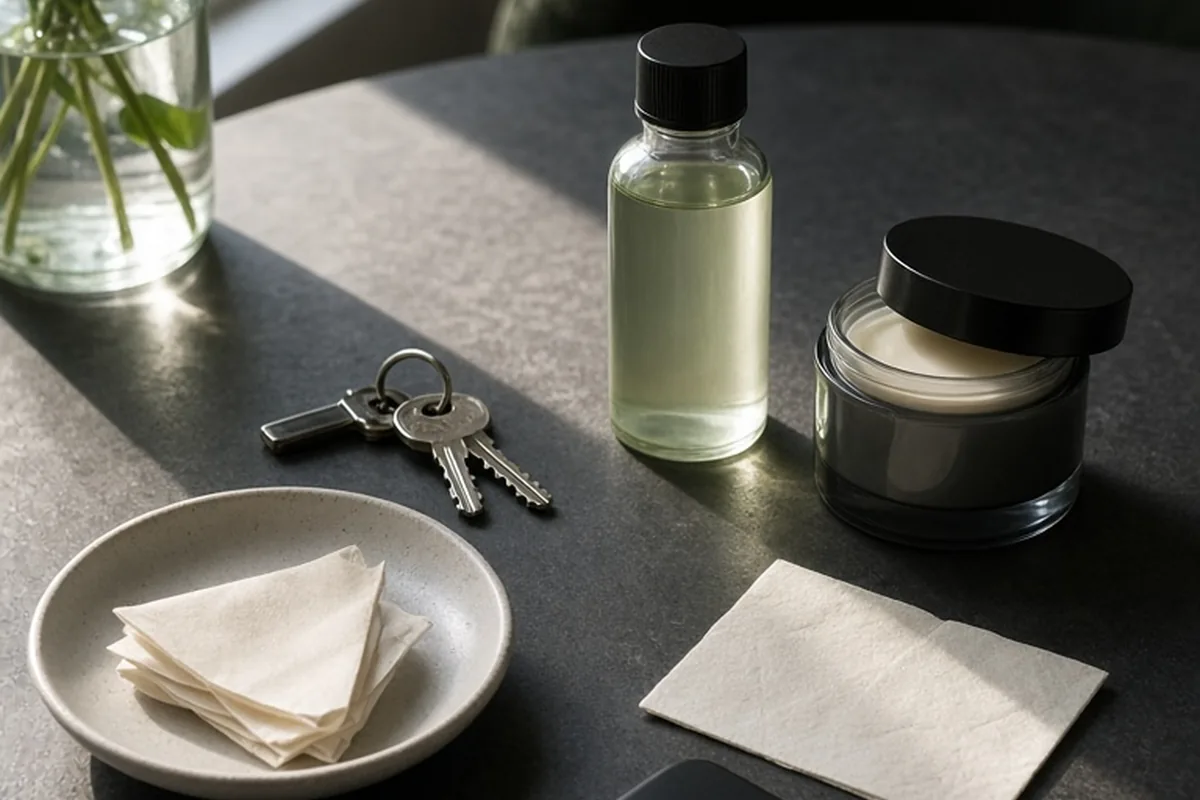
You should always apply toner before moisturizer. Toners feature a lightweight, liquid consistency designed to replenish initial hydration, rebalance the skin surface, and prepare pores right after cleansing. Moisturizers are thicker, containing oils and occlusives that lock in hydration. If you put toner on after moisturizer, the cream creates a barrier that prevents the toner from absorbing.
Finding the right sequence for your daily skincare routine can feel overwhelming when product shelves are filled with liquids, essences, serums, and creams. Knowing which step comes first makes a noticeable difference in how comfortably your products sit on your face and how effectively they support your skin barrier.
The Golden Rule of Skincare Layering: Thin to Thick
In dermatological and aesthetic practice, the fundamental principle governing product application is viscosity. Products with the lightest, most watery consistency must go onto clean skin first, followed progressively by denser textures, finishing with the heaviest creams or oils. Water-based liquids have smaller molecular structures that penetrate surface skin layers quickly, whereas rich creams contain dense lipids designed to sit on top of the skin.
When you follow this thin-to-thick progression, each layer works in harmony rather than competing for absorption. Applying a fluid product like toner after a rich lotion causes the liquid to bead up and roll off the oily film left by the moisturizer. By placing the toner first, you ensure that your skin receives immediate hydration and preparation before you seal everything beneath a protective emollient coating.
Consider how a dry sponge interacts with water and wax. If you rub wax over a dry kitchen sponge and then pour water over it, the liquid simply glides off without wetting the core. Conversely, if you dampen the sponge with water first and then apply a protective coating, the moisture remains trapped inside. Your skin responds to toners and moisturizers in precisely the same physical manner.
Understanding the Role of Modern Toners
Historically, toners were harsh, alcohol-laden astringents formulated to strip away stubborn soap scum left behind by traditional lye soaps. Modern cosmetic formulation has shifted dramatically. Today's toners are sophisticated, water-based solutions designed to restore skin pH, provide immediate hydration, soothe irritation, or deliver gentle chemical exfoliants to clear residual debris from pores.
Because contemporary toners are predominantly water-based and packed with humectants like glycerin, hyaluronic acid, or panthenol, their primary function is conditioning. They reset the skin after cleansing, which often temporarily raises skin surface pH and removes natural moisture. Placing toner directly onto freshly cleansed skin allows these humectants to bind water directly to the upper layers of the stratum corneum.
Using a toner is not an absolute requirement for everyone, but it serves as an efficient delivery vehicle for targeted skincare goals. Whether you are using an exfoliating toner containing salicylic acid to minimize clogged pores or a botanical mist to calm redness, the product requires direct contact with bare skin to perform its intended job.
How Moisturizers Seal and Protect the Skin Barrier
Moisturizers serve a very different biological purpose than toners. While toners introduce water and lightweight active compounds, moisturizers are engineered to prevent transepidermal water loss. They achieve this through a blend of humectants, emollients that smooth rough skin cells, and occlusives that form a physical hydrophobic seal over the skin surface.
Without an occlusive or emollient layer, moisture applied to the skin surface quickly evaporates into the surrounding air, especially in dry, heated, or air-conditioned environments. This evaporative process can actually leave your skin drier than it was before you washed it. Applying a moisturizer immediately over your toner locks that added hydration deep within the epidermis.
Because moisturizers contain varying concentrations of plant oils, ceramides, fatty acids, or petrolatum, they inherently act as a shield. While this shield is fantastic for keeping moisture in and external irritants out, it also prevents any subsequent water-based products from passing through. This mechanical barrier is the exact reason why moisturizer must always come after toner.
Step-by-Step Application Technique for Best Results
To get the most out of your skincare routine, technique matters almost as much as product order. Begin by washing your face with a gentle, non-stripping cleanser and lukewarm water. Instead of aggressively rubbing your face dry with a towel, gently pat your skin until it remains slightly damp. Damp skin is significantly more permeable and receptive to topical products than bone-dry skin.
Immediately dispense your toner onto your palms or a reusable cotton pad. Press or sweep the liquid gently across your face, neck, and chest, avoiding aggressive dragging motions. While the skin is still dewy from the toner, you can apply any targeted serums or treatments you use. Finally, dispense a nickel-sized amount of moisturizer and smooth it evenly across your face to trap the layers of hydration beneath.
There is generally no need to wait several minutes between your hydrating toner and your moisturizer. In fact, applying your cream while your face is still slightly dewy from a hydrating toner helps the humectants bind even more moisture to the skin surface. The only notable exception is when using potent chemical exfoliants or prescription treatments, which may benefit from a brief dry-down period to minimize potential tingling.
Adapting the Order for Different Toner Formulations
Not all toners perform the same function, and understanding the specific formulation you have chosen can help you fine-tune your application routine. While the rule of applying toner before moisturizer never changes, the steps between them can shift slightly depending on whether your toner is formulated for hydration, exfoliation, or pH balancing.
Hydrating toners, often packed with aloe vera, beta-glucan, or floral waters, are exceptionally versatile. You can apply multiple light layers of a hydrating toner in rapid succession if your skin feels unusually tight or dehydrated, a method often called layering. Once you reach your desired level of comfort, you seal everything with your daily moisturizer.
Exfoliating toners containing alpha-hydroxy acids like glycolic or lactic acid, or beta-hydroxy acids like salicylic acid, require a slightly more measured approach. These should still be applied immediately after cleansing, but you should allow them thirty to sixty seconds to settle into the pores before layering serums and moisturizers. This pause gives the acid time to work at its optimal pH before being neutralized or buffered by a rich cream.
- Hydrating Toners: Apply immediately after cleansing to damp skin, optionally layer twice, and seal quickly with moisturizer.
- Exfoliating Acid Toners: Apply to clean skin, let settle for a moment, and always follow with a restorative moisturizer.
- Soothing or Calming Toners: Apply generously over irritated or red areas before applying a barrier-repair cream.
Common Layering Mistakes and How to Avoid Them
One of the most frequent mistakes people make when building a routine is letting the skin dry out completely between steps. Waiting several minutes after cleansing before applying toner, or letting toner evaporate until your face feels tight before reaching for moisturizer, diminishes the hydrating benefits of both products. Work efficiently from one step to the next to preserve surface water.
Another common pitfall is over-saturating the skin with conflicting active ingredients. If your toner contains potent exfoliating acids, pairing it directly with an active retinoid serum and an acid-based moisturizer can overwhelm your skin barrier, leading to redness and peeling. Keep your routine balanced by pairing active toners with plain, barrier-supporting moisturizers.
Finally, some individuals mistakenly believe that applying multiple layers of hydrating toner eliminates the need for a moisturizer entirely. While your skin may feel fresh initially, water-based humectants without an emollient cover will eventually evaporate. Skipping moisturizer altogether often leads to rebound dryness and increased oil production as your skin attempts to compensate.
Constructing Complete Morning and Evening Routines
To visualize how toner and moisturizer fit into your broader daily schedule, it helps to look at complete morning and nighttime sequences. Skincare routines do not need to be overly complicated, but having a clear mental roadmap ensures you never wonder where a specific bottle belongs.
In the morning, your goal is hydration and environmental protection. Start with a gentle splash of water or a mild cleanser, apply your hydrating or antioxidant toner, follow with a vitamin C serum if desired, smooth on your lightweight moisturizer, and finish with a broad-spectrum sunscreen. At night, the focus shifts to cleansing and barrier repair, where you double cleanse, apply an exfoliating or calming toner, layer your targeted nighttime treatments, and lock everything in with a nourishing night cream.
By keeping the toner-first, moisturizer-last structure consistent across both morning and evening routines, you build a predictable, effective habit that supports comfortable, balanced skin day after day.
- Morning Order: Cleanser, Toner, Antioxidant Serum, Moisturizer, Broad-Spectrum Sunscreen.
- Evening Order: Cleanser (or Double Cleanse), Toner, Treatment Serum, Nourishing Moisturizer or Night Cream.
Frequently asked questions
Can I skip moisturizer if my toner feels hydrating enough?
It is generally not recommended to skip moisturizer even if your toner feels very hydrating. Toners supply water and humectants, but without the emollients and occlusives in a moisturizer, that hydration easily evaporates and leaves your skin dry.
How long should I wait after toner to apply moisturizer?
For basic hydrating toners, you do not need to wait; applying moisturizer while your face is still slightly damp helps lock in the water. If you are using an exfoliating acid toner, waiting roughly 30 to 60 seconds allows the active ingredients to absorb evenly before applying cream.
Where do serums go if I use both toner and moisturizer?
Serums belong directly between your toner and your moisturizer. Following the thin-to-thick rule, apply your liquid toner first, smooth on your concentrated serum, and finish with your moisturizer to seal both layers.
Your next step
Take a look at your current skincare products, ensure your toner is placed immediately after your cleanser and before your creams, and try applying your moisturizer to slightly damp skin tonight.