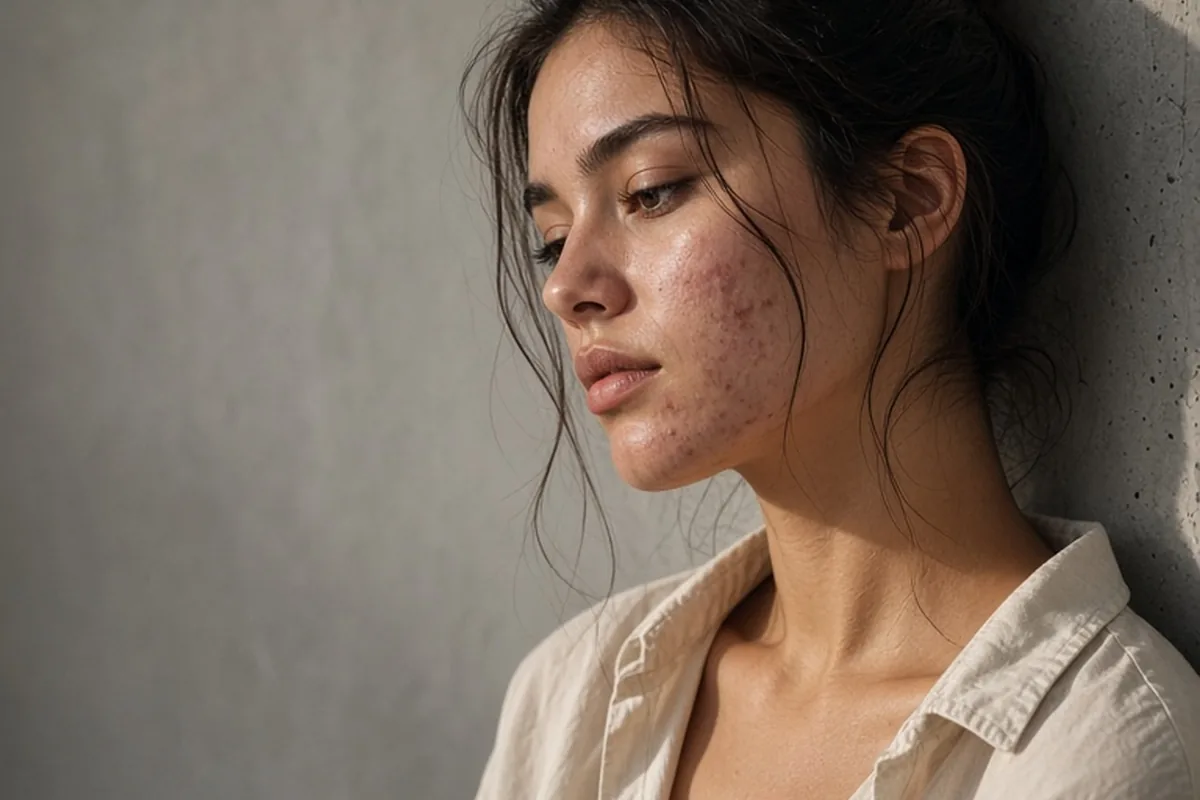
Tanning beds do not cure or help acne in any lasting way. While ultraviolet rays might temporarily dry out surface oil and bronze the skin to camouflage redness, the UV radiation damages the skin barrier, triggers excess oil production, thickens the outer pore lining, and dramatically darkens acne scars. Safer, targeted alternatives like salicylic acid or medical blue light therapy yield real results without the severe risks of premature aging and skin cancer.
Many people dealing with persistent breakouts wonder whether a quick session in a tanning bed might dry up active pimples and even out their overall complexion. It is an understandable question because a fresh tan often makes redness and blemishes less visually obvious for a few days. However, looking beneath that temporary surface change reveals that ultraviolet exposure creates deeper structural problems for acne-prone skin.
Why Tanning Beds Create the Illusion of Clearer Skin
The widespread belief that tanning beds improve acne comes from two immediate visual and tactile effects that happen right after exposure. First, ultraviolet radiation exerts a temporary drying effect on the surface of the skin. When someone with oily or combination skin spends time under tanning lamps, the acute heat and radiation can dry up excess surface sebum and cause superficial inflammation to look slightly flatter for twenty-four to forty-eight hours. This brief drying action often leads people to believe that their breakouts are actively resolving.
Second, developing a tan alters skin pigmentation by increasing melanin production in surrounding areas, which visually conceals red and pink blemish marks. Erythema, the redness associated with inflammatory papules and pustules, contrasts sharply against pale skin, making every active pimple stand out. Once the surrounding tissue takes on a deeper, bronzed tone, the contrast softens significantly. The underlying blemish has not vanished or healed faster; rather, the optical contrast between the inflamed pore and the surrounding skin has simply diminished. This temporary camouflage frequently masks active congestion while setting the stage for subsequent flare-ups.
Understanding this visual trick is essential because relying on UV exposure to manage breakouts confuses short-term cosmetic disguise with true cellular healing. In reality, the skin is responding to radiation-induced trauma, which sets off protective responses that ultimately work against maintaining clear pores over the coming weeks.
How Ultraviolet Exposure Triggers Worse Rebound Breakouts
While ultraviolet rays may dry the surface initially, they disrupt the delicate balance of the skin barrier, prompting a predictable cycle of rebound oil production. When high-intensity UV radiation strips away essential surface lipids, the moisture barrier becomes compromised and dehydrated. In an effort to repair itself and compensate for extreme dryness, the sebaceous glands go into overdrive, pumping out significantly more sebum in the days and weeks following a tanning session. This surge of heavy oil mixes with dehydrated surface skin cells, creating ideal conditions for stubborn comedones and painful cysts.
At the same time, ultraviolet exposure accelerates a process known as hyperkeratinization. When skin cells are exposed to radiation, the body naturally thickens the stratum corneum, the outermost layer of dead skin cells, as a defensive shield against UV penetration. Because acne-prone skin already struggles to shed dead cells efficiently, this rapid cellular buildup creates dense plugs inside hair follicles. When trapped sebum, dead cells, and naturally occurring skin bacteria get sealed beneath this thickened surface, inflammatory breakouts multiply rapidly beneath the tan.
This delayed rebound reaction explains why many individuals experience severe, widespread breakouts one to two weeks after a tanning bed session. The person often fails to connect their new flare-up with the tanning bed visit because of the delayed timing, mistakenly assuming they simply need another tanning session to dry things up again, which locks them into a damaging and repetitive cycle.
The Link Between Tanning and Permanent Dark Acne Marks
For anyone concerned about uneven skin tone, tanning beds pose a direct threat by worsening post-inflammatory hyperpigmentation. Whenever a breakout occurs, the surrounding tissue becomes inflamed, prompting local melanocytes to become hyperactive. When you expose this already inflamed, vulnerable tissue to concentrated ultraviolet light, those pigment-producing cells create dense deposits of dark melanin directly over the healing blemish site.
Instead of fading naturally over several weeks, blemishes exposed to tanning beds often turn into stubborn, dark brown or purplish macules that can linger for many months or even years. While a fresh tan might temporarily make these dark marks look blended into the darker overall skin tone, the reality becomes apparent once the tan fades. The background skin returns to its normal color, while the sun-damaged blemish marks remain deeply hyperpigmented and visibly prominent.
Furthermore, intense UV exposure degrades collagen and elastin fibers in the dermal layer. Acne blemishes heal through active collagen remodeling, and degrading this structural support system increases the risk of developing atrophic or indented textural scarring. Rather than smoothing the complexion, artificial tanning systematically undermines the skin's capacity to rebuild healthy, even tissue following an inflammatory breakout.
Tanning Beds Versus Clinical Phototherapy
Confusion often arises because dermatologists sometimes use light-based treatments to help manage certain skin conditions, leading people to believe commercial tanning beds offer a similar therapeutic benefit. In clinical settings, medical phototherapy utilizes carefully calibrated, narrow-band wavelengths of light, such as targeted blue or red light, that do not emit broad-spectrum, tissue-damaging ultraviolet radiation in the way tanning beds do. Blue light targets and destroys specific acne-causing bacteria without burning the tissue, while red light helps soothe inflammation and support tissue repair.
In stark contrast, commercial tanning beds emit broad-spectrum UVA and UVB radiation designed purely to trigger a pigment response through cellular stress. UVA rays penetrate deeply into the dermis, generating massive amounts of oxidative free radicals that break down cellular DNA and accelerate premature skin aging. UVB rays burn the superficial epidermal layers, causing immediate cellular damage and inflammation. Neither of these wavelengths is calibrated to safely treat acne, and the high radiation dosage poses severe long-term risks that far outweigh any temporary drying effect.
Relying on a tanning bed as a substitute for medical light therapy exposes the entire body to known carcinogens without delivering the targeted, non-damaging wavelengths required to truly improve acne-prone skin. Legitimate dermatological light devices operate at controlled energies that leave the skin barrier intact, whereas tanning lamps rely on barrier destruction to produce their effects.
Safe and Proven Skincare Ingredients for Acne
Achieving clear skin reliably requires utilizing active ingredients that address the biological roots of breakouts, including bacterial proliferation, dead skin accumulation, and inflammation. Unlike tanning beds, well-formulated topical ingredients clear congested pores and calm irritation without compromising long-term skin health or increasing skin cancer risks.
A balanced daily routine can combine targeted actives with hydrating and barrier-supporting agents to maintain resilient, calm skin over time:
When introducing these active ingredients, it is best to incorporate them gradually into your routine. Starting with a gentle concentration two or three evenings per week allows the skin barrier to adjust without experiencing excessive peeling or irritation, leading to steady, sustainable improvements in tone and clarity.
- Salicylic Acid: A oil-soluble beta hydroxy acid that penetrates deep into oily pores to dissolve dead skin plugs and reduce inflammation.
- Benzoyl Peroxide: An antibacterial agent that introduces oxygen into clogged pores to eliminate acne bacteria without causing bacterial resistance.
- Topical Retinoids: Vitamin A derivatives like adapalene that normalize cellular turnover, prevent pores from clogging, and smooth overall skin texture.
- Niacinamide: A versatile soothing ingredient that strengthens the moisture barrier, regulates oil production, and visibly fades post-acne marks.
How to Protect Blemish-Prone Skin from Daily UV Damage
Protecting your skin from ultraviolet rays is one of the most effective ways to accelerate acne recovery and prevent lasting discoloration. Many people with acne-prone skin avoid daily sunscreen because they worry that thick, greasy formulas will trigger new breakouts. However, modern broad-spectrum sunscreens are available in lightweight, non-comedogenic, oil-free fluids and gels that protect healing skin without clogging pores.
Applying a broad-spectrum sunscreen with an SPF of 30 or higher every morning shields active blemishes from the UV-induced inflammation that drives hyperpigmentation. It also protects skin that may be sensitized by proven acne treatments like retinoids or exfoliating acids, ensuring those ingredients can do their job effectively without causing irritation or sun sensitivity. Consistent sun protection preserves collagen, allowing healing blemishes to resolve cleanly and smoothly.
Illustrative Scenarios
Illustrative Scenario: Moving from Tanning Beds to a Barrier-Safe Acne Routine
Consider the example of Alex, who struggled with persistent cheek breakouts and started visiting a local tanning salon twice a week before a major event. Initially, Alex noticed that the redness around existing blemishes faded against newly bronzed skin, and active pimples felt drier to the touch. However, after three weeks of regular tanning, Alex developed a sudden surge of deep, painful bumps along the jawline and noticed that previously healed spots had turned dark purple. Recognizing the rebound congestion, Alex stopped visiting the tanning bed, switched to a gentle foaming cleanser, incorporated a nightly two percent salicylic acid serum, and applied a lightweight, oil-free broad-spectrum SPF 30 sunscreen daily.
Key point: This illustrative example highlights how artificial tanning creates an initial cosmetic illusion while triggering rebound breakouts and deeper discoloration, whereas a consistent, barrier-conscious routine provides sustainable clarity.
Frequently asked questions
Can natural sunlight clear up acne better than a tanning bed?
While natural sunlight might feel pleasant and briefly dry surface oil, it carries the same cellular risks as tanning beds, including barrier breakdown, rebound oil production, and dark post-acne marks. Safe, non-UV skincare treatments provide far more consistent clearing without damaging your skin.
Why do my pimples look better immediately after tanning?
Tanning temporarily dries out surface oil and darkens the surrounding skin, which lowers the color contrast between red blemishes and normal skin. This cosmetic camouflage is temporary, and the underlying inflammation and clogged pores remain unaddressed beneath the surface.
What should I do if I already tanned and my acne is flaring up?
Focus on calming and hydrating your skin barrier by using a gentle, non-stripping cleanser and a barrier-repair moisturizer containing ceramides or hyaluronic acid. Avoid harsh physical scrubs, pause tanning immediately, and reintroduce gentle chemical exfoliants like salicylic acid only after irritation subsides.
Are at-home LED light therapy masks the same as tanning beds?
No, at-home LED masks use visible wavelengths such as blue and red light that do not contain harmful ultraviolet radiation. These non-UV light therapies target specific bacteria and soothe inflammation without tanning the skin, burning tissue, or raising long-term health risks.
Your next step
Stop using tanning beds for acne management and switch to a daily routine featuring a gentle cleanser, a targeted active like salicylic acid or adapalene, and a lightweight, non-comedogenic broad-spectrum sunscreen.