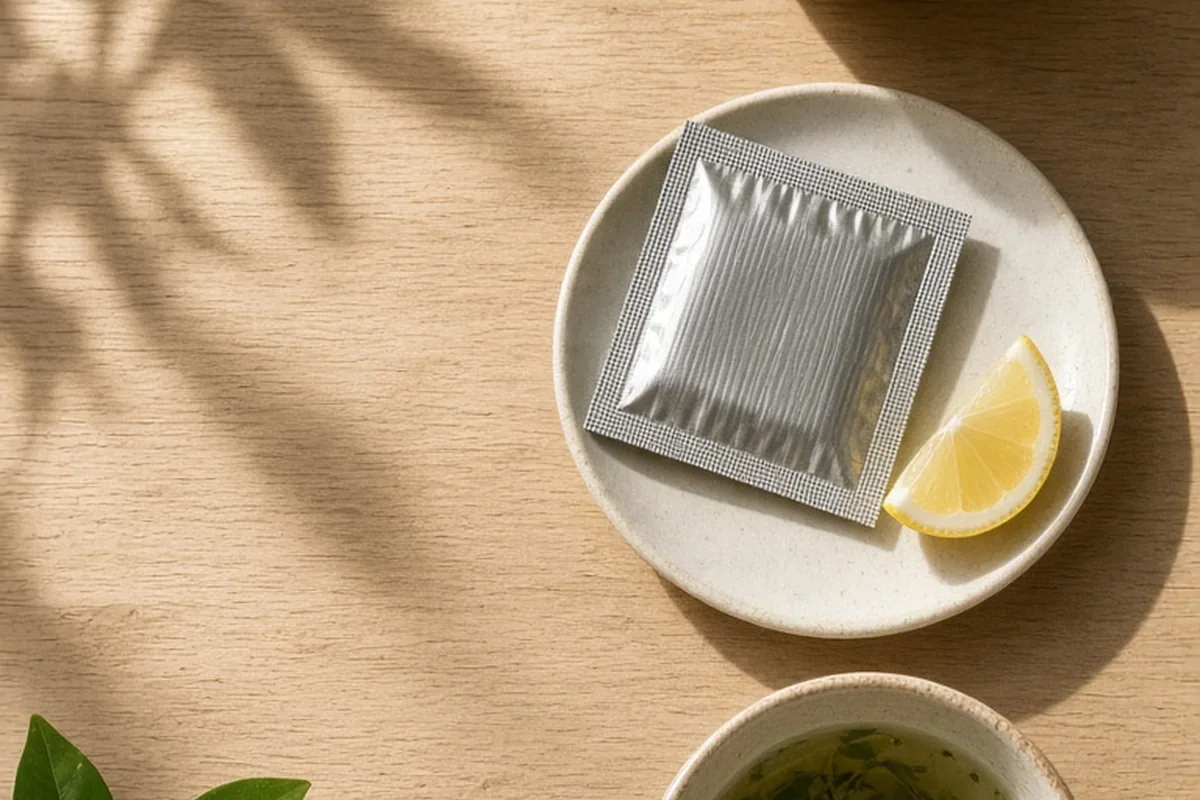
Many women enjoy ribbed condoms because the raised ridges can increase physical friction and targeted stimulation during intimacy, but preferences vary widely. While some find the added texture enhances sensation, others feel little difference or experience irritation if natural lubrication is low. The experience depends heavily on personal anatomy, sufficient lubrication, pacing, and open communication about what feels comfortable.
Choosing protection often feels purely practical, yet the variety of textures, shapes, and materials available can significantly shape how shared intimacy feels. Understanding how textured options work allows couples to experiment comfortably without making assumptions about what a partner automatically prefers.
How Ribbed Condoms Create Sensation
Ribbed condoms feature raised rings or subtle ridges molded directly into the outer surface of the latex or non-latex material. These ridges are designed to create gentle, intermittent resistance against internal and external nerve endings during movement. For many women, this texture translates into an amplified sense of fullness and varied stimulation, turning uniform friction into a more dynamic physical sensation. The effect is typically most noticeable along the entrance and the initial portion of the vaginal canal, where nerve sensitivity is naturally concentrated.
The intensity of this sensation depends heavily on how the ridges interact with movement and pressure. When movement is smooth and deliberate, the ridges catch slightly against the tissue, offering localized stimulation that standard smooth condoms do not provide. However, the experience is rarely uniform across different brands. Some manufacturers place ribs along the entire length, while others concentrate them near the base or the tip. Because subtle differences in ridge height, spacing, and firmness alter how noticeable the texture is, one style might feel intensely stimulating while another feels barely different from a standard condom.
Why Individual Preferences Differ Greatly
Reactions to textured protection are as individual as physical anatomy itself. Some women have higher tactile sensitivity and find that even minor textural additions create pleasant, heightened arousal. For these individuals, ribbed designs add a welcome layer of physical novelty that keeps intimate encounters engaging. Others may have sensitive mucosal tissue that reacts poorly to added friction, interpreting the same ridges as scratchy, irritating, or distracting rather than enjoyable.
Arousal and contextual comfort also play massive roles in how texture is perceived. When someone is fully aroused, the vaginal walls naturally relax and expand, making textured ridges feel pleasurable rather than abrasive. If a partner is tense, rushed, or not fully aroused, the exact same texture can cause discomfort. A woman who loves ribbed condoms during relaxed, unhurried intimacy might find them uncomfortable during a quick encounter. Assuming that a positive reaction once guarantees enjoyment every time overlooks how dynamic physical comfort truly is.
The Critical Role of Adequate Lubrication
The single most important variable in whether a ribbed condom feels good is lubrication. While textured designs are engineered to produce enjoyable friction, there is a narrow line between pleasurable sensation and painful chafing. Standard factory lubrication on packaged condoms is rarely sufficient for extended intimacy, especially when ridges create extra surface drag against delicate skin. Without additional lubricant, the ridges can pull at tissue rather than gliding smoothly across it.
Applying a generous amount of compatible, water-based or silicone-based lubricant to both the outside of the condom and the partner's body transforms the physical dynamic. A quality lubricant allows the ridges to roll and glide over sensitive areas without snagging, preserving the stimulating ridges while eliminating harsh abrasiveness. If a partner reports that textured condoms feel sharp or irritating, the issue is frequently a lack of moisture rather than the texture itself. Replenishing lubricant whenever friction begins to increase ensures that texture remains an enhancement rather than a source of soreness.
How to Introduce Textured Protection Smoothly
Bringing a new type of condom into the bedroom does not require an intense or overly formal conversation, but springing it as a complete surprise can backfire. A simple, casual comment beforehand sets a collaborative tone and removes any performance pressure. Framing the choice around mutual curiosity—such as mentioning you picked up a textured variety to see how it feels for both of you—invites your partner to share their thoughts without feeling put on the spot.
During intimacy, check in using straightforward, non-judgmental feedback. Asking a simple question like 'How does this feel?' or 'Is this comfortable?' gives your partner an easy opening to be honest. If they like it, you can lean into the experience together. If they dislike it or feel neutral, swapping it out for a standard option takes only a few seconds. Treating the choice as a low-stakes experiment maintains trust and shows that their physical comfort matters far more than the novelty of a specific product.
Recognizing Discomfort and Overstimulation
Understanding non-verbal and verbal feedback is essential when trying any textured barrier. While direct communication is ideal, partners sometimes hesitate to speak up immediately if they worry about disrupting the mood. Subtle physical cues—such as tensing up, pulling away slightly, or an involuntary shift in breathing—often signal that friction has become uncomfortable. Staying attentive to these changes prevents minor irritation from escalating into painful chafing.
Overstimulation is another common factor with ribbed designs. Constant, repetitive friction on the same sensitive nerve pathways can eventually cause tissue fatigue or numbness rather than escalating pleasure. If your partner signals that things feel too intense, shifting angles, slowing the pace, or adding more lubricant can relieve the pressure immediately. Never hesitate to pause and replace the condom entirely if physical discomfort persists; prioritizing mutual ease ensures that future experimentation remains positive and welcome.
Pairing Texture with Pacing, Angles, and Technique
A ribbed condom is simply a tool; the way it is used determines whether it enhances the experience. Rapid, high-friction movements can quickly overpower the subtle benefits of texture, making the ridges feel rough. In contrast, slower, deliberate rhythms allow the partner to register the contours of the ridges against sensitive internal areas. Varying the speed and giving the body time to adjust to the physical sensations makes the texture much more effective.
Adjusting angles of entry also changes where the ridges make contact. For example, slight shifts in hip positioning or using a pillow under the hips can direct the ribbed surface toward the anterior vaginal wall, which is often more responsive to tactile stimulation. Combining gentle angle adjustments with consistent lubrication allows both partners to explore which specific movements maximize pleasure without creating excessive friction or physical strain.
Comparing Ribbed, Dotted, and Smooth Options
Textured condoms generally fall into two categories: ribbed and dotted. Ribbed designs focus on horizontal or spiral ridges intended to provide linear friction across a wider surface area. Dotted varieties feature raised, rounded studs designed to deliver pinpoint sensation to specific contact points. Some hybrid varieties combine both ribs and dots to offer varied physical feedback across different zones of the condom.
Deciding between these options is a matter of personal preference and trial. Below is a quick overview of how common protection styles compare in practical use:
Choosing between these designs involves balancing physical stimulation with personal sensitivity. Keeping a small variety on hand allows you and your partner to discover what works best for your shared rhythm without any rigid expectations.
- Ribbed Condoms: Provide continuous, wave-like stimulation along the surface, ideal for partners who enjoy broad tactile friction.
- Dotted Condoms: Deliver localized, distinct stimulation points that feel more concentrated during movement.
- Combination Styles: Alternate ridges and dots to maximize overall surface variation for higher-intensity sensation.
- Smooth Standard Condoms: Offer consistent, friction-neutral protection best suited for sensitive partners or straightforward intimacy.
Illustrative Scenarios
Navigating Textured Protection in a New Relationship
Marcus bought a box of ribbed condoms before hosting a weekend dinner with Elena, whom he had recently started dating. During intimacy, he put one on without mentioning it, assuming the added ridges would automatically improve the experience. A few minutes in, Elena shifted uncomfortably and seemed less engaged. Rather than ignoring the shift, Marcus paused, checked in, and learned that the ridges felt uncomfortably abrasive because they had not added extra lubricant. Marcus quickly switched to a smooth condom, added lubricant, and Elena immediately felt relaxed and comfortable again.
Key point: Never assume texture guarantees pleasure; clear check-ins and ample lubricant make all the difference in physical comfort.
Finding the Right Fit Through Low-Stakes Curiosity
Jordan and his long-term partner Maya noticed their routine felt somewhat repetitive and decided to try different condom textures. Instead of expecting a dramatic breakthrough, Jordan suggested buying a mixed sample pack containing standard, ribbed, and dotted varieties. They tried the ribbed option during an unhurried evening, taking time to add water-based lubricant and talk about what felt good. Maya found that while fast pacing felt overly intense with ridges, slower movement created an enjoyable, novel sensation they both appreciated.
Key point: Treating textured options as an open experiment with varied pacing helps couples find what genuinely feels best.
Frequently asked questions
Can ribbed condoms cause irritation or pain for women?
Yes, ribbed condoms can cause discomfort if there is inadequate lubrication or if a woman has particularly sensitive tissue. When moisture levels drop, the raised ridges create excessive friction that can lead to soreness. Adding compatible lubricant or switching to a smooth variety quickly resolves this issue.
Do ribbed condoms feel different for the man wearing them?
Most ribbed condoms feature texture exclusively on the exterior, meaning the person wearing the condom feels very little difference on the inside. However, some brands offer dual-textured or snugger ribbed designs that provide slight internal sensation. Overall, the primary physical effect is experienced by the receiving partner.
Are ribbed condoms as safe and effective as regular condoms?
Yes, ribbed condoms meet the exact same safety, durability, and quality-control standards as standard smooth condoms. The ridges are molded into the material during manufacturing without compromising its structural integrity. As long as they fit properly and are used with compatible lubricants, they provide reliable barrier protection.
What type of lubricant should be used with ribbed condoms?
Always use water-based or silicone-based lubricants with latex or polyisoprene ribbed condoms. Oil-based products like petroleum jelly, lotions, or massage oils can degrade latex and cause tears. Applying lubricant generously over the textured exterior ensures the ridges glide smoothly without harsh pulling.
Your next step
Pick up a variety pack and a bottle of water-based lubricant, then invite your partner to try different textures casually to see what feels best for both of you.