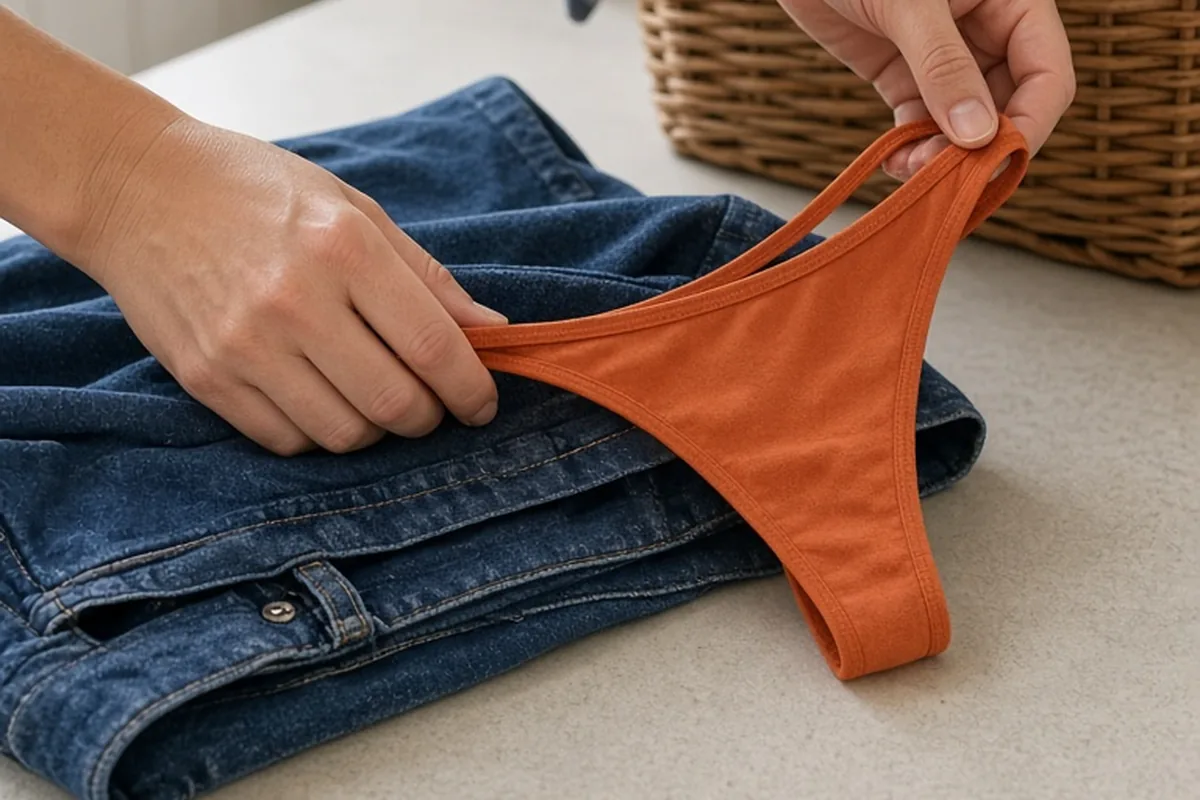
Women have diverse perspectives on men wearing thongs. Some appreciate the bold visual aesthetic, self-assured confidence, and clean lines under fitted clothing, while others prefer familiar styles like boxer briefs due to routine or personal taste. Reactions largely hinge on individual aesthetic preferences, comfort levels, and how naturally a man owns his style, rather than any universal standard.
Underwear choices frequently carry unspoken cultural expectations, particularly when men explore options beyond standard boxers or briefs. Understanding how female partners perceive men's thongs requires looking at personal aesthetics, physical comfort, and honest relationship communication.
Understanding the Spectrum of Female Reactions
Women's reactions to men wearing thongs span a broad spectrum rather than falling into a single consensus. Some women view alternative underwear styles as refreshing, modern, and attractive because they highlight muscle definition, show care in personal presentation, and signal a man who is unbothered by outdated masculine tropes. In casual or established relationships where novelty and visual variety are welcomed, a well-fitted thong can be perceived as an appealing, playful choice.
Conversely, many women simply have established visual habits. Because standard boxer briefs and trunks dominate menswear media and everyday retail, an unexpected cut can sometimes cause brief surprise simply due to unfamiliarity. In most instances, an initial pause is not an active dislike of the person, but a contrast against everyday cultural norms. A woman's aesthetic preference is as individualized as a man's taste in clothing, influenced by personal background, generational attitudes, and personal attraction cues.
Recognizing this diversity prevents men from making sweeping assumptions about what all partners want. When you understand that personal taste governs these reactions, you can approach the conversation or wardrobe choice without internalizing every individual response as a broad judgment of your masculinity or physical appeal.
The Role of Confidence and Fit in Perception
How a garment is worn often matters significantly more than the garment itself. A man who wears a thong with quiet confidence, proper sizing, and natural ease projects self-possession. When someone feels secure in their skin, partners tend to respond to the underlying self-assurance rather than overanalyzing the fabric. Conversely, visible hesitation, nervous jokes, or seeking immediate external validation can make an interaction feel awkward, regardless of the underwear style being worn.
Fit and fabric quality also play a practical role in how any undergarment looks and feels. Underwear designed specifically for male anatomy—with appropriate support, breathable fabrics like modal or moisture-wicking synthetics, and correct waistband sizing—creates clean, intentional lines. Poorly fitted garments, by contrast, can look uncomfortable and cause physical chafing.
Selecting quality construction ensures that the item serves its functional purpose while looking intentional rather than makeshift. If you choose to explore this style, investing in well-designed pieces made from comfortable textiles ensures both aesthetic appeal and all-day physical ease.
Practical Reasons Men Wear Alternative Underwear
While visual appeal often dominates discussions, many men choose thongs purely for practical and physical utility. For athletic activities such as distance running, cycling, weightlifting, or high-intensity training, minimalist cuts eliminate the bunching and fabric friction common with traditional boxers. Moisture-wicking performance cuts provide targeted support while preventing the inner-thigh chafing that can derail a long workout.
Another common utility is tailoring. In professional or formal environments, modern slim-cut trousers, lightweight linen pants, and tailored suits often show visible underwear lines when paired with loose or bulky boxers. A seamless thong or minimal brief creates a clean, smooth silhouette without bunching under the seat of trousers, making it a functional wardrobe tool for well-dressed men regardless of romantic considerations.
Understanding these practical applications helps demystify the garment. Underwear is primarily a functional layer designed for personal hygiene, support, and clothing drape, and choosing a style based on physical comfort is entirely legitimate.
How to Introduce New Styles to a Partner
When introducing a new style in a dating or long-term relationship context, a simple, relaxed approach yields the smoothest results. Treating your underwear choice as an everyday personal preference rather than a high-stakes reveal keeps the tone comfortable. You might mention it casually when sorting laundry, packing for a weekend trip, or discussing workout gear, framing it around comfort or personal curiosity.
Timing and setting are equally important. In a new dating relationship, surprising a partner during a rushed or unexpected moment can occasionally create unnecessary friction if they are caught off guard. Choosing a relaxed, low-pressure moment to be open about what you like allows your partner to respond naturally without feeling pressured to provide immediate enthusiastic praise.
If your partner has questions, answering them straightforwardly—whether you wear them for athletic comfort, clean lines under clothes, or simply because you like how they look—establishes mutual trust. Direct, calm communication removes mystery and keeps the focus on mutual comfort.
Navigating Disagreements and Differing Tastes
In any relationship, partners will occasionally hold differing opinions on clothing, grooming, or personal styles. If a partner expresses that a thong is not their preferred look on a man, it is helpful to treat that feedback as an expression of personal taste rather than a fundamental conflict or personal rejection. Just as partners may prefer certain beard lengths, hairstyles, or clothing colors, underwear styles fall into the realm of subjective visual preference.
Handling differing tastes involves balancing personal autonomy with relationship harmony. You maintain full ownership over what you wear for daily comfort and athletic utility. At the same time, in shared intimate settings, couples often navigate compromises by finding styles—such as low-rise trunks or fitted square-cut briefs—that satisfy both partners' preferences.
Maintaining self-respect during these conversations means neither ridiculing a partner's conventional preferences nor feeling ashamed of your own choices. Openness and emotional maturity allow both individuals to express their likes without defensiveness.
Illustrative Scenarios
Navigating Daily Comfort and Dating Surprises
Mark started wearing performance thongs during marathon training to prevent chafing and found them so comfortable that he integrated them into his daily wardrobe. When he started dating Sarah, he felt anxious about how she might react when staying over after a dinner date. Instead of making a tense announcement or trying to hide his laundry, he simply wore his usual pair. When Sarah noticed, she asked a curious question about the cut. Mark explained calmly that he started wearing them for running and kept them for comfort. Seeing his complete lack of defensiveness, Sarah appreciated his honesty and accepted his preference without issue.
Key point: Presenting personal lifestyle choices with calm confidence and practical context removes awkwardness and fosters mutual acceptance.
Finding Common Ground in a Long-Term Relationship
David decided to buy a few pairs of minimalist briefs and thongs to wear under his tailored work suits. His long-term partner, Elena, was initially surprised because she had only ever known him to wear standard boxer briefs and felt the new style looked unfamiliar. Rather than arguing about fashion standards or feeling self-conscious, David acknowledged her visual surprise and explained the practical tailoring benefit while validating her honest feedback. Over time, Elena grew accustomed to the variety, and they established an easy dynamic where David wore what felt best for his workdays while keeping shared communication open.
Key point: Allowing a partner time to adjust to visual changes without taking initial surprise personally creates space for practical compromises.
Frequently asked questions
Should a man tell a new partner before wearing a thong around them?
There is no obligation to make a formal announcement about everyday undergarments. However, maintaining a relaxed, matter-of-fact attitude if a partner notices helps normalize the choice and prevents unnecessary awkwardness.
Are thongs considered comfortable for everyday male wear?
Comfort depends heavily on proper sizing, anatomical pouch design, and fabric quality. Many men find properly fitted thongs more comfortable than traditional styles because they eliminate fabric bunching, riding up, and chafing.
What should you do if a partner expresses a strong dislike for the style?
Listen to their perspective without becoming defensive, and recognize that visual preferences vary widely. Balance your personal autonomy for daily wear with mutual dialogue about what styles both of you enjoy during shared moments.
Your next step
Choose undergarments that provide the comfort, fit, and confidence you want for yourself, and approach partner conversations with relaxed, honest communication.